The Political and Economic Calculus of the American Energy Crisis Following the Collapse of the Iran Ceasefire



More than two months have elapsed since the tentative ceasefire between the United States and Iran disintegrated, plunging global energy markets into a period of sustained volatility. As the midterm elections draw near, the administration’s focus has shifted aggressively toward the domestic fuel market, where high gasoline prices remain a potent political liability. President Donald Trump has initiated a multipronged strategy aimed at bolstering crude supply via a controversial pivot to Venezuela and the aggressive deregulation of domestic refinery mandates. However, industry analysts and energy experts remain skeptical that these measures will provide the immediate relief required to appease voters before they head to the polls.
The Anatomy of the Refining Bottleneck
While the initial panic following the closure of the Strait of Hormuz has subsided, replaced by a complex system of alternative logistics and conservation, the structural integrity of the global energy supply remains fragile. The average cost of gasoline in the United States currently hovers around $4.11 per gallon—a staggering 90 percent increase compared to this time last year. Diesel fuel, the backbone of the domestic supply chain, has seen even sharper price appreciation.
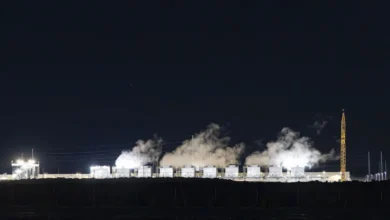
The core of the issue is not merely the availability of crude oil, but a profound deficit in global refining capacity. The "crack spread"—the critical metric measuring the profit margin between a barrel of crude oil and the refined products produced from it—has surged to an unprecedented $70 per barrel. This anomaly indicates a market that is fundamentally disjointed. Domestic refineries are currently running at near-maximum capacity, deferring routine maintenance cycles to capitalize on high retail margins. This "run-to-failure" operational strategy creates a precarious situation, as the lack of downtime increases the risk of mechanical breakdowns or systemic outages.
The global refining landscape is further constrained by the geopolitical fallout of ongoing conflicts. Middle Eastern refineries have faced significant operational disruptions, while Russian diesel infrastructure remains under duress due to persistent Ukrainian drone strikes. With North American and Chinese facilities unable to bridge this supply gap, the market remains locked in a high-price equilibrium.
Chronology of the Crisis
- January 2026: In a bold geopolitical maneuver, the U.S. government orchestrates the detention of Venezuelan leader Nicolás Maduro, signaling an intent to overhaul the country’s moribund energy sector.
- Spring 2026: The Strait of Hormuz blockade triggers an initial global oil price shock, forcing nations to rapidly pivot their logistics and energy consumption habits.
- June 2026: Early signs of political vulnerability emerge as data suggests a strong correlation between high fuel prices and a potential loss of 25 congressional seats for the incumbent party in the midterms.
- August 2026: The administration accelerates the "Venezuela Pivot," easing sanctions and facilitating the rewriting of Venezuelan oil laws to encourage foreign investment.
- Early September 2026: Chevron announces a $7 billion investment plan in Venezuela, while the Pentagon confirms a stake in North American Blue Energy Partners.
- Current Week: The White House convenes a closed-door meeting with refiners to pressure a reduction in consumer prices, while the EPA implements emergency waivers for renewable fuel standards.
The Venezuelan Pivot and the "Viceroy" Strategy
In a move that has drawn intense scrutiny from both geopolitical analysts and the energy sector, the Trump administration has sought to revive Venezuelan oil production as a means of softening domestic prices. This strategy involves a high-stakes partnership with Alejandro Betancourt, a figure increasingly referred to in policy circles as the administration’s "viceroy" in Caracas.
The administration’s involvement in securing Betancourt’s legal standing—specifically regarding the intervention in a Swiss criminal probe—highlights the lengths to which the White House is willing to go to secure energy assets. The Pentagon’s decision to take a stake in North American Blue Energy Partners, a firm controlling roughly 20 percent of Venezuela’s reserves, represents a direct effort to replace Russian and Chinese influence in the region.
However, industry experts like Al Salazar of Enverus Intelligence caution that this is a long-term play, not a short-term fix. "You could get incremental production out of there in six to twelve months," Salazar notes, "but what is truly causing the price spike is the lack of refining capacity." Furthermore, Venezuela’s heavy crude requires specialized refinery configurations that are currently being utilized at full tilt for other grades of oil, limiting the immediate utility of any new supply.
Regulatory Waivers and the Biofuel Debate
Beyond international intervention, the administration has moved to lower costs by loosening domestic environmental mandates. The Environmental Protection Agency (EPA) has recently moved to terminate summer ethanol blending requirements ahead of schedule. By granting waivers to dozens of refineries, the administration hopes to reduce the operational costs associated with compliance with the Renewable Fuel Standard (RFS).
The policy has met with fierce resistance from a diverse coalition. Midwestern politicians, concerned about the impact on corn farmers, have joined forces with biofuel associations to condemn the move. Even the American Petroleum Institute (API) has expressed reservations, warning that sudden regulatory shifts create an unpredictable business environment.
The economic impact of these waivers remains a point of contention. While the administration argues that removing the mandate will lower the cost of fuel inputs, critics point out that oil companies, having already demonstrated a penchant for maintaining high margins, are under no obligation to pass these savings on to the consumer.
Economic and Political Implications
The political stakes of these energy policies are immense. Historical data from the past four decades indicates that when fuel prices remain elevated, the party in power faces a disproportionate risk of legislative defeat. President Trump, acknowledging the frustration of the American public, has publicly pressured refiners to "give some of that back to the public," suggesting that the current level of profit-taking is unsustainable.
Yet, the administration’s rhetoric is tempered by the harsh reality of the energy supply chain. Even if geopolitical tensions were to ease, the lack of infrastructure investment over the past decade has created a "long runway" problem. Developing new refining capacity is a capital-intensive process that takes years, not months.
Compounding these issues is the vulnerability of the U.S. Gulf Coast, where approximately 50 percent of the nation’s refining capacity is concentrated. While current meteorological forecasts predict a relatively quiet hurricane season, the presence of systems like Tropical Depression Edouard serves as a reminder of how quickly a localized weather event can turn a manageable shortage into a regional crisis.
Conclusion
The administration’s dual-track approach of securing Venezuelan crude and slashing domestic regulatory requirements represents a reactive attempt to manage an intractable economic problem. While these policies address the symptoms of the current crisis, they do little to rectify the fundamental mismatch between global refining capacity and consumer demand. As the midterm elections approach, the success of these measures will likely be measured not by long-term energy security, but by whether the average American notices a reprieve at the pump. For now, the structural constraints of the global oil market suggest that the road to lower prices remains blocked, regardless of the policy levers pulled in Washington.
Related posts: