The Cultural and Environmental Reckoning of Polyester in the Age of Digital Consumption



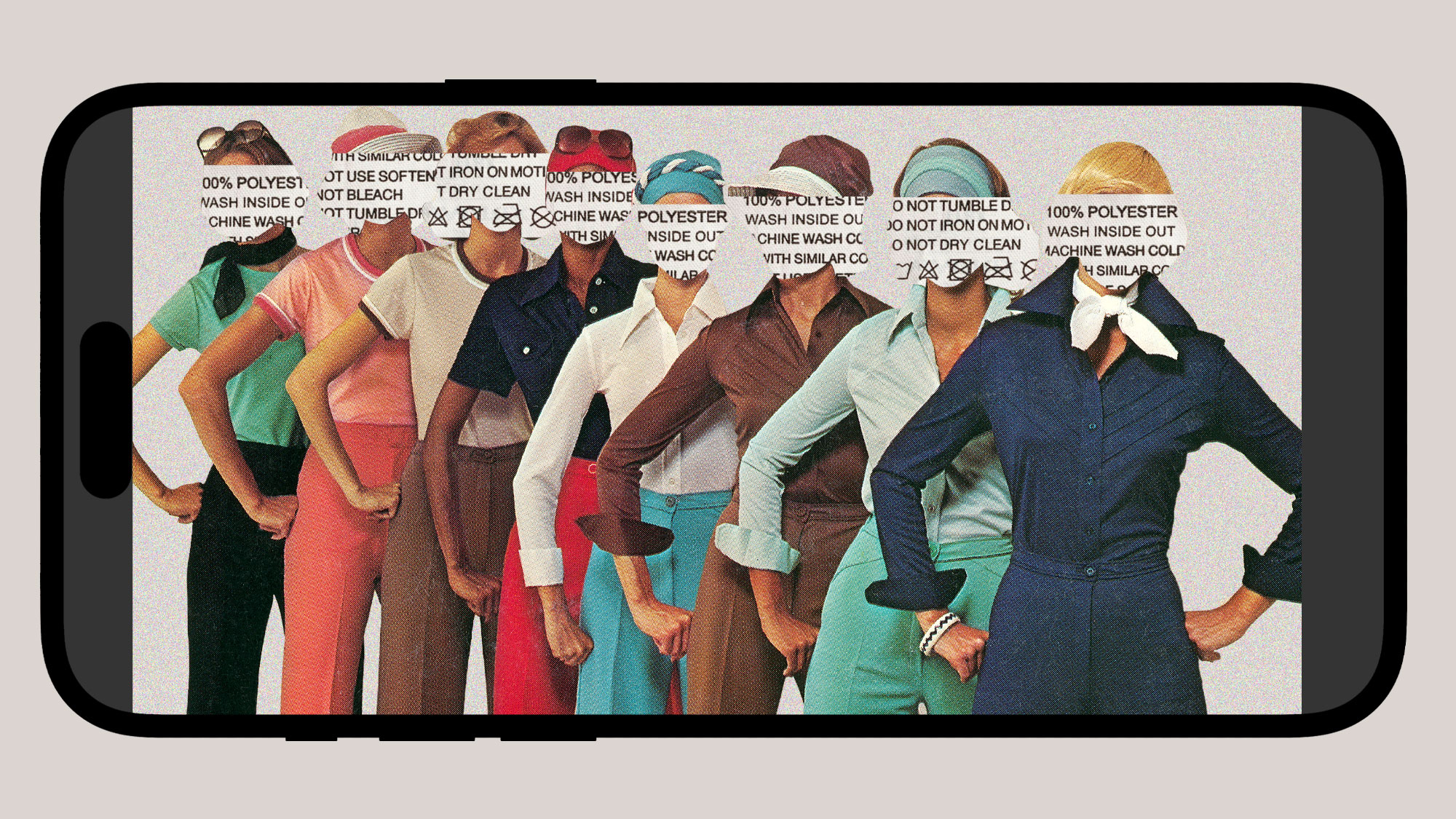
Even if your current wardrobe feels dominated by cotton or wool, the omnipresent thread of global textiles—polyester—is almost certainly occupying space in your closet. As the most widely produced synthetic fiber on the planet, polyester has become the backbone of the modern garment industry. However, a shifting tide of public sentiment, fueled by viral social media trends and heightened environmental awareness, has recast this ubiquitous material as a symbol of inauthenticity and ecological negligence. On platforms like TikTok, the term "polyester" has transcended its material definition to become a pejorative, used by Gen Z influencers to label individuals as "fake," "cheap," or "superficial."
This semantic shift, while framed as a contemporary critique of fast fashion, is rooted in a decades-long cycle of cultural tension between synthetic innovation and naturalistic aspiration. Understanding the current discourse requires a deep dive into the history of synthetic textiles, the complexities of environmental impact, and the psychological interplay between what we wear and how we define our personal values.
A Chronology of a Controversial Fiber
The trajectory of polyester from a "miracle" material to a social pariah is a study in industrial evolution. In the mid-20th century, the chemical industry marketed synthetic polymers as the height of modern convenience. Following the development of polyethylene terephthalate (PET) in the 1940s, polyester was championed as a revolutionary solution to the domestic labor of ironing. Its ability to resist wrinkles, dry rapidly, and maintain its shape made it a staple of the post-war consumer boom. Throughout the 1950s and 1960s, "plastic fantastic" was not a sarcastic descriptor, but a genuine selling point.
By the late 1960s, production scales began to tilt. Polyester became more cost-effective to produce than natural fibers, leading to a massive influx of synthetic garments into the global market. However, the shine of the "miracle fabric" began to fade as the 1970s ushered in a new environmental consciousness. The inaugural Earth Day in 1970 served as a catalyst for a "back-to-nature" movement that viewed synthetic fibers with inherent suspicion. This period marked the birth of the association between "plastic" materials and a "plastic" personality—an adjective used to describe someone deemed insincere or superficial.
The 1980s solidified the cultural stigma. Iconic films like John Waters’ 1981 production Polyester utilized the fabric as a shorthand for tackiness and low social status. By this time, the "polyester suit" had become a punchline in American pop culture, representing a desperate attempt to appear modern while failing to meet the standards of quality associated with natural fibers. Today, we are seeing a resurgence of this sentiment, amplified by the velocity of social media, where nicknames like "Polyester Prince" or "Polyester Jester" are deployed to shame creators and consumers associated with low-quality, high-volume apparel.
The Science of Synthetic Performance
The current backlash against polyester often ignores its technical evolution. While early iterations were notorious for poor breathability—leading to the "sweating like a dog" criticisms currently proliferating on TikTok—modern textile engineering has made significant strides. Athletic wear manufacturers now utilize specialized polyester blends designed to wick moisture away from the skin, a feat that natural fibers like cotton, which absorbs and retains water, struggle to achieve.
Despite these functional advantages, the material’s reputation is hampered by legitimate concerns regarding its lifecycle. Critics on both ends of the political spectrum have raised alarms about the health implications of microplastics shed during the washing of synthetic clothing. Furthermore, the chemical treatments applied to fabrics to ensure water resistance or stain repulsion—often involving per- and polyfluoroalkyl substances (PFAS)—have become a focal point for public health advocates.
Debunking the Natural vs. Synthetic Binary
Lexicographers and cultural historians, such as Kory Stamper and Professor Anneke Smelik, argue that the current discourse is dangerously reductive. The binary categorization of "natural is good" and "artificial is bad" ignores the industrial reality of textile production. "It is not like rolls of cotton grow off the plant," Smelik notes. Whether one is dealing with wool, silk, or cotton, the raw materials must undergo intensive chemical processing—including bleaching, dyeing, and spinning—to be rendered into a wearable state.
The environmental "win" often attributed to natural fibers is frequently based on a misunderstanding of resource intensity. For instance, the production of cotton is notoriously water-intensive. A single cotton shirt can require upwards of 700 gallons of water to produce. The depletion of the Aral Sea, once the world’s fourth-largest lake, is perhaps the most stark example of the environmental degradation caused by industrial cotton farming. In contrast, while polyester is derived from petroleum and contributes to greenhouse gas emissions during its extraction and manufacturing, its resource footprint—specifically regarding water and land use—is different from that of cotton.
Data-Driven Realities of the Fashion Sector
The environmental implications of the global fashion industry are quantifiable and concerning. A 2026 report from the Apparel Impact Institute highlights that global fashion sector emissions rose by 7.5% in 2023 and an additional 6.3% in 2024. A significant driver of this increase is the sheer volume of fiber production, with polyester demand remaining a primary contributor.
The durability of polyester, once considered a virtue, has become an environmental curse. Because it does not biodegrade in the same manner as organic fibers, discarded polyester garments fragment into microplastics that persist in the soil and water for generations. This durability issue is exacerbated by the "fast fashion" model, which relies on the rapid turnover of cheap, synthetic clothing. The perception that "natural" fibers are inherently better allows consumers to justify higher consumption rates, creating a cycle where buying more cotton is viewed as an eco-conscious act, regardless of the water or pesticide usage required to produce that cotton.

Implications and Future Outlook
The current trend of using "polyester" as an insult is a symptom of a larger, systemic problem: the decoupling of consumption from durability. Smelik suggests that the focus on the material itself is a distraction from the real issue—the speed at which the industry operates. "Fast fashion remains fast fashion, and that is a huge problem," she argues.
When social media influencers mock others for wearing polyester, they are participating in a performance of authenticity that, ironically, often perpetuates the very consumer culture they claim to criticize. By focusing on the type of fiber rather than the longevity of the garment, the discourse remains superficial.
From an industry perspective, the challenge lies in balancing performance, affordability, and sustainability. As regulations around microplastic shedding and chemical usage tighten, manufacturers are under increased pressure to innovate. We are seeing a move toward recycled polyester (rPET) and bio-based synthetics, though these technologies remain in their infancy regarding mass-market scalability.
The ultimate irony of the "polyester is trash" narrative is that it risks alienating consumers from the most sustainable choice available: the clothing already hanging in their closets. Whether a garment is made of synthetic or natural fibers, the most environmentally impactful decision a consumer can make is to extend the life of that garment.
As we look toward the future of fashion, the "polyester debate" serves as a microcosm of our broader relationship with the material world. It highlights a tension between the convenience of modern chemistry and the environmental toll of our lifestyles. While the insults hurled on TikTok may be a modern iteration of 1970s-era cynicism, they also reflect a growing, if somewhat unrefined, public demand for transparency and accountability in the fashion supply chain. Moving forward, the conversation must evolve beyond the "natural vs. synthetic" trap and toward a more nuanced understanding of resource management, circular economy practices, and the necessity of reducing overall consumption. The future of sustainable fashion will not be found in the rejection of a single material, but in a wholesale re-evaluation of our relationship with the objects we own.
Related posts: