The Battle for the Soil: How Michigan Farmers Are Navigating a Changing Agricultural Landscape

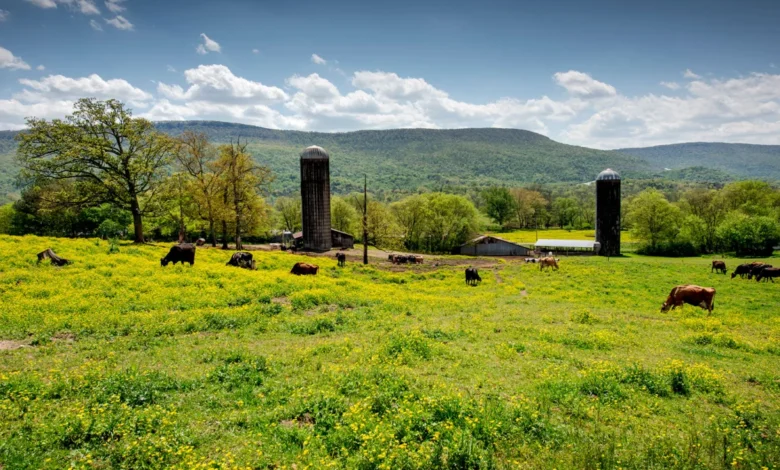
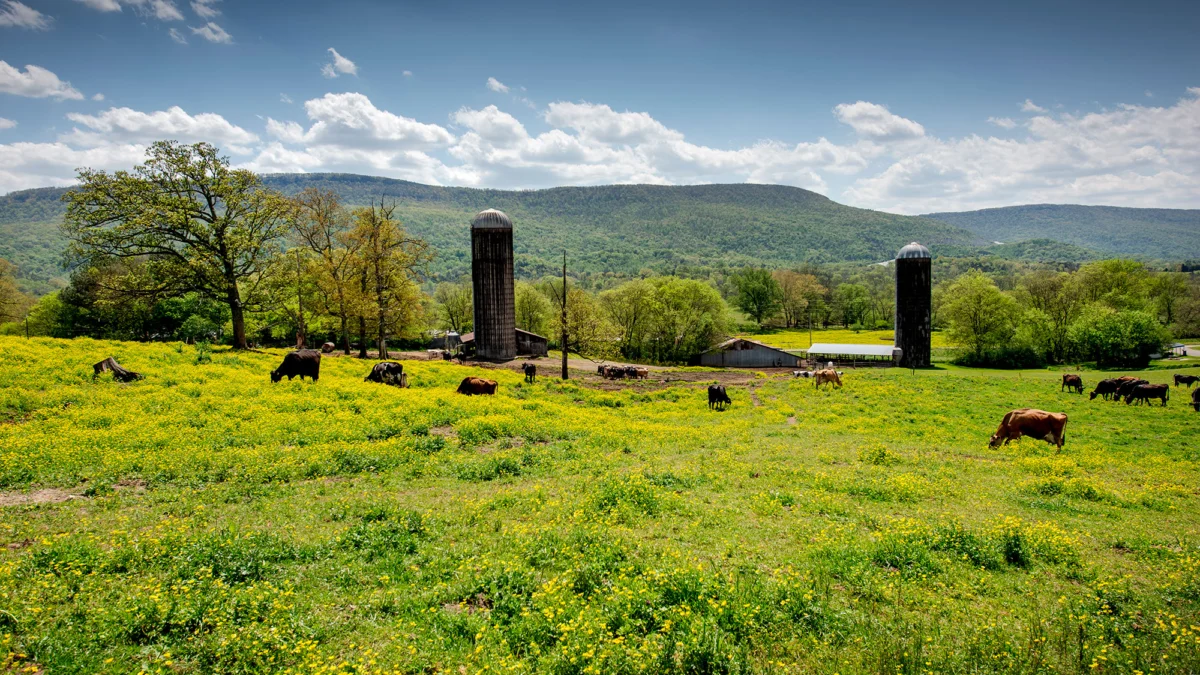
John Boyer grew up on his family’s 131 acres of rolling fields of corn, oats, and wheat in a rural area near the tiny city of East Jordan in northern Michigan. The farm had changed ownership outside the family several times over the decades before Boyer rebought it in 2018. He felt a profound, almost visceral obligation to repurchase and farm the land to prevent suburban development from encroaching on the area’s shrinking community of family farms. For any farmer, the land is more than just a balance sheet entry; it is a repository of labor, history, and identity. As Boyer notes, every piece of property and every stone cleared from a field represents countless hours of sweat and stewardship.
However, the rural Michigan that Boyer returned to is caught in a national maelstrom. Millions of acres of American farmland are expected to change hands in the next few decades as the current generation of operators reaches retirement age. This massive generational transfer is occurring against a backdrop of volatile land values, an unpredictable climate, and a younger generation increasingly disconnected from the rigors of agricultural life.
A Shrinking Footprint: The Data Behind the Decline
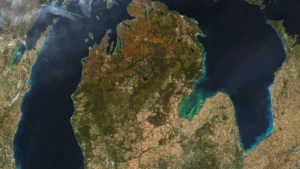
The statistics paint a sobering picture of the state of Michigan’s agricultural sector. In 2022, an estimated 9.5 million acres—approximately one-quarter of the state’s total landmass—were devoted to farming. While this remains a significant portion of the state’s economy, it represents a roughly 3 percent decrease from the 2017 federal farm census. More concerning is the fragmentation of ownership; farmland in Michigan where the majority of operations were family-owned decreased by nearly 470,000 acres in that same five-year window.
Conversely, land leased or rented for farming operations increased by nearly 30,000 acres, signaling a shift toward a model where the individuals working the soil are increasingly detached from the ownership of the underlying asset. This transition creates instability, as farmers who do not own their land are subject to the whims of landlords who may prioritize selling to developers over continuing agricultural leases.
The Financial Pressure Cooker
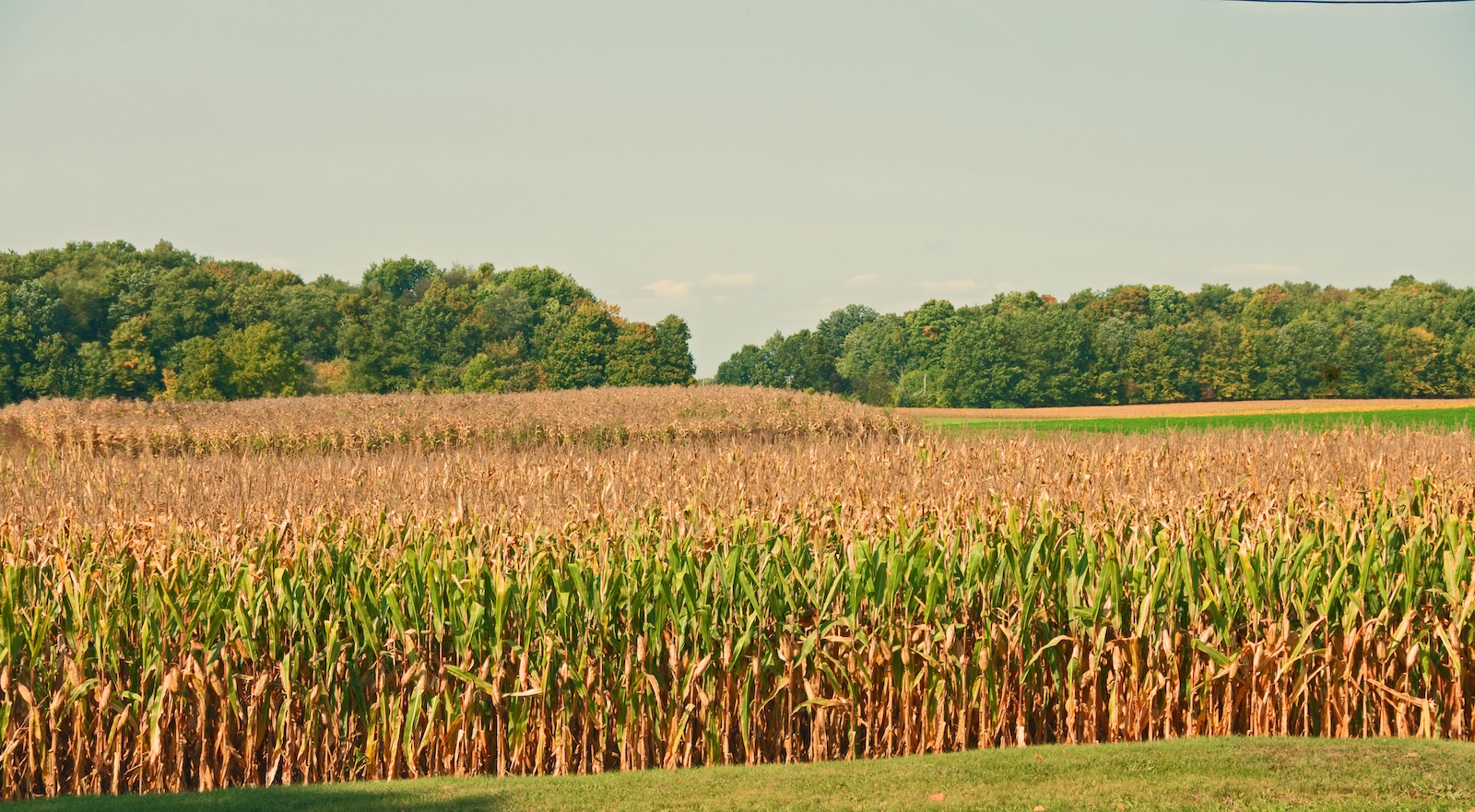
The economic reality of modern farming is dictated by market forces that often push land away from agriculture. According to the USDA, Michigan farmland was valued at approximately $6,800 per acre in 2025, an increase of 7.8 percent from the previous year. This growth rate significantly outpaces the national average of 4.3 percent.
Jon LaPorte, a farm business management educator for Michigan State University (MSU) Extension, emphasizes that the pressure on farmers is twofold: internal, regarding their own financial survival, and external, regarding the soaring value of their land. "It’s a matter of trying to figure out what exactly is going to be the best fit for everybody’s situation," LaPorte said. "And there’s a lot of pressure. There’s a lot of money."
This pressure is exacerbated by tax-deferred exchanges, which allow landowners to defer capital gains taxes when selling highly appreciated agricultural land to buy other property. While these exchanges are a boon for real estate investors, they often inflate land prices beyond what a traditional family farm can justify through crop yields alone.
Conservation Easements: A Tool for Survival
In response to the rapid loss of prime soil, conservation programs have gained momentum. Between 2017 and 2022, Michigan saw an additional 22,000 acres protected via easements—a national trend that mirrors growing environmental awareness.
For John Boyer, the decision to enter into a conservation easement with the Little Traverse Conservancy was a way to ensure his land would never be subdivided. Under this agreement, Boyer retains ownership of the property, but the nonprofit organization holds the development rights. Even if the land is sold to a new owner or passed to heirs, the restriction against non-agricultural development remains in perpetuity.
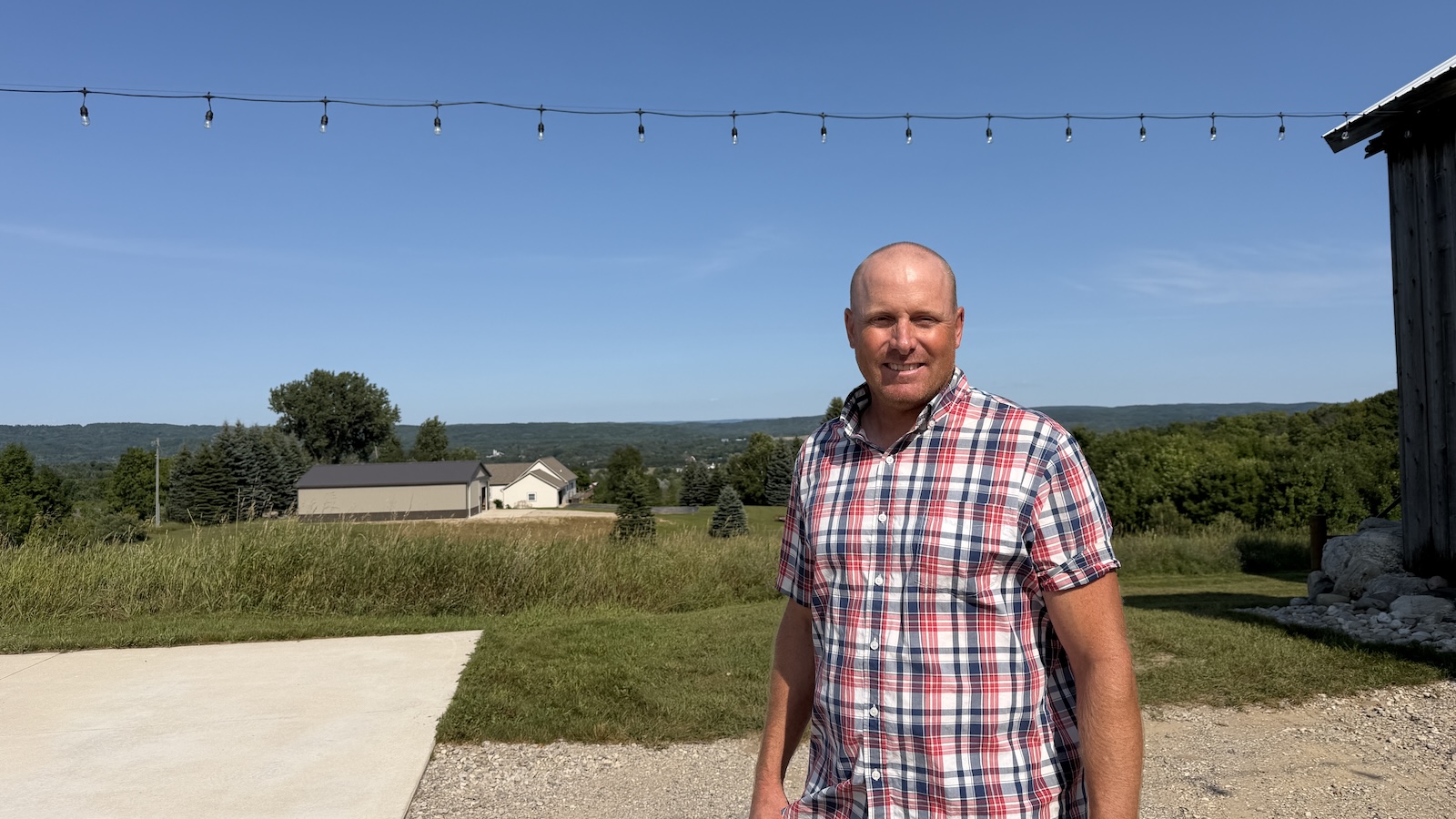
Joe Graham, chief financial and operating officer for the Little Traverse Conservancy, explains that this process offers farmers an alternative to selling to developers. "We’re offering a way to capture some of the equity and the value they have in that land without having to sell it and see it leave their ownership," Graham said. However, he acknowledges that this is not a panacea. Selling development rights typically yields less revenue than a full market sale, making it a difficult choice for farmers who view their land as their primary retirement fund.
The "Go Big or Go Home" Reality
For those who continue to farm, scaling up has become a survival strategy. Rebecca Carlson, a fourth-generation cherry and apple grower who operates Overlook Orchards in Northport, has seen firsthand how land fragmentation threatens the industry. "Aging farmers might split up land among multiple kids, leaving a patchwork of ownership that breaks up multigenerational farms," she noted.
Carlson and her husband have expanded their operation from 200 acres to 1,300 acres over the past eight years, largely by leasing parcels from retiring farmers who have no successors. In the current economic climate, Carlson observes, many farmers feel forced to "go big or go home" to stay competitive. While leasing provides a path to growth, it is fraught with anxiety regarding lease longevity and the lack of control over property improvements.
Agrivoltaics: The Conflict Over Renewable Energy
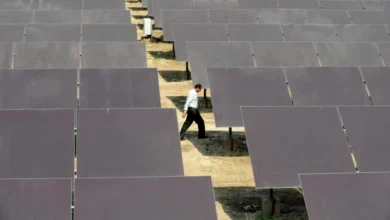
As Michigan seeks to decarbonize its power grid, renewable energy developers are increasingly eyeing rural land for solar arrays, wind turbines, and battery storage. This has created a new flashpoint in the debate over land use. While solar energy takes up a relatively small fraction of prime farmland—roughly 0.09 percent in Michigan—local opposition to large-scale solar projects remains intense.
In Wexford County, plans for a 1,500-acre solar development sparked significant local outcry earlier this year, highlighting fears that industrial energy production will permanently degrade soil quality. However, researchers at MSU are exploring "agrivoltaics"—the practice of co-locating solar panels with crop production or livestock grazing.
Charles Gould, a bioenergy educator with MSU Extension, argues that this approach could save the family farm by providing a steady, diversified income stream that protects the land from residential subdivision. "If we can do both on the same acre of land, why wouldn’t we?" Gould asks. "We want to preserve the family farm. This is a very powerful tool."
Long-term Implications for Food Security
The broader implications of these trends extend far beyond Michigan. As climate change creates more volatility in traditional breadbaskets, regions like northern Michigan may become increasingly important for regional food security. Dave Skornia, a farmer in Boyne City, believes that maintaining a land base is a strategic imperative for the future. "As the world climate changes, this area could become more and more important for food production," Skornia said. "So, you got to have land."
The challenge for policymakers and farmers alike is to balance the immediate need for capital—often realized through development or energy leasing—with the long-term necessity of preserving high-quality soil. Once an acre of farmland is converted to a housing subdivision or a commercial complex, it is effectively lost to agriculture for generations, if not forever.
The coming decade will likely be the most critical in the history of Michigan’s agricultural landscape. Whether through the expanded use of conservation easements, the integration of agrivoltaic technology, or new models for land tenure, the decisions made today by farmers like Boyer and Carlson will determine whether the state’s agricultural heritage remains a viable engine for the future or fades into a memory of the past. As land values continue to climb and the pressure to develop intensifies, the urgency to protect these rural spaces has never been greater. The fight to keep the soil in the hands of those who tend it is, ultimately, a fight for the future of the state’s food supply.
Related posts: