From the Southwest to the Jersey shore, climate change is altering the traditions and norms that have defined summer for generations.

For decades, the American summer has been anchored in a reliable cadence of seasonal activities: the predictable monsoon rains of the desert, the cool relief of high-altitude mountain retreats, the gentle evening humidity of the South, and the crisp, temperate transitions of the Northeast. However, as global mean temperatures continue to rise—with the last half-century seeing increases of up to 5 degrees Fahrenheit in certain U.S. regions—the traditional "summer normal" is rapidly dissolving. According to the National Oceanic and Atmospheric Administration (NOAA), July 2026 was the hottest month ever recorded for the contiguous United States, marking a grim milestone in a multi-decade trend of climate instability. This shift is not merely a statistical anomaly; it is a fundamental transformation of the American landscape, impacting everything from local economies and public health to the intimate, generational rituals that define the season.
A Chronology of Intensifying Extremes
The erosion of the temperate summer did not happen overnight. Since the 1970s, meteorological data has shown a consistent, upward trajectory in both daytime maximums and nighttime minimum temperatures. In the 1990s and early 2000s, heat waves were viewed as occasional events. By the 2010s, they became persistent fixtures of the season. The 2021 Pacific Northwest "heat dome" served as a pivotal turning point, demonstrating that even historically cool regions were no longer immune to extreme, life-threatening temperatures. That event, which saw Seattle reach 108 degrees Fahrenheit, was later attributed by researchers to be 150 times more likely due to human-induced climate change. By 2026, the pattern of record-breaking heat, erratic precipitation, and wildfire-induced smoke has become the new baseline, forcing a re-evaluation of how communities interact with their environment.
The Southwest: From Monsoons to Mirages
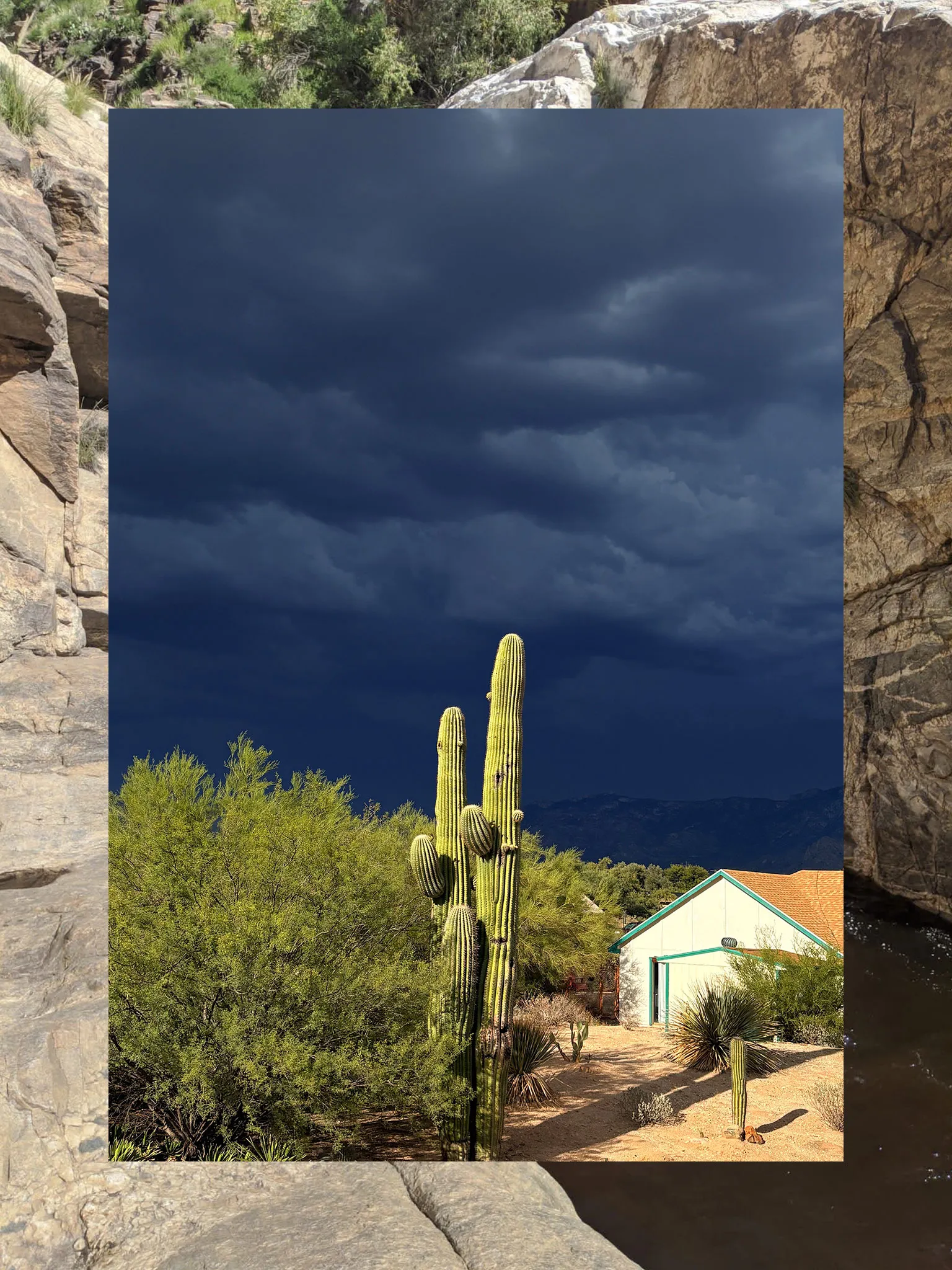
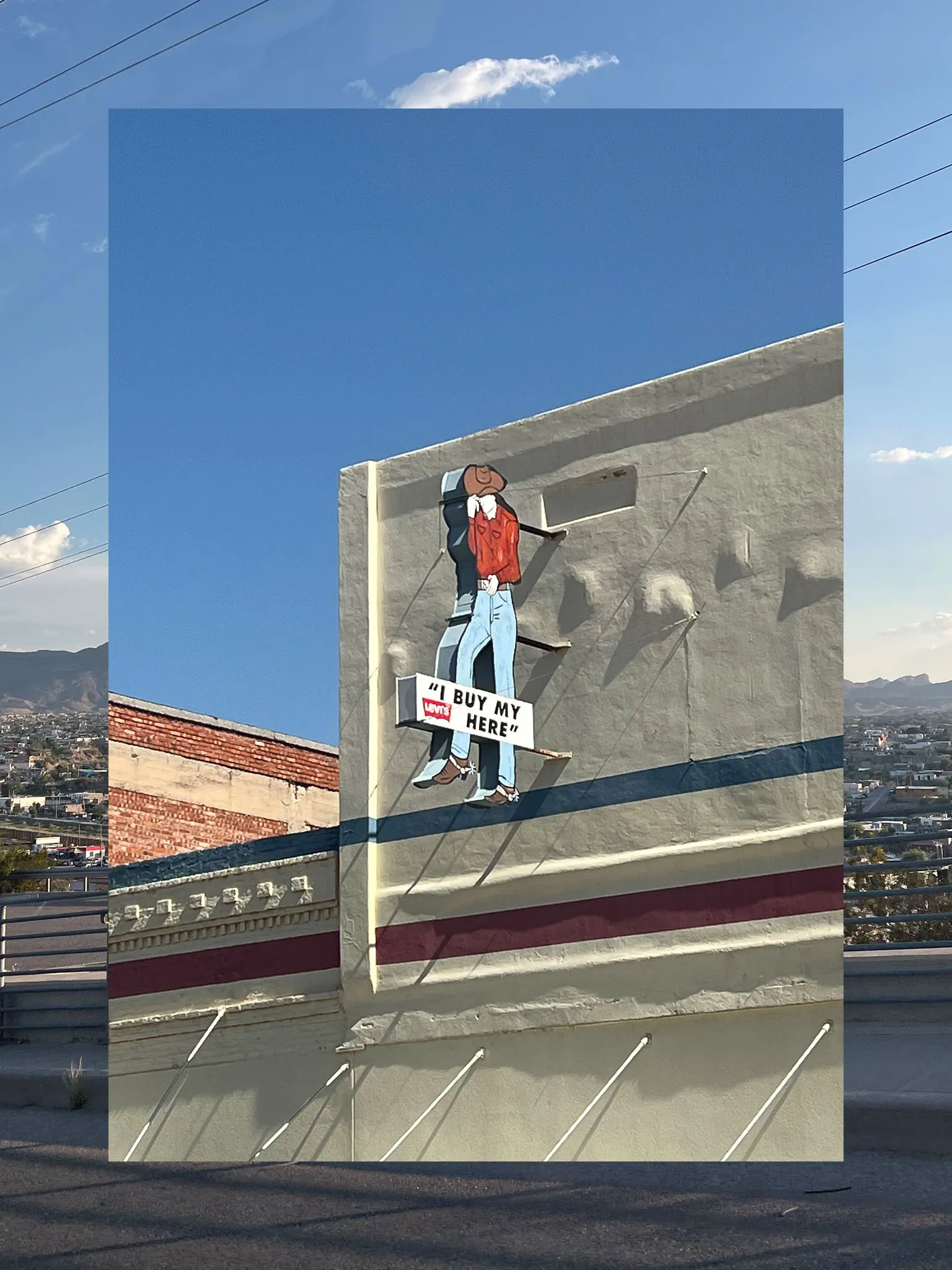
In the Sonoran Desert, the summer monsoon—once a clockwork event—has become increasingly unpredictable. Data from Climate Central reveals that annual precipitation in Tucson has declined by nearly 3 inches since 1970. This reduction in a region that typically receives only 11 inches of rain annually is profound. The once-dependable afternoon thunderstorms have been replaced by erratic, localized downpours that frequently fail to reach the city centers, leading to a landscape where residents must rely on artificial climate control rather than natural cooling cycles. In El Paso, Texas, the situation is similarly dire. With nearly half of the summer days in 2026 reaching or exceeding 100 degrees, the city is witnessing a shift in public life. Downtown foot traffic has plummeted, not only due to extreme heat but also because of the physical dangers posed by poor air quality, exacerbated by both industrial emissions and localized dust.
The Rockies and the "Mountain Escape" Paradox
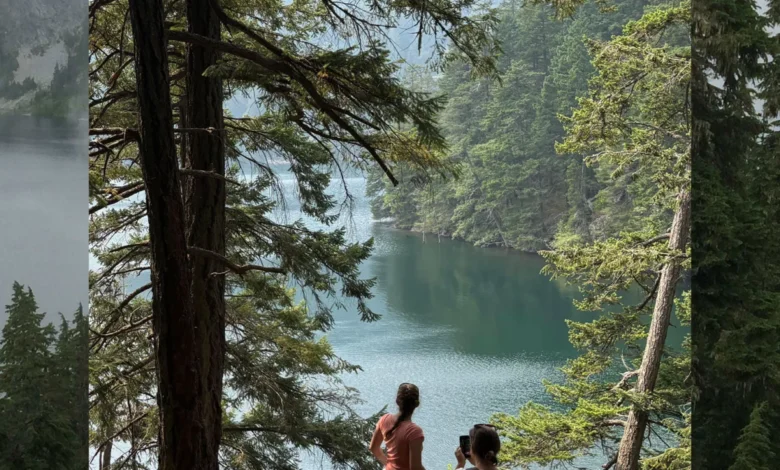
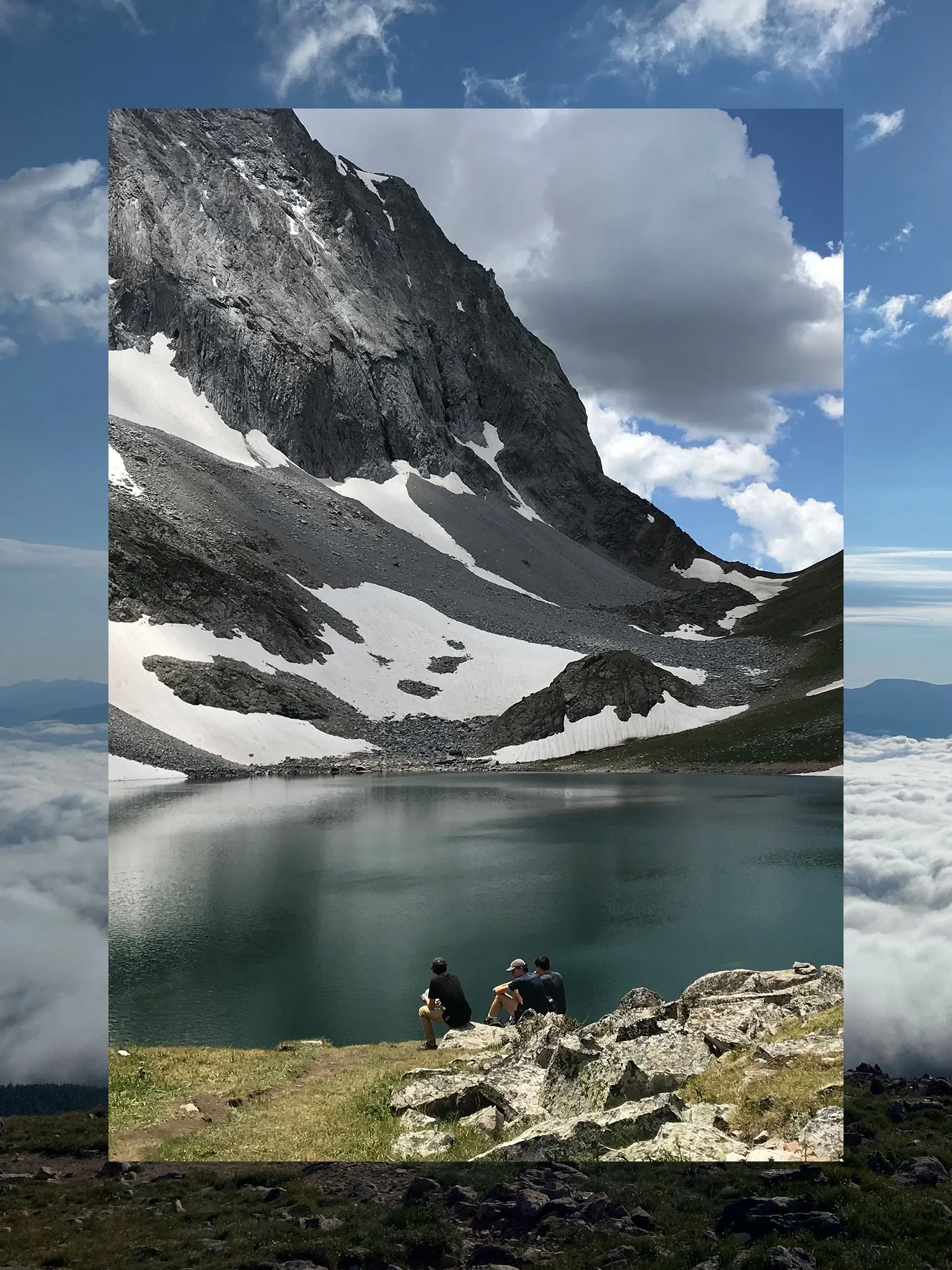
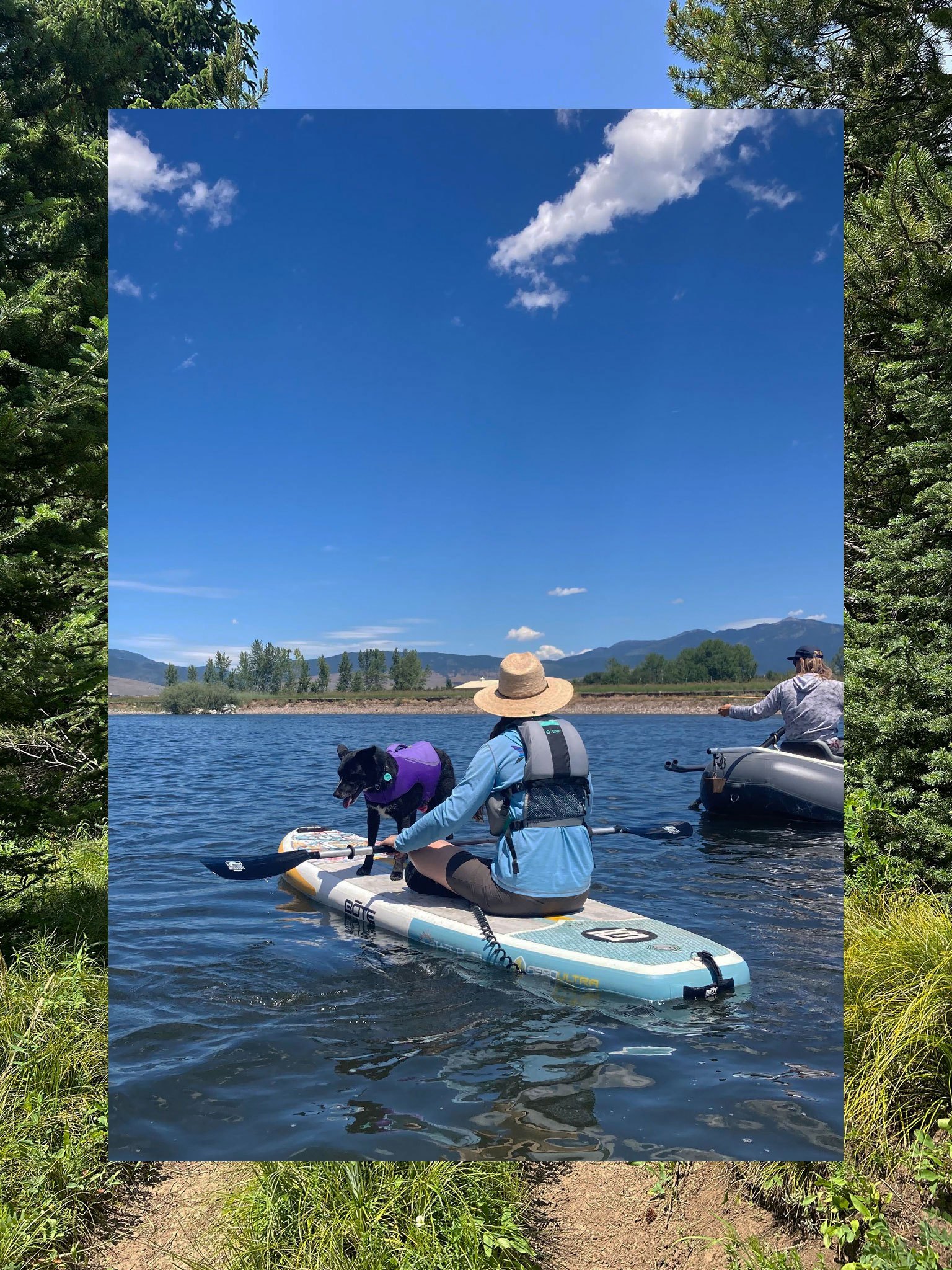
The Rocky Mountains have long served as a refuge for those seeking to escape the sweltering heat of the plains. However, this dynamic is buckling under the weight of climate change. Weather stations situated above 9,000 feet are now recording 90-degree days with alarming frequency. As wildfire smoke blankets the high country, the "clean mountain air" is increasingly obscured by particulate matter, rendering the region’s biggest export—cool, crisp weather—diminished. Despite these conditions, tourist numbers remain high, as visitors flee even more severe conditions in states like Texas. This paradox has created a strain on local resources, with river levels dropping as reservoirs are tapped to support downstream agricultural demands, leaving mountain streams shallow and overcrowded.
The Pacific Northwest: The Loss of the "Big Dark"
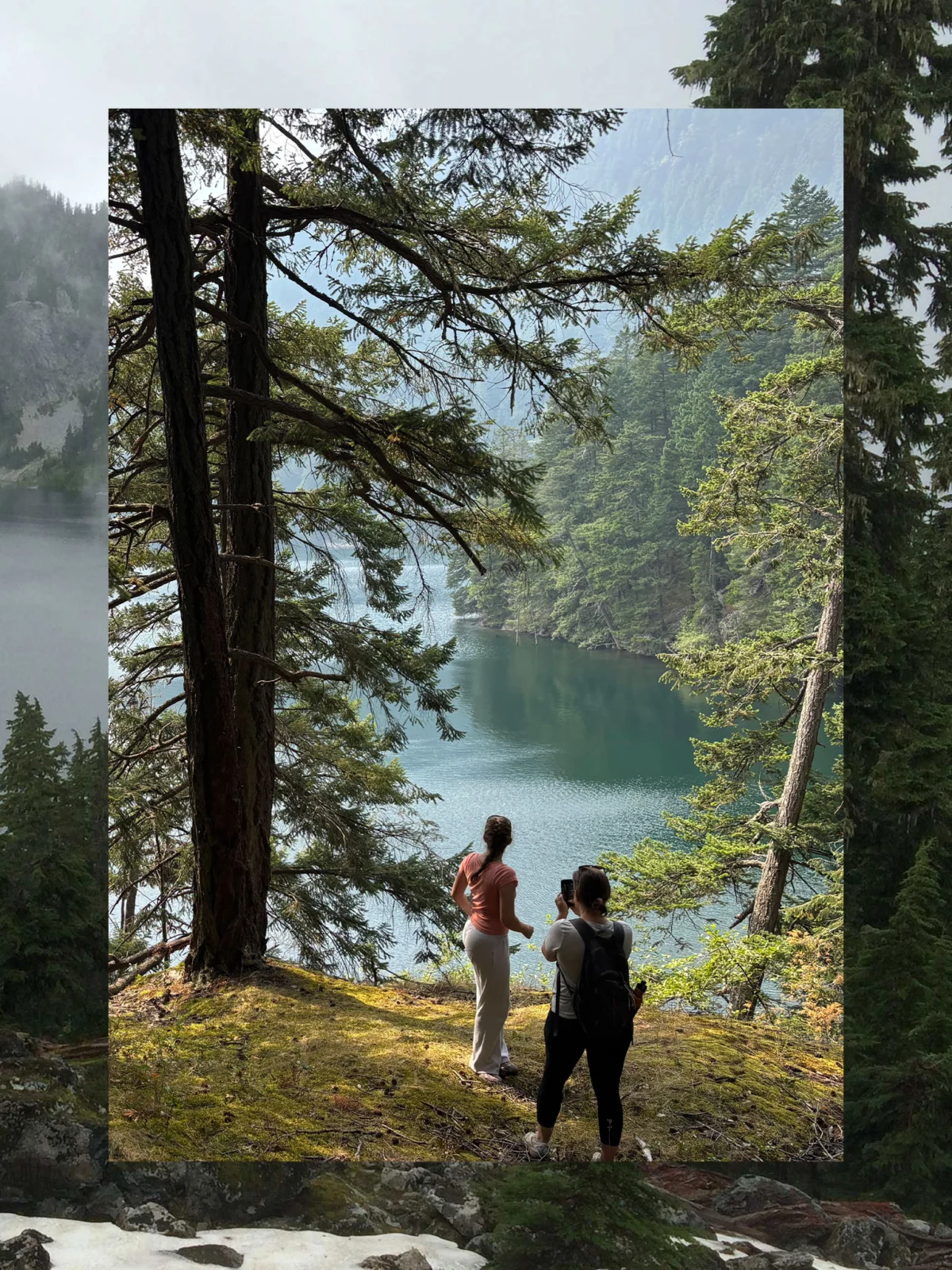
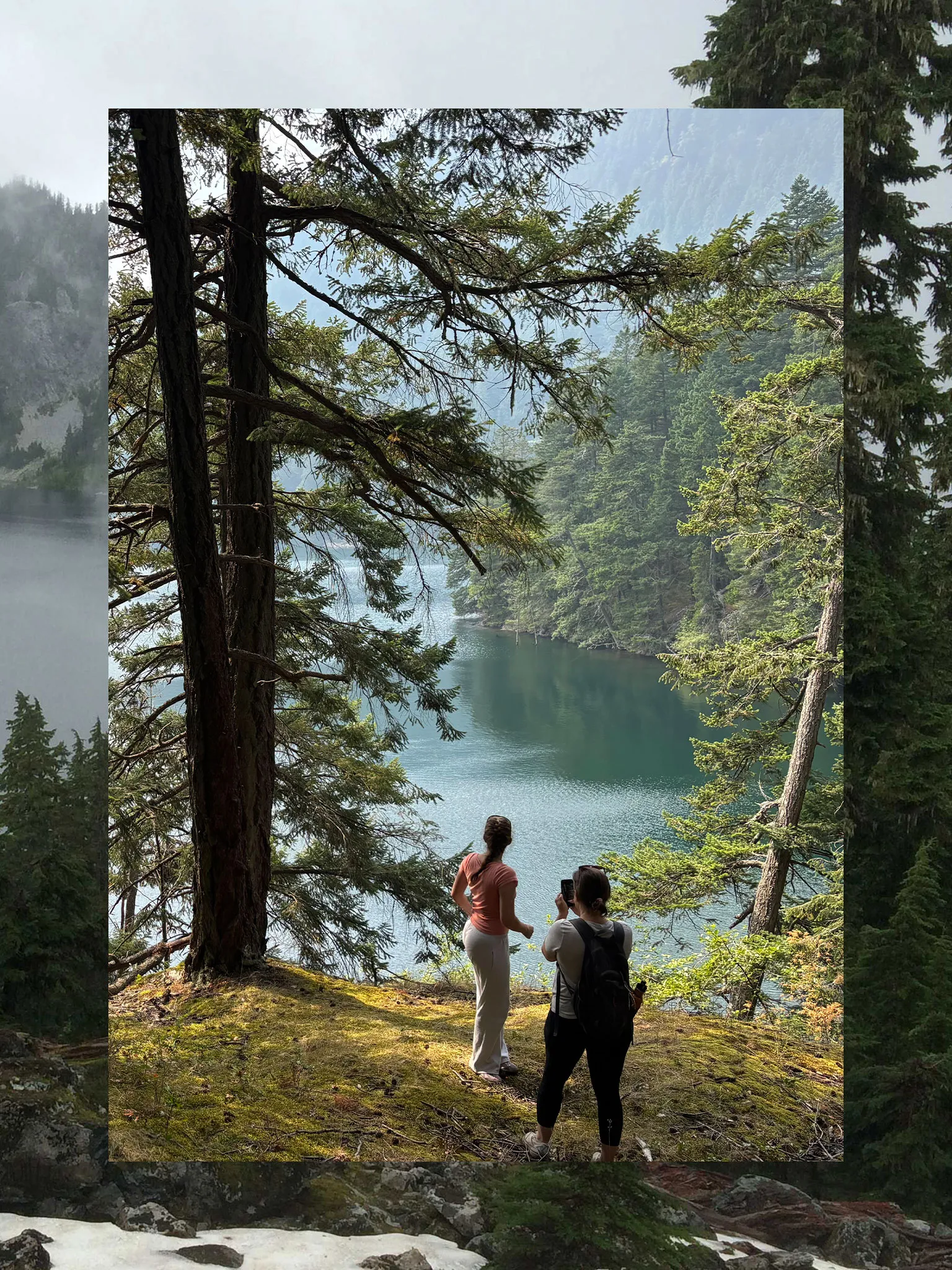
The Pacific Northwest’s traditional "Juneuary"—a cool, temperate buffer before the heat of July—is largely a relic of the past. The region, which historically maintained a low rate of residential air-conditioning, has been forced into a rapid infrastructure shift. Seattle, once proud of its status as one of the least air-conditioned major cities in the U.S., has seen a surge in HVAC installations. The threat is twofold: extreme heat and the seasonal encroachment of wildfire smoke. The loss of this temperate window is not just a meteorological shift; it is a cultural one, as the "big dark" and the subsequent pleasant summers were once the defining payoff for enduring the long, rainy winters.
The Midwest and Southeast: Humidity and Health Risks
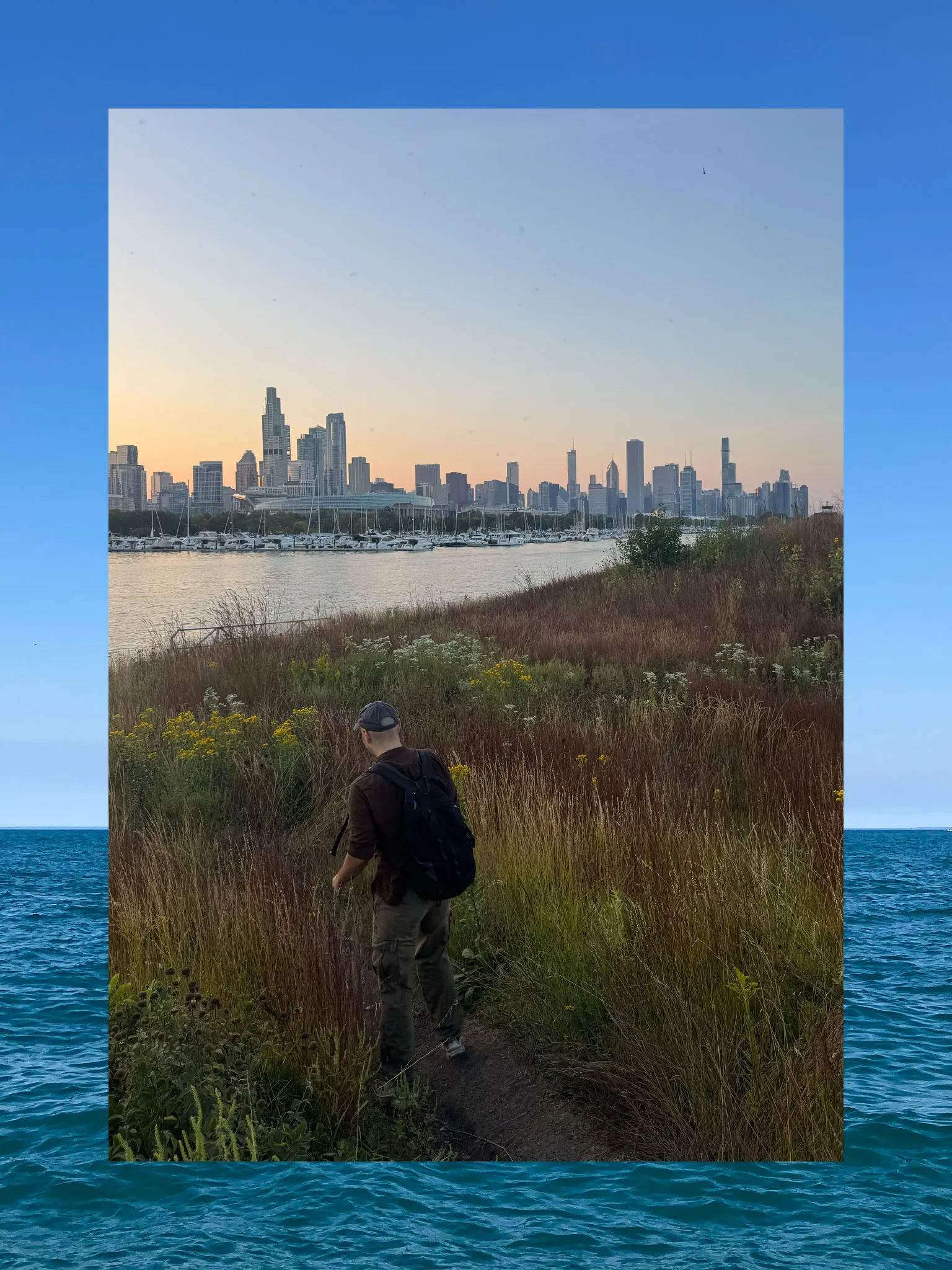
In the Midwest, particularly in Chicago, the summer of 2026 was characterized by record-breaking tornado activity and unprecedented levels of Canadian wildfire smoke. The city’s infrastructure, designed for a different climate, struggled to manage the volume of water from sudden, intense storms, pushing sewage and drainage systems to capacity. Simultaneously, in the Southeast, the agricultural sector is facing a crisis of adaptation. Farmers in the Mountain South are seeing their hardiness zones shift northward. The practice of farming, once tied to traditional lunar cycles and historical planting dates, is now dictated by a survival-based approach: planting in the shade, adopting tropical varieties, and shifting labor to nocturnal hours to avoid the debilitating heat index, which frequently exceeds 108 degrees.
Implications and Economic Consequences
The economic implications of these shifts are widespread. In Florida, the combination of rising sea levels, ocean warming, and nutrient-driven algae blooms has created a multi-front crisis. The proliferation of sargassum and toxic red tide events is not merely an environmental nuisance; it is an economic drain on coastal communities that rely on tourism. When beaches become unusable, small businesses in towns like Sanibel or Cedar Key face existential threats. Furthermore, the rising cost of energy—as families run air conditioners longer and harder to combat the heat—is creating a new form of inequality. Families in energy-inefficient housing, particularly in the South and Northeast, are disproportionately impacted by the rising cost of staying cool.
Expert Analysis and Future Outlook
Climate scientists and public health officials are increasingly framing these seasonal changes as a "public health emergency." The shift toward a "humid subtropical" classification for cities like New York, as noted by the National Climate Assessment, implies that urban planning must undergo a total overhaul. The reliance on legacy systems—whether it be the grid, water management, or housing standards—is proving to be a dangerous gamble.
From the tick-infested woods of New England, where children can no longer play in the grass without stringent safety precautions, to the drought-prone plains of the Midwest, the American summer is being rewritten. The data suggests that this is not a temporary deviation but a long-term trend. As the atmosphere holds more heat and moisture, the volatility of the season will only increase. The cultural reliance on the "perfect summer" is being replaced by a pragmatic, often stressful, management of climate risk. For many, the season is no longer defined by the freedom of the outdoors, but by the necessity of finding shelter from an increasingly hostile climate.
The response from municipal authorities has been mixed. While some cities are investing in urban heat island mitigation and better air-quality monitoring, many traditional summer events—county fairs, church picnics, and outdoor concerts—continue to be scheduled during peak heat hours without adequate cooling infrastructure. The gap between the reality of our changing climate and the persistence of our traditions is widening. As the calendar turns toward autumn, the lingering question remains: how long can the rituals of the past survive in a future defined by extreme heat? For now, the answer seems to be that we are entering an era of adaptation, where the summer is no longer a given, but a season that must be negotiated with a warming planet.
Related posts: