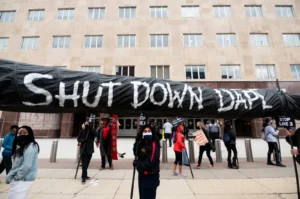
Maine Leads National Trend as First State to Pass Moratorium on Large-Scale Data Center Development


In a move that marks a significant turning point in the intersection of technology infrastructure and state-level regulation, Maine has become the first state in the United States to pass a legislative moratorium on the development of large-scale data centers. The Maine House and Senate recently approved LD 307, a bill that effectively halts the approval of any data center projects requiring 20 megawatts or more of electricity. This suspension is slated to remain in effect until at least October 2027, providing a three-year window for state officials to study the long-term impacts of these facilities on the power grid, local environments, and the broader economy.
The legislation now sits on the desk of Governor Janet Mills. While the governor has not yet publicly committed to signing the bill, the legislative momentum behind LD 307 reflects a growing national anxiety regarding the rapid expansion of the physical infrastructure required to power the artificial intelligence (AI) revolution. As Maine takes this pioneering step, analysts suggest it may serve as a blueprint for at least a dozen other states currently grappling with similar proposals.
A Strategic Pause in the Digital Gold Rush
The passage of LD 307 is not merely a local zoning dispute but a reaction to a global surge in data processing demand. The rise of generative AI, cloud computing, and high-frequency digital services has necessitated the construction of "hyperscale" data centers—massive industrial complexes filled with thousands of servers. While these facilities are the backbone of the modern internet, their physical footprint is immense.
The Maine House of Representatives passed the measure with a 79-62 vote, followed by a 21-13 vote in the Senate. The bill’s primary sponsor, State Representative Melanie Sachs, a Democrat, has characterized the moratorium as a necessary "breathing room" for the state. According to Sachs, the goal is to ensure that Maine’s regulatory framework is robust enough to handle the unique demands of these facilities before they become a permanent fixture of the landscape.
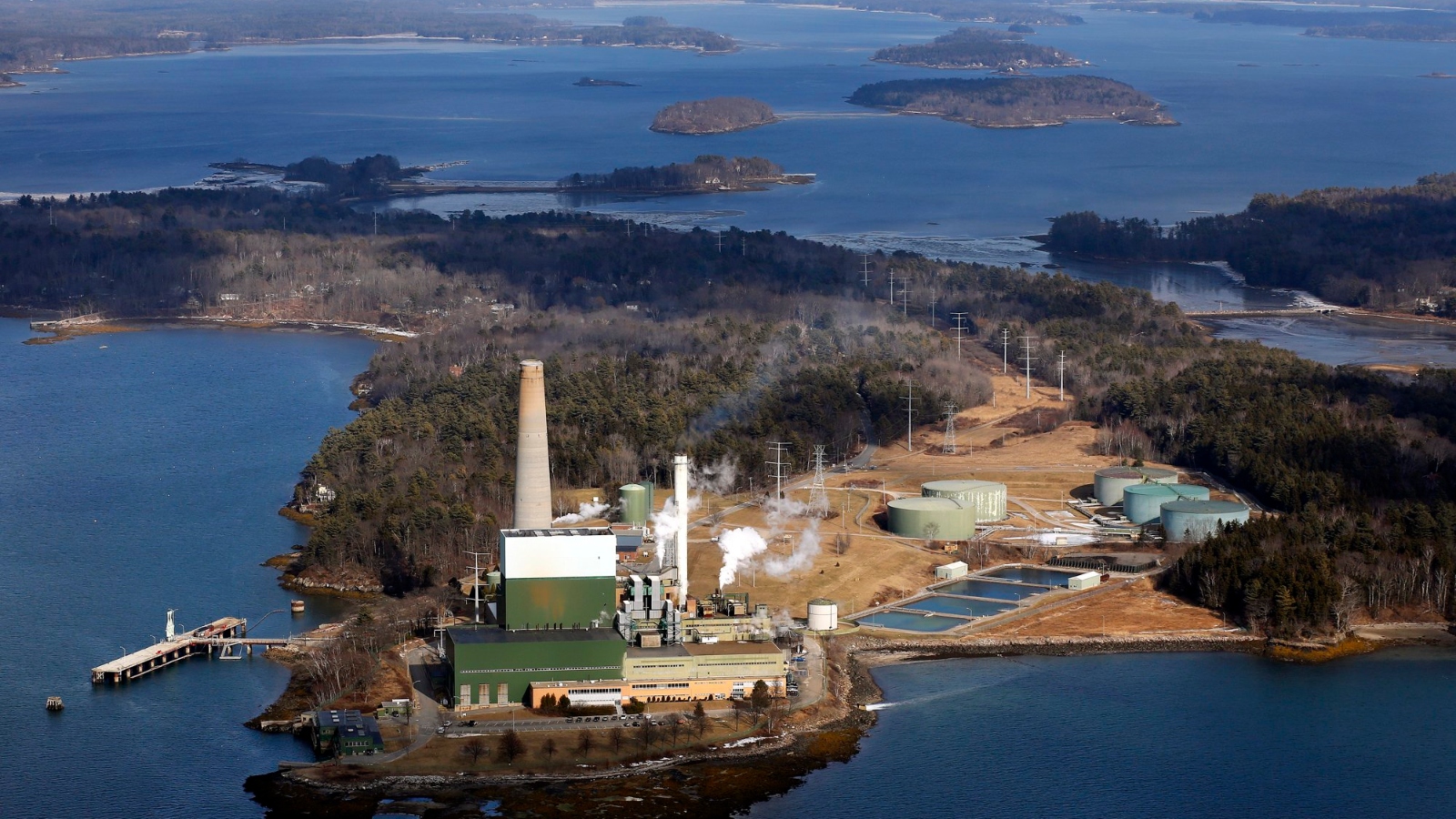
"We want to use the experiences of other states as a cautionary tale," Sachs noted during the legislative proceedings. By pausing development, Maine aims to avoid the pitfalls seen in regions like Northern Virginia’s "Data Center Alley," where rapid expansion has led to soaring electricity prices, noise complaints, and strain on water resources.
The Energy Dilemma: Gigawatts vs. Grids
To understand the scale of the concern, one must look at the energy consumption data provided by the Federal Energy Regulatory Commission (FERC). As of last year, U.S. data centers accounted for more than 50 gigawatts of electricity demand. To put this in perspective, this total is approximately double the peak demand of the entire New England power grid, which serves six states, including Maine.
A single large data center can consume as much power as a small city. The 20-megawatt threshold established by LD 307 is significant because it targets the industrial-sized facilities that pose the greatest risk to grid stability. When these "hyperscalers" connect to the grid, they require dedicated high-voltage transmission lines and substantial baseload power.
In Maine, where the transition to renewable energy is a primary policy goal, the sudden arrival of massive, 24/7 energy consumers creates a paradox. While the state seeks to decarbonize, the immediate demand from data centers often requires maintaining or even expanding fossil fuel-based power generation to ensure reliability. Furthermore, there are growing concerns that the costs of upgrading the grid to accommodate these facilities will be passed on to residential ratepayers in the form of higher monthly bills.
Chronology of the Legislative Movement
The path to LD 307 began in early 2024 as community groups in several Maine towns expressed alarm over proposed developments.
- January 2024: LD 307 is introduced to the Maine Legislature, initially focusing on environmental impact assessments for large-scale digital infrastructure.
- February 2024: Public hearings reveal a sharp divide. Environmental advocates highlight water usage for cooling systems, while tech lobbyists argue that a moratorium would signal that Maine is "closed for business."
- March 2024: The bill is amended to include a firm 20-megawatt threshold and a sunset date of October 2027. This amendment was designed to focus specifically on "hyperscale" facilities rather than smaller, local server farms.
- April 2024: The bill clears both the House and the Senate. It is currently awaiting executive action from Governor Mills.
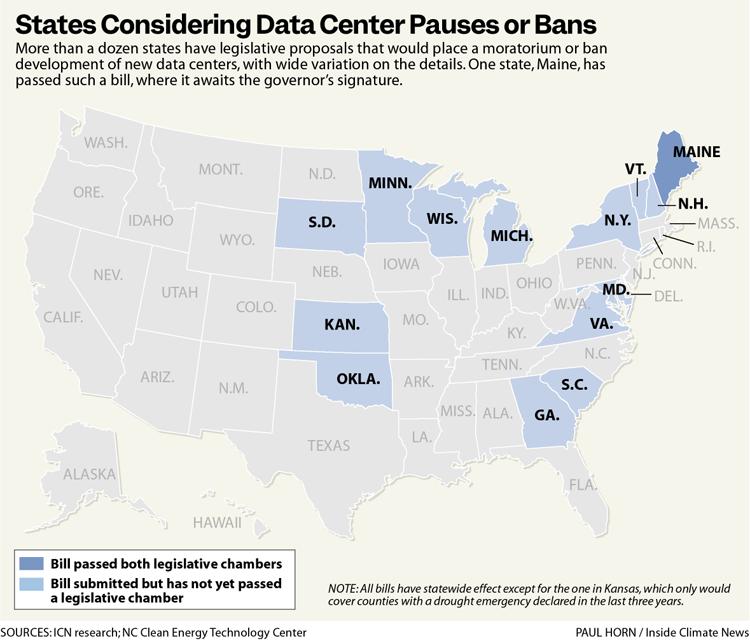
During this timeline, the debate in Maine has been mirrored across the country. Currently, 13 other states, including Minnesota and Illinois, have introduced or are considering similar legislative pauses. While Maine is the first to pass such a bill through its legislature, the trend suggests a shifting political climate where the "tech-at-all-costs" era of economic development is being replaced by a more scrutinizing, resource-conscious approach.
Economic Promise vs. Resource Reality
The opposition to LD 307, led largely by Republican lawmakers, focuses on the potential loss of capital investment. State Senator Matt Harrington argued that the moratorium could jeopardize billions of dollars in potential revenue. Specifically, Harrington pointed to communities like Sanford and Jay, where data center developers have expressed interest in repurposing defunct industrial sites.
In the town of Jay, a former paper mill site has been floated as a prime location for a data center. For a community that lost its primary economic engine when the mill closed, the prospect of a high-tech replacement is enticing. Governor Mills had previously expressed a desire for the bill to include an exemption for the Jay project, but the final version of LD 307 passed without such a carve-out.
However, critics of the data center industry point out that while the initial construction phase creates many jobs, the long-term employment benefits are often negligible. A facility costing $1 billion might only require 30 to 50 full-time employees once operational. This "job density" is far lower than that of traditional manufacturing or the paper mills that these facilities often replace.
Environmental and Social Implications
Beyond energy, the environmental footprint of data centers includes massive water consumption. Many facilities use evaporative cooling systems to prevent servers from overheating, consuming millions of gallons of water per day. In states like Arizona and Texas, this has already led to conflicts over water rights during droughts. While Maine is water-rich compared to the Southwest, the sheer volume of consumption required by a cluster of data centers could still impact local aquifers and ecosystems.

Sarah Woodbury, legislative director for Maine Conservation Voters, emphasized that the public sentiment is increasingly wary. "Voters do not want these facilities in their backyard," she stated. "In Maine, every time a community has tried to get a data center, the town has rebelled." This grassroots opposition is driven not only by environmental concerns but also by the intrusive nature of the infrastructure—massive windowless buildings, humming cooling fans, and sprawling electrical substations.
National Context and the Path Forward
The situation in Maine is part of a larger national conversation about the unregulated growth of AI infrastructure. On the federal level, U.S. Senator Bernie Sanders and U.S. Representative Alexandria Ocasio-Cortez have proposed a national moratorium on AI data centers, citing the "insatiable" energy demands of the industry and the lack of a national strategy for grid integration.
Anthony Elmo, a researcher for the watchdog group Good Jobs First, notes that the politics of data centers are evolving rapidly. While the Maine vote fell largely along party lines—with Democrats favoring regulation and Republicans favoring market-led development—opposition is becoming increasingly bipartisan at the local level. "Republicans tend to be skeptical of regulation, but they are also sensitive to local property rights and the protection of rural landscapes," Elmo observed.
As the October 2027 deadline approaches, the special council mandated by LD 307 will be tasked with answering several critical questions:
- How can the state ensure that data center developers pay their fair share for grid upgrades?
- What water-efficiency standards should be mandated for cooling systems?
- Can data centers be incentivized to use "waste heat" for local district heating or agricultural purposes?
- How does the state balance the need for digital innovation with its statutory climate goals?
Analysis of Implications
The Maine moratorium serves as a significant signal to the tech industry that the era of "blank check" development is ending. For developers, this means that future projects will likely require higher levels of transparency, more robust community engagement, and a commitment to "grid-neutral" or "water-neutral" operations.
For other states, Maine’s move provides a test case. If Maine can use this period to develop a sophisticated regulatory framework that eventually allows for responsible data center growth, it may become a leader in the "green data" movement. Conversely, if the moratorium leads to a permanent flight of investment to more permissive states, it will serve as a talking point for those who argue that environmental regulation stifles economic progress.
Regardless of the outcome, the passage of LD 307 confirms that the physical infrastructure of the internet is no longer invisible to the public or to policymakers. As the digital and physical worlds continue to collide, the battle over where—and how—our data is stored will likely become one of the defining land-use and energy issues of the decade.