The Plastic Classroom: How Industry-Sponsored Curricula are Shaping the Future of Environmental Education

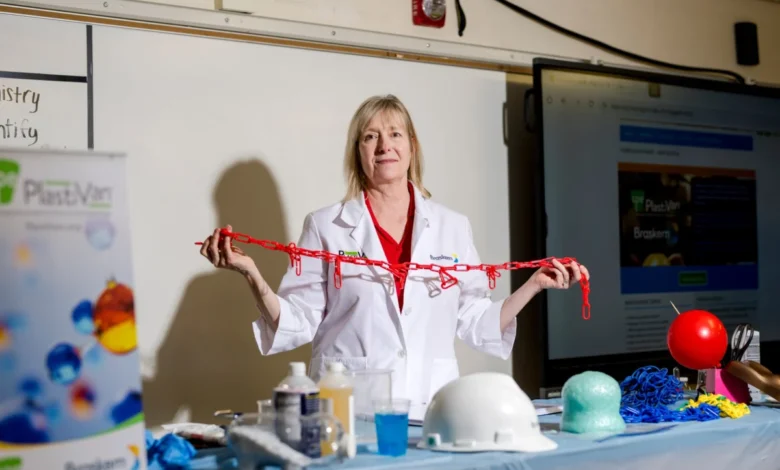
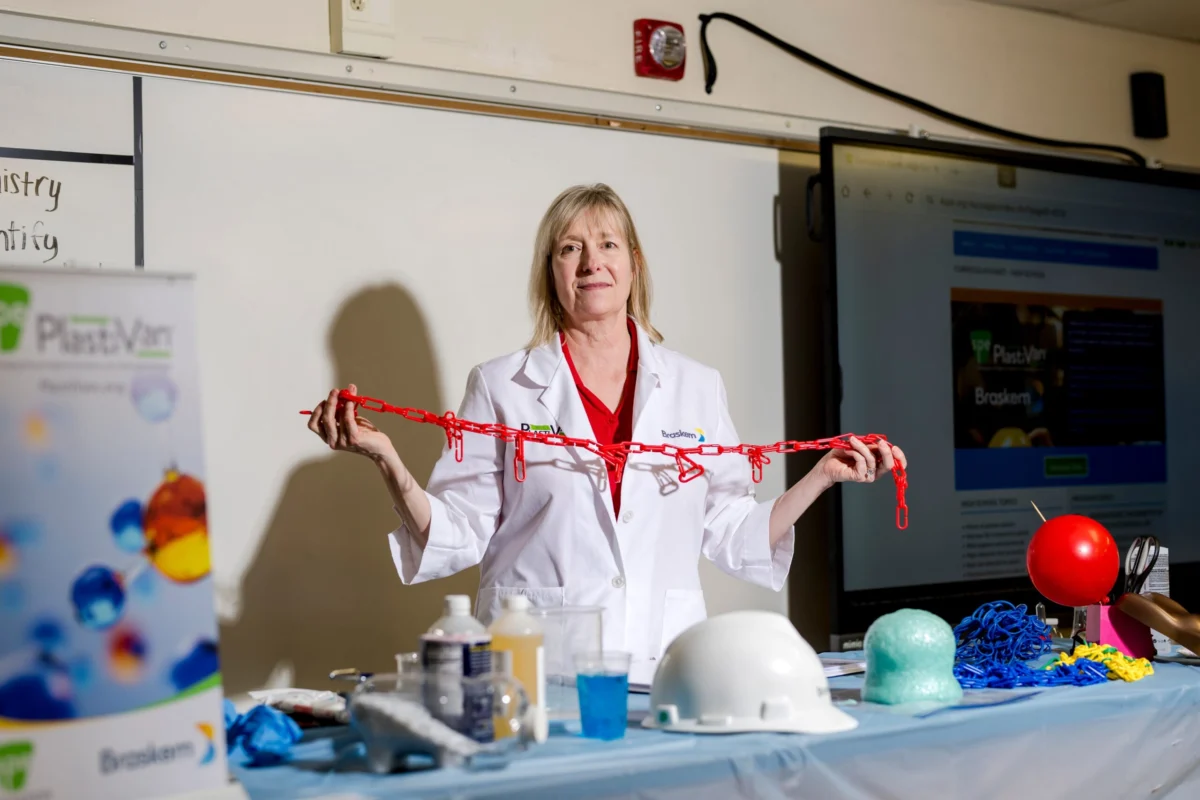
As 54 million K-12 students across the United States return to their desks this fall, they are preparing to engage with traditional subjects that have long formed the bedrock of American education: mathematics, literature, history, and the biological sciences. Yet, increasingly, these students are also encountering a new, sophisticated entrant in their textbooks and laboratory exercises: the plastics industry. A comprehensive new report from the nonprofit Plastic Pollution Coalition has brought to light a growing trend in which trade groups and chemical corporations are embedding their own corporate agendas directly into classroom materials, often under the guise of STEM (Science, Technology, Engineering, and Mathematics) education.
The report details a systemic effort by industry stakeholders to provide free or low-cost educational resources—ranging from interactive worksheets and classroom experiments to high-profile mobile programs—that prioritize the economic benefits of plastic production while largely glossing over the documented environmental and health risks associated with the material.
A History of Industry Influence
The insertion of corporate narratives into public education is not a novel phenomenon, but the tactics have become more refined. For decades, industries ranging from tobacco to fossil fuels have viewed the classroom as a strategic space for brand loyalty and public relations. In the case of the plastics industry, the objective appears to be shifting the narrative from one of pollution and waste to one of innovation and essential utility.
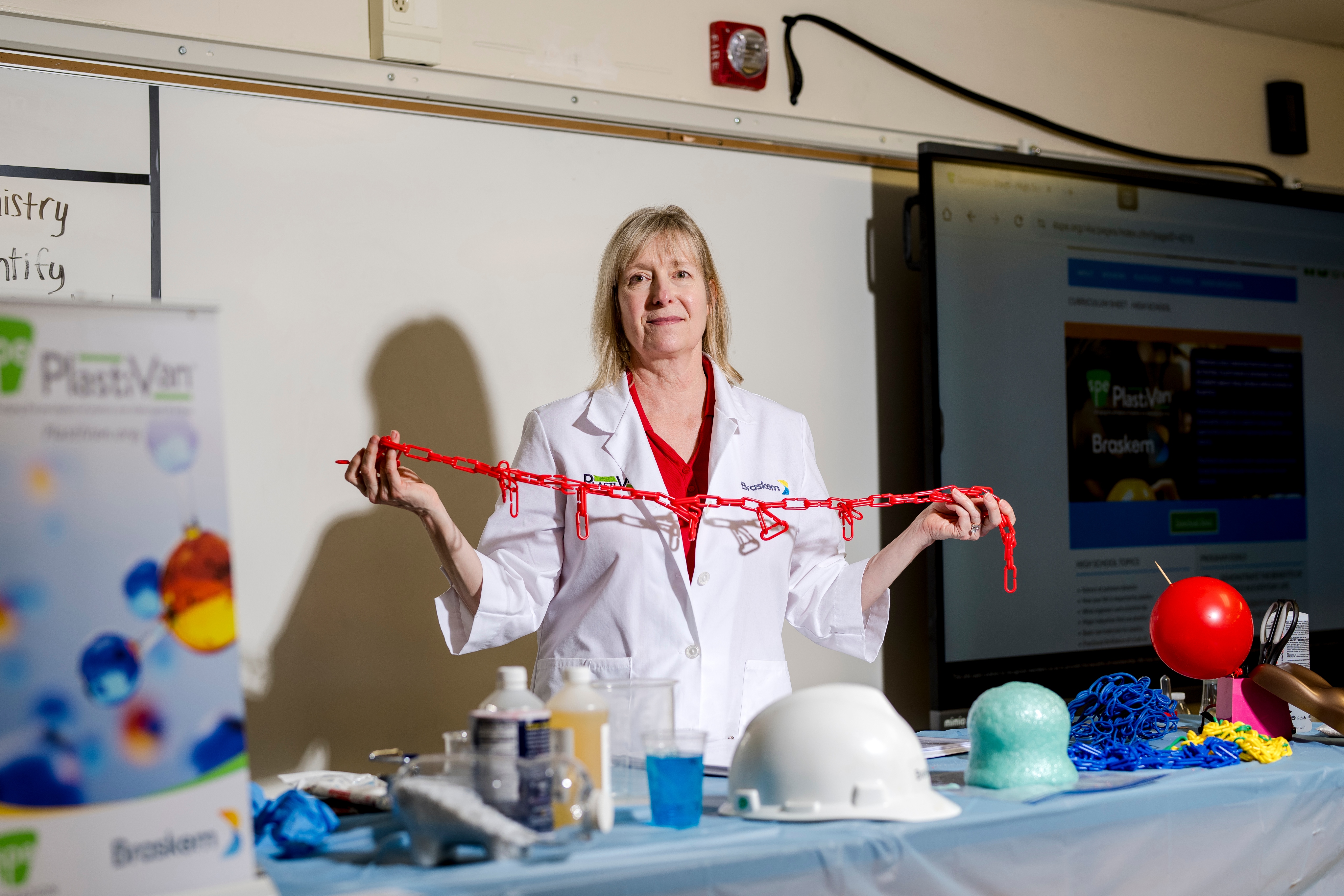
The chronology of this trend dates back to at least the early 2000s. Between 2009 and 2011, plastics trade associations engaged in direct lobbying efforts with the California Department of Education, attempting to influence textbook content to include sections highlighting the "advantages of shopping bags." This strategy has since evolved into more immersive experiences. Since 2011, the "PlastiVan" initiative—a traveling laboratory program managed by the Society of Plastics Engineers (SPE)—has reached over 132,000 students. The program’s stated goal is to teach the science behind plastics, but its messaging frequently emphasizes the industry’s contributions to modern life and career pathways in manufacturing.
The Mechanism of Classroom Integration
The materials distributed by these entities often claim to support national STEM standards, yet they frequently fail to provide the rigorous alignment metrics expected in educational curricula. Instead, they utilize industry-specific jargon—terms such as "thermosetting" or "stretch blow molding"—to lend a veneer of academic authority to lessons that are, at their core, promotional.
One notable example highlighted in the report involves the American Association of Chemistry Teachers, which is funded by the Dow Chemical Company. A lesson plan provided by the association tasks students with testing the strength of various plastic bags, ultimately asking them to "pretend you are an employee for Dow Chemical Company" while designing a product for a client. By placing students in the role of corporate employees, the curriculum normalizes the industry’s business model as a standard of success, rather than encouraging an objective scientific evaluation of the environmental lifecycle of the materials being tested.

Similarly, the SPE Foundation employs activities such as "plastic scavenger hunts," which are designed to impress upon students the "ubiquity" of plastics and their indispensable nature in personal life. While these activities are presented as objective science, they act as a conduit for industry talking points, focusing on recycling as the definitive solution to waste, while largely ignoring the systemic challenges that limit its effectiveness.
Data vs. Narrative: The Reality of Plastics
The disconnect between industry-provided materials and scientific consensus is stark. While many classroom programs emphasize recycling as a primary solution to plastic waste, data from the Organization for Economic Co-operation and Development (OECD) indicates that only 9 percent of all plastic waste is successfully recycled globally. Scientists have repeatedly warned that the current rate of plastic production growth renders recycling an ineffective strategy for mitigating the environmental crisis.
Furthermore, the environmental and health impacts of plastic are significant and well-documented. Beyond the widely publicized harm to marine ecosystems, the lifecycle of plastic involves the release of greenhouse gases during production, the potential for clogging essential urban storm drains, and the exposure of populations to hazardous chemicals. Despite this, industry-sponsored materials often frame the problem as a matter of "irresponsible consumer behavior," deflecting responsibility away from the manufacturers and onto the end-user.
The Vulnerability of Public School Districts
The success of these initiatives is often attributed to the chronic underfunding of U.S. public schools. Educators, faced with limited budgets and high pressure to provide hands-on lab experiences, are often forced to choose between industry-provided "freebies" and no lab materials at all. This creates a difficult position for teachers, who may lack the time or the specialized resources to vet every handout for potential "greenwashing."
The impact is most visible in regions near large petrochemical hubs. In Beaver County, Pennsylvania, for instance, Shell has integrated its influence into the local educational fabric. Following the construction of a massive 386-acre plastics production complex, the company has invested millions into school curricula, provided supplies, and even funded a basketball court—actions that appear linked to the adoption of plastics-focused recycling programs in local classrooms.
Perspectives on Regulation and Academic Freedom
The Plastic Pollution Coalition is now advocating for stricter policies at the school board level to prohibit industry-sponsored educational materials. They argue that if these corporations were not providing these materials, schools would be forced to seek out—and likely receive—the necessary funding for unbiased educational resources.
However, the path forward is a subject of debate among educators. Katie Allen, executive director of the environmental nonprofit Algalita, suggests that a blanket ban on industry-sponsored content might be a step too far. Allen argues that teachers should be trusted to exercise professional judgment. "Once you start banning one thing, where does it end?" she asks, suggesting that such materials could even be used as case studies to teach students critical-thinking and media literacy skills, helping them identify bias in real-world texts.
Others, like environmental educator Suzie Hicks, emphasize the importance of using materials from non-industry-aligned nonprofits. Organizations such as The Story of Stuff provide curricula that examine the environmental and social costs of production, which Hicks argues are more reliable because these entities are not attempting to sell a specific product or commodity.
Looking Toward a Systemic Solution
The debate ultimately points to a broader crisis in the American education system. When the burden of providing high-quality, scientifically sound, and unbiased teaching materials is left to private industry, the integrity of the classroom is compromised.
Advocates for reform suggest that the solution lies in a structural overhaul of how schools are funded. By eliminating tax breaks for petrochemical processing and redirecting those funds to public education, local communities could generate the capital necessary to purchase independent, peer-reviewed educational materials.
For many teachers, the most effective way to engage students remains experiential learning. Jacqueline Omania, a veteran educator in Berkeley, California, demonstrated that it is possible to teach the reality of the plastics crisis without industry input. By turning her classroom into a "zero-waste laboratory," Omania taught students how to minimize their plastic use through collective action, such as replacing disposable glue sticks with communal supplies.
As the debate continues, the fundamental question for school boards remains: what is the purpose of the science classroom? If it is to cultivate the next generation of critical thinkers, then the materials presented to them must be subject to the same rigorous scrutiny as the science they are designed to teach. Until that standard is universal, the influence of the plastics industry in the classroom will remain a contentious, and highly visible, feature of the modern educational landscape.