The Erosion of Industrial Safety: The Dismantling of the HON Rule and the Future of Cancer Alley

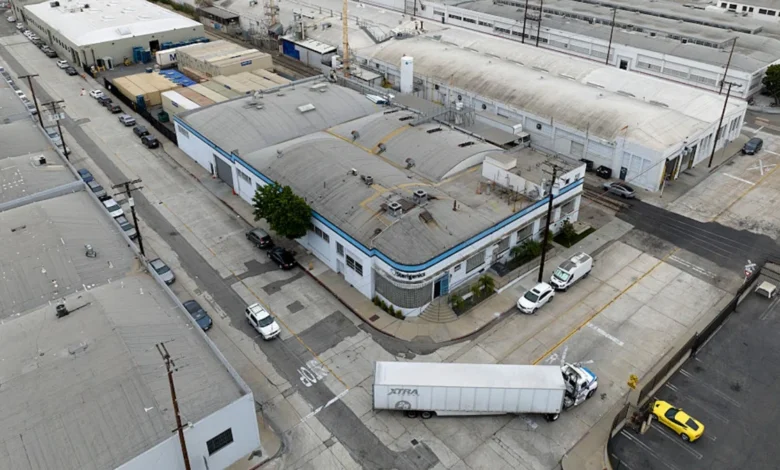
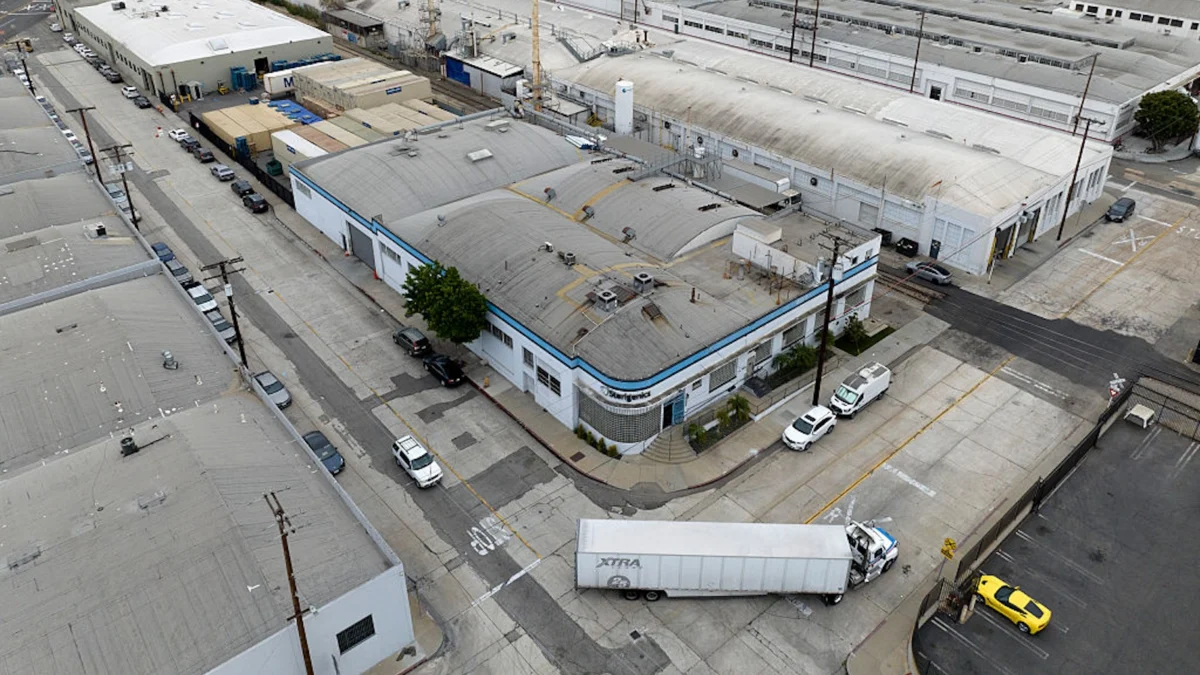
In April 2024, the United States Environmental Protection Agency, under the direction of Administrator Michael Regan, finalized a landmark regulatory update known as the Hazardous Organic National Emission Standards for Hazardous Air Pollutants, or the HON rule. For residents of the 85-mile stretch along the Mississippi River between Baton Rouge and New Orleans—a region grimly dubbed Cancer Alley—the move represented a historic victory. The rule was designed to compel over 200 petrochemical plants to upgrade antiquated pollution control technology, implement fenceline monitoring, and curb the release of carcinogenic compounds such as ethylene oxide, chloroprene, and benzene.
Yet, in the time since President Donald Trump began his second term, the regulatory framework governing the petrochemical industry has undergone a radical transformation. Through a series of executive actions and administrative pivots, the EPA has moved to systematically unravel the protections established by the Biden administration, replacing them with a policy of broad industrial exemptions. This shift has ignited a firestorm of legal and ethical debate, pitting the health of frontline communities against the administration’s stated goals of bolstering domestic manufacturing and ensuring national security.
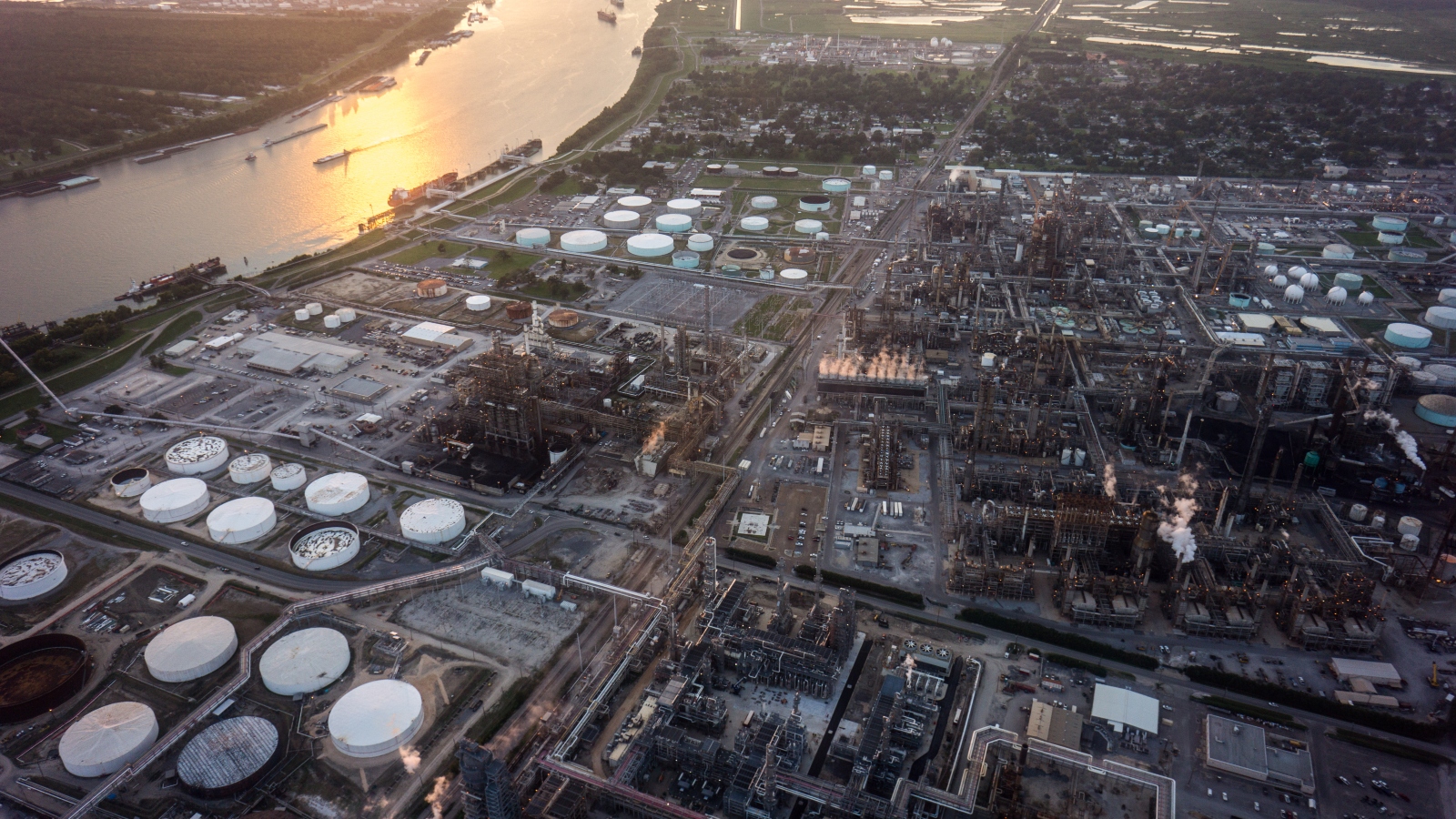
The HON rule was not an isolated policy; it served as a cornerstone of a broader, ambitious effort to modernize air toxics regulations that had languished for decades. While emissions standards for vehicles and power plants were modernized throughout the early 21st century, the hazardous air pollutants emitted by the petrochemical sector remained subject to weaker, outdated standards. The 2024 regulation aimed to rectify this by targeting six primary pollutants, mandating real-time fenceline monitoring, and—crucially—closing a loophole that had historically allowed facilities to bypass emissions standards during startup, shutdown, and malfunction periods. These periods often coincide with extreme weather events, which are becoming more frequent due to climate change, leading to massive, unmonitored releases of toxins into neighboring residential areas.
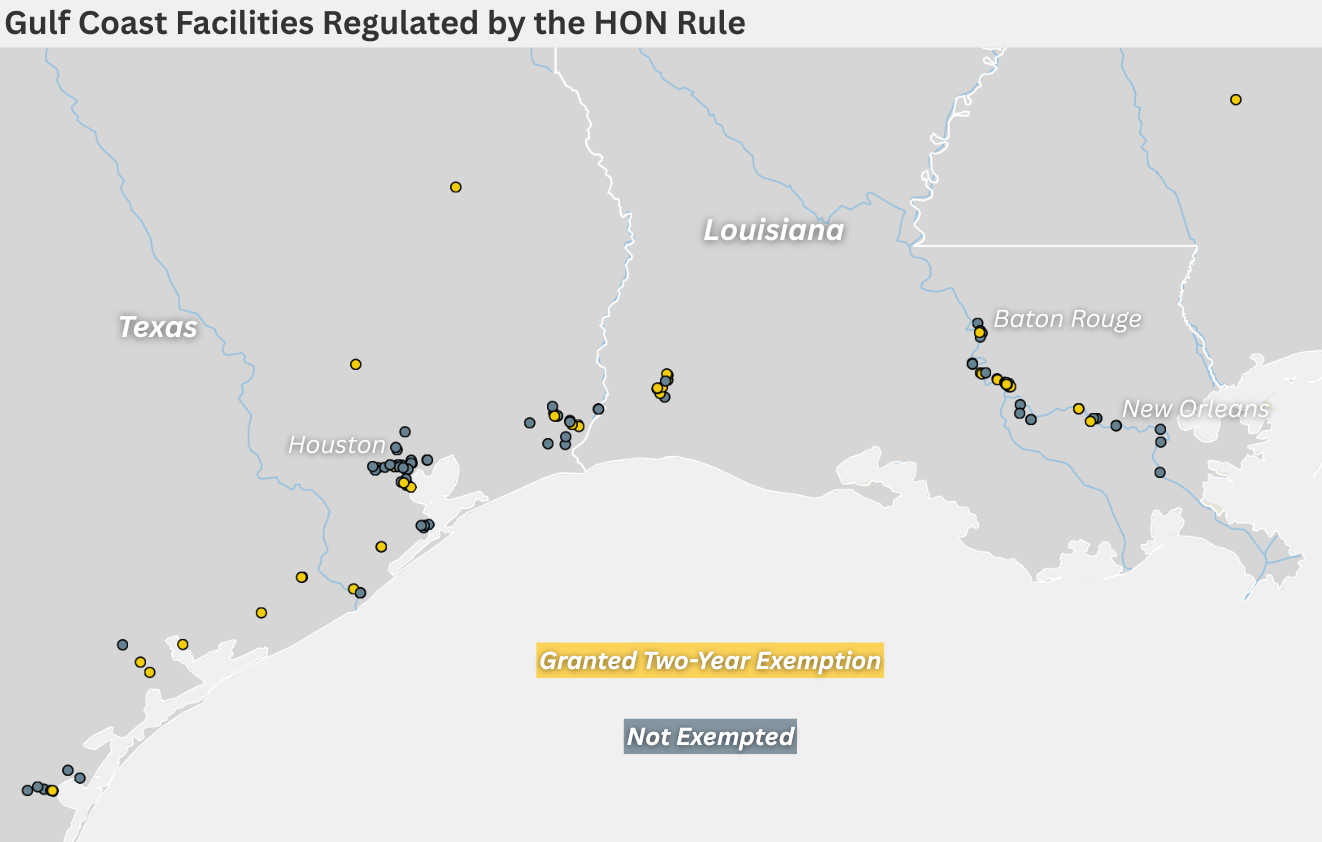
The administration’s reversal began in early 2025. Invoking a rarely used provision of the Clean Air Act, President Trump granted two-year exemptions to more than 50 petrochemical facilities. In July 2026, he extended this relief to 20 additional plants, while simultaneously signaling that the EPA would propose a total rewrite of the rule by the end of the year. The administration justifies these moves under the banner of "national security," arguing that the stringent requirements of the HON rule imposed an unrealistic burden on the chemical supply chain. Proponents of this relief suggest that by prioritizing domestic chemical manufacturing, the administration is insulating the U.S. economy from foreign volatility. However, legal experts and environmental advocates point out that the administration has failed to provide empirical evidence linking these specific environmental regulations to a threat to national security.
The legal fallout was immediate. In October 2025, a coalition of advocacy groups, including the Concerned Citizens of St. John—a group led by local residents who have long fought the industrial encroachment on their health—filed a lawsuit in the U.S. District Court for the District of Columbia. The plaintiffs argue that the exemptions are a pretext for deregulation, asserting that the administration is effectively circumventing the standard administrative rulemaking process by granting blanket waivers without the required scientific justification. Annie Fox, a staff attorney at the Clean Air Council, noted that the Clean Air Act is designed to permit exemptions only in extreme, evidence-backed scenarios, not as a standard tool for industrial policy.
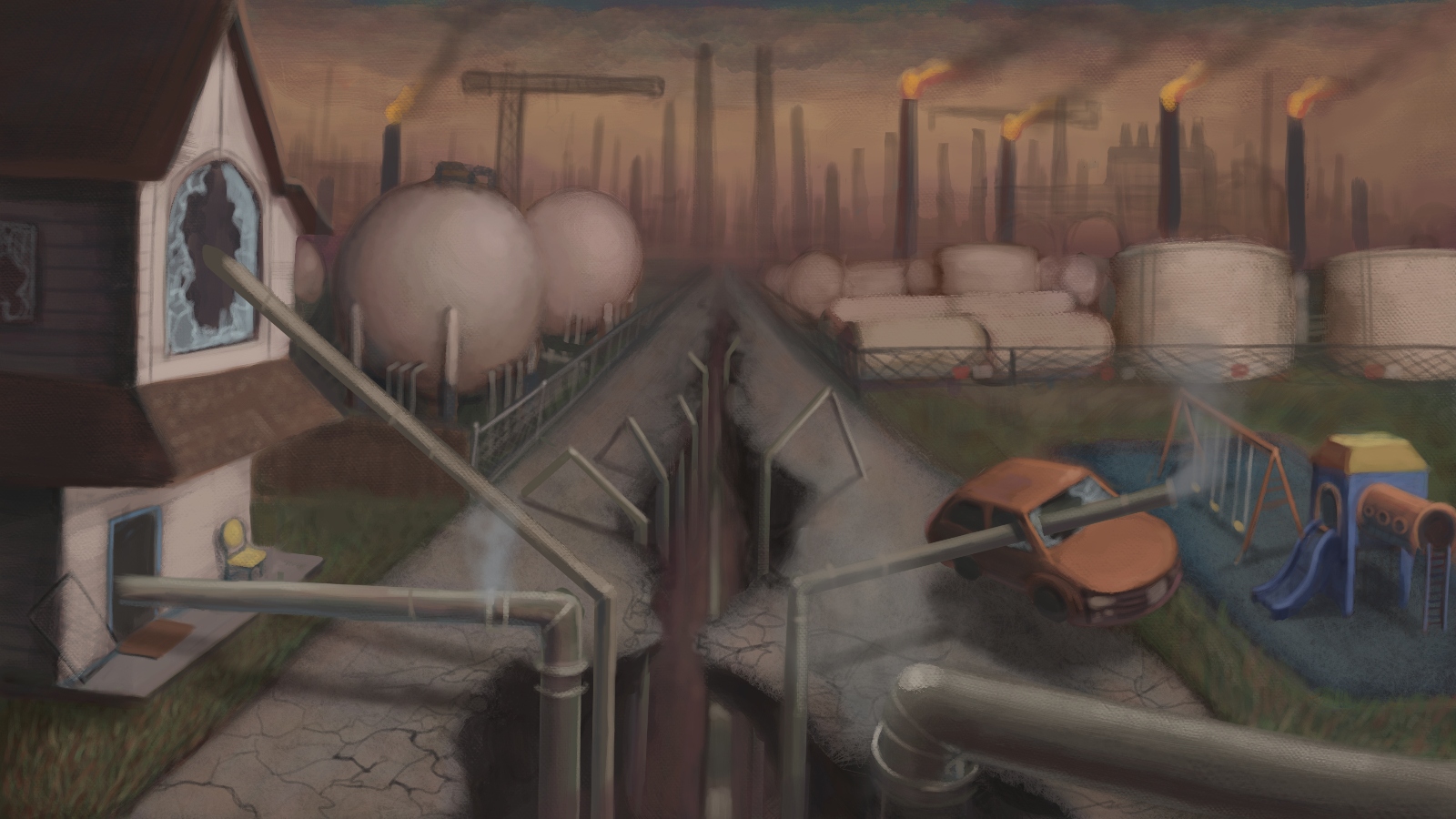
The human impact of these policy shifts is concentrated in neighborhoods like St. John the Baptist Parish, where the risk of cancer from air pollution is estimated to be nearly 50 times the national average. Epidemiologists, including Tracey Woodruff of Stanford University, emphasize that the chemicals in question—such as ethylene oxide and chloroprene—are well-documented carcinogens. "We have known about the toxicity of these compounds for decades," Woodruff stated. "The delay in regulating them, followed by the current move to dismantle these protections, is a profound failure of public health policy."
The implications extend far beyond Louisiana. The petrochemical industry is a massive, decentralized engine of the American economy, with major production hubs in Texas, Kentucky, Tennessee, and the Ohio River Valley. By rolling back the HON rule, the EPA has effectively signaled a departure from the "precautionary principle" that previously governed the assessment of industrial risk. Furthermore, the administration’s rollback of the Risk Management Program (RMP) has compounded the anxiety of frontline communities. The RMP updates, which had empowered workers to halt dangerous operations and mandated increased public transparency regarding chemical inventories, are currently being stripped away. The removal of a public-facing data tool that allowed residents to track nearby chemical accidents and safety protocols has further obscured the risks posed by these industrial giants.
The industry response, led by the American Chemistry Council, remains firmly in support of the current administration’s trajectory. The trade group has long characterized the 2024 HON rule as "overly stringent" and "technologically unachievable" within the mandated timelines. They argue that the Biden-era regulations disregarded the operational realities of complex chemical manufacturing and placed the U.S. at a competitive disadvantage globally. The EPA, in its formal responses, has echoed this sentiment, suggesting that while they aim to minimize exposure, the priority must be on maintaining a robust, cost-effective industrial base that can secure the nation’s supply of essential goods, from medical plastics to household detergents.
However, the reversal is not limited to the HON rule. The EPA has also moved to rescind or revise at least eight other major air toxics rules, including those targeting steelmaking, tire manufacturing, and copper smelting. This broad-based regulatory retreat represents a departure from the scientific consensus that has guided EPA policy for decades. Critics within the agency, as well as external observers, point to the staffing of high-level EPA positions with former industry lobbyists as evidence of a "captured agency" that is prioritizing corporate interests over public health outcomes.
As the legal battle winds through the federal court system, the communities in Cancer Alley are left in a state of precarious uncertainty. For activists like Sharon Lavigne, who has spent years documenting the health decline of her neighbors, the administration’s actions are more than just policy changes—they are a direct threat to the survival of her community. The pen given to her by Michael Regan during the 2024 signing ceremony remains on her desk, a symbol of a promise that was made and subsequently broken.
Looking ahead, the consequences of this rollback will likely manifest in long-term public health data. The reduction of fenceline monitoring and the loosening of emissions standards will undoubtedly lead to higher concentrations of carcinogens in the air, the effects of which will be felt for generations. The debate over the HON rule has become a proxy for a larger national question: to what extent should the economic benefits of domestic manufacturing outweigh the fundamental right of citizens to breathe clean air and live in communities free from the threat of preventable, industrial-scale disasters?

The administration’s current path suggests a prioritization of industrial output, while the growing coalition of plaintiffs and environmental justice advocates is doubling down on the premise that no economic sector should be exempt from the basic requirements of safety and accountability. As the legal challenges continue, the fate of the HON rule will likely remain a central point of contention in American environmental law, serving as a bellwether for the future of regulatory oversight in a polarized political climate. For now, the "Cancer Alley" corridor remains a landscape of industrial might and profound health vulnerability, waiting to see whether the promise of regulation will ever be fully restored, or if the current era of deregulation will leave a permanent mark on the health of the nation.
Related posts: