Fiber Optic Sensing Technology Revolutionizes Glaciology and Early Warning Systems for Climate-Related Disasters

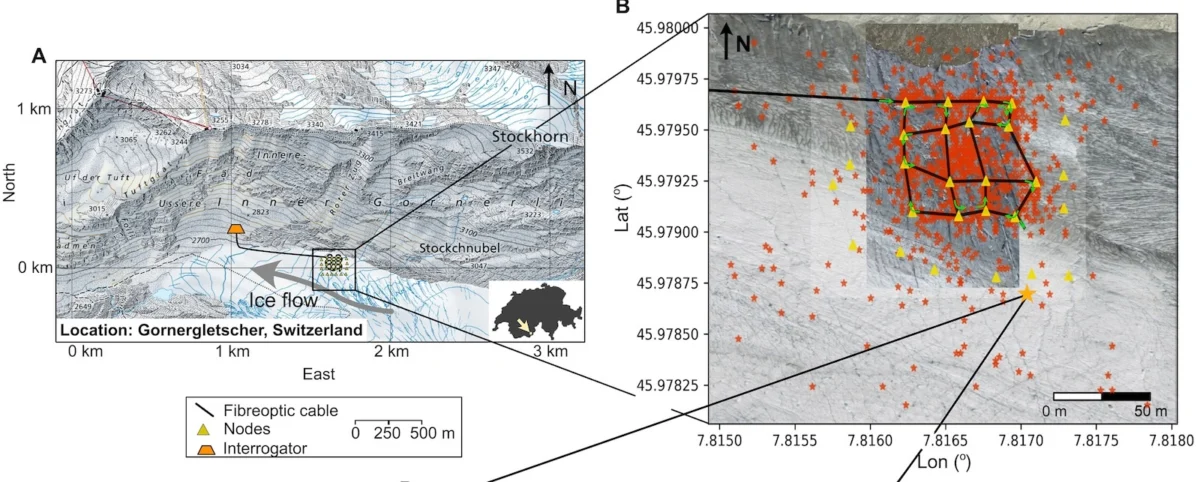
The scientific community is currently witnessing a paradigm shift in environmental monitoring, driven by an unassuming technology: distributed acoustic sensing (DAS). While fiber optic cables have long been synonymous with high-speed internet and telecommunications, they are now being repurposed as sophisticated, high-resolution seismic arrays. By leveraging the physical properties of light scattering within glass fibers, researchers can transform miles of standard telecommunications cabling into thousands of individual motion sensors. This technological evolution is providing unprecedented clarity into the mechanics of glacial retreat, hydrofracturing, and the destabilization of massive ice sheets, offering a new, data-dense lens through which to view the impacts of a warming planet.
The Mechanics of Light and Seismic Data
At the heart of DAS technology lies the interrogator—a specialized device capable of firing rapid laser pulses into a fiber optic strand. As these pulses travel through the cable, microscopic imperfections in the glass cause a minute fraction of the light to backscatter. When a vibration or strain occurs along the path of the cable, it subtly alters the length of the fiber, which in turn shifts the timing and frequency of the returning light.
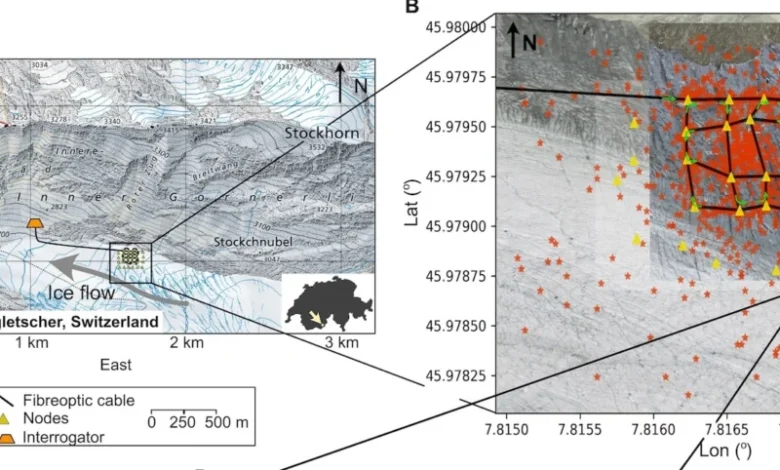
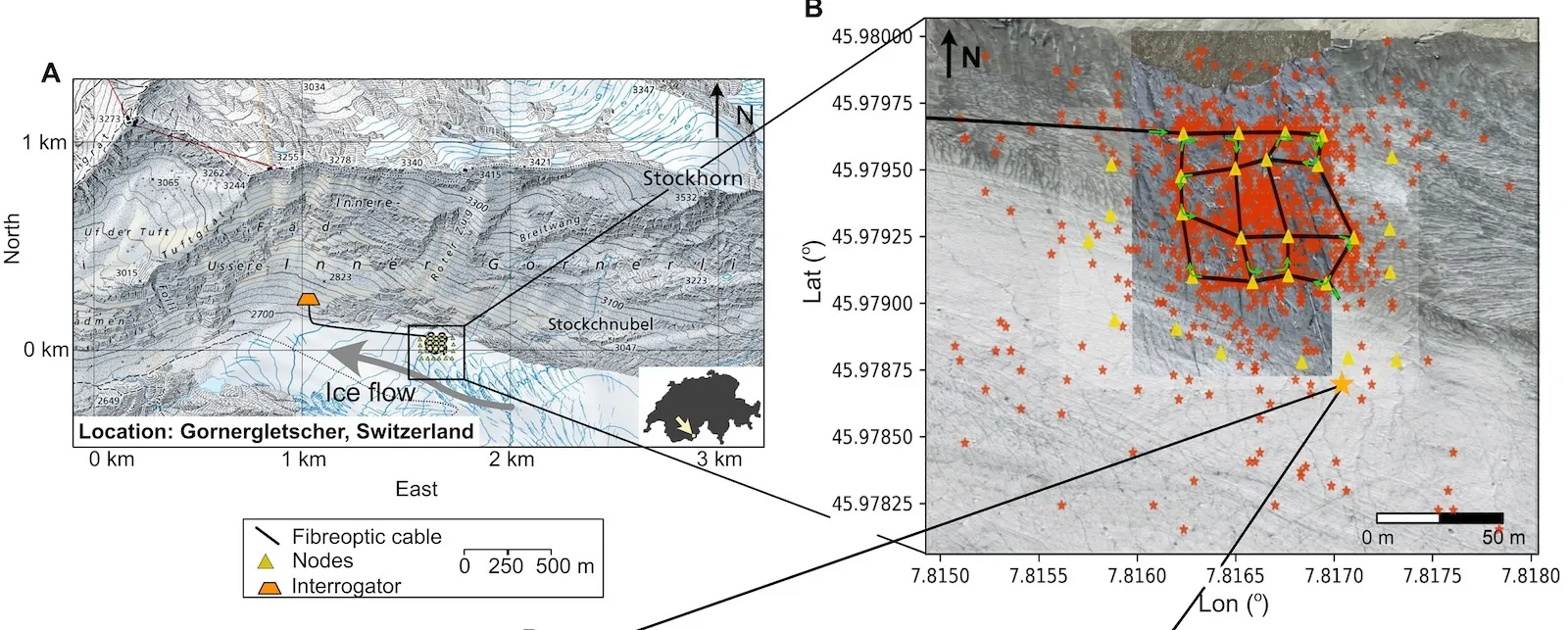
By analyzing these precise changes, geophysicists can detect seismic events, from the subtle vibrations of human footsteps to the profound, deep-seated rumblings of tectonic shifts or volcanic activity. In a recent deployment on a Swiss alpine glacier, a research team led by Thomas Hudson of ETH Zurich utilized this capability to create a high-density grid of sensors. Unlike traditional seismometers, which provide isolated data points that are often logistically difficult to maintain in hazardous, shifting terrain, the fiber optic grid acts as a continuous, linear sensor array. This setup allows researchers to pinpoint the exact location, timing, and magnitude of "icequakes"—the seismic signatures of internal fractures—with a spatial resolution that was previously unattainable in remote glacial environments.
Unveiling the Hydrofracturing Process
The Swiss study, recently published in the journal Science Advances, sheds critical light on a phenomenon known as hydrofracturing. As global temperatures climb, surface ice undergoes melting, creating pools of liquid water. Because liquid water is denser than solid ice, it exerts immense pressure when it infiltrates crevasses. This process does not merely melt the ice from the top down; it actively pries the glacier apart from within.
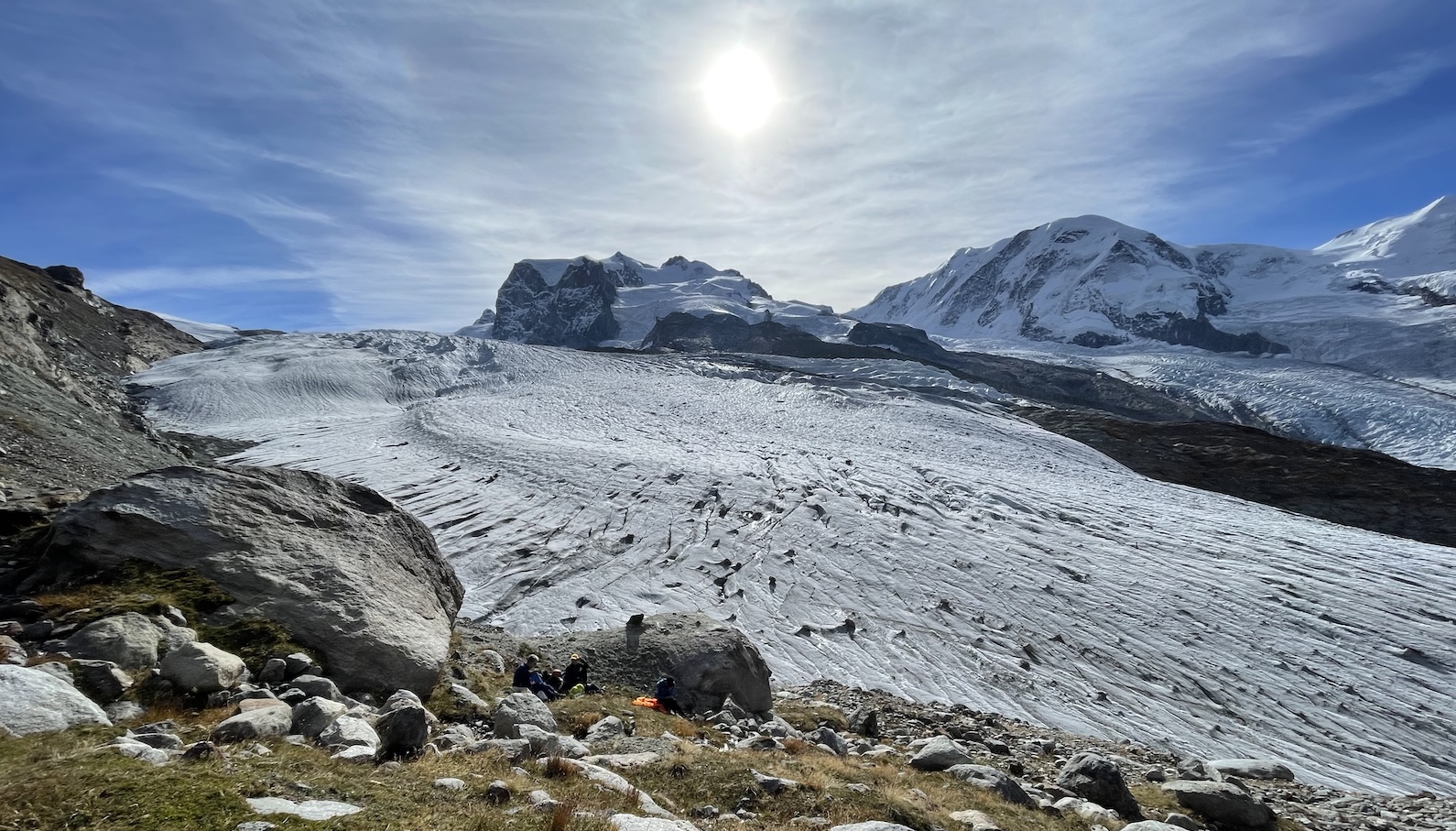
Before the implementation of DAS, researchers relied on sparse, surface-level observations to infer the health of a glacier. The new findings indicate that these internal fractures are far more pervasive than previously modeled. By capturing more than 1,000 icequakes in a single week of field testing, the ETH Zurich team demonstrated that meltwater penetration creates a complex, self-reinforcing cycle of structural degradation. As cracks deepen and widen due to hydraulic pressure, the glacier’s structural integrity is compromised, accelerating the rate at which it calves and retreats.
Chronology of Technological Integration
The transition of DAS from a tool used primarily for seismic and industrial monitoring to a centerpiece of climate research has occurred rapidly over the last decade:
- 2015–2018: Early experiments proved that DAS could detect volcanic tremors and earthquake swarms, proving the technology’s durability in extreme environments.
- 2023: Researchers began deploying fiber optic cables on seafloors near Greenlandic glaciers, providing the first real-time data on how underwater ice structures interact with warming ocean currents.
- 2025: The ETH Zurich team completed their grid-based deployment on a Swiss alpine glacier, demonstrating the ability to map sub-surface fractures in three dimensions.
- 2026: Emerging research began connecting these findings to larger-scale disasters, such as the catastrophic flash floods in Nepal, suggesting that early warning systems could eventually be built around this infrastructure.
Data-Driven Implications for Global Stability
The implications of this technology extend far beyond the Swiss Alps. The same mechanisms of hydrofracturing and structural failure are at play in the massive ice shelves of Antarctica and Greenland. In Antarctica, the situation is compounded by "underwater storms"—turbulent water currents that erode the undersides of ice shelves, removing the insulating layer of cold, dense water that once protected the ice from thermal decay.
The data provided by DAS is critical because it quantifies the "depth of vulnerability." By understanding how deep these fractures penetrate, scientists can refine their projections for sea-level rise. Current climate models often struggle to account for the non-linear, rapid collapse of ice sheets; the high-fidelity data from fiber optic sensors provides the empirical grounding necessary to improve these models.
Furthermore, the economic and logistical advantages of DAS are significant. Traditional seismic networks in remote areas are prone to failure and require expensive, frequent battery and maintenance cycles. Fiber optic cables are relatively inexpensive and can be left in place for years, delivering a constant, real-time stream of data to laboratories thousands of miles away. This logistical ease makes it feasible to monitor glaciers that threaten critical infrastructure, including mountain-pass transit lines and downstream villages prone to glacier-lake outburst floods.
The Challenge of Early Warning Systems
While the potential for an early warning system is immense, the transition from data acquisition to disaster prevention remains a significant hurdle. Thomas Hudson and his colleagues acknowledge that detecting a signal is only the first step. The "last mile" of disaster mitigation—communicating this information effectively to at-risk populations and triggering appropriate safety protocols—requires a level of interdisciplinary coordination that does not yet exist on a global scale.
For regions like the Himalayas, where catastrophic flash floods caused by glacial instability have become increasingly frequent, the deployment of DAS could be a life-saving advancement. However, the scientific community remains cautious. Detecting a precursor to a collapse is a feat of engineering; predicting the exact moment of failure is an entirely different scientific challenge. The goal is to move from reactive observation to predictive modeling, where the seismic "hum" of a glacier provides enough warning to evacuate vulnerable areas long before a catastrophic event occurs.
Broader Environmental Context
The integration of fiber optics into Earth science is occurring against a backdrop of increasing environmental volatility. As nations like Michigan and others globally invest in infrastructure for a clean energy transition, the need to monitor the physical consequences of climate change becomes more urgent. The research into Swiss glaciers is essentially a microcosm of the larger, global effort to quantify the rate of cryospheric loss.
As the scientific community continues to refine the use of DAS, it is likely that existing telecommunications networks will play an increasingly important role in environmental surveillance. In some cases, "dark fiber"—unused fiber optic strands—could be activated to monitor local seismic activity, turning the world’s digital backbone into a global nervous system for planetary health.
Ultimately, the power of DAS lies in its ability to make the invisible visible. By turning the vibrations of a shifting glacier into measurable, quantifiable data, scientists are gaining the tools needed to better understand the rapid, systemic changes occurring in the world’s most remote and critical environments. While technology cannot stop the warming of the planet, it is providing the high-resolution data necessary to anticipate, adapt to, and prepare for the challenges of an uncertain climate future. The next phase of this research will focus on scaling these systems to cover larger ice masses and integrating them into international disaster response frameworks, ensuring that the insights gained from a glacier in Switzerland can help protect communities across the globe.
Related posts: