On May 15, the U.S. Environmental Protection Agency (EPA) announced a significant reversal in federal environmental policy by partially denying Hawaiʻi’s 2024 Regional Haze State Implementation Plan (SIP). This decision effectively halts a multi-decade effort by state regulators and environmental advocates to improve air quality and visibility in some of the most ecologically sensitive regions of the Pacific. The rejected portion of the plan specifically targeted the retirement of aging, oil-fired power plants that have long been identified as primary contributors to man-made pollution in the state’s iconic national parks.
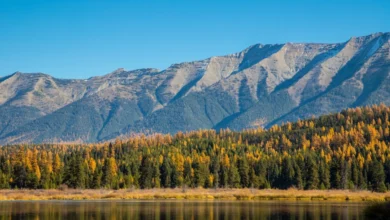
The Hawaiʻi Regional Haze SIP was a comprehensive proposal designed to bring the state into compliance with the federal Clean Air Act. Its primary focus was the reduction of fine particulates and nitrogen oxides that impair visibility at Hawaiʻi Volcanoes National Park on the Big Island and Haleakalā National Park on Maui. Both parks are designated as Class I areas under the Clean Air Act, a status that legally mandates the highest level of air quality protection to preserve their natural beauty and public health.
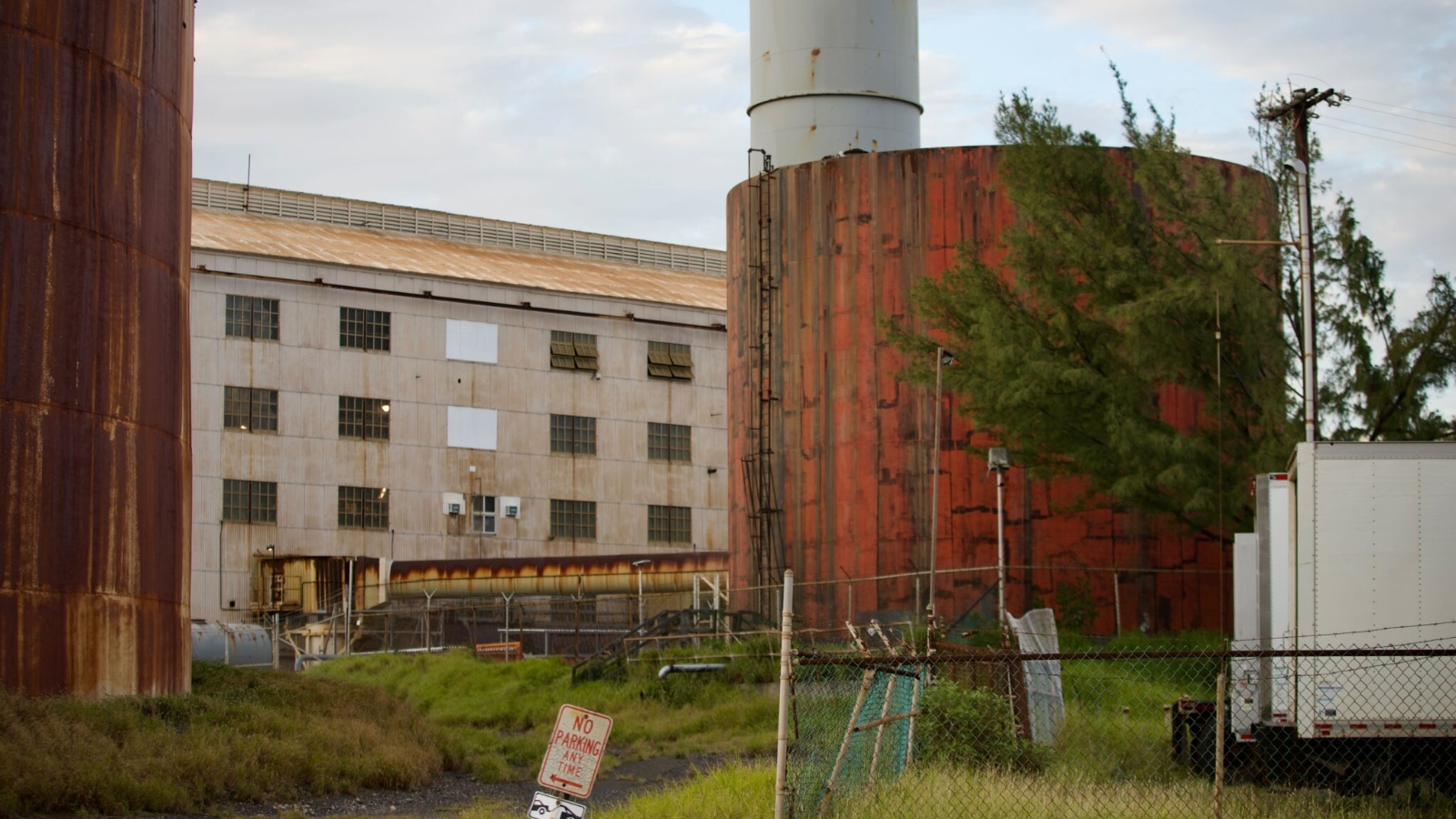
The centerpiece of the state’s long-term strategy involved the mandatory retirement of several "dinosaur" electricity generating units. These include oil-fired units at the Kanoelehua-Hill power plant on the Big Island and the Kahului power plant on Maui, with a target shutdown date of 2028. The Kahului unit, in particular, is a relic of a bygone era, having been commissioned in 1948. However, the EPA has now labeled these planned closures as "unconsented," sparking a fierce debate over state authority, grid reliability, and the constitutional rights of private utilities.
The Legal and Political Shift Toward Energy Dominance
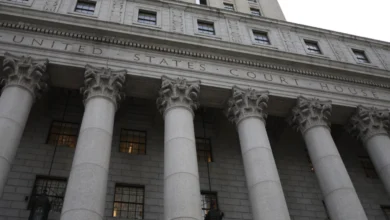
The EPA’s decision to jettison the retirement schedule represents a stark departure from previous federal guidance. In its official press release, the agency justified the move by citing concerns over grid reliability and the potential for a "total regulatory taking." The EPA argued that forcing the closure of these plants without the explicit consent of the owner, Hawaiian Electric Co. (HECO), could violate the Takings Clause of the U.S. Constitution, which prohibits the government from taking private property for public use without just compensation.
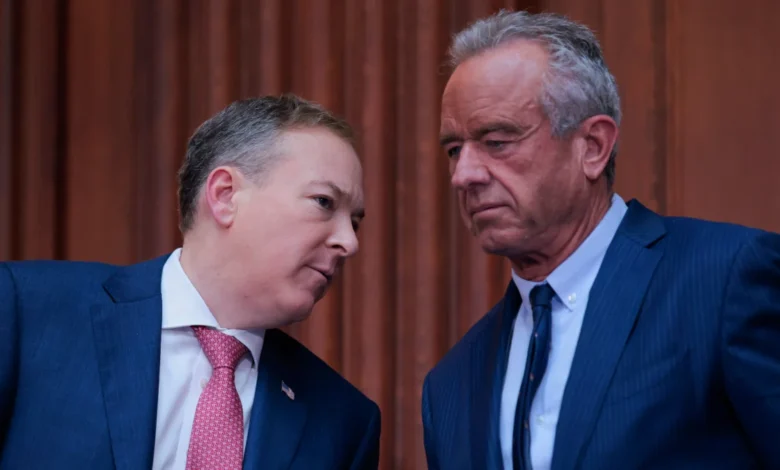
This shift in legal interpretation aligns with a broader national strategy under EPA Administrator Lee Zeldin. Following executive orders aimed at promoting "energy dominance," the agency has begun scrutinizing state-led environmental mandates that threaten the continued operation of fossil fuel infrastructure. Hawaiʻi is not the only state to feel this impact; a similar plan in Colorado involving the closure of a coal plant was recently rejected on comparable grounds.
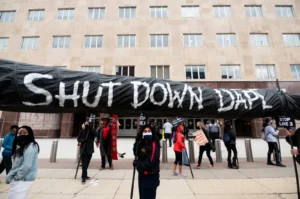
Isaac Moriwake, managing attorney for Earthjustice’s mid-Pacific office, characterized the decision as "one of the biggest bombs to drop in Hawaiʻi so far from the EPA." Environmental groups, including the National Parks Conservation Association and the Natural Resources Defense Council, contend that the EPA is creating a "massive loophole" that allows industrial facilities to evade the requirements of the Regional Haze Program by simply claiming their property rights are being infringed upon.
A Chronology of the Dispute
The conflict over the 2024 SIP has its roots in years of negotiations between the Hawaiʻi Department of Health (DOH) and Hawaiian Electric. To understand the current impasse, it is necessary to examine the timeline of events that led to the EPA’s partial disapproval:
- Pre-2024 Negotiations: As part of the Regional Haze Program’s second implementation period, the Hawaiʻi DOH worked with HECO to identify the most cost-effective ways to reduce emissions. HECO originally signaled a willingness to retire the aging units at Hill, Kahului, and Māʻalaea rather than investing in expensive technological upgrades required to meet modern air quality standards.
- 2024 SIP Submission: The state formally submitted its plan to the EPA, including the 2028 retirement deadlines as a core component of its long-term strategy for visibility improvement.
- August 2025 – The HECO Letter: In a pivotal move, Karin Kimura, director of HECO’s environmental division, sent a letter to the EPA’s regional administrator. She stated that the company had been "forced" to accept the retirement deadlines and that these dates were no longer viable due to delays in renewable energy projects.
- April 2026 – State Response: Once it became clear the EPA was considering HECO’s objections, Hawaiʻi Director of Health Kenneth Fink wrote to the agency. He argued that the EPA’s pending disapproval was inconsistent with the purpose of the Clean Air Act and contradicted years of previous federal guidance.
- May 15, 2026 – Final Decision: The EPA officially announced its partial disapproval, removing the enforceable retirement deadlines for the oil-fired plants while keeping other minor aspects of the state’s plan in place.
Grid Reliability vs. Environmental Mandates
At the heart of the EPA’s reversal is the technical challenge of maintaining a stable power grid on an island chain. Unlike the continental United States, where state grids are interconnected and can share power during shortages, Hawaiʻi operates on isolated "islands" in both the literal and electrical sense.
Mike DeCaprio, vice president of power supply at HECO, emphasized that while the company still intends to retire the plants eventually, the 2028 deadline posed a significant risk. "Reliability on an island grid is a really tough issue," DeCaprio explained. "They’re very small grids. With size comes stability, and they don’t have size."
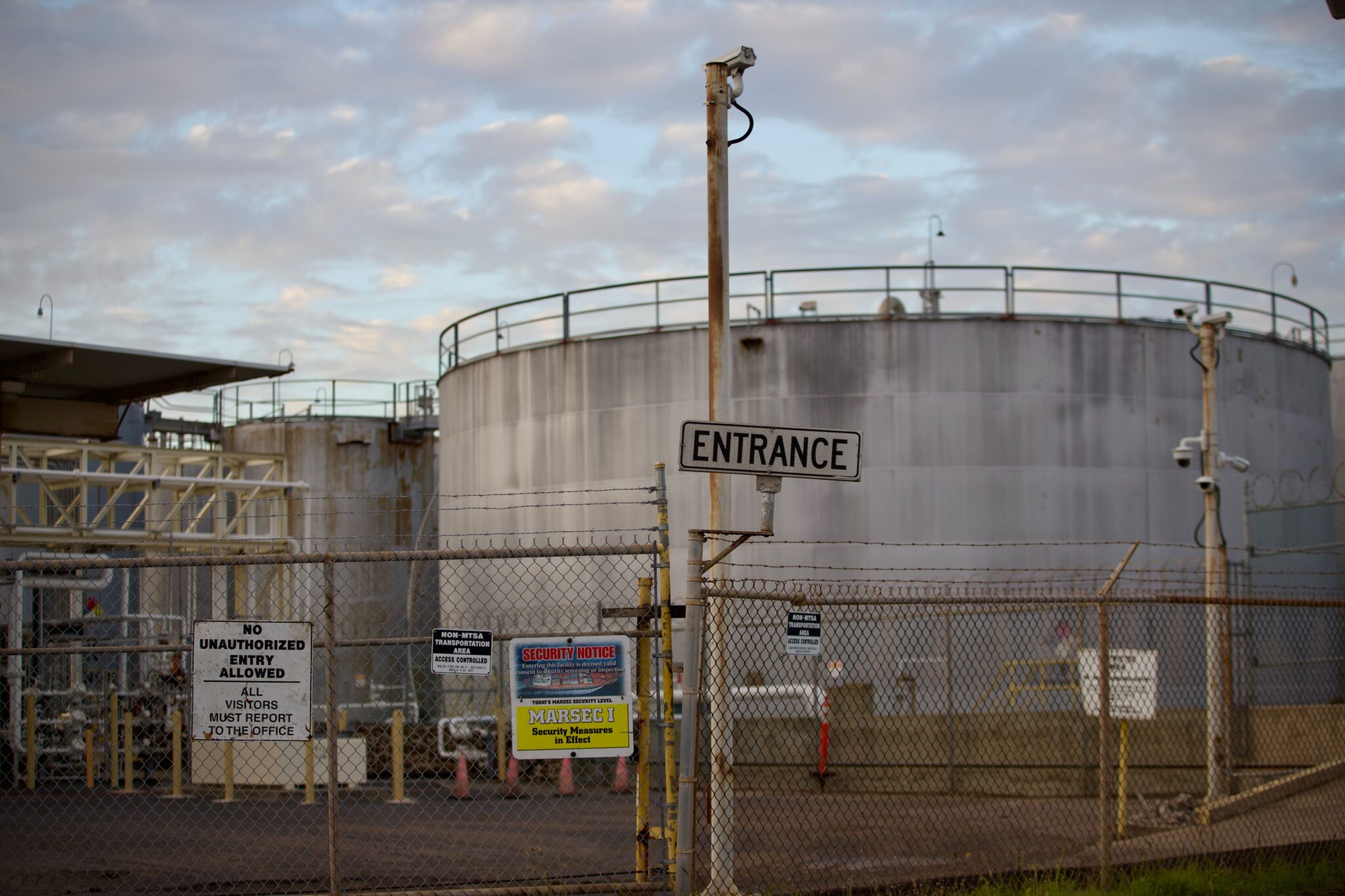
The utility argues that several factors have hindered the transition to renewables, including supply chain disruptions, changes in federal tax incentives, and local permitting hurdles. Without the aging oil plants as a "contingency," HECO fears that the loss of generation capacity could lead to widespread blackouts if new solar, wind, and battery storage projects are not online in time.
However, environmental advocates point out that the Clean Air Act already contains provisions for contingency planning. They argue that HECO is using the federal government’s new policy direction to backtrack on previous commitments, all while seeking a $45 million annual rate increase from the Public Utilities Commission to cover the costs associated with the transition.
The Science of Haze: Volcanic Vog vs. Man-Made Pollution
A secondary point of contention in the EPA’s decision involves the scientific methodology used to measure air quality in Hawaiʻi. The state’s air is unique due to the presence of "vog"—volcanic smog—which carries sulfur dioxide and fine particulates from active eruptions, particularly on the Big Island.
The EPA’s recent ruling asserted that current scientific models are unable to fully distinguish between "natural" volcanic emissions and "anthropogenic" (man-made) pollution. By claiming that the data is too muddled to isolate the impact of power plants, the agency has cast doubt on the necessity of the forced closures.
This assertion has been met with skepticism by the scientific and advocacy communities. Earthjustice and its partners labeled the EPA’s reasoning "arbitrary and capricious," noting that previous administrations successfully used complex mathematical equations to account for episodic volcanic events. They argue that while vog is a natural factor, the nitrogen oxides and sulfur dioxide emitted by industrial facilities like the Kanoelehua-Hill plant are controllable variables that directly exacerbate respiratory issues and degrade visibility during non-eruptive periods.

Implications for Public Health and the Future of Renewables
The fallout from the EPA’s decision extends beyond legal filings and utility spreadsheets. For the residents of Hawaiʻi and the millions of tourists who visit its national parks, the continued operation of 80-year-old power plants has tangible consequences. Long-term exposure to the fine particulates emitted by these units is linked to aggravated lung and heart conditions, particularly among vulnerable populations.
Furthermore, the decision signals a potential shift in how the Clean Air Act is enforced nationwide. If the "Takings Clause" argument becomes a standard defense for utilities, states may find it increasingly difficult to mandate the closure of fossil fuel plants in favor of cleaner alternatives.
Despite the federal setback, some local leaders remain optimistic about Hawaiʻi’s renewable energy future. Jeff Mikulina, executive director of Climate Hawaiʻi, pointed to the success of Kauaʻi, where the local utility has aggressively pursued solar-plus-storage projects. Kauaʻi is currently on track to reach 90 percent renewable energy by 2030, demonstrating that island grids can achieve high levels of stability without relying indefinitely on aging oil infrastructure.
"It’s important to look at the long-term signal as opposed to the near-term noise," Mikulina said. He noted that as energy storage technology becomes cheaper and more efficient, the "secret sauce" for a 100 percent renewable future is becoming more accessible, regardless of the current federal regulatory climate.
As it stands, the EPA has stated it is committed to working with the state of Hawaiʻi to revise the SIP. However, with the mandatory retirement of the state’s oldest power plants now off the table, the path to clear skies over Hawaiʻi’s national parks has become considerably more clouded. The legal battle over the "dinosaur" plants is likely to continue, serving as a landmark case for the intersection of property rights, grid reliability, and environmental protection in the 21st century.