The Battle to Save American Climate Science From Federal Deletion to Independent Resilience

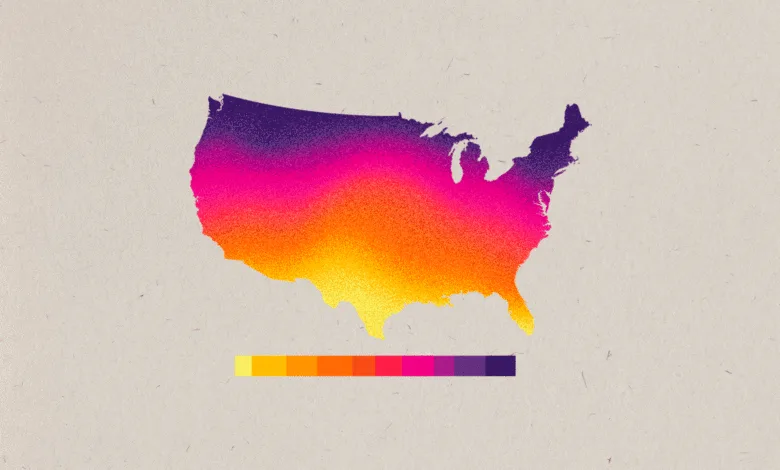
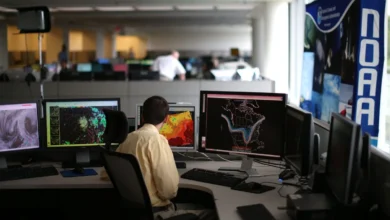
When Rebecca Lindsey was dismissed from the National Oceanic and Atmospheric Administration (NOAA) in February 2025, her immediate reaction was a mix of personal frustration and profound professional anxiety regarding the future of the nation’s climate data. For over 15 years, Lindsey had served as the lead writer, editor, and eventually the program manager of Climate.gov. This federal portal served as a vital bridge between complex atmospheric research and the general public, translating rigorous data into accessible resources for educators, policymakers, and community leaders. The sudden termination of her role signaled a broader shift in federal policy that would soon see the systematic dismantling of one of the world’s most trusted repositories of climate information.
The concerns held by Lindsey and her colleagues were validated within months. Under the direction of the second Trump administration, the remaining staff supporting Climate.gov were eliminated, and the website was taken offline. The administration cited an executive order focused on "restoring gold standard science" as the justification for the move—a move that critics and scientists have characterized as a paradoxical justification for the erasure of established scientific consensus. In response, a group of former federal researchers and scientists formed a grassroots coalition to rescue the data. By late 2025, they launched Climate.us, an independent, non-governmental version of the original site, marking a new chapter in the struggle for scientific transparency in the United States.
The Systematic Removal of Federal Climate Resources
The shuttering of Climate.gov was not an isolated event but rather a central component of a wider administrative strategy to reshape the public’s access to environmental data. Throughout 2025 and into early 2026, several key pillars of climate communication were dismantled or significantly altered. The National Climate Assessments (NCA), which are congressionally mandated reports produced every four years, were among the first casualties. These reports are designed to synthesize the latest science into actionable warnings for the public and government officials. By the summer of 2025, these reports had vanished from federal servers.
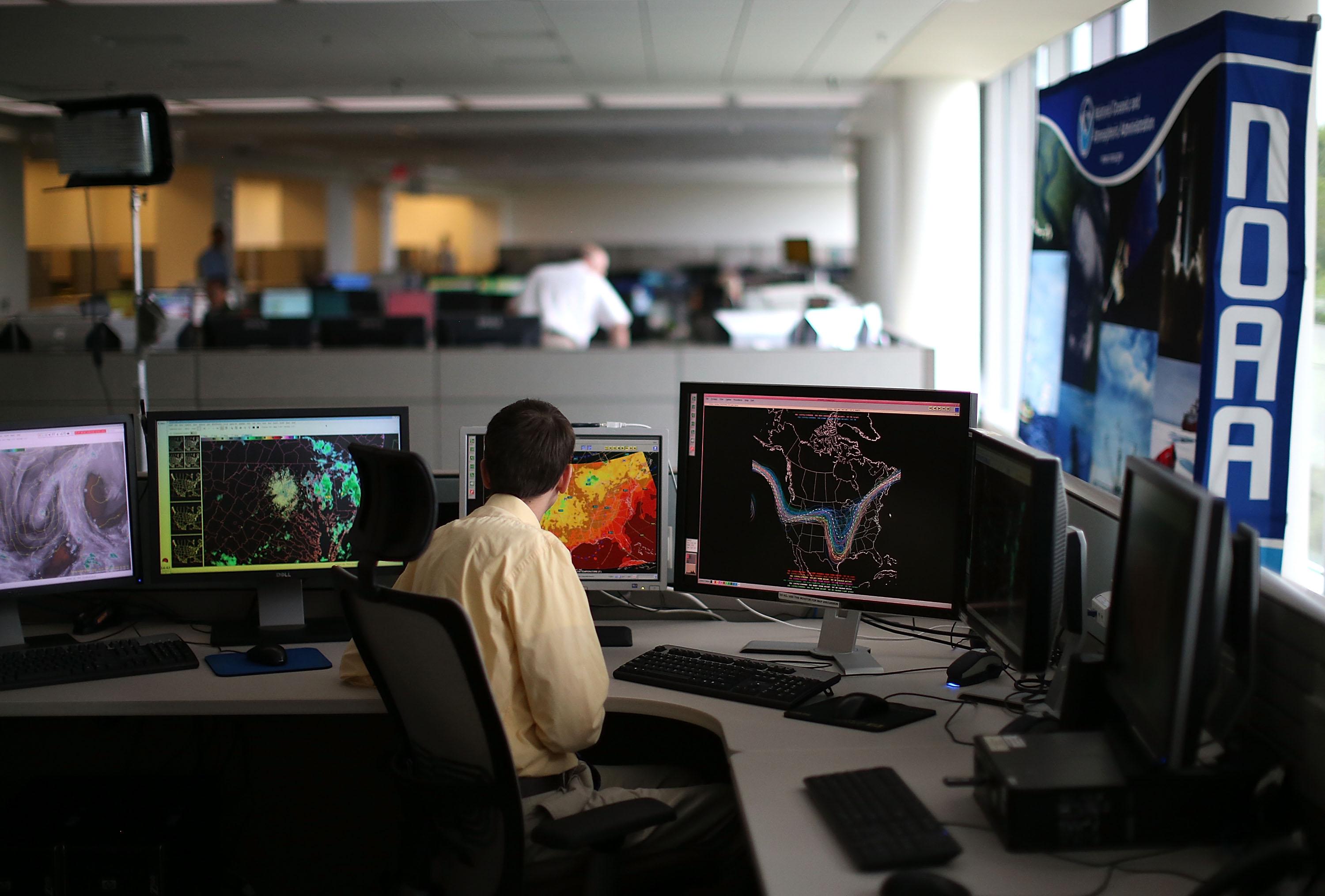
The Environmental Protection Agency (EPA) followed suit in December 2025, removing at least 80 distinct webpages detailing the causes, indicators, and localized effects of global warming. Most notably, the EPA’s primary page explaining the mechanisms of climate change was edited to remove references to human activity as a primary driver of rising global temperatures. Instead, the updated text emphasized natural cycles and solar processes, a shift that Izzy Pacenza, a monitor for the Environmental Data and Governance Initiative (EDGI), described as an "all-out assault on climate information."
The impact of these removals is measurable. Prior to its shutdown, Climate.gov averaged approximately one million page views per month. Since the launch of the independent Climate.us in mid-2026, the site has already garnered 800,000 views in its first two weeks, suggesting a high public demand for the information that was formerly provided by the government.
A Chronology of the Scientific Data Crisis (2025–2026)
To understand the scale of the transition from federal to independent science, it is necessary to examine the timeline of events that led to the current landscape:
- January 2025: The second Trump administration takes office, prioritizing a review of all federal climate-related websites and research programs.
- February 2025: Key personnel at NOAA, including Rebecca Lindsey, are terminated. Funding for the maintenance of Climate.gov is frozen.
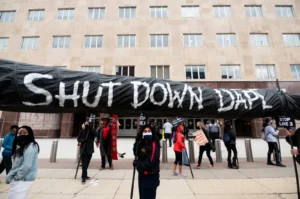
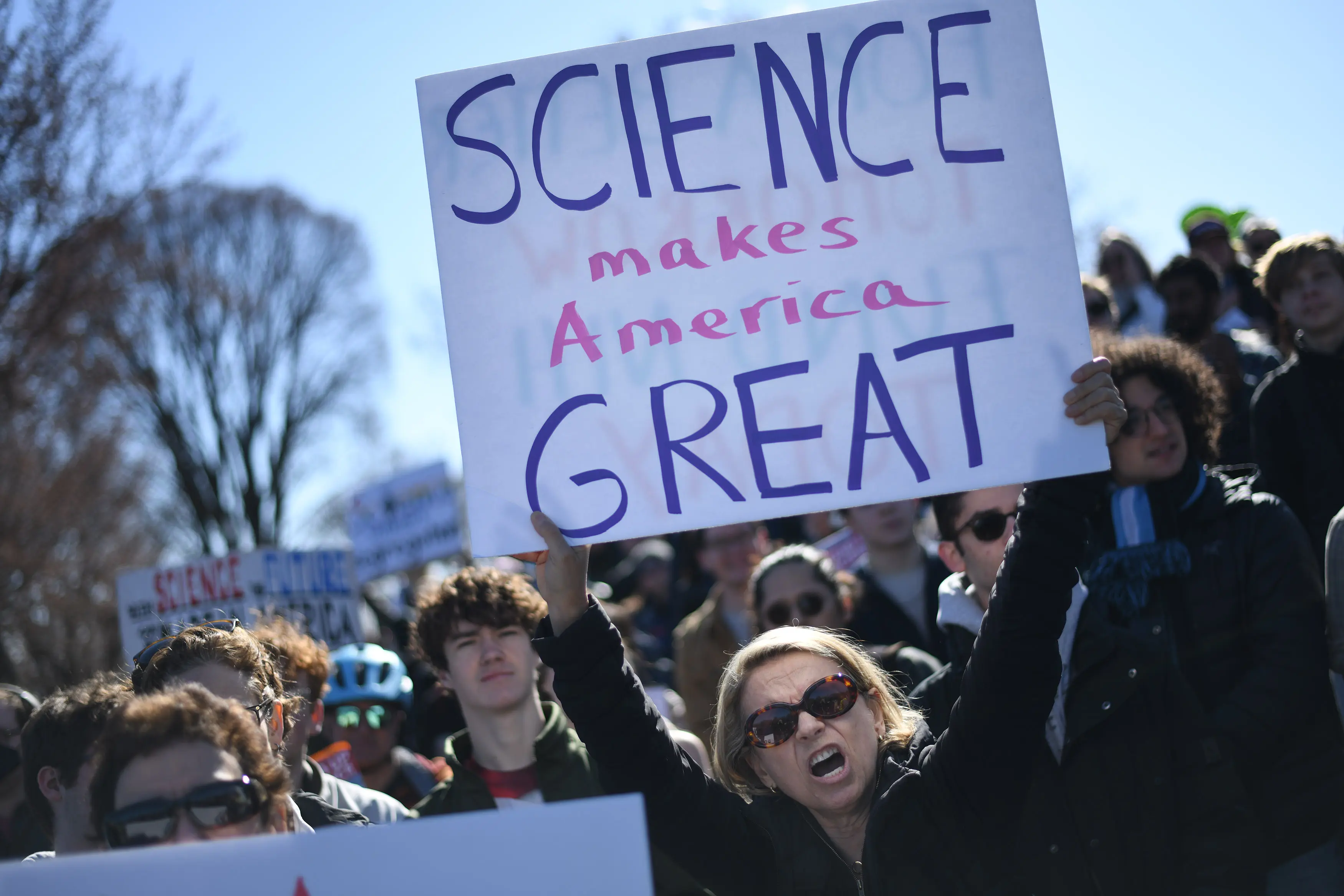
- March 2025: Thousands of scientists and supporters gather at the Lincoln Memorial in Washington, D.C., to protest the perceived politicization of science and the removal of public-domain data.
- May 2025: NOAA officially ends the "Billion-Dollar Weather and Climate Disasters" tracking program, a critical economic dataset used by the insurance and real estate industries.
- July 2025: The National Climate Assessments are removed from public-facing government websites.
- August 2025: Former NOAA employees and independent researchers begin a crowdsourcing campaign to fund a private alternative to Climate.gov.
- December 2025: The EPA completes a major "audit" of its digital library, resulting in the removal or heavy editing of over 80 climate science pages.
- May 2026: Climate.us officially launches as a non-governmental entity (.us domain) to host rescued NOAA data and provide new updates.
Preserving Economic and Disaster Data
One of the most significant losses during the federal purge was the "Billion-Dollar Disasters" project. This initiative, previously housed at NOAA, quantified the economic toll of extreme weather events, providing a historical record of disasters that exceeded $1 billion in damages (adjusted for inflation). Adam Smith, the researcher who led the project at NOAA, refused to let the data die with the program.
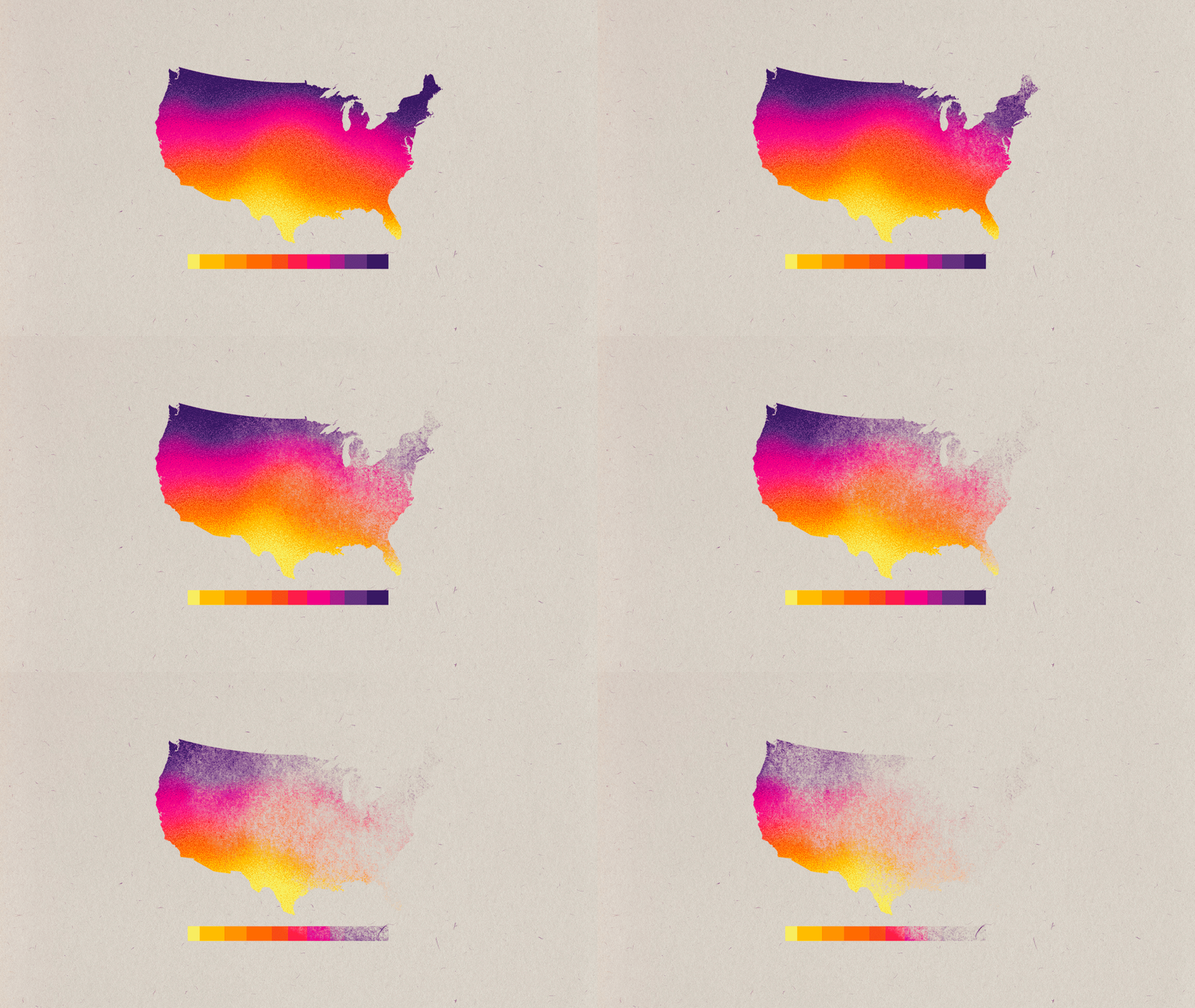
Smith migrated the project to Climate Central, a non-profit organization. While the transition ensured the data remained available, it was a grueling process that took nearly a year to reach the same level of functionality it had under federal management. The project is now expanding to document disasters costing $100 million or more, dating back to 1980. This data is essential for businesses and policymakers to understand the real-world fiscal consequences of a warming planet. However, without federal backing, the project faces ongoing challenges regarding long-term financial sustainability and the loss of the "official" government imprimatur that previously commanded universal trust.
Institutional Resistance and Global Cooperation
As federal agencies withdrew from the scientific community, non-governmental organizations and international bodies stepped in to provide a safety net. Janice Lachance, CEO of the American Geophysical Union (AGU), has been a vocal advocate for the decentralization of scientific data. The AGU has launched a global initiative involving 100 experts to ensure that environmental datasets are mirrored across international servers, making them resilient to the political shifts of any single nation.
Furthermore, the AGU and the American Meteorological Society have taken steps to maintain the research momentum of the aborted sixth National Climate Assessment. They have issued calls for climate manuscripts to be published in a special peer-reviewed collection, ensuring that the work intended for the federal report still reaches the scientific community and the public. In a direct challenge to the administration’s withdrawal from international climate bodies, the AGU is also hosting an academic network that allows American scientists to continue contributing to the Intergovernmental Panel on Climate Change (IPCC).
The Structural Fragility of Scientific Infrastructure
The current crisis has exposed what experts call the "plumbing" of scientific data. Sonia Wang, senior director at the Data Foundation’s Center for Climate and Environmental Data, argues that the public often focuses on the "fountain"—the user-friendly maps and websites—while ignoring the fragile infrastructure beneath. This infrastructure often relies on specific funding lines, long-term relationships between agencies, and individual researchers who have maintained datasets for decades.
"This was always a problem, regardless of administration," Wang noted. The rapid decline in federal support has simply exposed the "cracks" that were already present in how the U.S. manages its scientific knowledge. The vulnerability of these systems to political whims suggests a need for legislative reform. Data advocates are now calling for new laws that would mandate the preservation of public-facing scientific data and establish congressional oversight to prevent the summary removal of research from government websites.
Challenges of the Non-Governmental Model
While the success of Climate.us and Climate Central’s disaster tracking is a testament to the resilience of the scientific community, the transition to a non-governmental model is fraught with obstacles.
- Funding Instability: Unlike federal agencies with multi-year budgets, nonprofits must rely on fickle philanthropic donations and crowdsourcing. Gretchen Gehrke of EDGI points out that most of these independent initiatives are currently underfunded and "scrambling" for resources.
- Reach and Recognition: No nonprofit can match the SEO (search engine optimization) dominance and brand recognition of a ".gov" website. Many citizens may not know where to look for climate information once the official government channels are silenced.
- Scientific Vetting: Maintaining a rigorous peer-review process is more difficult for a small staff. At Climate.us, Rebecca Lindsey manages the site with only two other full-time employees, whereas the original NOAA team consisted of eight. Furthermore, some scientists have expressed fear of retaliation or unwanted publicity, making them hesitant to volunteer their time for independent projects.
Implications for the Future of Science
The movement to "rescue" climate science in the United States represents a fundamental shift in the relationship between the state and the scientific community. For nearly a century, the U.S. government was the primary funder and curator of the world’s most comprehensive Earth science data. That era appears to be ending, replaced by a fragmented but determined network of civil society organizations, universities, and international partners.
The broader implication of this shift is the "democratization" of data—a move away from a single point of failure in Washington, D.C. However, this decentralization comes at the cost of the authoritative, centralized coordination that only a federal government can provide. As Janice Lachance of the AGU summarized, the events of 2025 and 2026 serve as a warning that critical scientific data should never be vulnerable to "the political winds of the day." The ongoing efforts to rebuild these resources independently may provide a blueprint for other nations facing similar challenges to their scientific integrity.