The Long Road to Recovery One Year After the July 2025 Central Texas Floods Devastated the Sandy Creek Community

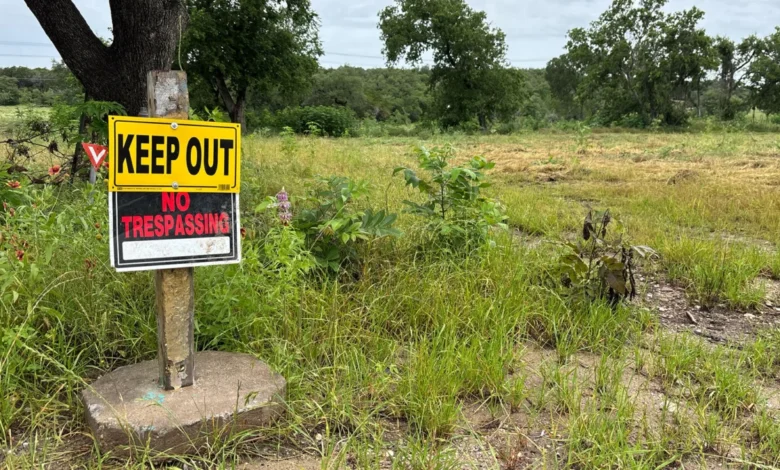
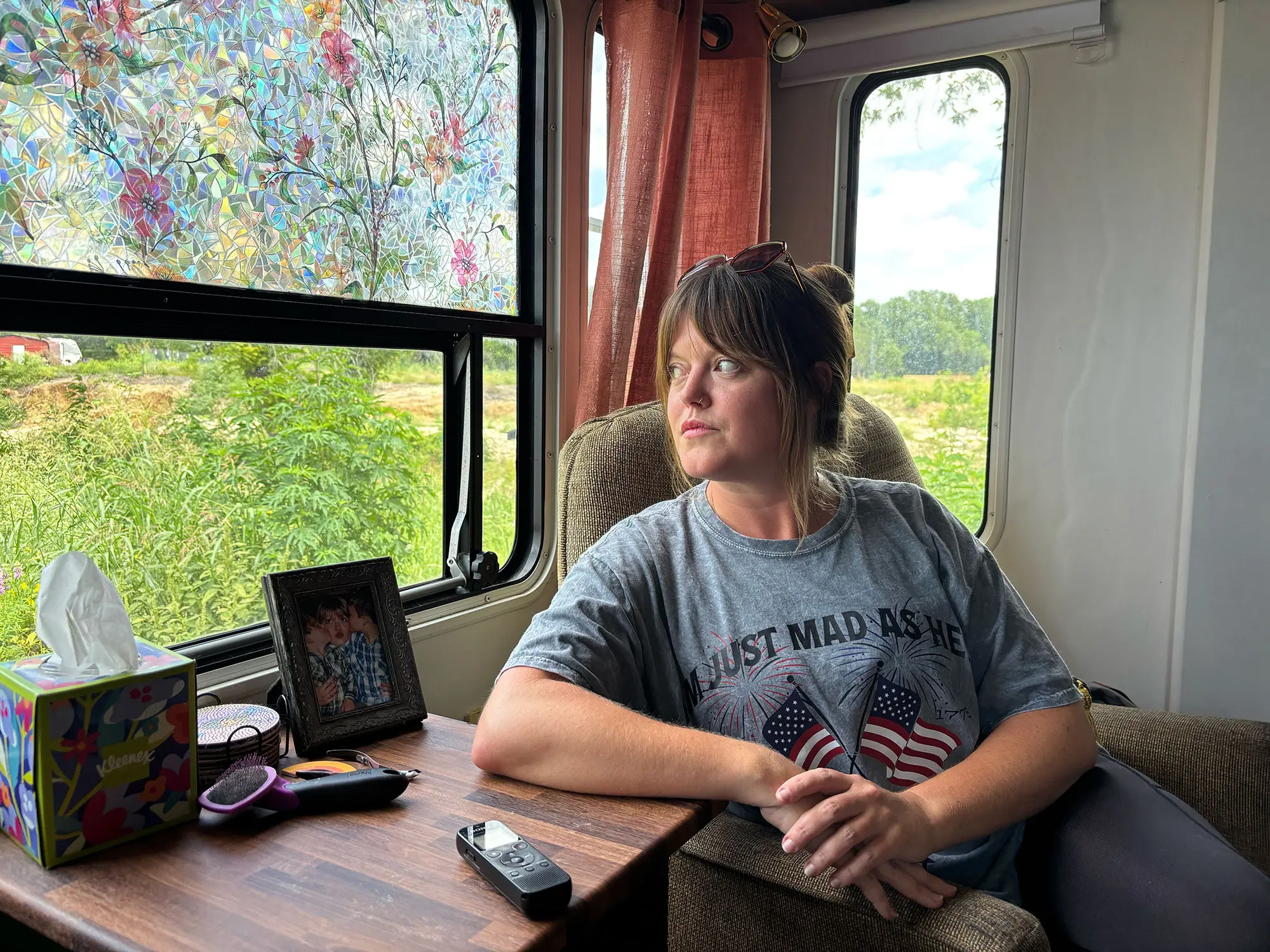
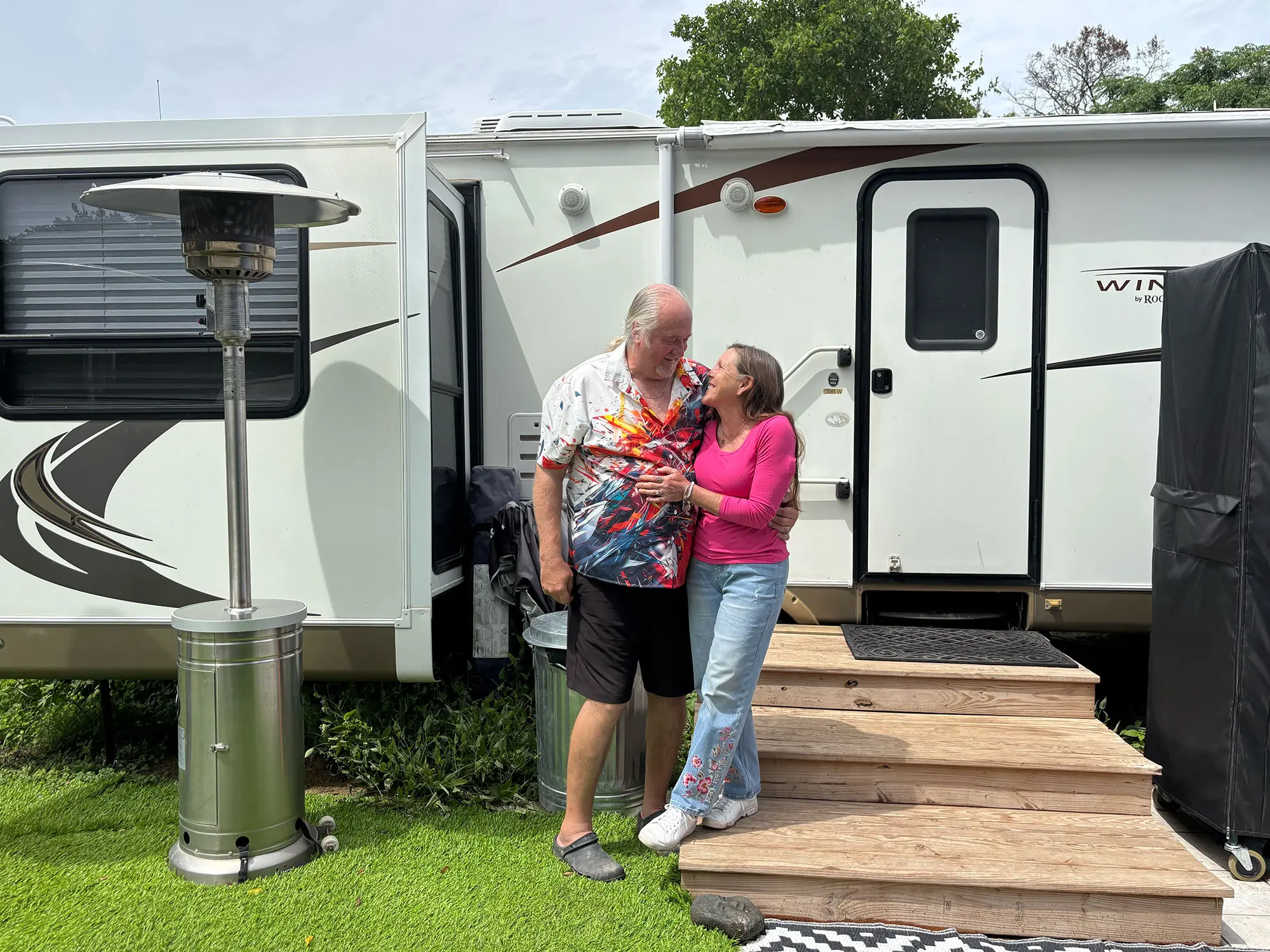
A year has passed since the skies over Central Texas opened in a historic deluge, yet for the residents of Sandy Creek, the storm has never truly ended. When heavy rain now strikes the roofs of the recreational vehicles (RVs) lined along the banks of Big Sandy Creek, the sound is often described by survivors as a barrage of gunfire. For Ashlee Willis, a survivor of the July 2025 floods, the sound is secondary to the physical sensation of the wind swaying her temporary shelter. During these moments, she retreats to the narrow hallway of her camper with her two cats and a "emergency kit" wrapped in a Taylor Swift blanket, ready to flee at a moment’s notice.
The trauma is rooted in the events of July 5, 2025, a night that transformed a celebratory Independence Day weekend into a catastrophic loss of life and property. In Sandy Creek alone, a small unincorporated community in Travis County, the floodwaters claimed 10 lives and destroyed 74 homes. Across Central Texas, the toll was even more staggering: 139 people killed and an estimated $1.1 billion in property damage. Today, the recovery effort remains stalled by a complex web of regulatory requirements, insurance shortfalls, and a systemic lack of resources for rural, low-income populations.
The Chronology of a Catastrophe: July 5, 2025
The disaster began during what was supposed to be a weekend of celebration. The Gerstner-Willis family had prepared for a festive evening with "a bajillion" glow sticks intended for their above-ground pool and a stockpile of fireworks. However, persistent rain forced the family and their eight guests to abandon their plans and go to bed early, with some guests sleeping in tents on the property.
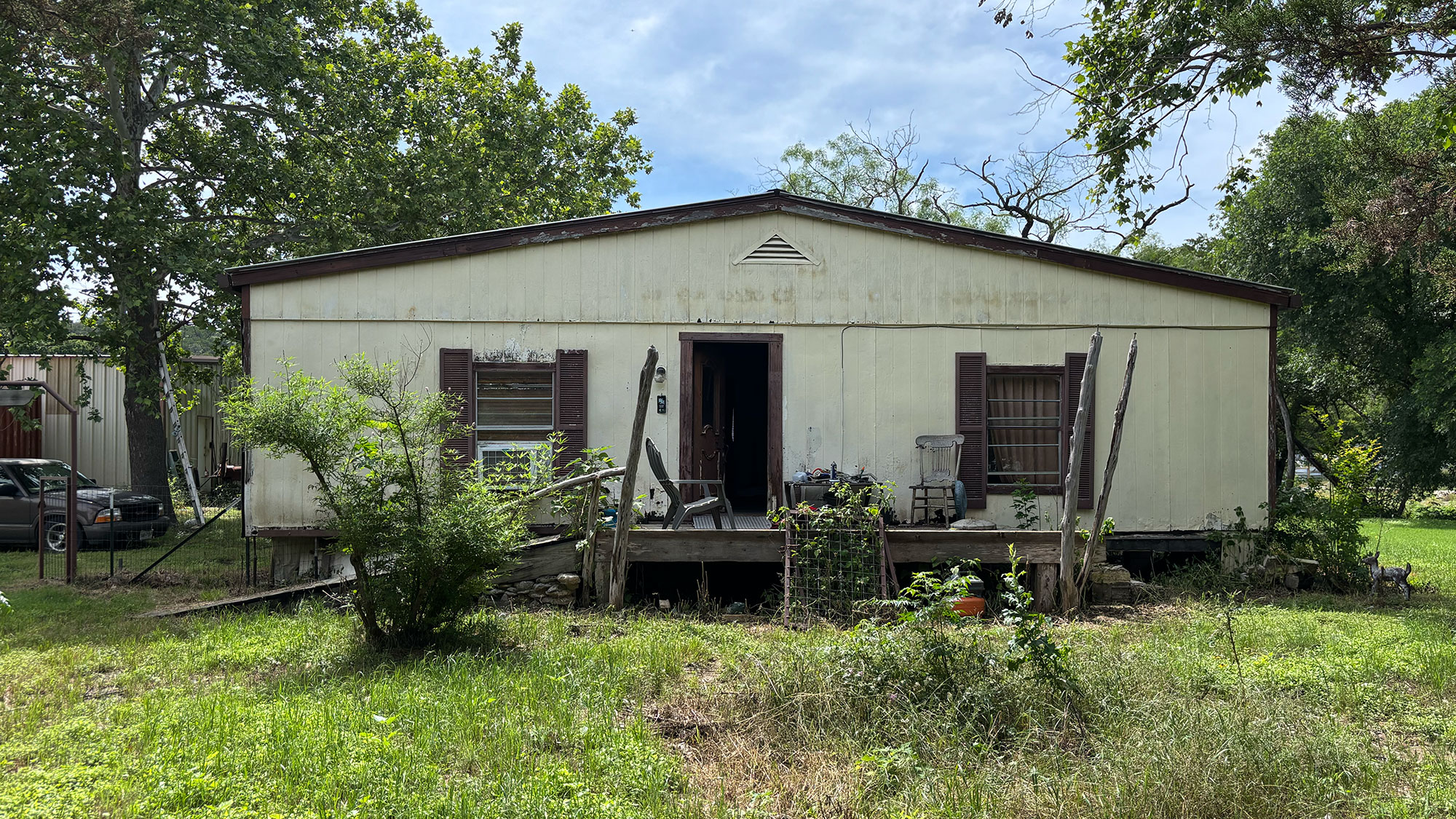
By 2:30 a.m., the situation turned critical. The rainfall intensified into a violent storm that shook the foundations of local homes. Brandy and Gregg Gerstner awoke to find Big Sandy Creek rising at an unprecedented rate. As they attempted to rescue their livestock, the water became a torrent. Within hours, the mobile home occupied by their daughter, Ashlee Willis, was torn from its foundation and began to bob in the rising tide.
The night was defined by desperate acts of survival. Gregg Gerstner waded through the flood to rescue family pets while guests were swept away in a Jeep. Some survivors clung to floating debris, including tires and plastic drums, while others sought refuge in the branches of partially submerged trees. Willis and five other guests survived by climbing onto a pool table as water filled her home. They eventually used the glow sticks intended for their party to spell out "HELP" in the windows, waiting for dawn to reveal a landscape that had been entirely erased.
The "Substantial Damage" Hurdle and Regulatory Barriers
One year later, the primary obstacle to rebuilding is not a lack of will, but a federal and local regulatory framework that many residents find impossible to navigate. Central to this struggle is the "substantial damage" clause, a Federal Emergency Management Agency (FEMA) standard. Under this rule, if the cost of repairing a home equals or exceeds 50 percent of its pre-flood market value, the entire structure must be brought up to current building codes.
For the residents of Sandy Creek, these codes are prohibitively expensive. Travis County requires that new or substantially repaired homes in a floodplain be elevated at least 2 feet above the predicted height of a "100-year flood." For the Gerstner-Willis family, compliance means constructing their new home 12 feet in the air and installing a mechanical lift for access. These requirements can add more than $100,000 to the cost of construction, excluding the thousands of dollars required for specialized engineering and land surveys.
"I would say 98 percent of the people out here are not going to be able to afford their houses to be raised," Brandy Gerstner noted. This sentiment highlights a growing crisis in disaster recovery: the "elevation gap," where only the wealthy can afford to build resiliently, while the poor are forced into perpetual displacement or unsafe living conditions.
Data and the Economic Gap in Disaster Assistance
The scale of the financial need in Sandy Creek vastly outstrips the available aid. According to FEMA records, 1,212 households in Travis County registered for assistance following the 2025 floods. However, the agency distributed only $4.3 million in total aid—an average of roughly $3,500 per household. Given that FEMA individual assistance is capped at $43,600 and is intended only for basic stabilization rather than full replacement, many families found themselves with only a fraction of what was needed to rebuild.
The insurance landscape further complicates recovery. In Travis County, only 2.4 percent of the affected households carried flood insurance. Because Sandy Creek is an unincorporated area with a history of minimal oversight, many residents were either unaware of their flood risk or found the premiums for the National Flood Insurance Program (NFIP) unaffordable.
The patchwork of private and nonprofit aid has provided some relief, but it remains inconsistent:
- The Travis County Donation Fund: Distributed $7.85 million to 264 families (approximately $30,000 each).
- George Strait Benefit Concert: Raised funds to provide 60 families with $25,000 checks.
- Samaritan’s Purse: Provided manufactured homes and furniture packages to a select number of applicants.
- Nonprofits: Organizations like Rebuild Sandy Creek and the Austin Disaster Relief Network continue to process applications, though they struggle with "donor fatigue" and rising inflation in construction costs.
Background Context: The Vulnerability of Unincorporated Texas
Sandy Creek’s vulnerability is a product of Texas’ unique land-use history. As a strong property-rights state, Texas limits the authority of county governments to regulate development in unincorporated areas. Many residents moved to Sandy Creek in the 1970s and 80s specifically to avoid the taxes, zoning laws, and "municipal meddling" found in nearby Austin.
This "free-for-all" environment allowed for the proliferation of manufactured homes and RVs in low-lying areas that were ecologically prone to flooding. Travis County is part of "Flash Flood Alley," a region of Central Texas known for its rocky terrain and intense rainfall patterns that cause creeks to rise with terrifying speed.
Shannon Van Zandt, a researcher at Texas A&M University, points out that poverty is a significant predictor of disaster harm. "Low-income people tend to live in low-quality homes in low-lying areas because that is what the market allows," she stated. Without the ability to implement zoning or stricter land-use controls, counties are often left to manage the aftermath of disasters they were legally unable to prevent.
Official Responses and the Push for Reform
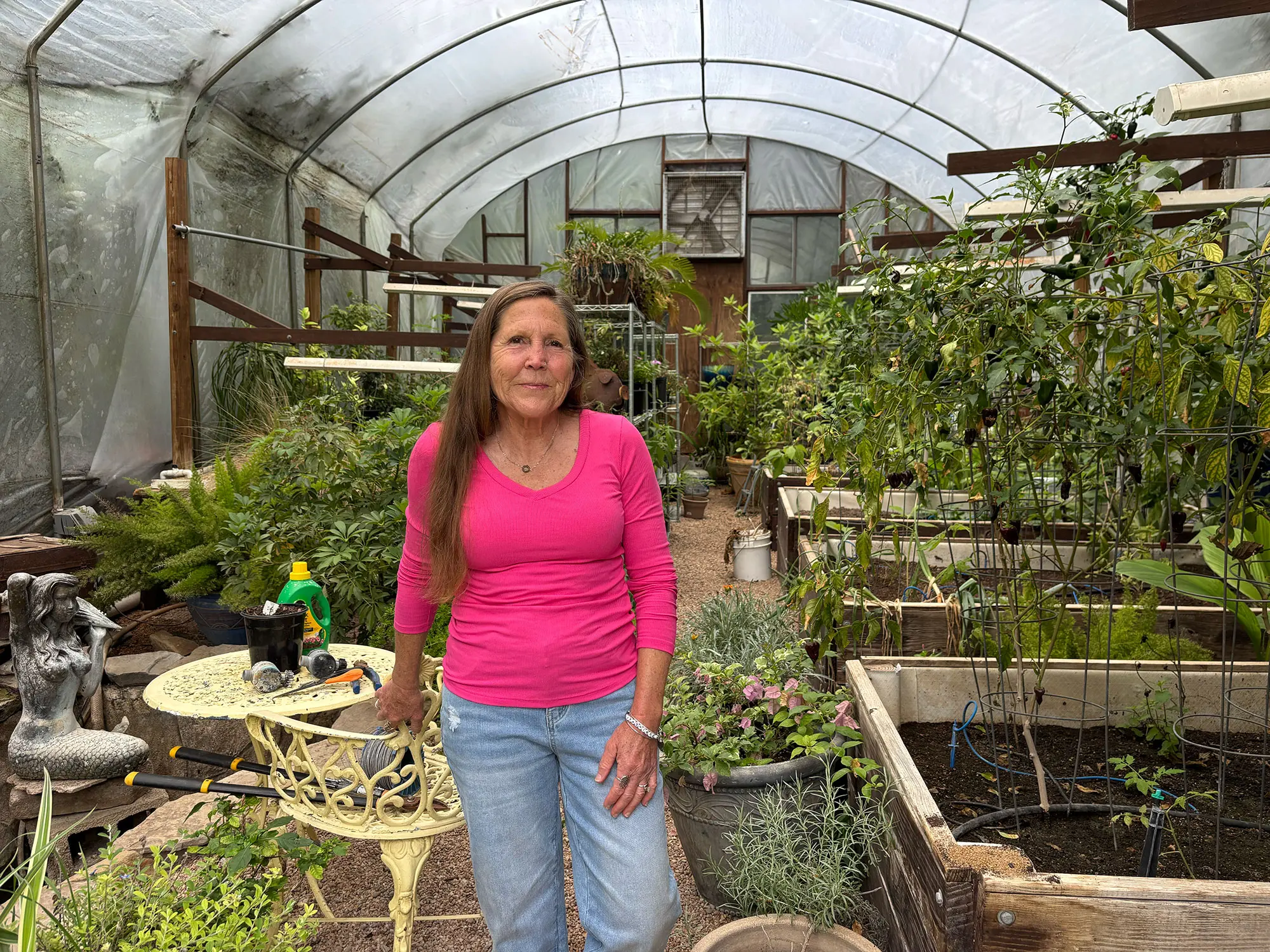
In the wake of the disaster, survivors have transitioned from victims to activists. Brandy Gerstner and Ashlee Willis co-founded the Sandy Creek Alliance to lobby for systemic changes. Their goals include the creation of "Fund Texas Forever," a disaster reserve financed by the state’s multi-billion-dollar "Rainy Day Fund" to provide immediate, low-barrier relief to survivors.
While Governor Greg Abbott has expressed support for flood protection legislation and noted that the state has provided over $500 million in various forms of community assistance, many residents feel the response has been insufficient for individuals. The governor’s office maintains that the state is using "all necessary resources," but activists argue that the current system of waiting for federal declarations and navigating 16 different nonprofit applications is "building the plane while we’re flying."
The Travis County Recovery Alliance is currently working to create a unified intake form to address "form fatigue," but the underlying issue remains a lack of sustainable funding. Researchers like Michelle Meyer suggest that relying on the generosity of private donors and concerts is not a viable long-term strategy as climate-driven disasters become more frequent and severe.
Broader Impact and the Human Cost of Displacement
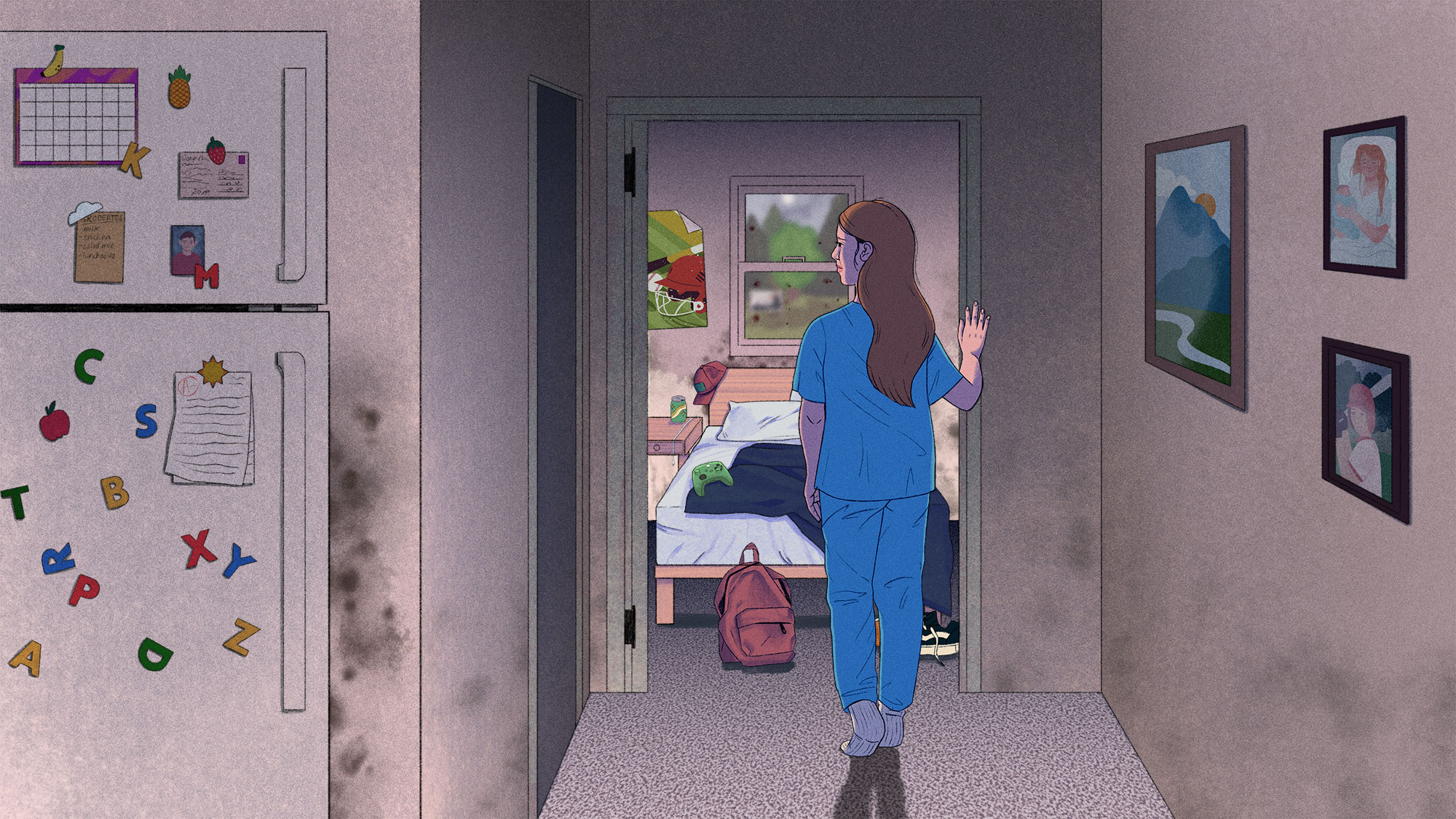
The long-term impact of the July 2025 flood is visible in the physical and mental health of the community. Many residents remain in damaged, mold-infested homes because they fear that seeking help will trigger a "substantial damage" inspection and lead to condemnation. Others, like the late Harold Sherwood, have suffered the ultimate price of the stress of recovery.
Sherwood, a military veteran and grandfather, saw his home razed after the flood. Overwhelmed by the prospect of building a code-compliant home 12 feet in the air, he initially planned to live in an RV. He passed away from cancer six months after the flood, a decline his family attributes to the trauma of losing his life’s work. His memorial was held on the concrete pad where his home once stood, marked by a cross of branches.
For those who remain, like the Gerstner-Willis family, the future is a $1 million rebuilding project that involves two houses connected by a breezeway, elevated high above the creek that nearly took their lives. They have already spent $15,000 on surveys and designs for a project they cannot yet afford to start.
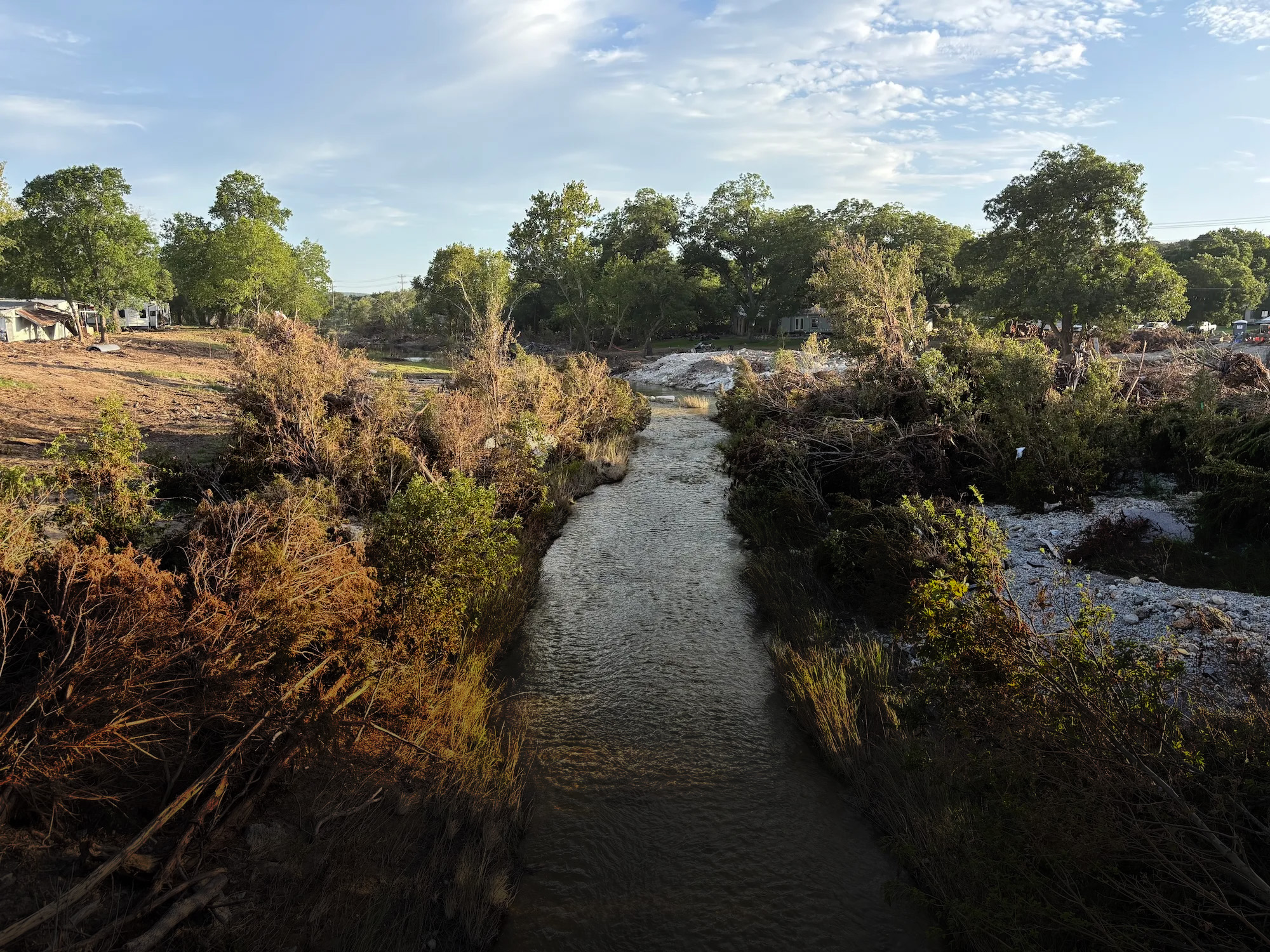
As nature reclaims the barren banks of Big Sandy Creek with sunflowers and prairie verbena, the human community remains in a state of suspended animation. The "window of opportunity" for political reform is closing, and the residents of Sandy Creek are left wondering if the next storm will arrive before the first one is ever truly cleared away. The story of Sandy Creek is a stark reminder that in the era of extreme weather, the disaster is often not the flood itself, but the long, expensive, and exclusionary process of trying to go home.