Thieves Targeting Freight Trains In California And Arizona Deserts Make Off With 2m Worth Of Nikes

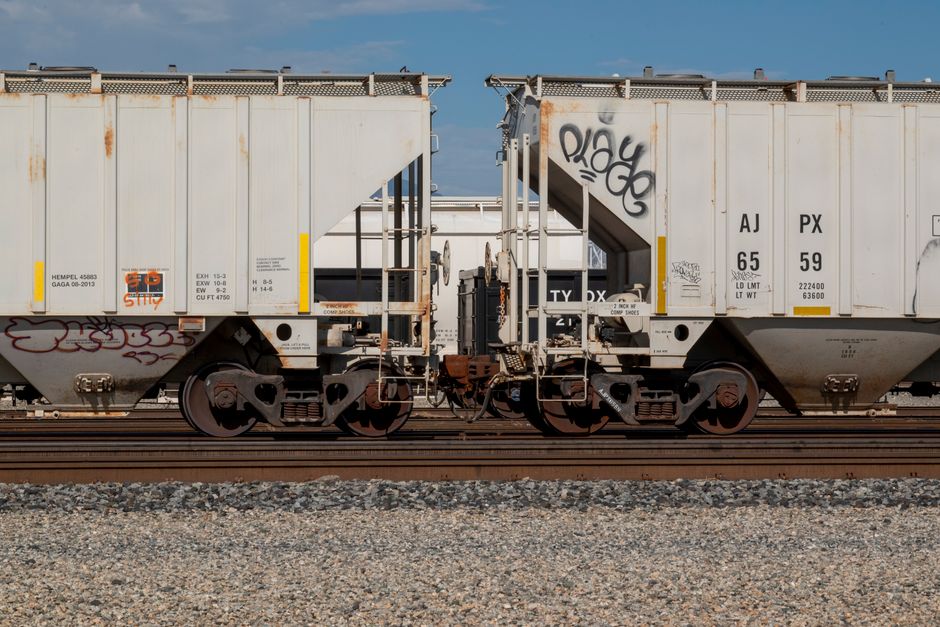
High-Value Heists: Thieves Target Freight Trains in California and Arizona Deserts, Stealing $2 Million in Nike Merchandise
Organized criminal enterprises are increasingly exploiting vulnerabilities in the nation’s freight rail network, with recent high-profile thefts in the desolate stretches of California and Arizona deserts underscoring a growing trend. The latest audacious raid saw thieves make off with an estimated $2 million worth of Nike merchandise, targeting a Union Pacific freight train and highlighting the logistical and security challenges faced by rail operators and law enforcement in these vast, remote terrains. This incident is not an isolated event but rather a symptom of a larger, more sophisticated operation that has seen a dramatic surge in cargo theft across the United States, particularly along major rail corridors. The sheer scale of the operation, involving potentially hundreds of thousands of dollars in goods in a single haul, suggests well-established networks capable of planning, executing, and fencing stolen merchandise. The desert landscape, with its limited visibility, sparse population, and vast expanses, provides an ideal environment for such illicit activities, allowing thieves to operate with a degree of anonymity and escape detection for extended periods.
The modus operandi often involves forcing open shipping containers while trains are moving at slower speeds, or strategically disabling them at opportune moments. Once inside, thieves meticulously select high-value, easily resalable items, such as popular brands of athletic footwear and apparel. The Nike haul is particularly significant due to the brand’s immense popularity and the lucrative secondary market for its products. The ability to quickly offload such a large quantity of branded goods points to pre-existing channels for distribution, likely involving online marketplaces, flea markets, and even potentially overseas networks. Law enforcement agencies in both California and Arizona are grappling with the complexities of these cross-jurisdictional crimes. The vast distances involved make investigations challenging, requiring coordinated efforts between local police departments, county sheriffs, and federal agencies like the FBI and the Department of Homeland Security. The economic impact extends beyond the immediate loss of merchandise; it disrupts supply chains, increases insurance costs for businesses, and can ultimately lead to higher prices for consumers.
Union Pacific, one of the largest freight rail carriers in North America, has been particularly vocal about the escalating problem. The company has reported a significant increase in theft incidents over the past year, leading to substantial financial losses and operational disruptions. In response, Union Pacific has bolstered its security measures, deploying additional personnel, utilizing advanced surveillance technology, and working closely with law enforcement. However, the sheer length of the trains and the vastness of the routes they traverse make complete prevention an elusive goal. The thieves are often adept at exploiting blind spots and timing their actions to coincide with periods of reduced visibility or fewer witnesses. The desert environment, with its extreme temperatures and difficult terrain, further complicates these security efforts, requiring specialized equipment and strategies to patrol and monitor effectively.
The $2 million Nike theft represents a significant escalation in the value of goods stolen in a single incident within this region. Previous thefts have involved electronics, consumer goods, and other high-demand items, but the scale of this particular operation is noteworthy. Investigations are ongoing, with authorities piecing together evidence from the crime scene, witness accounts (though scarce in such remote areas), and any available surveillance footage. The involvement of organized groups is strongly suspected, given the logistical planning required to intercept a moving train, offload a substantial volume of merchandise, and transport it away without immediate detection. These groups often operate with a degree of anonymity, making it difficult to identify and apprehend the individuals responsible. The financial motivations are clear, as the resale value of premium athletic wear is consistently high, providing a significant return on investment for criminal endeavors.
The choice of the California and Arizona deserts is strategic. These areas are characterized by long stretches of track where trains travel at moderate speeds, making them vulnerable to boarding. Furthermore, the vast, undeveloped landscapes offer ample opportunities for the thieves to conceal their activities and quickly transport stolen goods away from the scene. The lack of consistent cell service in many parts of these deserts also hinders immediate reporting and response. Law enforcement agencies are facing a constant cat-and-mouse game, as thieves adapt their tactics to circumvent new security measures. This includes using specialized tools to breach containers, employing vehicles designed for off-road travel to access remote areas, and utilizing sophisticated communication networks to coordinate their efforts. The economic impact of such widespread cargo theft is substantial, affecting not only the direct victims but also the broader economy through increased security costs, lost revenue, and potential delays in product delivery to legitimate retailers.
The economic implications of these thefts are far-reaching. For companies like Nike, the direct financial loss is substantial, impacting their profitability and potentially their ability to invest in new product development and marketing. For retailers who rely on these shipments, the delays and losses can disrupt inventory and lead to lost sales. Moreover, the increased security measures implemented by rail companies and shippers translate into higher operating costs, which are often passed on to consumers in the form of higher prices. The ongoing nature of these incidents also raises concerns about the overall safety and security of the nation’s supply chains, which are critical to the functioning of the modern economy. The ability of criminal elements to repeatedly target and successfully exploit these vulnerabilities undermines confidence in the integrity of freight transportation.
Federal and state agencies are collaborating to address the escalating issue. Strategies include increasing surveillance along high-risk rail corridors, enhancing intelligence gathering to identify and disrupt criminal networks, and prosecuting offenders to the fullest extent of the law. Public awareness campaigns are also being considered to encourage reporting of suspicious activity. The challenge lies in the sheer scale of the rail network and the limited resources available for comprehensive monitoring. The remote nature of the desert locations further complicates these efforts, requiring a sustained and coordinated response from multiple law enforcement entities. The goal is to make these vulnerable routes less attractive targets for thieves by increasing the risk of apprehension and ensuring that stolen goods are more difficult to fence.
The recent $2 million Nike theft serves as a stark reminder of the sophisticated and persistent nature of organized cargo crime. The desert terrains of California and Arizona, while offering natural seclusion, are proving to be fertile ground for these illicit operations. As these criminal networks continue to adapt and evolve, so too must the strategies employed by law enforcement and the rail industry to protect valuable cargo and maintain the integrity of critical supply chains. The economic and security ramifications of these high-value heists demand a continued and intensified focus on collaborative investigations, advanced technological solutions, and a robust legal framework to deter future occurrences and bring perpetrators to justice. The ongoing battle to secure freight trains against such audacious raids is a testament to the evolving landscape of criminal activity and the imperative for constant vigilance and innovation in security protocols.