The Unprecedented Surge of the 2026 Super El Niño and the Global Climate Crisis

The 2026 El Niño event has officially transcended standard meteorological classifications, forcing global institutions to recalibrate their understanding of extreme weather patterns. Characterized by a staggering 3.11-degree Celsius anomaly in the Niño 3.4 region of the Pacific Ocean, this phenomenon is now being described by the scientific community and global media as a "super El Niño." The event, which has already shattered historical records established during the 2015 cycle, represents a convergence of natural oceanic variability and the intensifying backdrop of anthropogenic global warming. As sea surface temperatures continue to defy seasonal cooling trends, the ripple effects are manifesting in humanitarian crises, infrastructure failures, and record-breaking temperature spikes across multiple continents.
The Mechanics of a Record-Breaking Phenomenon
El Niño is a periodic fluctuation in the climate system characterized by the warming of sea surface temperatures in the central and eastern Pacific. Under neutral conditions, robust trade winds blow from east to west, pushing warm surface water toward Indonesia and Australia, while cold, nutrient-rich water rises along the South American coast. During an El Niño event, these winds weaken or reverse, allowing the warm pool of water to migrate eastward toward the Americas.
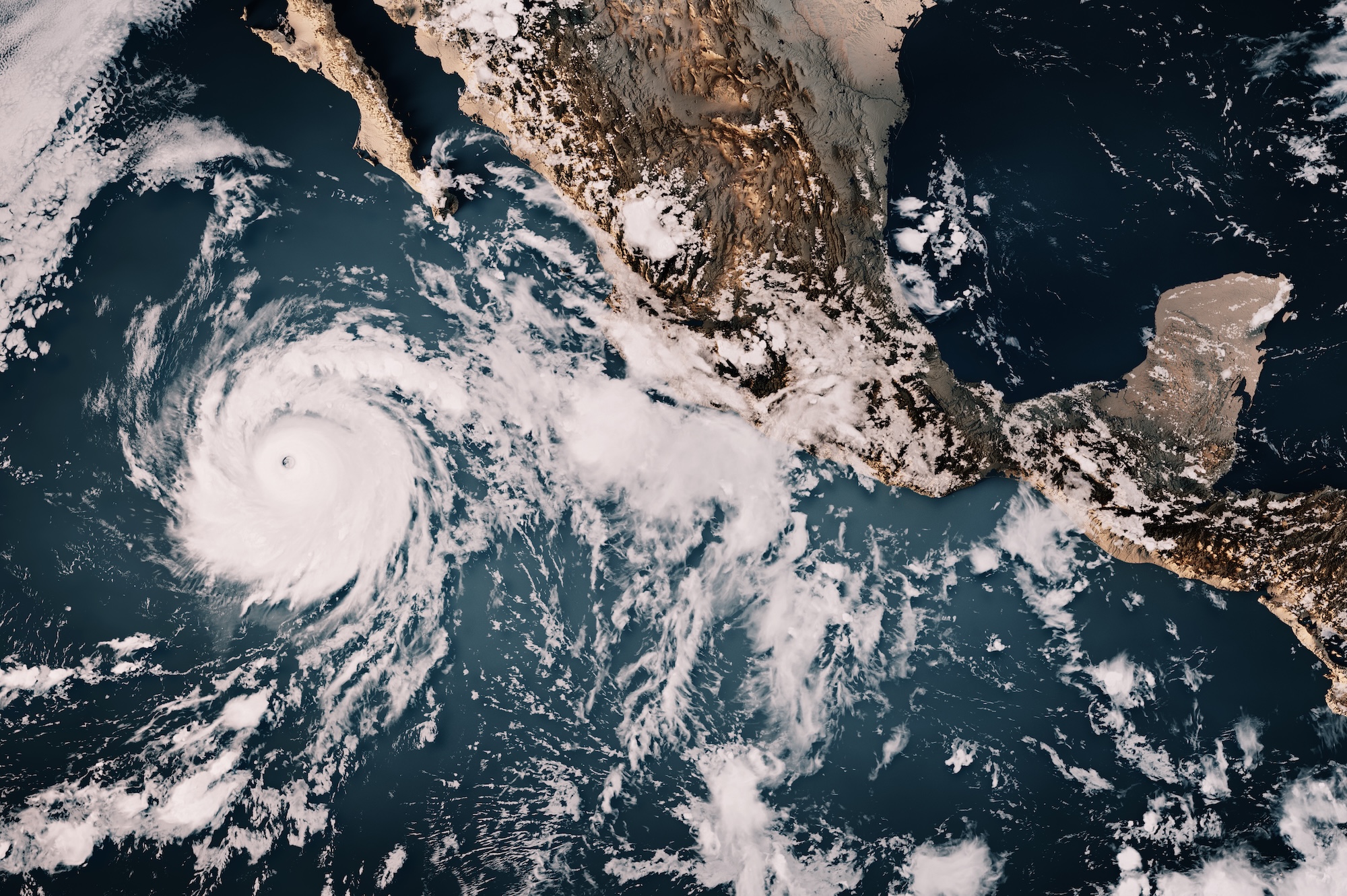
The 2026 iteration is unique not merely for its intensity, but for the rate at which it has developed. Climatologists note that the current warming exceeds the 2-degree Celsius threshold required for a "very strong" classification by a significant margin. This shift is not occurring in a vacuum; it is supercharging the baseline warming of the planet. As ocean heat content remains at historic highs, the atmosphere is absorbing this energy, leading to altered jet streams, disrupted precipitation cycles, and the exacerbation of both drought and flooding in vulnerable regions.
Chronology of a Developing Crisis
The trajectory of this event began to alarm meteorologists in early 2026, when subsurface heat in the Pacific began to accumulate at a rate inconsistent with historical averages. By mid-summer, data from the National Oceanic and Atmospheric Administration (NOAA) indicated that the transition to El Niño was occurring faster than anticipated.
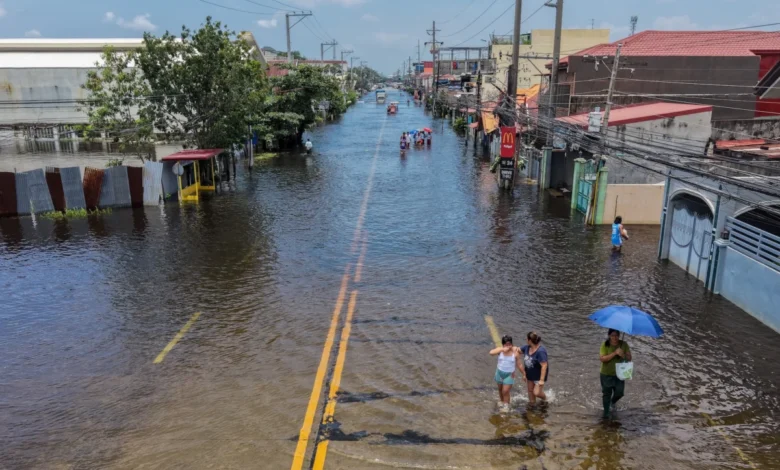
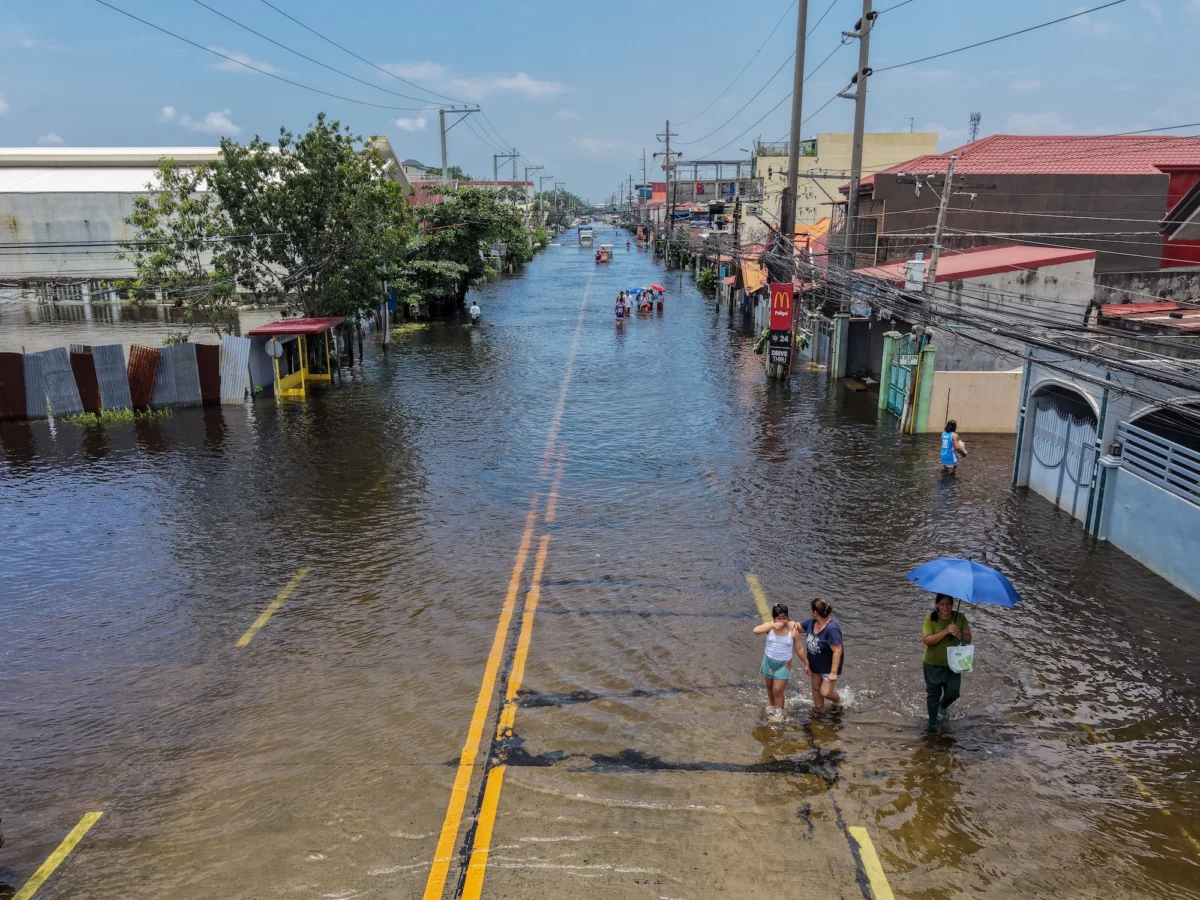
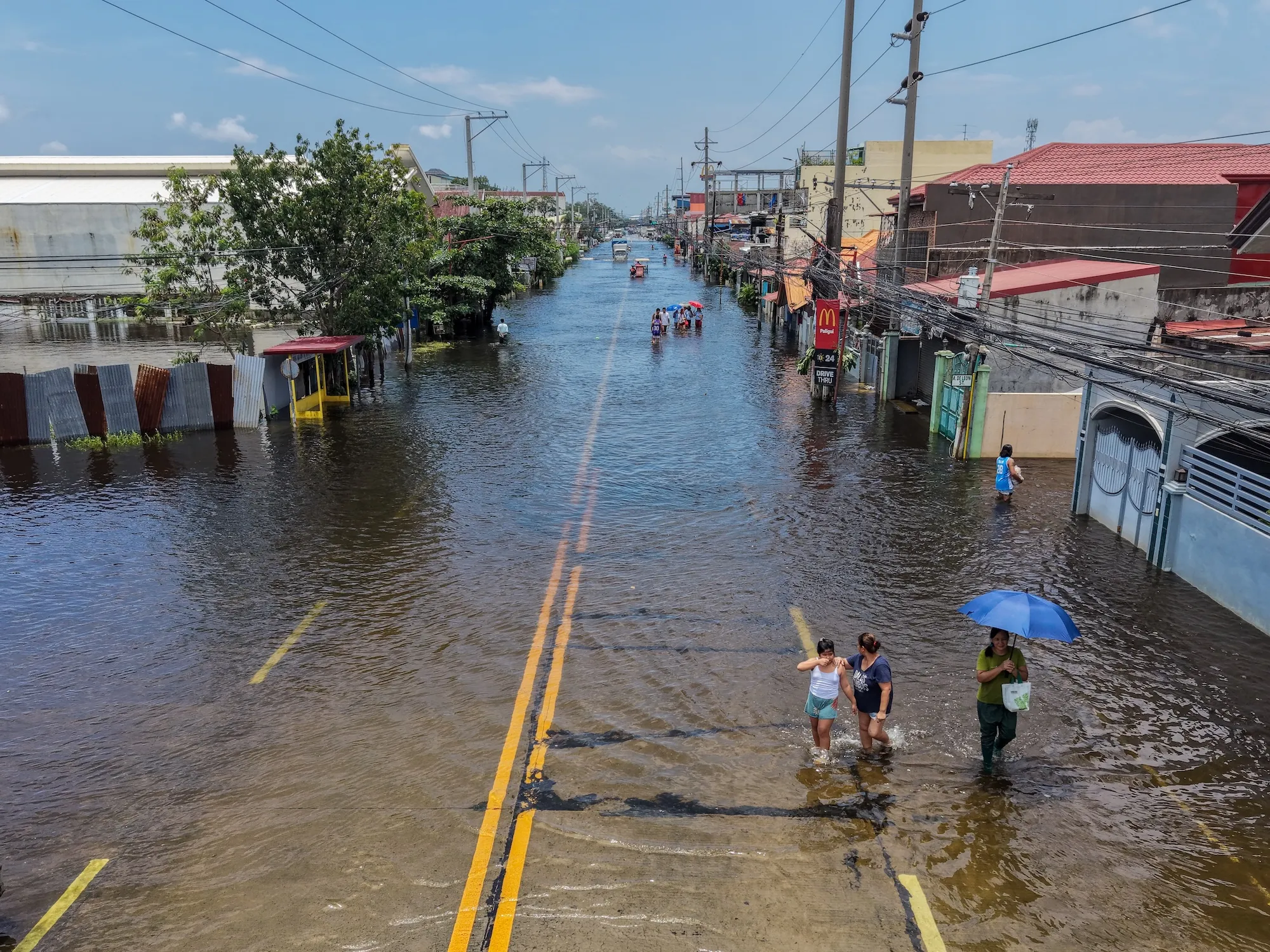
By August 2026, the global impact became tangible. Massive monsoon rains in the Philippines led to widespread displacement, while simultaneous, punishing droughts decimated agricultural output in Sri Lanka and parts of Central America. In September 2026, the situation reached a critical inflection point. A Carbon Brief analysis confirmed that the Niño 3.4 anomaly had hit 3.11 degrees Celsius, officially surpassing the previous record held by the 2015-2016 event.
In response to the deteriorating conditions, the state of California declared a formal state of emergency in late September 2026. This mandate is intended to streamline the mobilization of resources for coastal reinforcement, wildfire mitigation, and flood prevention, acknowledging that the state’s infrastructure is currently unprepared for the projected intensity of the coming winter season.
Scientific Consensus and Data Projections
The term "super El Niño" is not an official designation recognized by the World Meteorological Organization (WMO), yet it has gained traction as a shorthand for an event of unprecedented magnitude. Dr. Jeffrey Shaman of the Columbia Climate School has noted that while the label is colloquial, it effectively conveys the severity of the climate anomaly to the public.
The projections for the coming months are grim. Current models suggest a 90 percent probability that these extreme conditions will persist through the end of the calendar year. One harrowing study projects that the combined influence of this El Niño and sustained global warming could lead to as many as 451,000 heat-related deaths worldwide by February 2027. These fatalities are expected to result from a combination of direct exposure to extreme heat, the failure of cooling systems during power grid stress, and the secondary health effects of food and water insecurity.
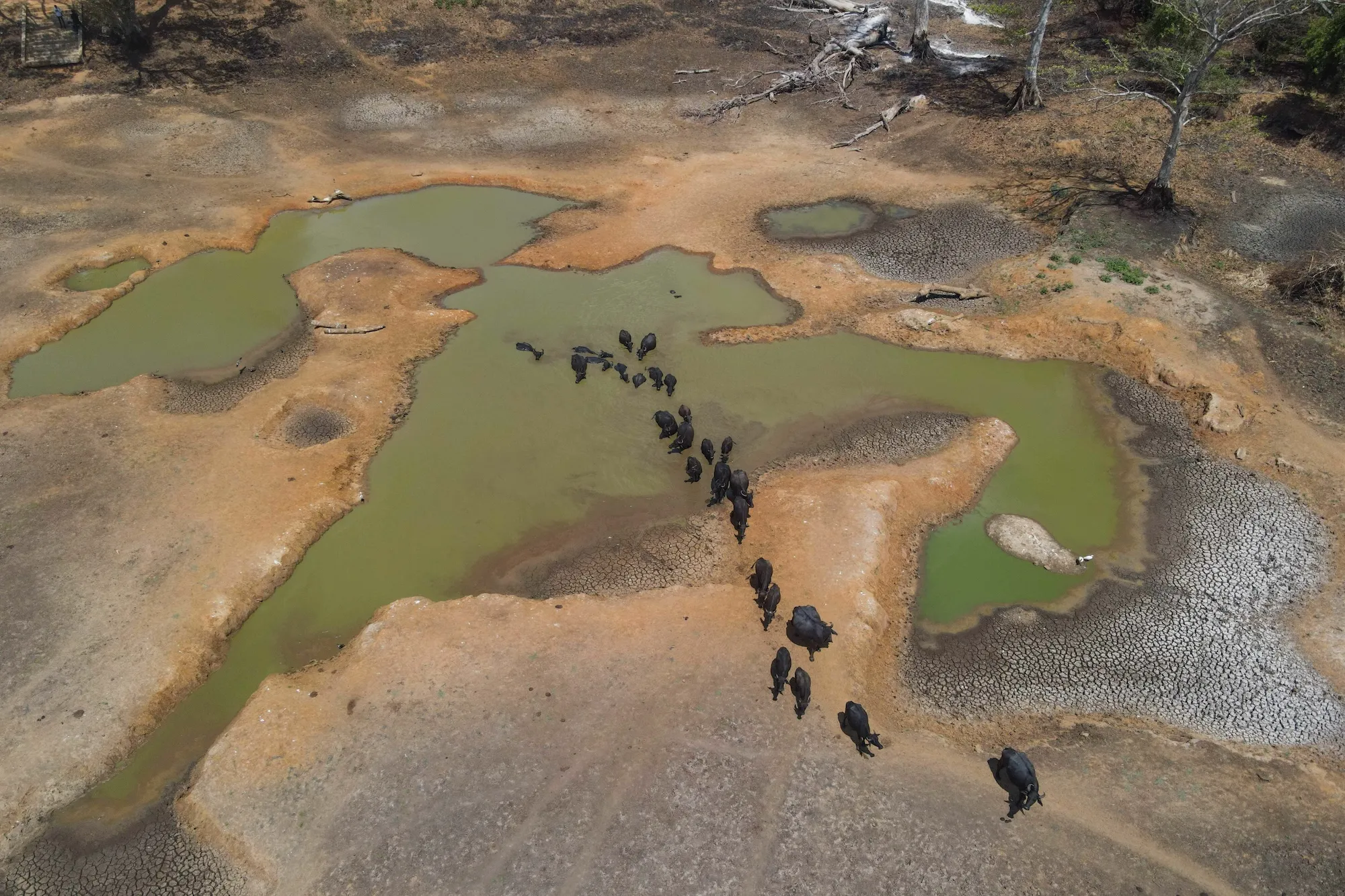
Furthermore, the "fast-forwarding" effect of this event on global temperatures cannot be overstated. By adding a significant layer of warming on top of a climate already stressed by the combustion of fossil fuels, 2026 is poised to be the hottest year in recorded history. Scientists, including Christopher Callahan of Indiana University, have warned that this year serves as a "generational event," potentially providing a preview of the average global temperatures the planet might reach by 2040 under current emissions trajectories.
Global Economic and Social Implications
The economic ramifications of the 2026 super El Niño are already being felt in global supply chains. The Panama Canal, a critical artery for international trade, has been forced to implement transit restrictions due to water shortages directly linked to the changing rainfall patterns. Such constraints on maritime traffic threaten to increase the costs of goods and exacerbate existing inflationary pressures.
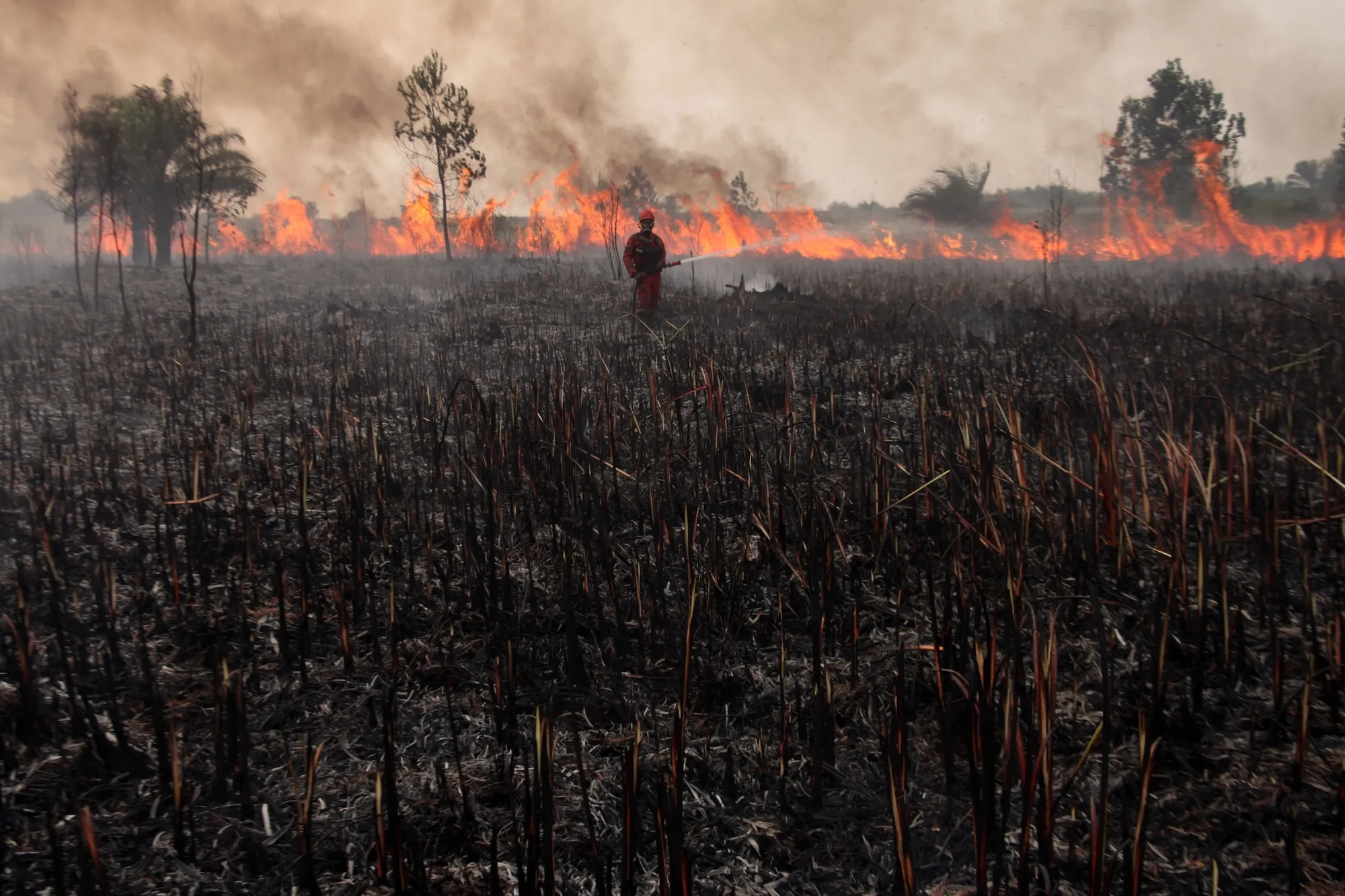
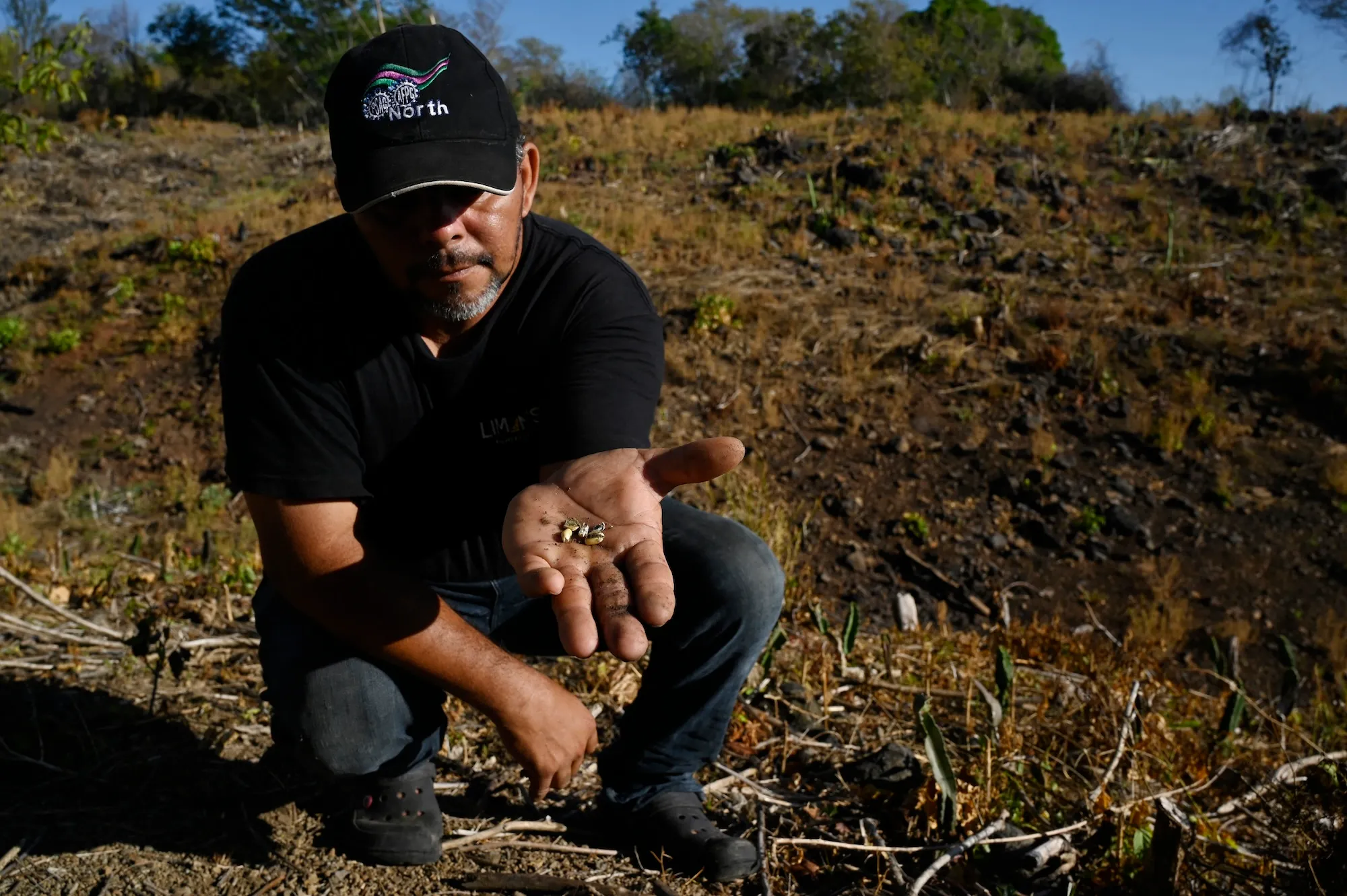
In the agricultural sector, the disruption is profound. From the corn-producing regions of Honduras, where crops have failed to germinate, to the wildfire-ravaged landscapes of Indonesia, the impact on food security is becoming a central concern for international aid organizations. The volatility of this year’s climate pattern makes it difficult for farmers to plan, leading to potential long-term damage to the agricultural base in developing nations that rely on predictable weather cycles.
Public health remains the most immediate concern. As temperatures climb, the risk of vector-borne diseases and heat-related exhaustion increases. Urban centers, particularly those in the Global South with limited access to climate-resilient infrastructure, face the highest risk. The declaration of emergency in California highlights that even developed nations are not immune, as rising sea levels, coupled with the energetic wave patterns characteristic of a super El Niño, accelerate coastal erosion and threaten property values and public safety.
The Evolution of Climate Communication
The emergence of terms like "super El Niño," "Godzilla El Niño," and "mind-bogglingly crazy" to describe climate events reflects a growing friction between scientific accuracy and the necessity of public awareness. Jovana Vurdelja, an expert in ecolinguistics, argues that the terminology used to describe climate disasters must evolve alongside the phenomena themselves.
The traditional scales—moderate, strong, and very strong—were developed when 2-degree anomalies were outliers. Now that these thresholds are being exceeded with increasing frequency, the vocabulary of science is struggling to keep pace. The danger, as experts like Zeke Hausfather have noted, is that the public may become desensitized to superlatives if the "extraordinary" becomes the new "ordinary."
There is an ongoing debate within the scientific community regarding whether new, more urgent terminology is required to spur political and social action. While "super El Niño" has effectively captured global attention, researchers remain focused on the underlying data. The goal remains to ensure that the language used does not drift into sensationalism, but rather provides a clear, actionable picture of the risks facing global communities.
Preparing for an Uncertain Future
As the world moves toward the peak of this weather event in early 2027, the focus of governments and international agencies must shift toward resilience and adaptation. The 2026 super El Niño is more than a meteorological anomaly; it is a stress test for the global order. It highlights the vulnerability of our energy grids, the fragility of our food systems, and the inadequacy of current infrastructure to handle the extremes of a rapidly warming planet.
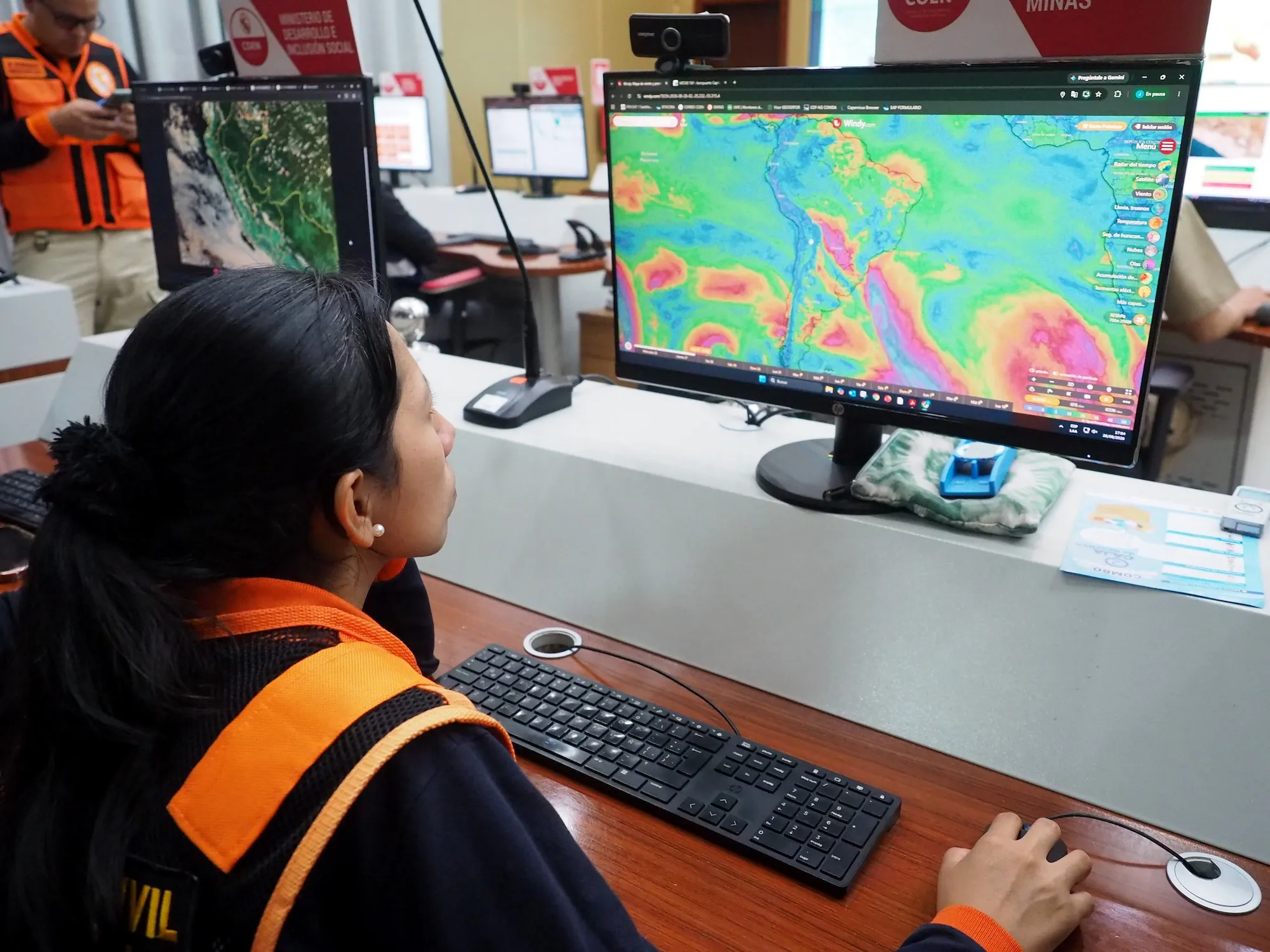
Planning for such events requires a multi-pronged approach: strengthening early warning systems, investing in drought-resistant agriculture, and accelerating the transition away from fossil fuels to prevent the "background" of global warming from worsening future cycles.
As we navigate the next several months, the 2026 event will likely be studied for decades as a defining moment in climate history. It serves as an urgent reminder that while El Niño is a natural phenomenon, its capacity for destruction is amplified by human action. The "super" designation may be a temporary label for a specific event, but the necessity for a sustained, systemic response to the changing climate is a permanent reality that the global community can no longer ignore.