The Impending Crisis in American Public Transit Funding and the Looming BUILD America 250 Act

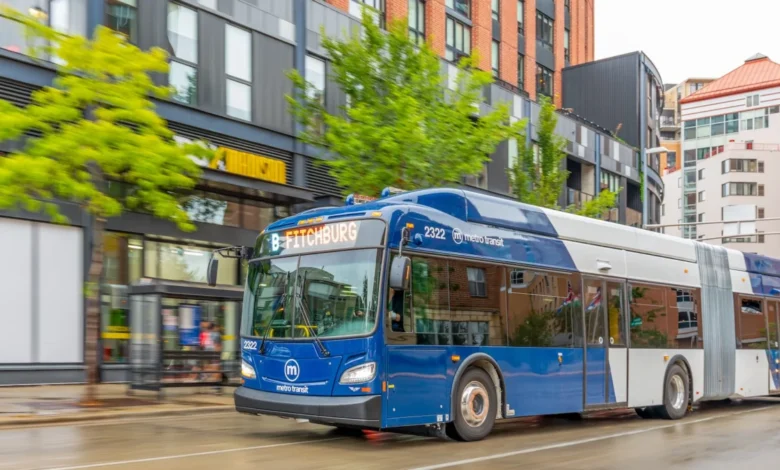
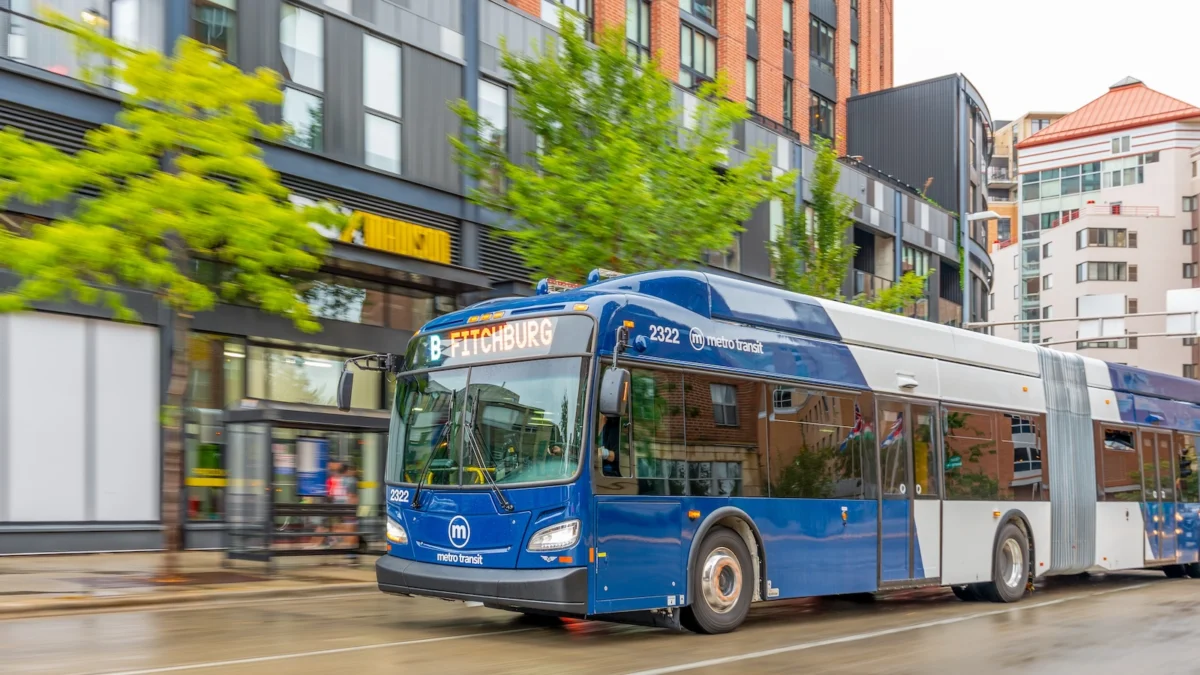
For millions of Americans living outside the dense corridors of major metropolitan hubs, the difference between autonomy and isolation often rests on the availability of a bus, a shuttle, or a subsidized ride-share program. In southern Idaho, Jeremy Maxand, executive director of the Living Independent Network Corp, manages a precarious web of transportation services for individuals with disabilities. His organization, which receives $100,000 in annual federal funding to facilitate these trips, describes the current state of regional transit as a “bare-minimum lifeline.” Yet, as the expiration of the 2021 Infrastructure Investment and Jobs Act approaches at the end of this year, Maxand and other advocates across the country are bracing for a future that promises even less.
The proposed bipartisan BUILD America 250 Act, currently moving through the legislative pipeline, is intended to reauthorize surface transportation programs for the next five years. However, public transit agencies, urban planners, and civil rights advocates are sounding the alarm: the legislation represents a significant retrenchment in federal support for public mobility. According to the American Public Transportation Association (APTA), the bill proposes $103.3 billion for public transit over the next five years—a $16.5 billion reduction compared to the $119.9 billion baseline established by the 2021 Biden-era legislation. When adjusted for the persistent pressures of inflation, the Urban Institute estimates that the legislation would require an additional $24 billion just to maintain the current, already strained level of service.
A Chronology of Infrastructure Funding
The current uncertainty stems from the sunsetting of the Infrastructure Investment and Jobs Act (IIJA), a $1.2 trillion package signed into law in November 2021. The IIJA was heralded as a generational investment in American infrastructure, allocating significant sums to bridge, road, and transit repairs. For a brief period, the federal government signaled a commitment to modernizing mobility.
However, the political landscape shifted as the 2026 reauthorization cycle approached. The BUILD America 250 Act emerged as a bipartisan compromise, aimed at balancing federal deficits while addressing national infrastructure maintenance. Despite its stated goals, the bill’s focus has tilted heavily toward highway expansion and maintenance, relegating public transit to a secondary tier. If enacted in its current form, the bill would mark the first significant federal retreat from public transit funding in over a decade, arriving at a time when many agencies are still struggling to recover from the fiscal shocks of the COVID-19 pandemic.
The Geography of Transit Deserts
The impact of these cuts will not be felt uniformly, but the burden will fall disproportionately on communities that lack the tax base to offset federal losses. In Idaho, which the Urban Institute projects will face the nation’s largest percentage drop in federal formula transit funding at 18 percent, the consequences could be catastrophic.
“When the federal funding goes away, everything goes away,” Maxand said. For his clients, the loss of transit is not merely an inconvenience; it is a fundamental loss of agency. Without reliable transportation, individuals with disabilities face heightened social isolation, often limited to leaving their homes only for essential medical appointments.
The crisis is equally acute in states like Maine, which relies on federal funding for approximately 38 percent of its transit budget. Josh Caldwell, a co-facilitator of Transportation for Maine, notes that the state’s infrastructure is already failing to meet modern benchmarks. “Nowhere in the state do we have service that is at the standard that we’d like to see, which is a regularity of every 15 minutes,” Caldwell explained. This situation is compounded by a $400 million transportation funding shortfall at the state level, largely due to a long-standing freeze on gas tax increases that has failed to keep pace with inflation and the rising number of fuel-efficient vehicles.
The Hidden Costs of Automotive Dependency
Transit advocates argue that the debate over the BUILD Act misses a broader economic reality: transportation is the second-highest expenditure in the average American household budget. By starving public transit systems, lawmakers may inadvertently force low- and middle-income families into the expensive trap of car ownership.

LeeAnn Hall, campaign manager for the Alliance for a Just Society’s National Campaign for Transit Justice, emphasizes that investing in transit is a policy that pays dividends for all citizens, even those who never step foot on a bus. “Every dollar that we invest in public transit reduces congestion, makes driving safer, and creates opportunities for families to have options,” Hall said. When transit service is cut, the immediate shift to private vehicle ownership—with its attendant costs of fuel, insurance, maintenance, and parking—effectively serves as a regressive tax on the working class.
Urban Challenges and Political Dissent
While rural and tribal communities are particularly vulnerable to the loss of federal formula funding, the cuts would also deal a massive blow to major urban transit agencies. New York City, for instance, faces a projected $2.3 billion shortfall over the next five years.
Representative Jerry Nadler (D-NY), the lone Democrat on the House Transportation and Infrastructure Committee to formally oppose the bill, criticized the legislation for perpetuating a systemic bias in federal spending. “It continues a familiar pattern: Highways are treated as the default national priority, while rail and transit are left fighting for insufficient resources,” Nadler stated.
This sentiment is echoed by policy experts like Danny Pearlstein of the Riders Alliance, who believes that political leaders are failing to match the scale of the crisis. “The Biden infrastructure bill was not the high-water mark,” Pearlstein argued. “We could do much better than that in a variety of different ways, and we shouldn’t hold up bipartisanship as a core value of how we fund transportation when we have such sharply diverted views of the role of government.”
The Implication of “Capital Investment” Deficits
A critical, yet often overlooked, aspect of the proposed funding decline is its effect on “capital investment.” This refers to the long-term, high-cost projects—such as building new rail lines, extending bus rapid transit routes, or upgrading aging fleet technology—that require consistent, predictable federal support.
Yonah Freemark, a researcher at the Urban Institute, warns that the BUILD Act will severely hamper these long-term developments. When federal capital funding dries up, transit agencies are often forced to delay fleet replacements, leading to the use of older, less reliable vehicles. In Indianapolis, transit planner Austin Gibble noted that the agency IndyGo may be forced to postpone bus acquisitions, a move that would degrade the quality of service for the entire region. Even more concerning to Gibble is the situation in suburban and rural jurisdictions like Hamilton County, Indiana, where the waitlist for specialized, reservation-based transit services can stretch for weeks.
A Call for Re-evaluation
As the year draws to a close, the debate over the BUILD America 250 Act remains a flashpoint for competing visions of the federal government’s responsibility. For advocates, the current trajectory is unsustainable. Jeremy Maxand’s analogy—likening the removal of transit funding to cutting power to a ventilator—underscores the desperation felt by those who serve the most vulnerable populations.
The bipartisan nature of the bill reflects a desire for fiscal restraint, but critics contend that this restraint is being applied to the wrong line items. By prioritizing highway expansion over the maintenance and expansion of public transit, the proposed legislation risks further cementing the reliance on private vehicles at a time when climate goals, affordability, and accessibility are ostensibly national priorities.
As the legislative session concludes, the fate of America’s transit networks hangs in the balance. Whether Congress chooses to bridge the $24 billion gap required to maintain current service levels or proceeds with the proposed cuts will determine the mobility landscape of the United States for the next half-decade. For the millions who rely on these systems, the difference is not just budgetary—it is the difference between participating in the economy or being left behind.
Related posts: