Mardi Gras Revelers Leave Behind Record Amounts of Trash Despite Sustainability Efforts in New Orleans

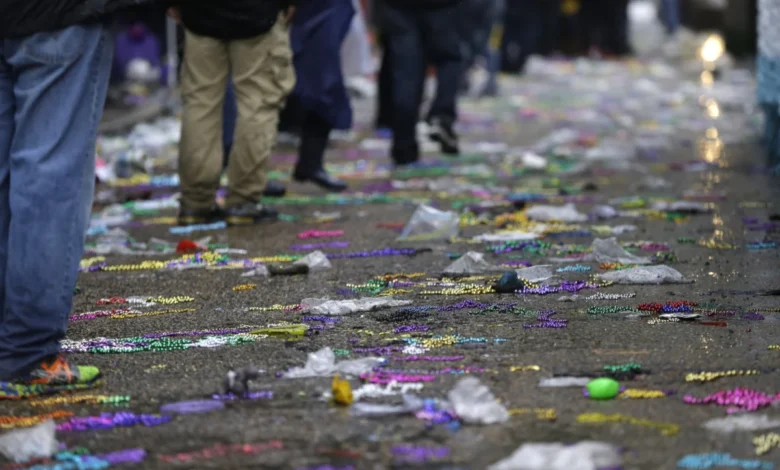
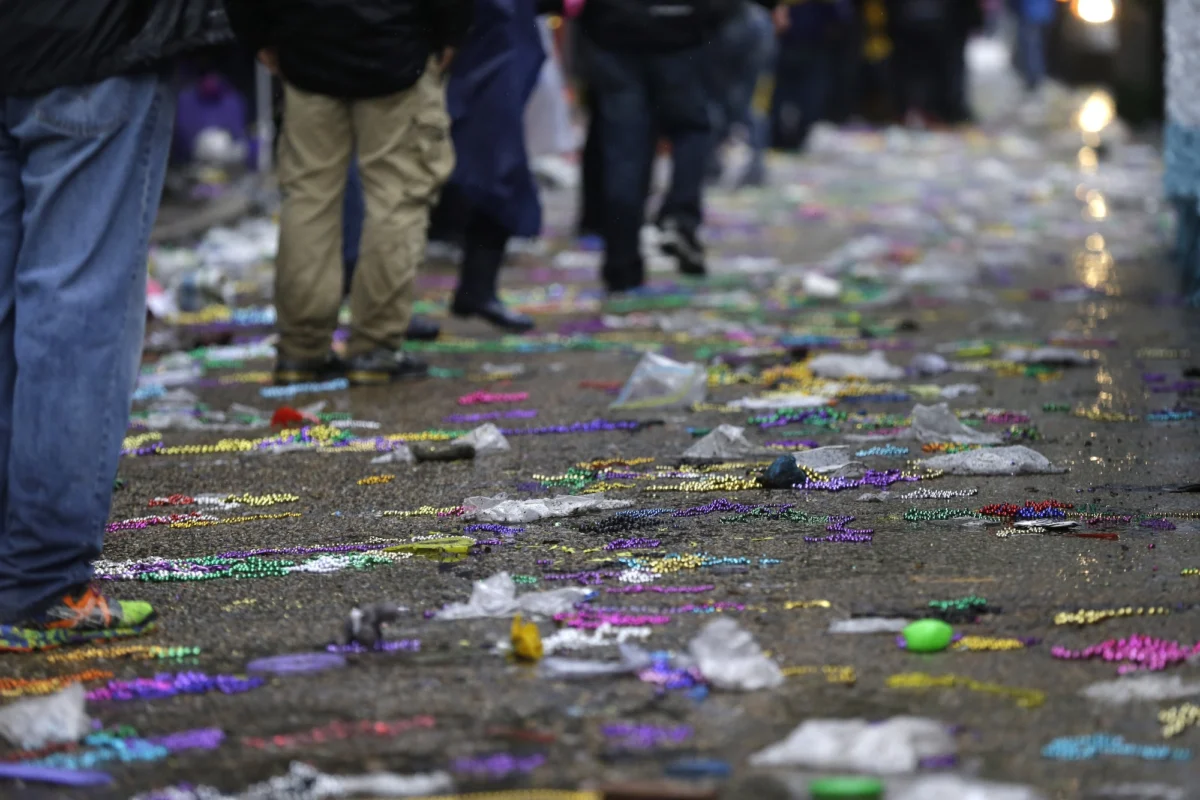
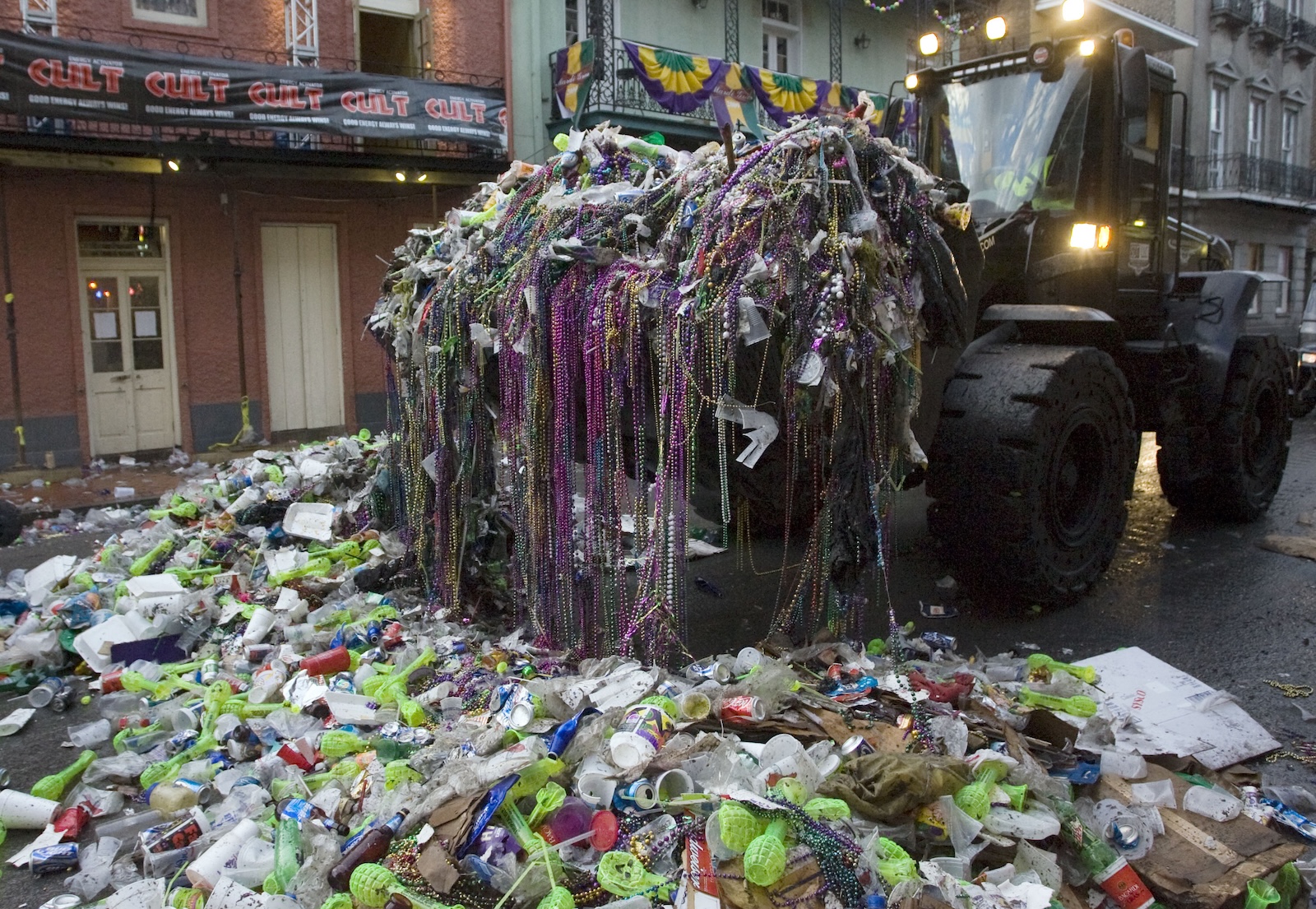
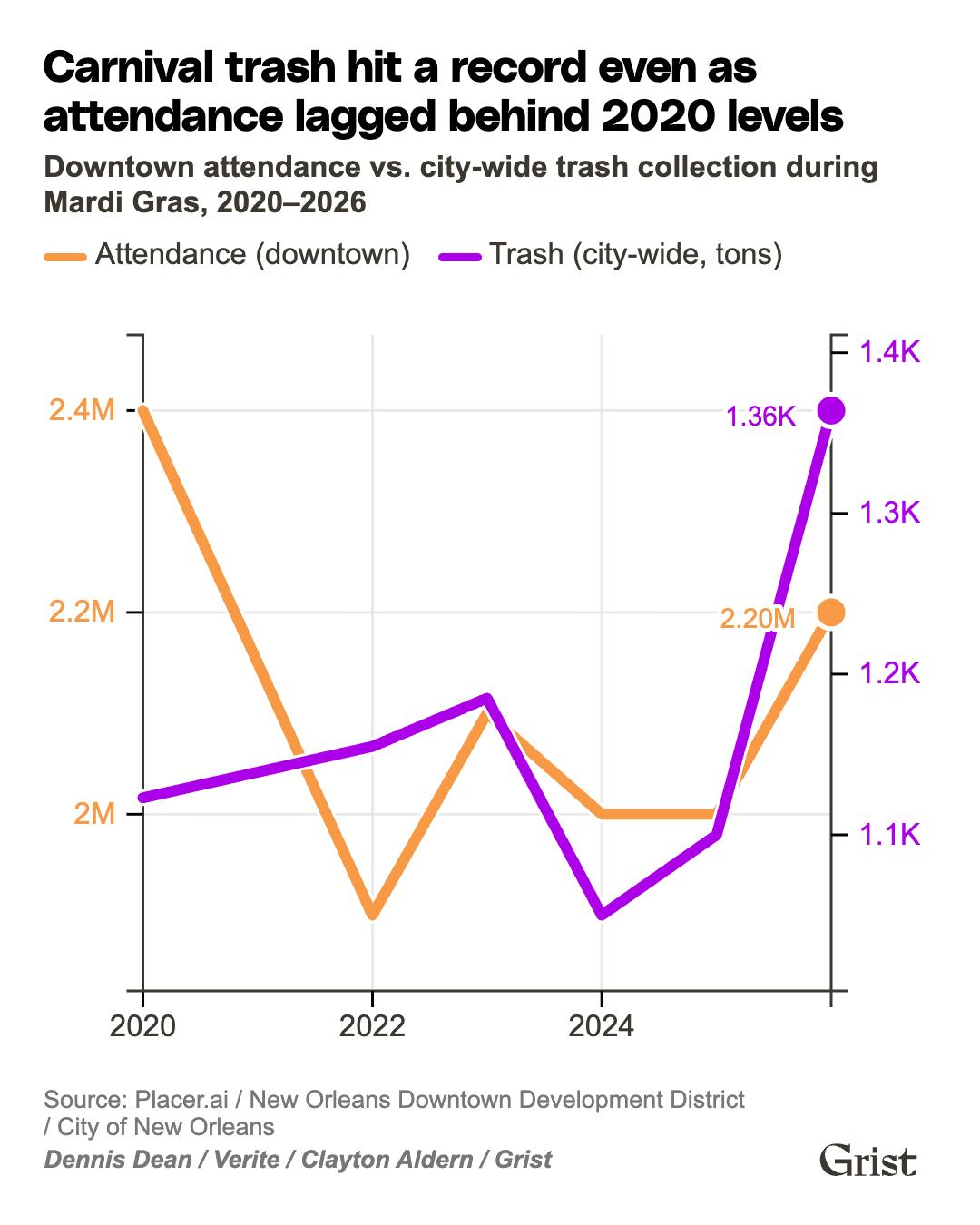
The vibrant streets of New Orleans, typically synonymous with the rhythmic pulse of brass bands and the kaleidoscopic swirl of parade floats, are increasingly defined by a more sobering sight in the wake of the Carnival season: mountains of refuse. Recent data reveals that despite a concerted push toward sustainability and a shift in the types of "throws" tossed from floats, the city is grappling with a record-breaking volume of waste. During the approximately five-week duration of the 2026 Carnival season, sanitation crews collected a staggering 1,363 tons of debris along parade routes. This figure represents a 24 percent increase from the previous year and stands as the highest total on record, raising urgent questions about the environmental future of one of America’s most iconic cultural celebrations.
To put the 1,363-ton figure into perspective, the weight is equivalent to approximately 741 mid-sized automobiles. In local terms, it matches the weight of the historic Steamboat Natchez or the mass of more than one million king cakes. This surge in waste comes nearly a decade after a 2018 drainage cleanup operation famously recovered 46 tons of Mardi Gras beads from a single stretch of the city’s clogged storm drains—a discovery that served as a catalyst for municipal reform and public outcry. However, the latest figures suggest that the momentum for "doing better" has stalled, overtaken by changing spectator behaviors and systemic municipal challenges.
A Decade of Debris: The Chronology of Carnival Waste
The history of Mardi Gras waste is inextricably linked to the evolution of the "throw." For over a century, riders on social club floats, known as krewes, have showered crowds with trinkets. What began in the late 19th century as glass beads and food items evolved by the mid-20th century into mass-produced plastic necklaces, toys, and cups, mostly imported from overseas.
In 2018, the city reached a breaking point when Public Works crews, tasked with cleaning out the city’s aging drainage system, found the pipes so packed with plastic beads that water could no longer flow. Then-Public Works director Dani Galloway remarked at the time that the sheer magnitude of the waste—46 tons in the drains alone—was a wake-up call for the city. Following this, New Orleans began implementing "gutter buddies"—temporary filtration systems designed to catch beads before they enter the catch basins.
Despite these infrastructure interventions, the total tonnage of trash collected from the streets has trended upward. In the early 2010s, the annual trash collection hovered around 880 tons. A significant spike occurred in 2017, when totals surpassed 1,320 tons. Since then, with the exception of the 2021 season which was canceled due to the COVID-19 pandemic, the tonnage has consistently remained above the 1,000-ton mark. The 2026 record of 1,363 tons marks a new and concerning peak in this trajectory.
The Crowd Correlation Myth
City officials have frequently attributed the rise in rubbish to the growing popularity of the festivities. For the 2026 season, an estimated 2.2 million people visited downtown New Orleans, a 10 percent increase from 2025. Sanitation Director Matt Torri suggested to the City Council in March that the increase in waste was "directly associated with the larger crowds," arguing that more people enjoying the season was ultimately a positive indicator for the city’s economy.
However, an analysis of annual attendance data versus cleanup records conducted by Verite News suggests a more complex reality. There is no clear, linear relationship between the number of visitors and the weight of the trash collected. For instance, the 2020 Carnival season saw higher attendance—approximately 2.4 million people—yet produced 241 fewer tons of garbage than the 2026 season. This discrepancy indicates that while crowd size is a factor, it is not the primary driver of the waste crisis. Instead, the "per capita" waste production of the average reveler appears to be increasing.
The Paradox of Sustainable Throws
One of the most perplexing aspects of the 2026 record is that it occurred during a period of heightened environmental awareness among krewes. Organizations such as Grounds Krewe, a nonprofit dedicated to making Mardi Gras more sustainable, have successfully lobbied many parade organizations to move away from "junk" throws.
In recent years, many krewes have replaced cheap plastic beads with higher-value, functional items such as branded socks, wooden cooking spoons, metal drinking cups, and baseball caps. These items are intended to be kept rather than discarded. Simultaneously, recycling efforts have expanded. In 2026, volunteer groups diverted roughly 28 tons of glass, aluminum, and reusable beads from landfills.
"To see the waste go up that much, it’s just absurd," said Brett Davis, founder of Grounds Krewe. He noted that even if the city had fully funded its intended $200,000 recycling budget—which was cut due to fiscal constraints—it would not have been enough to offset the 24 percent spike in total waste. The paradox remains: as the industry moves toward better "throws," the streets are becoming dirtier.
From Beads to Bedding: The Rise of the "Krewe of Chad"
The missing link in the waste equation appears to be a shift in spectator culture. Observers and city leaders point to a growing trend of revelers treating the public neutral grounds (street medians) and sidewalks as private, long-term encampments. This demographic, colloquially dubbed the "Krewe of Chad," is characterized by setting up elaborate viewing stations days or weeks in advance.
These encampments often include:
- Heavy-duty canopy tents and scaffolding.
- Plywood viewing platforms and chained-together ladders.
- Full-sized sofas, recliners, and dining sets.
- Industrial-sized grills, generators, and portable toilets.
- Large plastic tarps used to "claim" sections of public grass.
When the final parades pass on Fat Tuesday, many of these items—damaged by weather, use, or simply too cumbersome to transport—are abandoned. A single discarded sofa can weigh as much as 300 pounds, contributing more to the total tonnage than thousands of individual plastic beads.
City Council President JP Morrell has been a vocal critic of this behavior, describing it as a "sense of abject entitlement." According to Morrell, the labor-intensive task of clearing these "disposable" living rooms falls on municipal workers who must work 18-hour shifts to clear the routes for the return of normal traffic.
Municipal Constraints and the Security Pivot
The city’s ability to curb this "encampment culture" has been hampered by a series of budget and security crises. While New Orleans introduced stricter rules in 2024—banning tents, tarps, and platforms on parade routes—enforcement has been inconsistent.
The enforcement landscape shifted dramatically following a tragic New Year’s Day terror attack in 2025, which claimed 14 lives on Bourbon Street. In the aftermath, the New Orleans Police Department (NOPD) and city administration prioritized counter-terrorism and crowd security over sanitation ordinances. With a $220 million budget deficit leading to municipal layoffs, the city lacked the manpower to seize illegal encampments effectively.
Council President Morrell admitted that the city is "hard up for cash," noting that while police do their best, the enforcement of parade-route rules cannot be as "robust" as necessary to change public behavior. Consequently, the lack of consequences has emboldened revelers to bring more heavy gear, knowing it can be left behind for the city to handle.
Environmental and Infrastructure Implications
The implications of 1,363 tons of waste extend far beyond aesthetics. New Orleans is a city below sea level, reliant on a precarious network of pumps and canals to prevent catastrophic flooding. Even with "gutter buddies," the sheer volume of microplastics and litter eventually finds its way into Lake Pontchartrain and the Mississippi River.
Furthermore, the toxic legacy of traditional Mardi Gras beads remains a concern. Studies by the Ecology Center have found that many imported plastic beads contain high levels of lead, bromine, and antimony. As these beads are crushed by foot traffic and vehicles into fine dust, they contribute to soil and water contamination, posing a long-term public health risk to the local ecosystem.
Conclusion: The Future of Carnival
As New Orleans looks toward future Carnival seasons, the data from 2026 serves as a stark warning. The record-high waste tonnage suggests that the current model of cleanup and voluntary sustainability is insufficient to counteract the "disposable" culture of modern spectating.
While the efforts of groups like Grounds Krewe provide a blueprint for a greener Mardi Gras, the burden of change may ultimately fall on municipal policy. Without a combination of stricter enforcement of encampment bans, a return to robust recycling budgets, and a cultural shift among attendees, the "Greatest Free Show on Earth" risks being buried under the weight of its own excess. As Brett Davis noted, "Having the krewes throw less is great, but what’s really heavy is a couch. Unless we have the trucks and the will to haul it away before it becomes trash, this trend will only continue."
Related posts: