The Silent Siege of the Pacific: U.S. Territories Face Unilateral Deep-Sea Mining Expansion

Lou Leon Guerrero, the governor of Guam, learned about the federal government’s plan to authorize large-scale mining of her people’s ancestral waters the same way most citizens encounter breaking news: through an unsolicited digital notification. On November 12, an advisor forwarded an article detailing the Trump administration’s intent to lease millions of acres of seafloor surrounding the territory to private mining interests. The news was both sudden and shocking for the territorial leader, who had received no prior consultation from Washington.
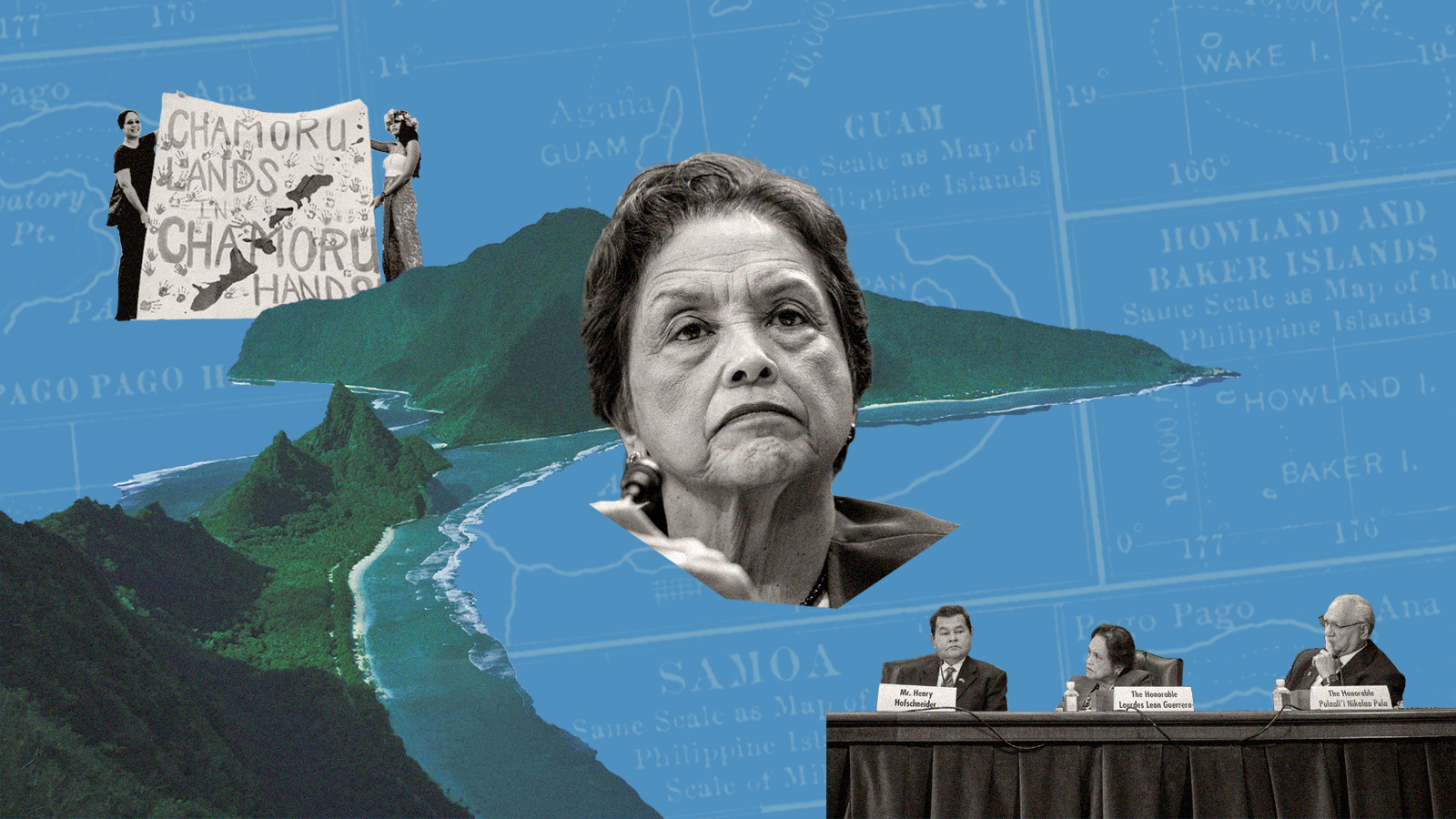
This event marks a critical flashpoint in the ongoing tension between U.S. federal authority and the rights of Pacific island territories. For residents of Guam, American Samoa, and the Commonwealth of the Northern Mariana Islands (CNMI), the ocean is not merely a geographic boundary or a resource reservoir; it is a vital component of cultural heritage, food security, and economic survival. The administration’s move to auction off these submerged lands, citing a need to secure critical minerals to counter Chinese market dominance, has reignited long-standing debates regarding the democratic deficit inherent in the American territorial system.
A Chronology of Unilateral Expansion
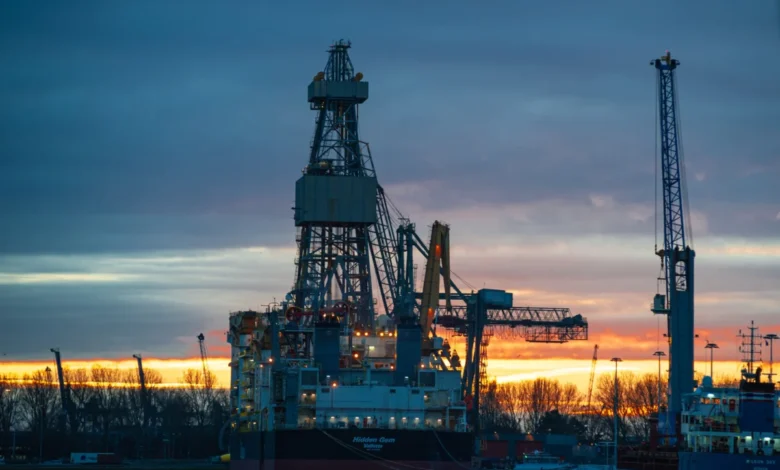
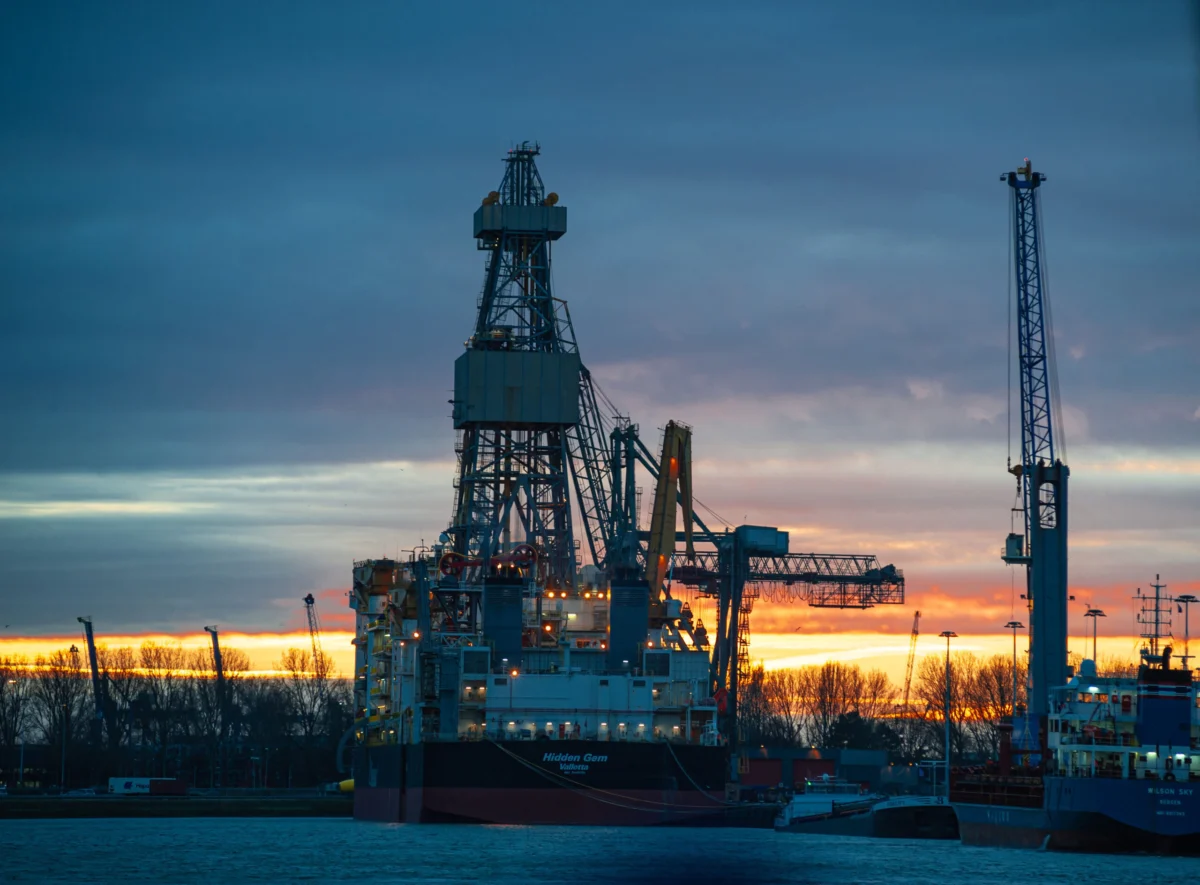
The federal push for deep-sea mining (DSM) began to accelerate in the mid-2020s as the U.S. sought to secure domestic supplies of copper, manganese, nickel, and rare earth elements—components deemed essential for modern military hardware and the global transition to battery-powered technology.

The timeline of the administration’s actions reflects a rapid and often opaque process:
- June 2025: The governor of American Samoa, Pula’ali’i Nikolao Pula, announced a unified government position opposing deep-sea mining in territorial waters, citing the need to protect natural resources.
- July 2026: The Marine Minerals Administration (MMA) announced an auction for 31 million acres of the continental shelf near American Samoa.
- August 2026: The MMA expanded its scope, announcing plans for a December lease sale covering 67 million acres across the Mariana Islands, including waters adjacent to a national marine monument established by the George W. Bush administration.
- November 2026: Federal regulators quietly doubled the area under consideration for mining around Guam, often without notifying local leadership until the public records were updated.
The Governance Gap and the Question of Consent
Under international law, specifically the principles outlined in the United Nations Declaration on the Rights of Indigenous Peoples, communities often hold the right to "free, prior, and informed consent" regarding industrial projects on their traditional lands and waters. However, because Guam, American Samoa, and the CNMI are U.S. territories, they operate under a different legal framework. Residents cannot vote for the U.S. president and lack voting representation in Congress, leaving them in a position of political vulnerability.
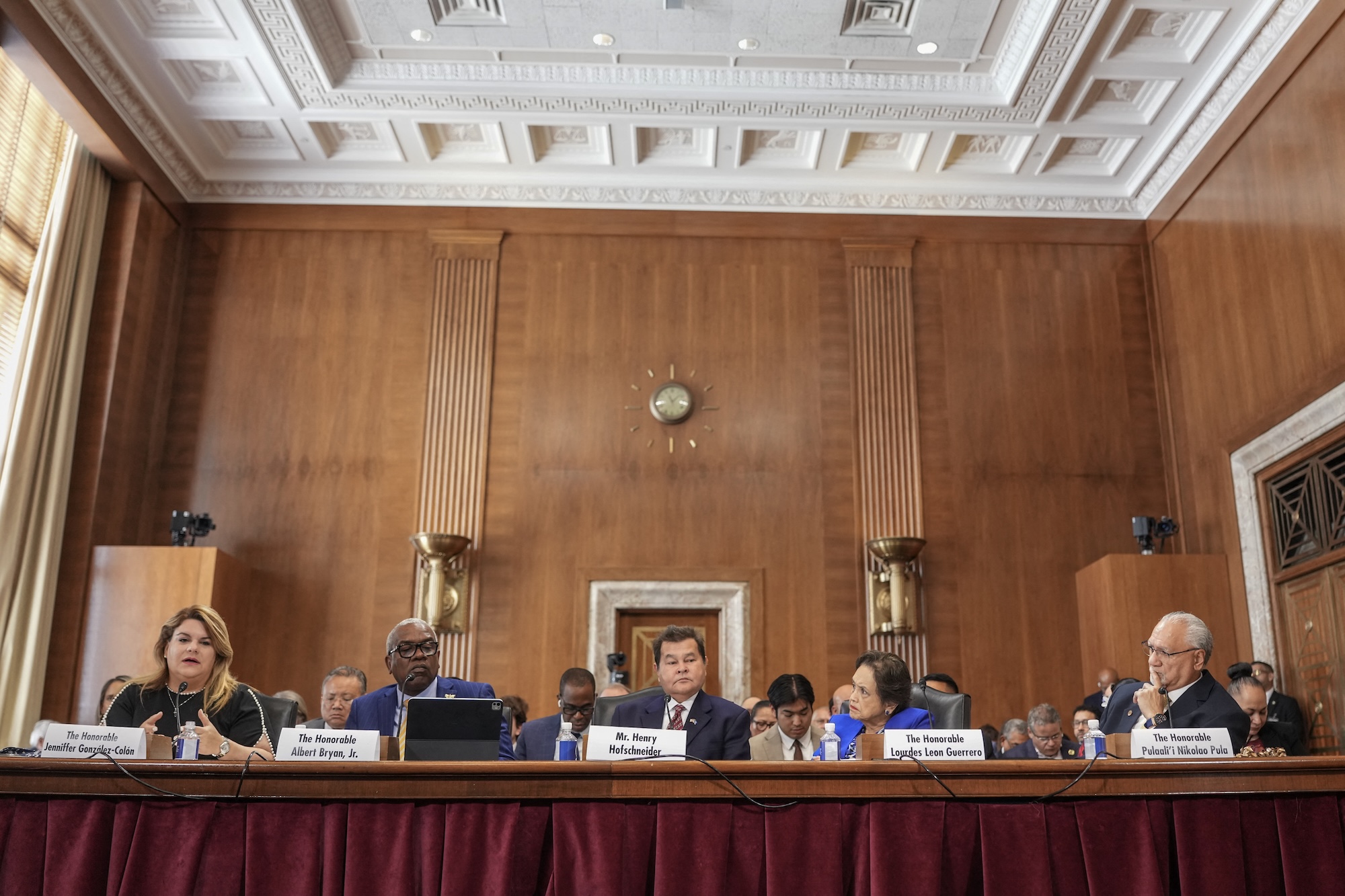
Adi Martínez-Román, co-director of the advocacy group Right to Democracy, notes that this exclusion is an intentional feature of the U.S. territorial framework. "The territories are practically invisible to the general U.S. society and to public officials," she explains. "It is an insidious result of the colonial framework." While independent Pacific nations like Samoa, Palau, and the Cook Islands can leverage their sovereignty to either ban mining or set their own environmental standards, U.S. territories remain beholden to the Bureau of Ocean Energy Management (BOEM) and the Department of the Interior.
Ecological Concerns and the Scientific Unknown
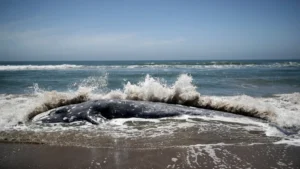
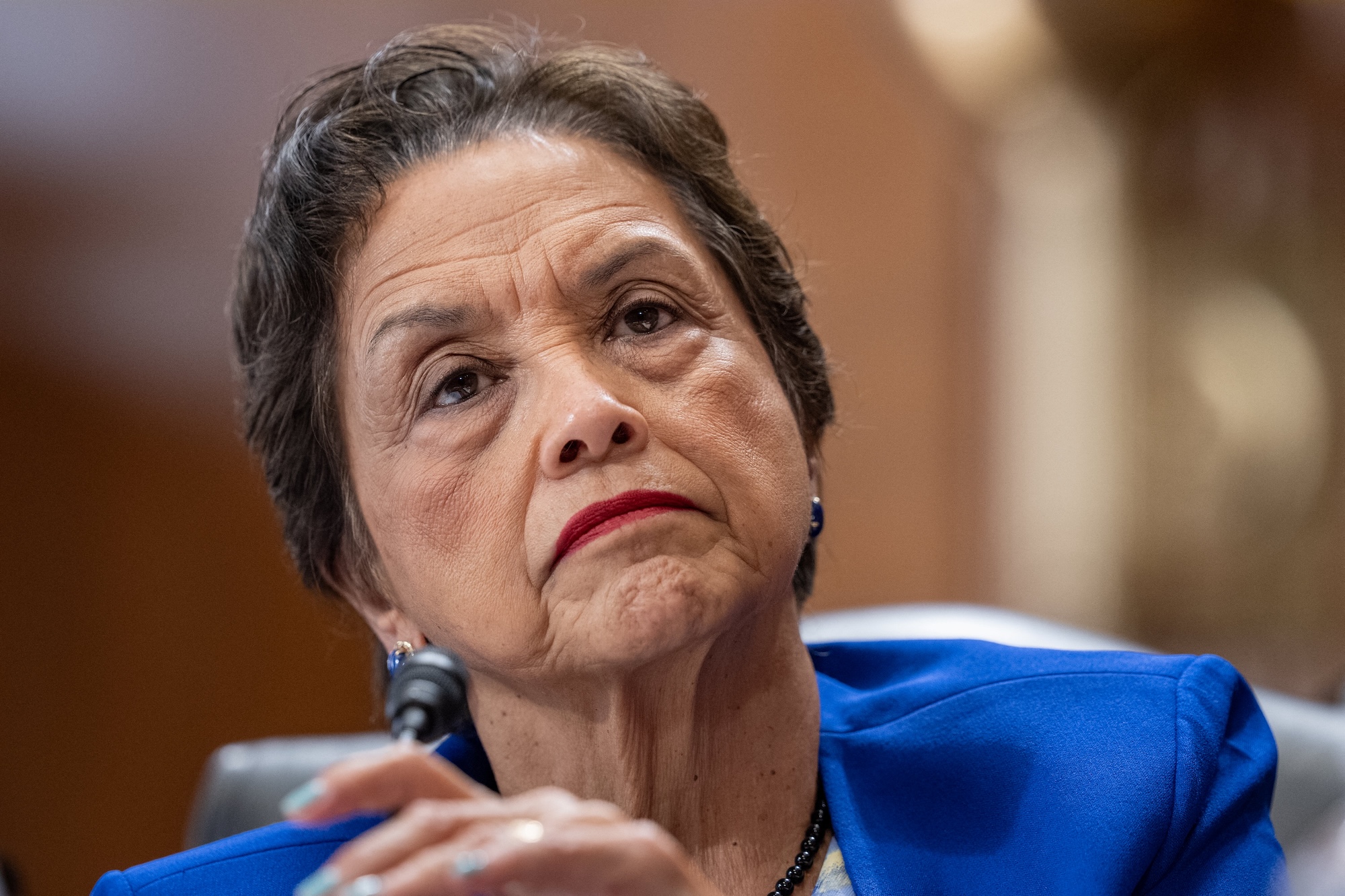
The scientific community remains deeply divided over the potential impact of deep-sea mining, primarily because commercial-scale operations have yet to occur. However, existing research indicates significant risks. A recent study suggests that the extraction process—which involves suctioning mineral-rich nodules from the seafloor—creates sediment plumes that can travel for miles, potentially suffocating marine life and disrupting the migratory patterns of whales, sea turtles, and commercially vital fish species like tuna.
In American Samoa, the tuna industry represents approximately 80 percent of the private-sector workforce. Environmentalists and local leaders fear that the potential degradation of the surrounding ecosystem could lead to an economic catastrophe. Despite these warnings, mining proponents argue that the environmental impact will be mitigated through stringent feasibility and safety assessments required after a lease is granted.
Local Resistance and the Fight for Revenue Sharing
The response from territorial leaders has been a mix of defiance and pragmatic bargaining. In the Northern Mariana Islands, House delegate Kimberlyn King-Hinds has proposed legislation to secure 50 percent of all future seabed mining revenue for the territory. The argument is simple: if the federal government is going to move forward with an industry that risks local resources, the community must be insulated by both environmental protections and financial compensation.
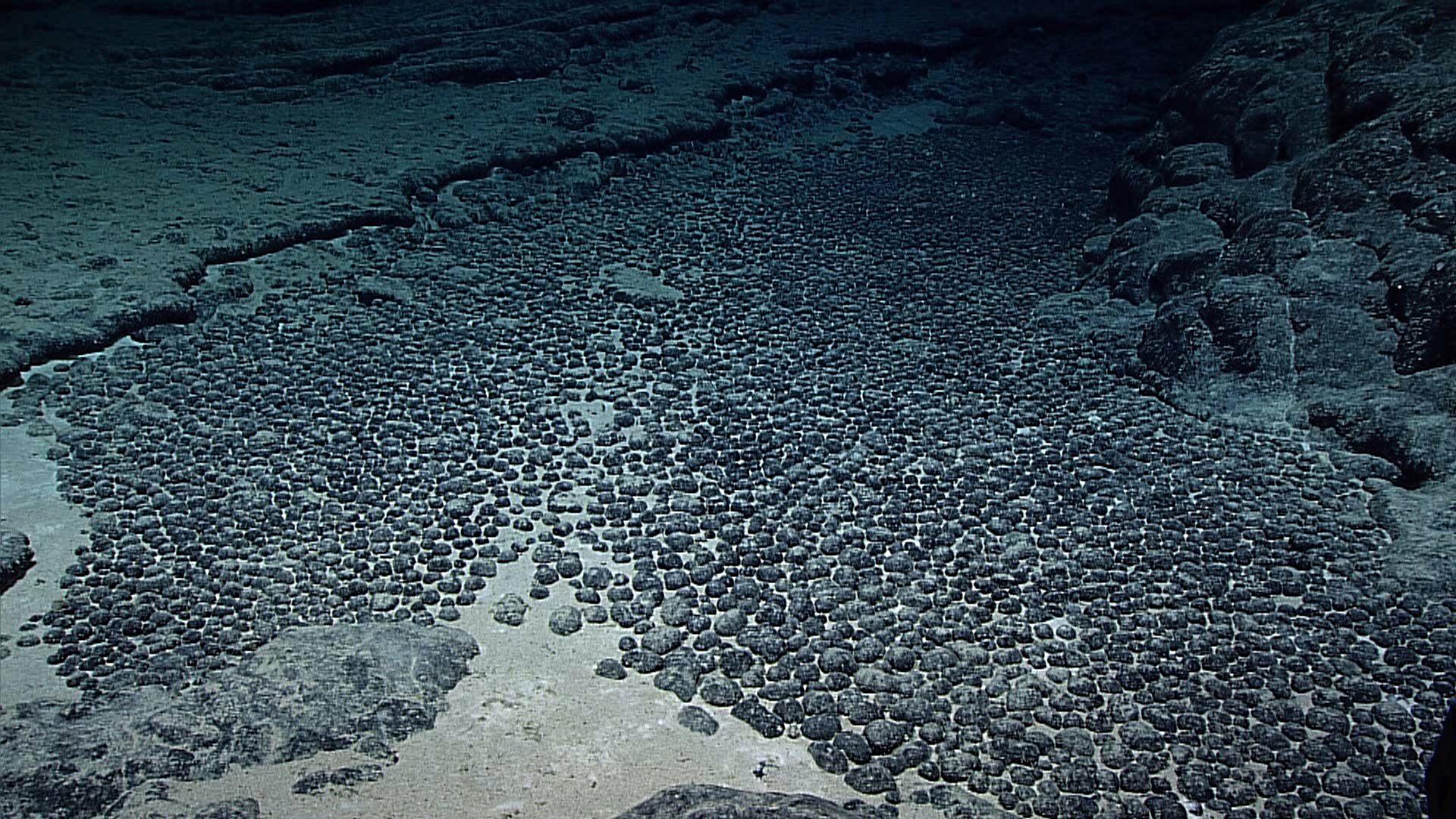
"If they’re going to shove this down our throats, I want to be able to ensure that we have a backup plan," King-Hinds stated.
However, the path to such an agreement is fraught with difficulty. The Metals Company, a leading firm in the sector, has invested hundreds of thousands of dollars into lobbying federal officials in Washington, D.C. Conversely, the territories have limited mechanisms to exert pressure on federal agencies, other than participating in public comment periods that residents frequently criticize as insufficient. When governors requested a 120-day extension for public comment on the Mariana Islands proposal, the administration granted only 30 days, leaving little time for meaningful community deliberation.

The Cultural and Human Cost
For many residents, the issue is not just economic; it is spiritual and historical. John Castro, a traditional navigator in Saipan, emphasizes that the ocean is the map by which his people have lived for centuries. "If deep-sea mining happens, and that thing drives whales in a different course, then we’re going to get lost, too," he says.
This fear is exacerbated by the trauma of recent climate events. Sheila Babauta, a former member of the CNMI House of Representatives, highlights the impossible position in which residents find themselves. Following the devastation of back-to-back super typhoons, the community has been forced to prioritize immediate recovery—rebuilding homes, securing water, and caring for families—while simultaneously attempting to navigate the bureaucratic maze of federal mining policy.
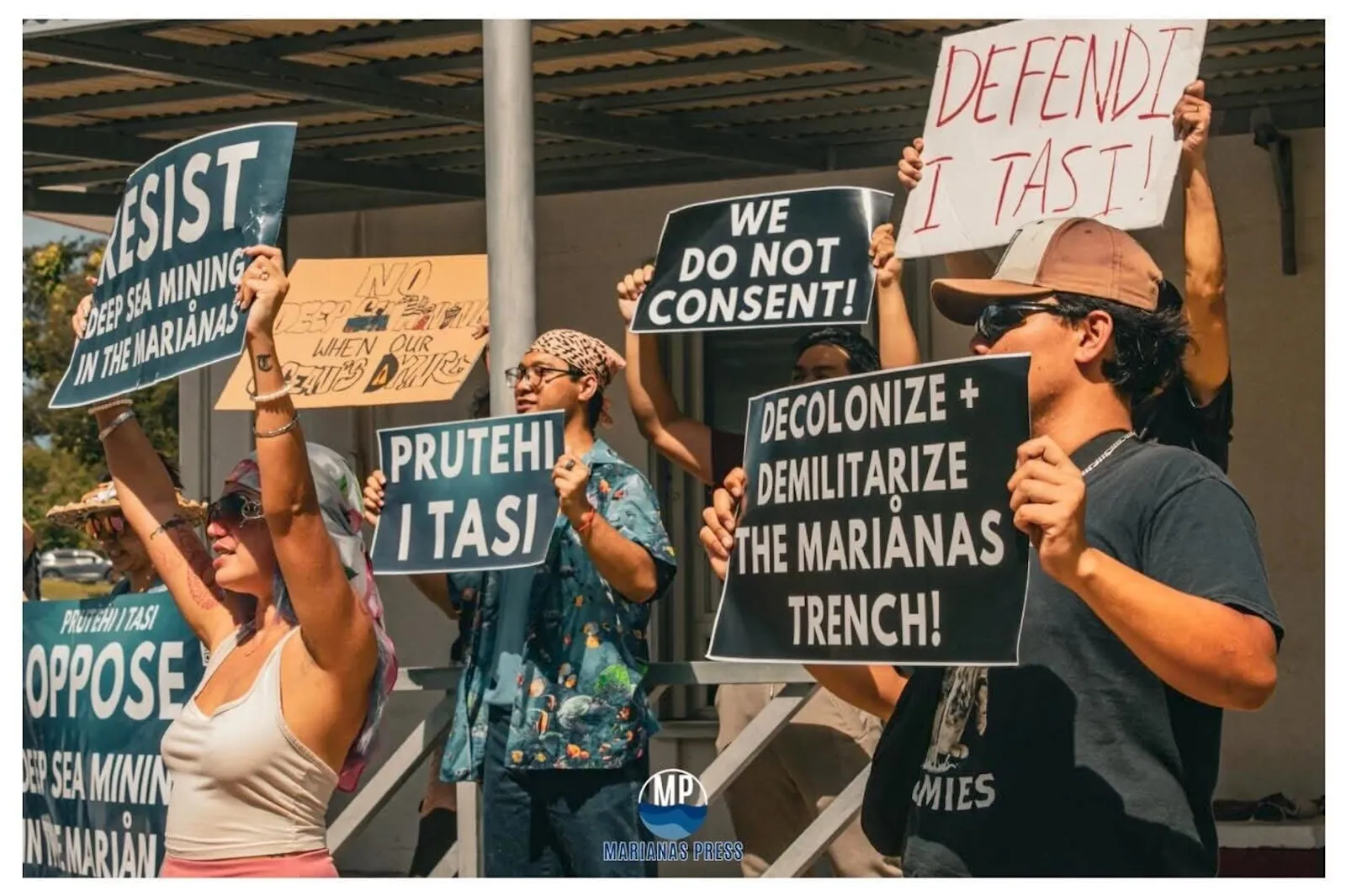
"Deep-sea mining is also important to me because I want to protect our home for future generations," Babauta noted. "All of that is going on in my head while outside of me, in reality, you see destruction all over."
Implications for the Future of the Pacific
The tension between the U.S. government’s "critical mineral" strategy and the territorial residents’ desire for self-determination is unlikely to dissipate. As the Trump administration moves toward finalizing these leases, the legal challenges filed by organizations like Earthjustice are expected to continue.

The case of the Pacific territories serves as a bellwether for how the U.S. will balance industrial demands with its obligations to Indigenous populations. For now, the decision-making process remains heavily consolidated in Washington. While companies continue to pitch the potential for "green" mineral extraction and economic diversification, the people living on the front lines of these proposed sites continue to wait for a seat at the table—or, more accurately, for the right to decide if they want the table to be there at all.
As federal officials continue to point to the potential for environmental and safety oversight, local leaders remain skeptical. Without formal power, they are forced to rely on public outcry, litigation, and the hope that the federal government will eventually recognize their status as more than just a site for industrial exploitation. For the time being, the silence from Washington regarding direct consultation leaves a clear message: in the hierarchy of national priorities, the voices of the territories remain, as one advocate put it, "practically invisible."
Related posts: