The Paving of BR-319 and the High-Stakes Battle for the Future of the Amazon Rainforest

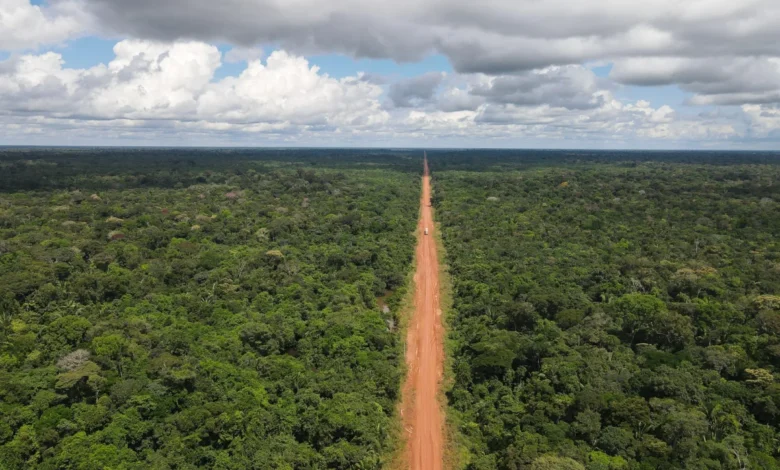
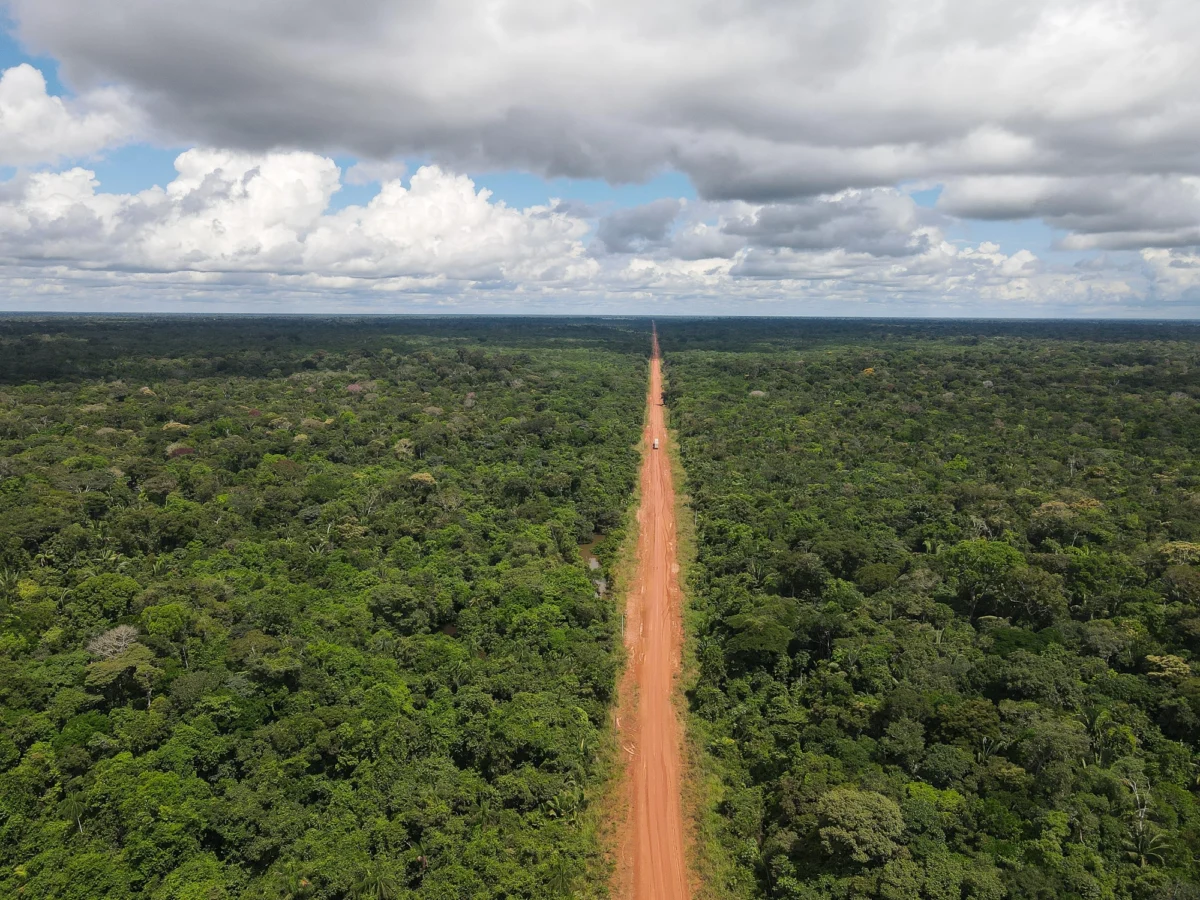
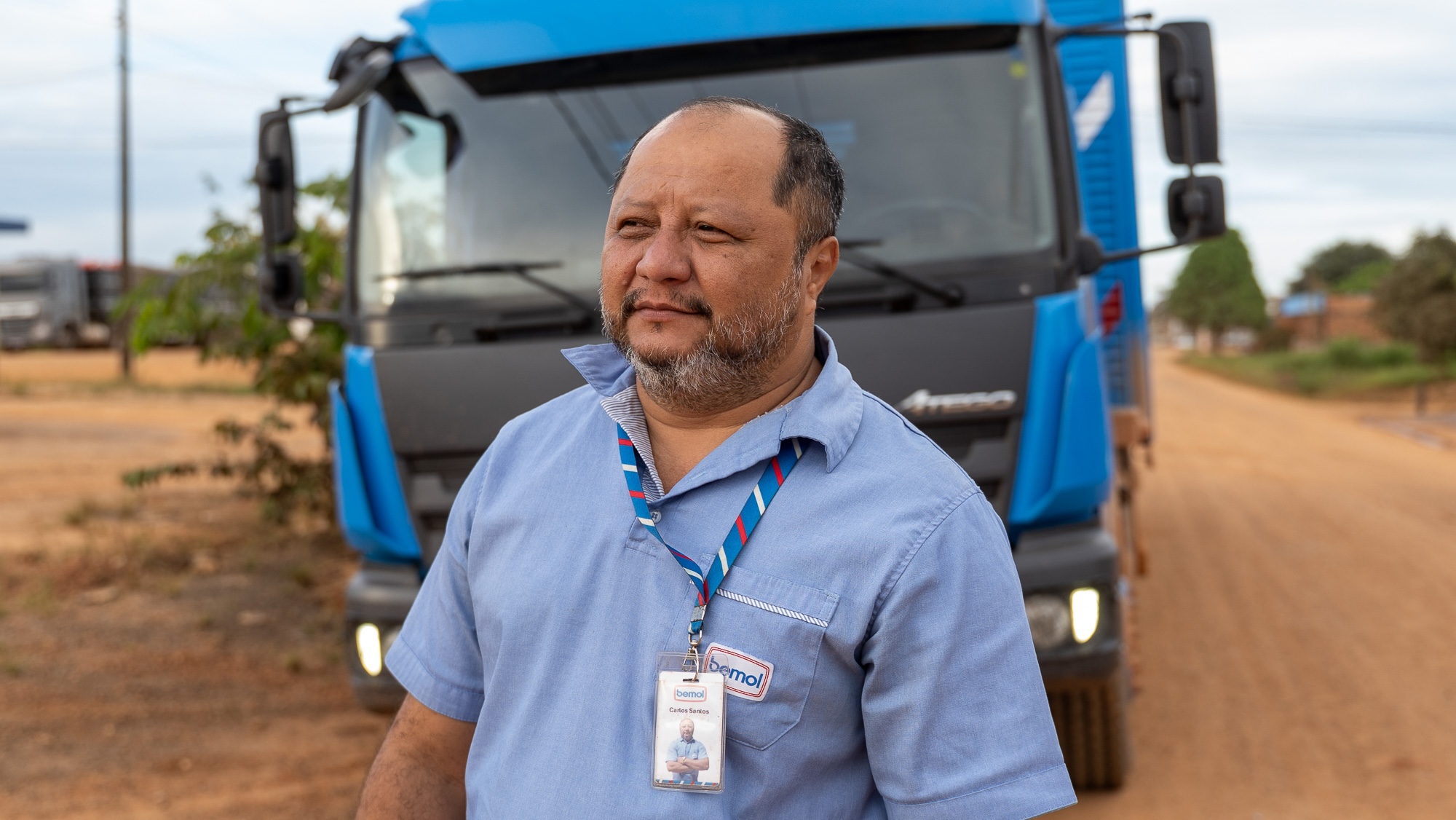
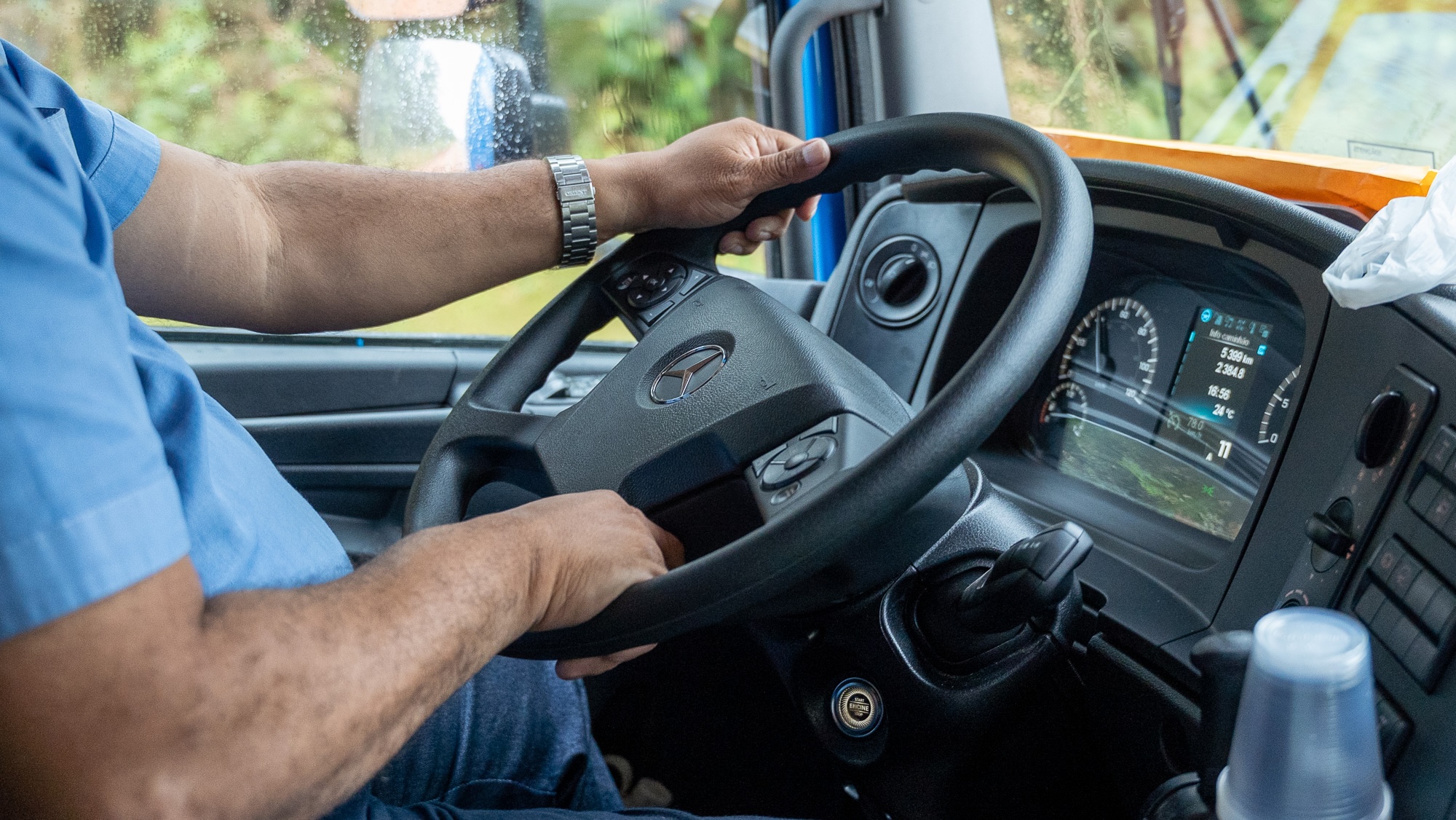
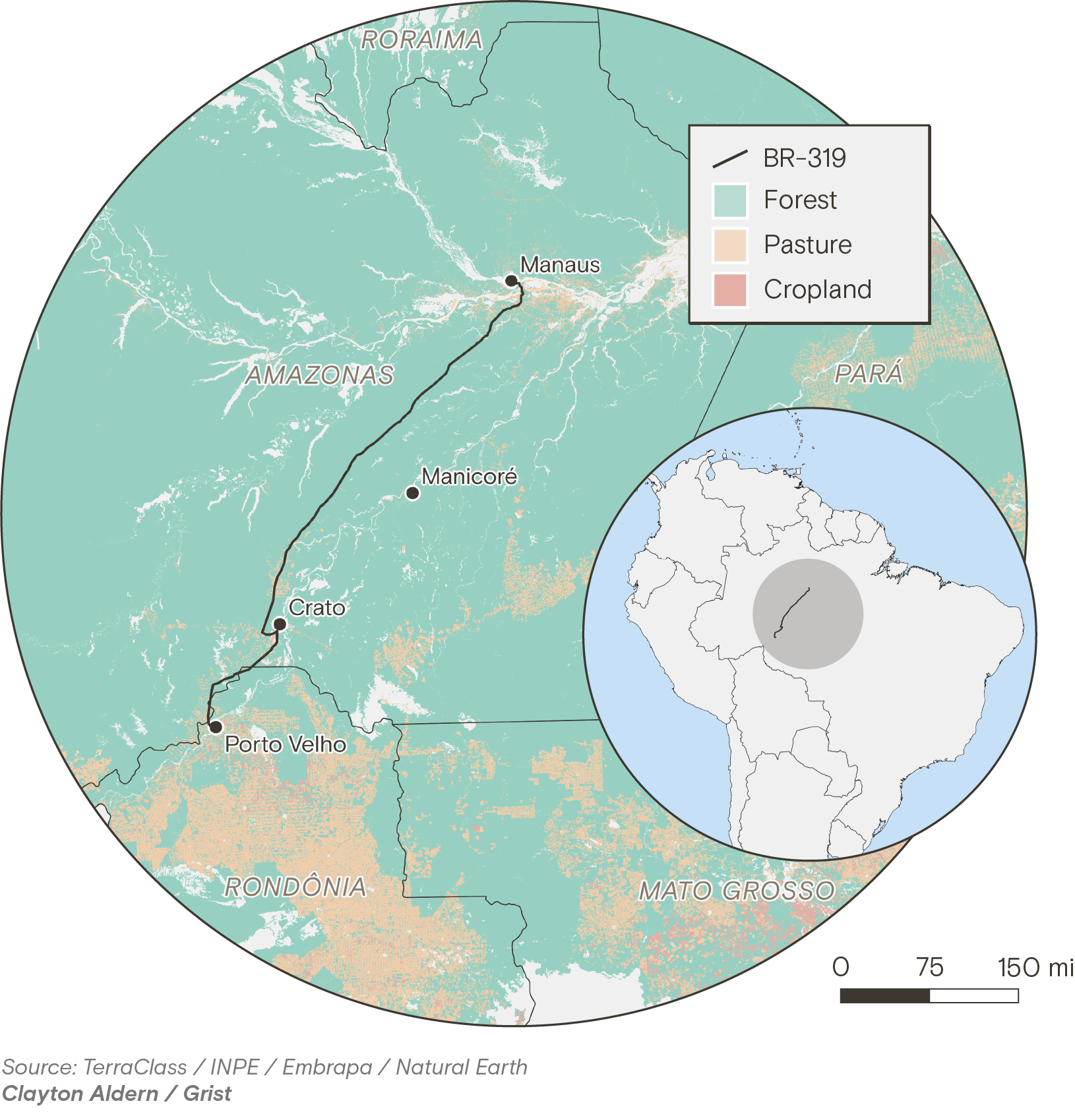
For nearly three decades, Carlos Santos has navigated the most treacherous corridor in the Brazilian Amazon. As a veteran truck driver, his livelihood has been tethered to the BR-319, a 540-mile dirt highway that serves as the only terrestrial link between the industrial hub of Manaus and the rest of Brazil. For Santos, the road is more than a transit route; it is a grueling endurance test. During the rainy season, the highway transforms into a labyrinth of deep, vehicle-swallowing mud pits, forcing drivers to ration food and water while waiting for heavy machinery to pull their rigs from the mire. At night, he rests in a hammock strung inside his cabin, listening to the movement of jaguars and tapirs, knowing that the journey which should take hours can easily stretch into weeks.
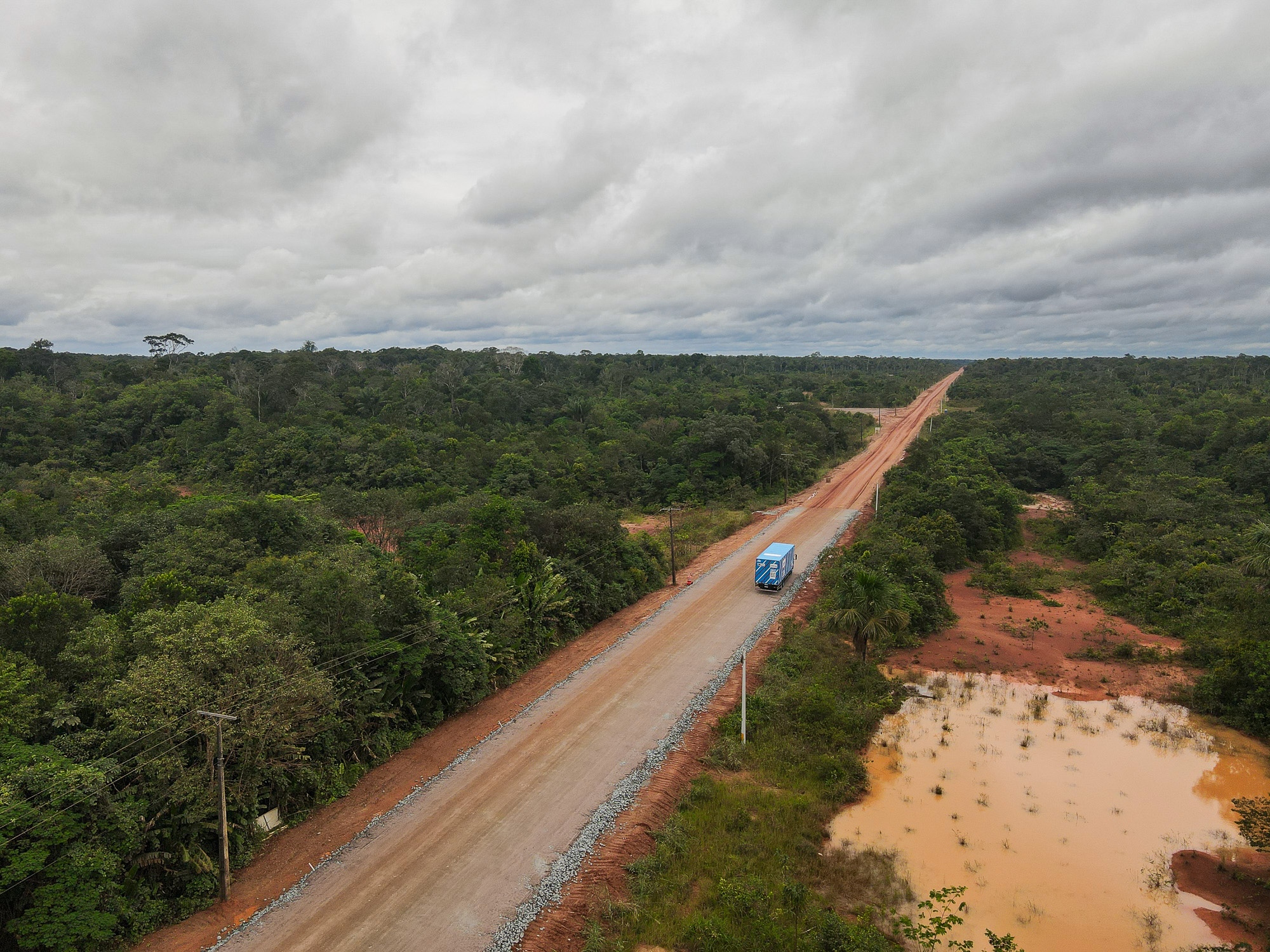
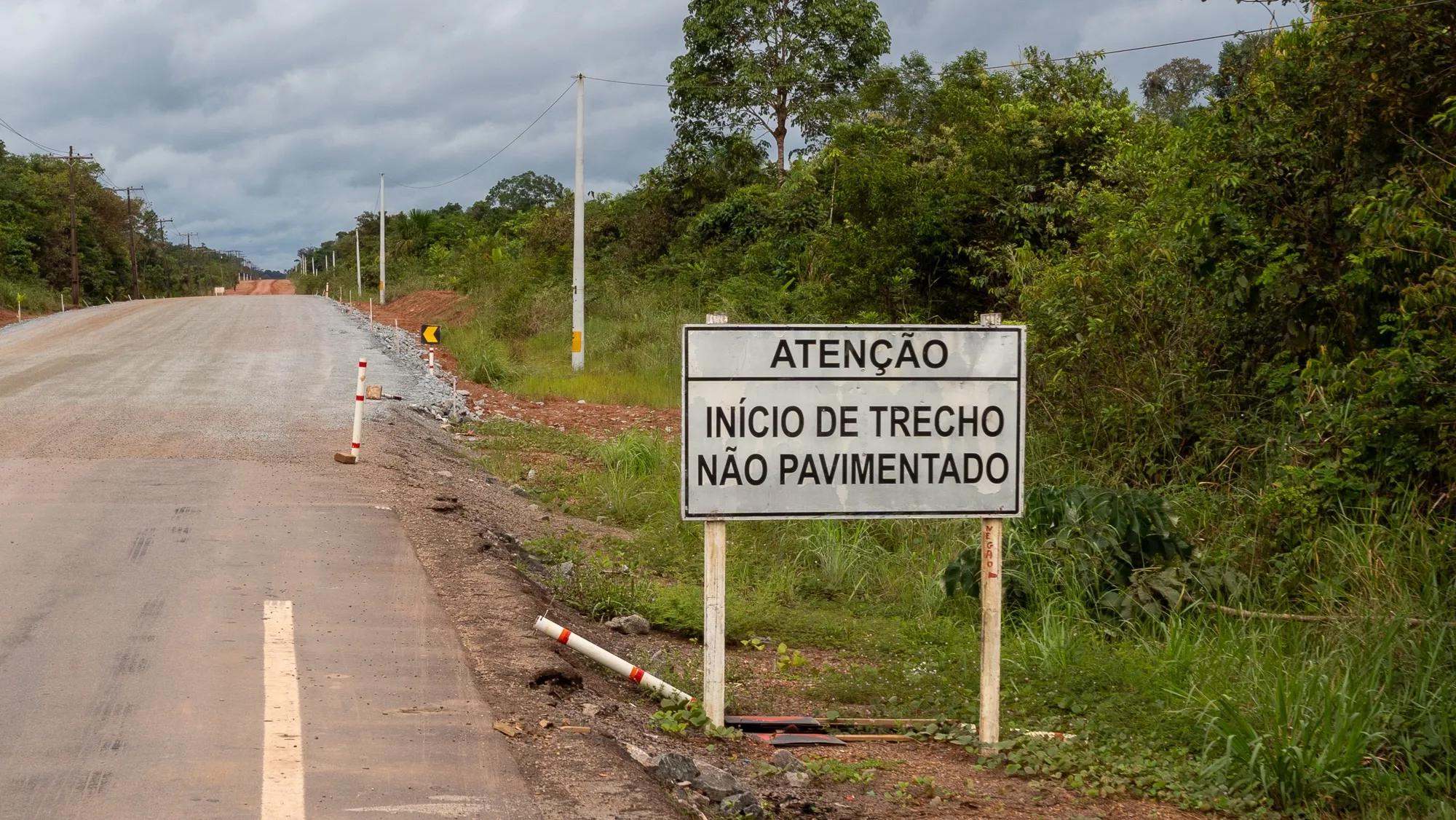
However, the days of the road as a "survival test" are numbered. After years of litigation, political maneuvering, and environmental protest, the Brazilian government has moved to finalize the asphalting of the entire route. This decision, while celebrated by millions of residents in the Amazonas state who feel isolated from the national economy, has triggered a fierce confrontation between developmental ambitions and the urgent need to preserve one of the planet’s most critical carbon sinks.
A Legacy of Infrastructure and Deforestation
The history of the BR-319 is inextricably linked to the broader history of Amazonian development. Originally constructed in 1976 during the era of Brazil’s military dictatorship, the road was intended to integrate the remote northern territories. Yet, maintaining asphalt in the tropical rainforest proved a logistical and financial impossibility. By 1988, the road was largely reclaimed by the forest, rendering it impassable for most commercial traffic.
The strategic importance of the route resurfaced in the early 21st century. Proponents argue that Manaus—a city of over two million people built on tax incentives—is unfairly penalized by its geographic isolation. Currently, goods must be transported via slow, expensive river shipping or air freight. When droughts strike the Amazon basin, as they have with increasing frequency due to climate change, river logistics fail, leaving the state vulnerable.
However, environmental scientists point to a well-documented correlation: in the Amazon, roads are the primary precursors to deforestation. Research indicates that approximately 94 percent of forest loss occurs within three miles of a road. When a highway is paved, it does not merely provide a transport corridor; it acts as a spine for a "fishbone" network of illegal side roads, allowing loggers, land-grabbers, and illegal miners to penetrate deep into previously inaccessible primary forest.
Chronology of the Conflict
The modern struggle over the BR-319 has been marked by a shifting political landscape:
- 2015: Federal regulators grant a license for the cleaning and maintenance of the highway, allowing traffic to return to the route but stopping short of full paving.
- 2018–2022: The administration of Jair Bolsonaro prioritizes the road’s full paving, resulting in a 122 percent spike in deforestation rates along the highway as speculators rushed to claim land in anticipation of increased property values.
- 2025: Brazil’s Congress passes legislation allowing infrastructure work on existing roads to bypass certain environmental licensing requirements, overruling a partial veto by President Luiz Inácio Lula da Silva.
- May 2026: The federal government opens bidding for the paving of the remaining sections, with the Ministry of Transportation declaring that the entire route will be under active construction by the end of June.
Economic Necessity vs. Environmental Existentialism
The argument for paving is rooted in economic equity. Amazonas, a state twice the size of Texas, remains one of Brazil’s poorest regions by GDP per capita. Residents often feel like citizens of a "subordinate colony," excluded from the national development enjoyed by the southern states. A 2025 poll conducted by the Instituto de Pesquisa do Norte found that 90 percent of local respondents support the paving, viewing it as a vital step toward improving healthcare, education, and commerce.
Conversely, the scientific community warns of a point of no return. The Amazon biome holds between 150 and 200 billion tons of carbon. Paving the BR-319 is projected to emit 8 billion tons of carbon dioxide by 2050 through direct clearing and the secondary deforestation facilitated by illegal side roads. Biologist Phillip Fearnside of the National Institute of Amazonian Research (INPA) warns that this project could push the biome past a "tipping point," where the forest loses its ability to regenerate, potentially triggering catastrophic water shortages in distant agricultural regions like São Paulo.
Official Responses and Governance Gaps
The federal government, led by President Lula, has attempted to strike a middle ground. During a recent site visit, Lula pledged that the project would serve as a global model for "sustainable construction." The administration’s current plan involves a R$1.5 billion ($300 million) environmental governance package, which includes the creation of protected areas and the establishment of monitoring bases.
Yet, this plan has faced intense scrutiny. Suely Araújo, a policy expert with the Observatório do Clima, notes that the promised protected areas—spanning 2,600 square miles—fall significantly short of the 14,000 square miles discussed in closed-door meetings. Furthermore, enforcement agencies like IBAMA remain chronically understaffed. Without a robust, permanent state presence on the ground, critics argue that these environmental safeguards are merely "PowerPoint presentations" that will not stop the encroachment of land-grabbers.
The Human Cost: Indigenous Communities
The most vulnerable stakeholders in this project are the 18,000 Indigenous people living across 69 territories impacted by the road. Under Brazilian law, the government is required to conduct prior and informed consultation with these communities. Organizations representing Indigenous groups, such as APIAN, argue that no such genuine consultation has occurred.
The impact is already visible. Reports have surfaced of the illegal use of toxic chemicals, including components found in Agent Orange, to clear land near Indigenous territories. For the Mura people, the expansion of the highway is not a development project but an "instrument of death" that threatens their traditional harvest of Brazil nuts and access to clean water.
The Future of the Frontier: Realidade as a Warning
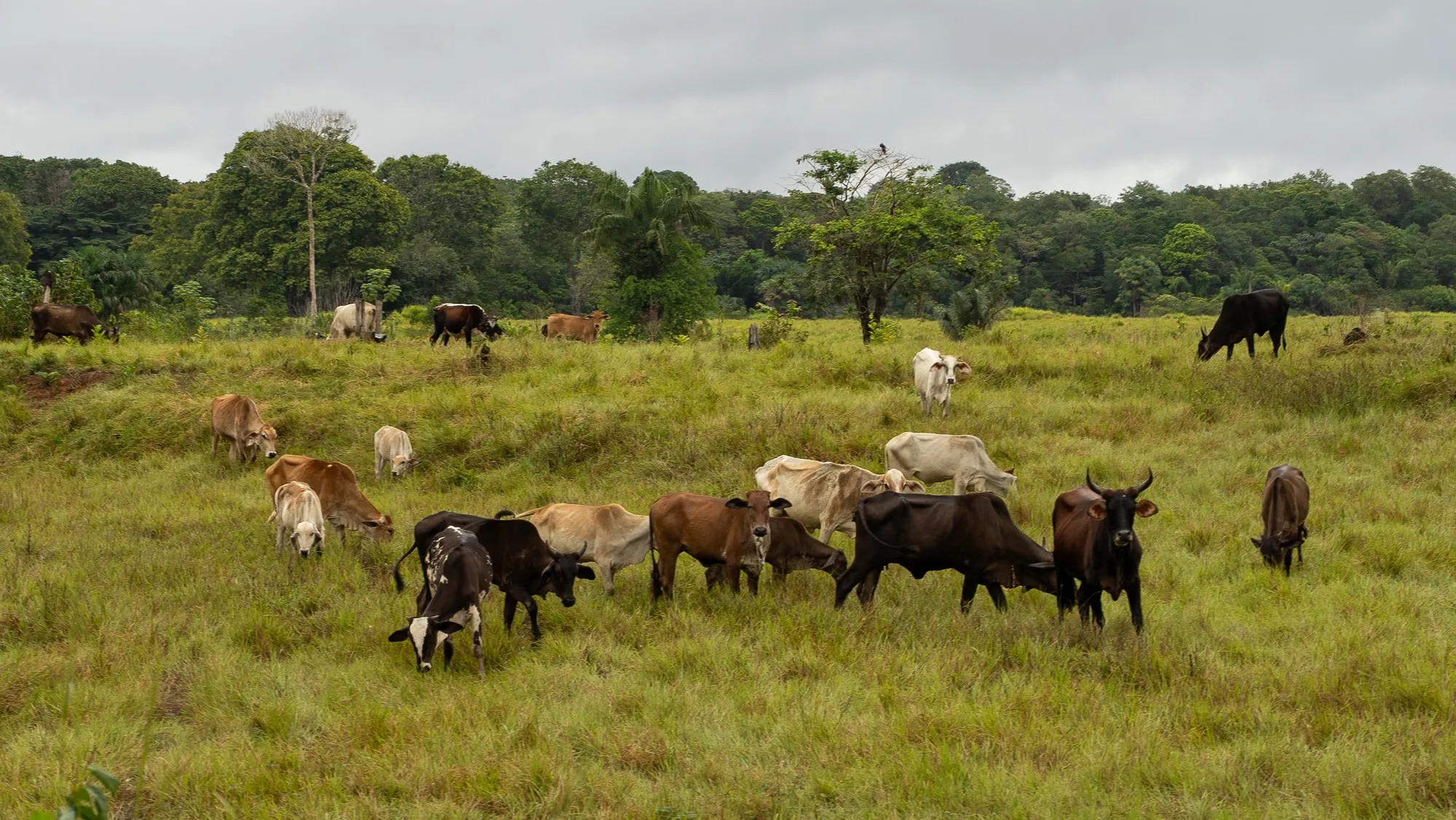
The town of Realidade, located along the highway, serves as a sobering preview of the region’s trajectory. Since 2010, the town’s population has grown nearly ninefold, fueled by land-grabbing and illegal logging. Walking through the streets, the lack of state infrastructure—no police station, limited healthcare—is stark, replaced by a surge in cattle-ranching supply stores.
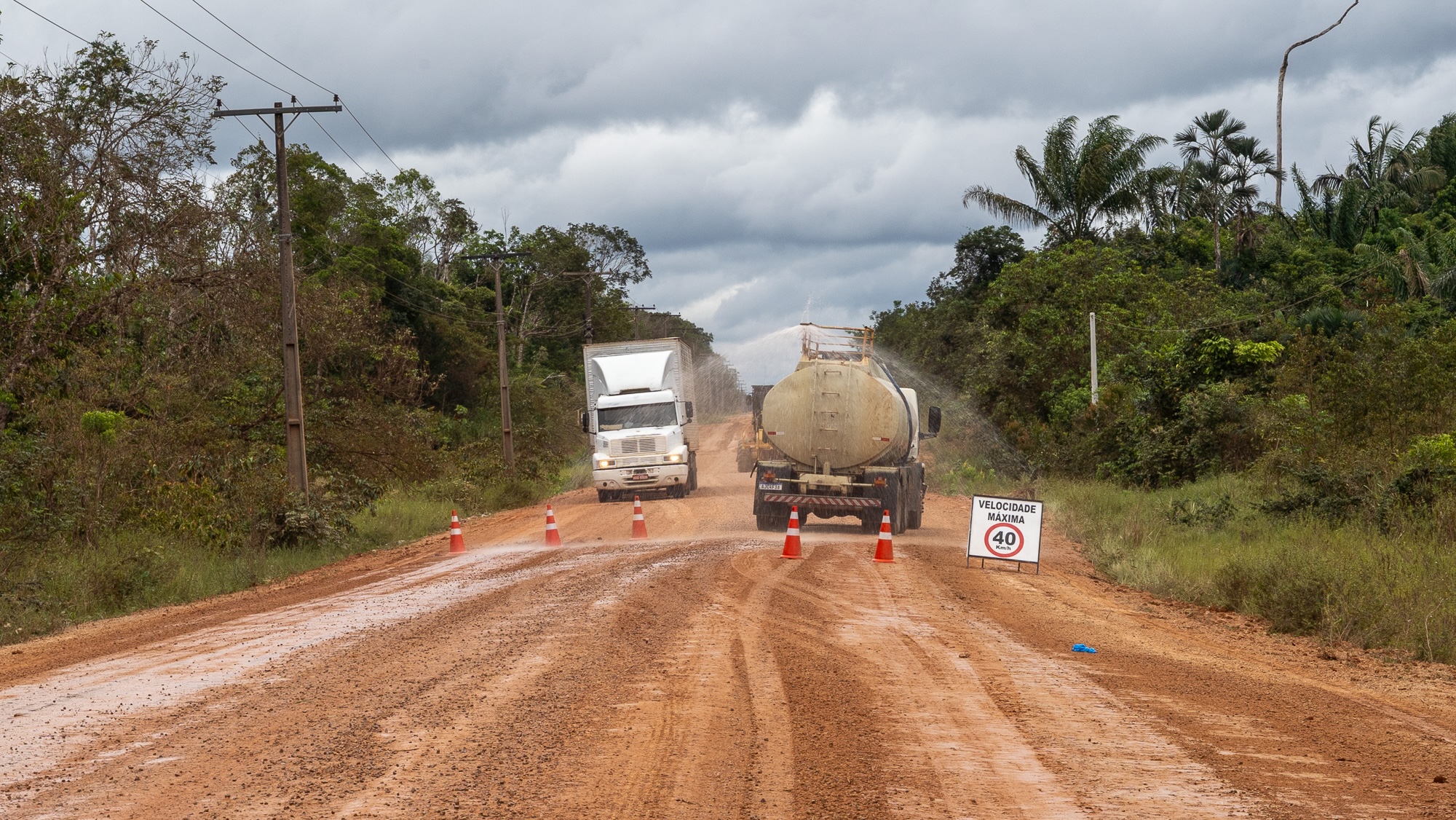
For residents like Eliane Jesus Pereira, a ranch hand’s wife, the improved road conditions are a welcome relief that allowed her daughter to attend school more consistently. However, her life is a microcosm of a frontier economy where the forest is rapidly being converted to pasture. As the dirt turns to asphalt and the trucks move faster, the local ecosystem is already reflecting the shift. During a recent transit, the absence of roadkill on the unpaved, slower sections of the road stood in sharp contrast to the immediate appearance of dead wildlife—snakes and anteaters—once the journey reached the newly paved, higher-speed segments.
As Brazil moves forward with the construction, the country faces a definitive choice. If the BR-319 is treated merely as a transport project, it risks cementing a cycle of extraction that has characterized the Amazon for decades. If it is to be a model of development, the burden of proof lies with the government to demonstrate that they can provide the promised economic growth without sacrificing the integrity of the world’s most important rainforest. For now, the road remains a divide, separating the aspirations of the Amazon’s people from the global necessity of its survival.
Related posts: