The Crisis of Contamination in Sampson County: North Carolina’s Largest Landfill and the Struggle for Environmental Justice

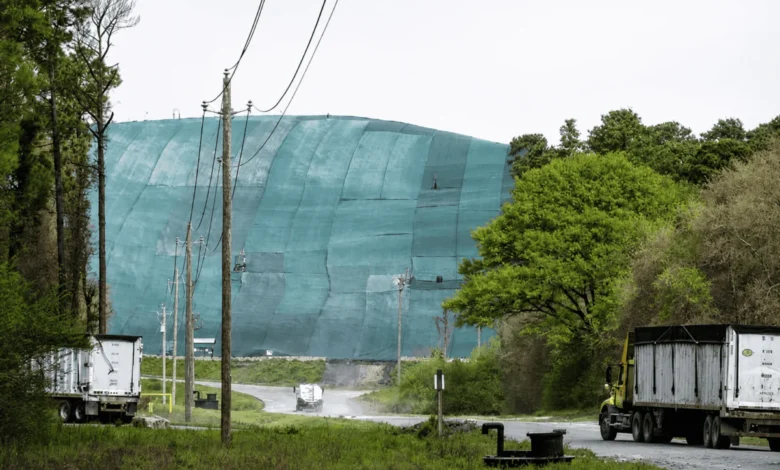
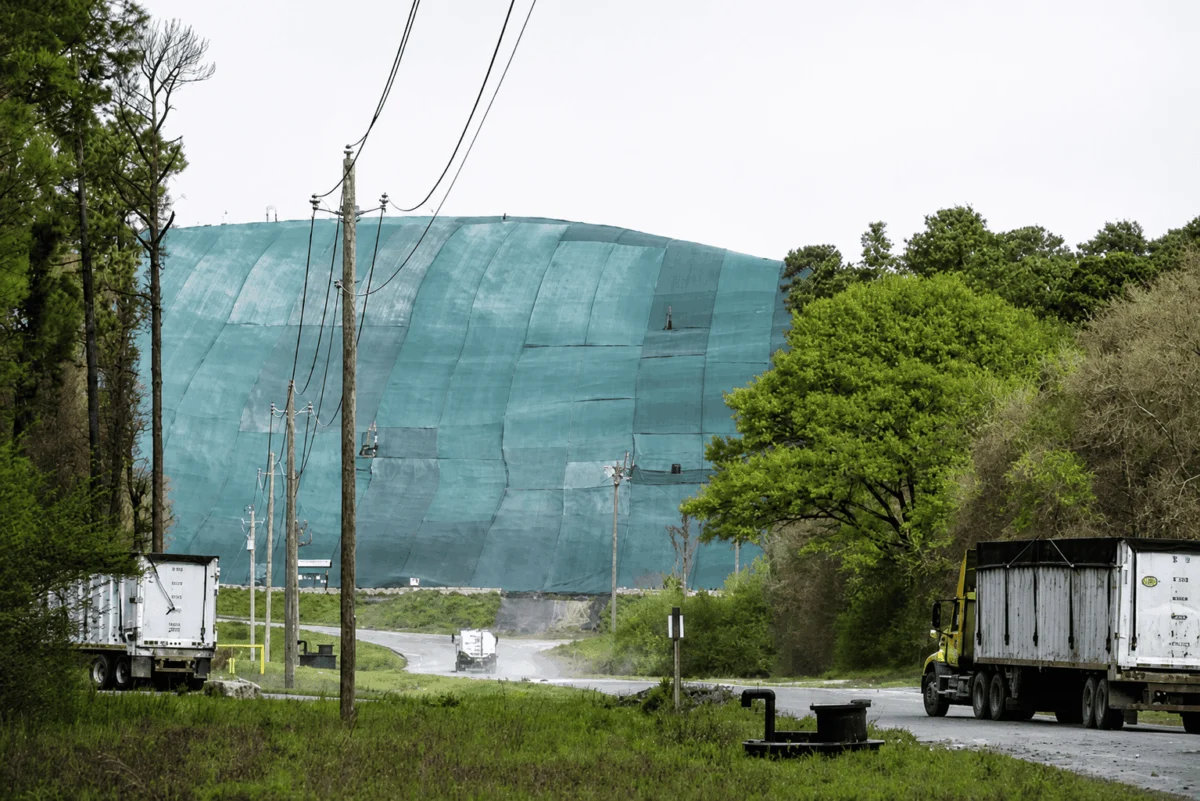
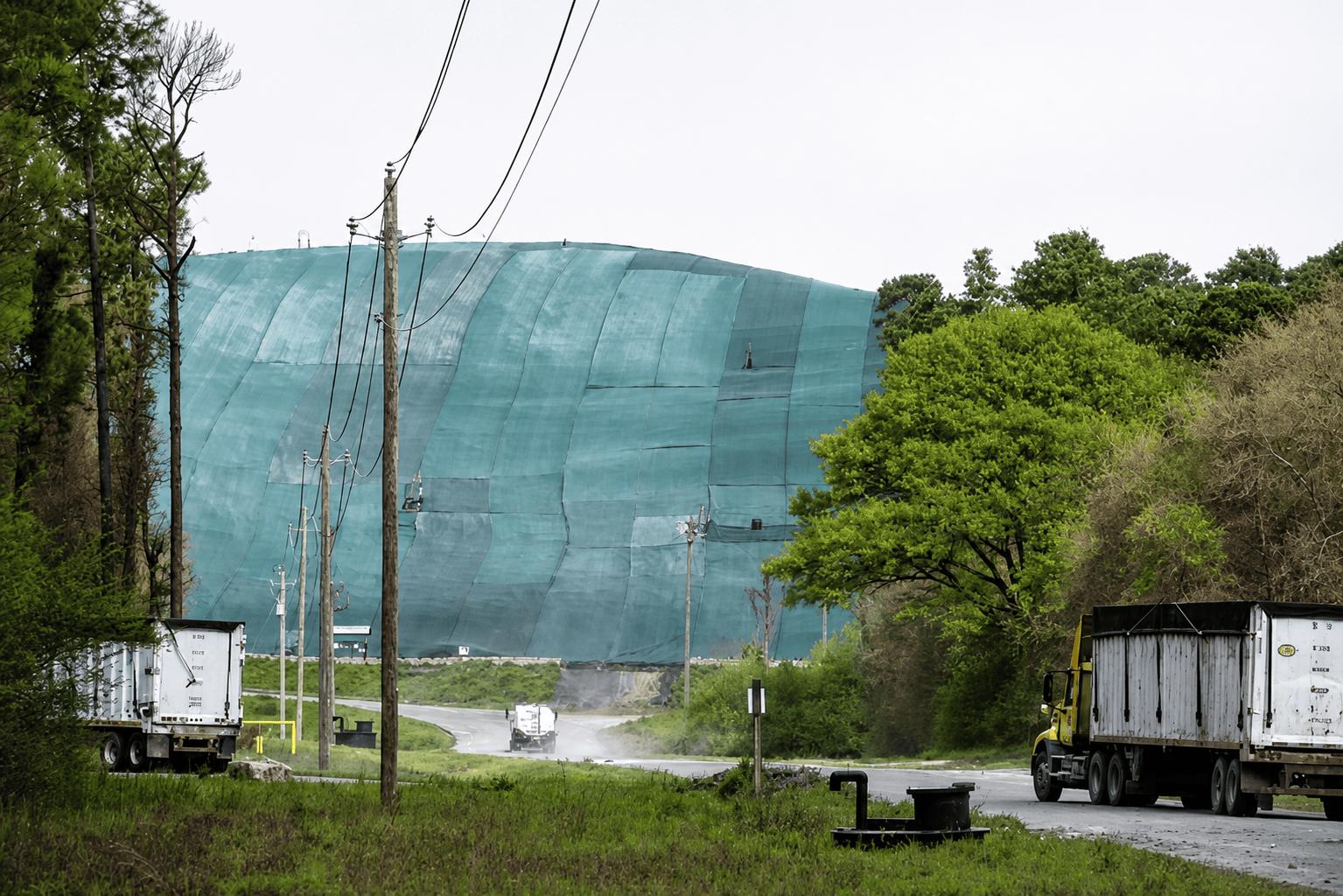
For more than half a century, the landscape of Sampson County, North Carolina, has been defined by the steady, unrelenting growth of its local landfill. What began as a regional waste site has ballooned into a 1,300-acre behemoth, currently the largest landfill in the state. As the facility expanded, its footprint transcended the county line, becoming a destination for garbage hauled from across the entire state of North Carolina. However, for the residents living in the shadow of this mountain of waste, the landfill represents more than just a logistical triumph of waste management; it has become a focal point of a deep-seated environmental and public health crisis.
For locals like Sherri White-Williamson, the scale of the operation is a source of profound alarm. Growing up in Sampson County, she witnessed the transition of the area from a quiet rural community to the site of an industrial-scale waste operation. Her concerns, echoed by many of her neighbors, center on the potential for hazardous chemicals to leach from the landfill into the groundwater—a vital resource for a community that relies almost exclusively on private wells. “Many of the folks out around that landfill are on well water,” White-Williamson explained. “They are drinking in it, they’re bathing in it, they’re using it to water gardens and animals.”
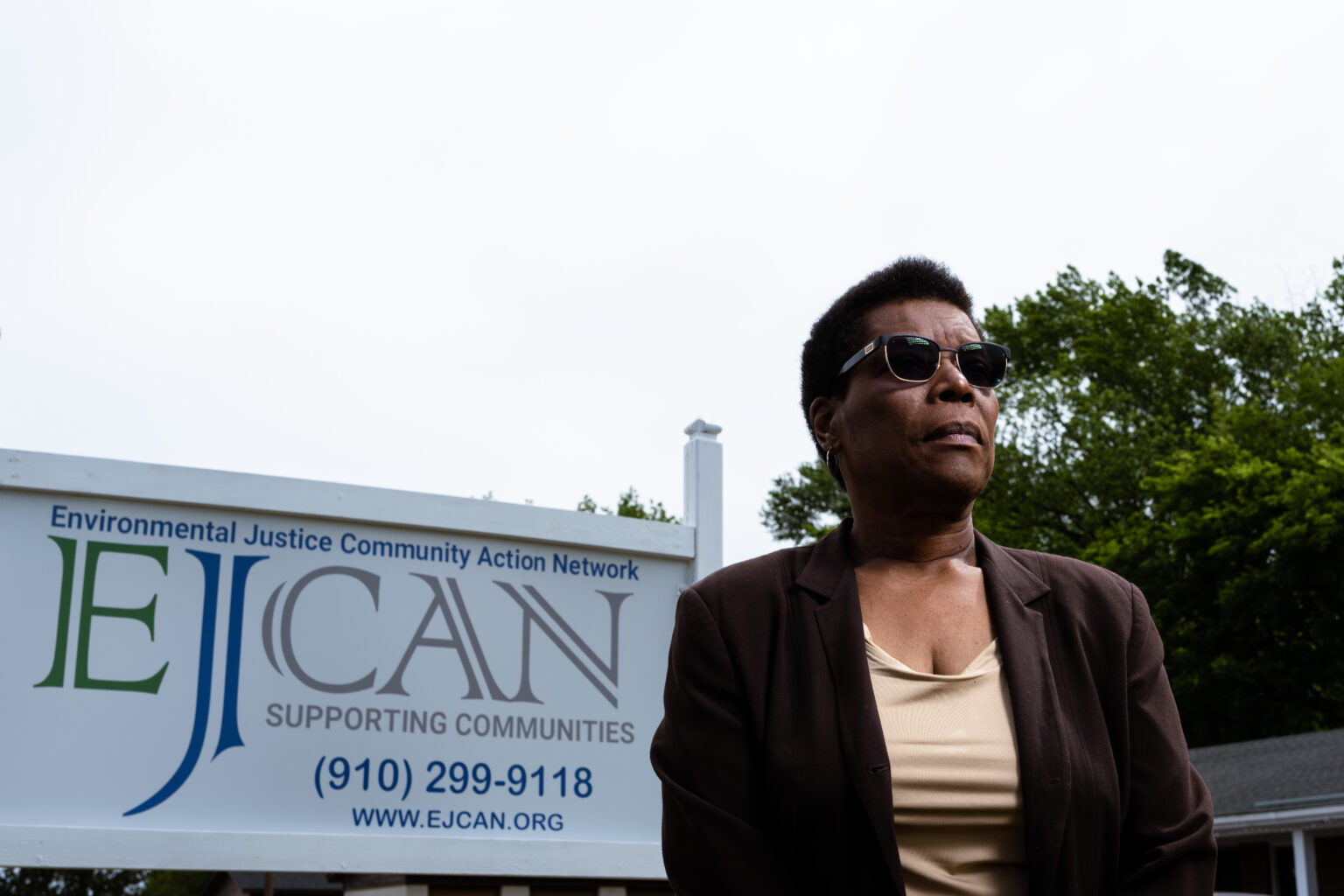
White-Williamson’s perspective is informed by a career dedicated to these very issues. She served for years at the U.S. Environmental Protection Agency (EPA), specifically within its Office of Environmental Justice. Her daily routine involved public outreach, education, and the complex task of coordinating between marginalized communities and federal agency staff. Despite her global and national focus, she eventually realized that the same advocacy and oversight she championed at the federal level were conspicuously absent in her own backyard. In 2020, she co-founded the Environmental Justice Community Action Network (EJCAN), a non-profit designed to empower rural residents to advocate for their right to clean air, soil, and water.
The Intersection of History and Health in Snow Hill
The heart of the struggle lies in Snow Hill, a historically Black rural community situated near the Sampson County landfill. Shortly after EJCAN’s inception in October 2020, the organization began documenting the lived experiences of Snow Hill residents. The testimonies were harrowing: community members described a range of unexplained illnesses and a persistent fear that their environment was making them sick. At the top of the list of concerns was the safety of their drinking water.
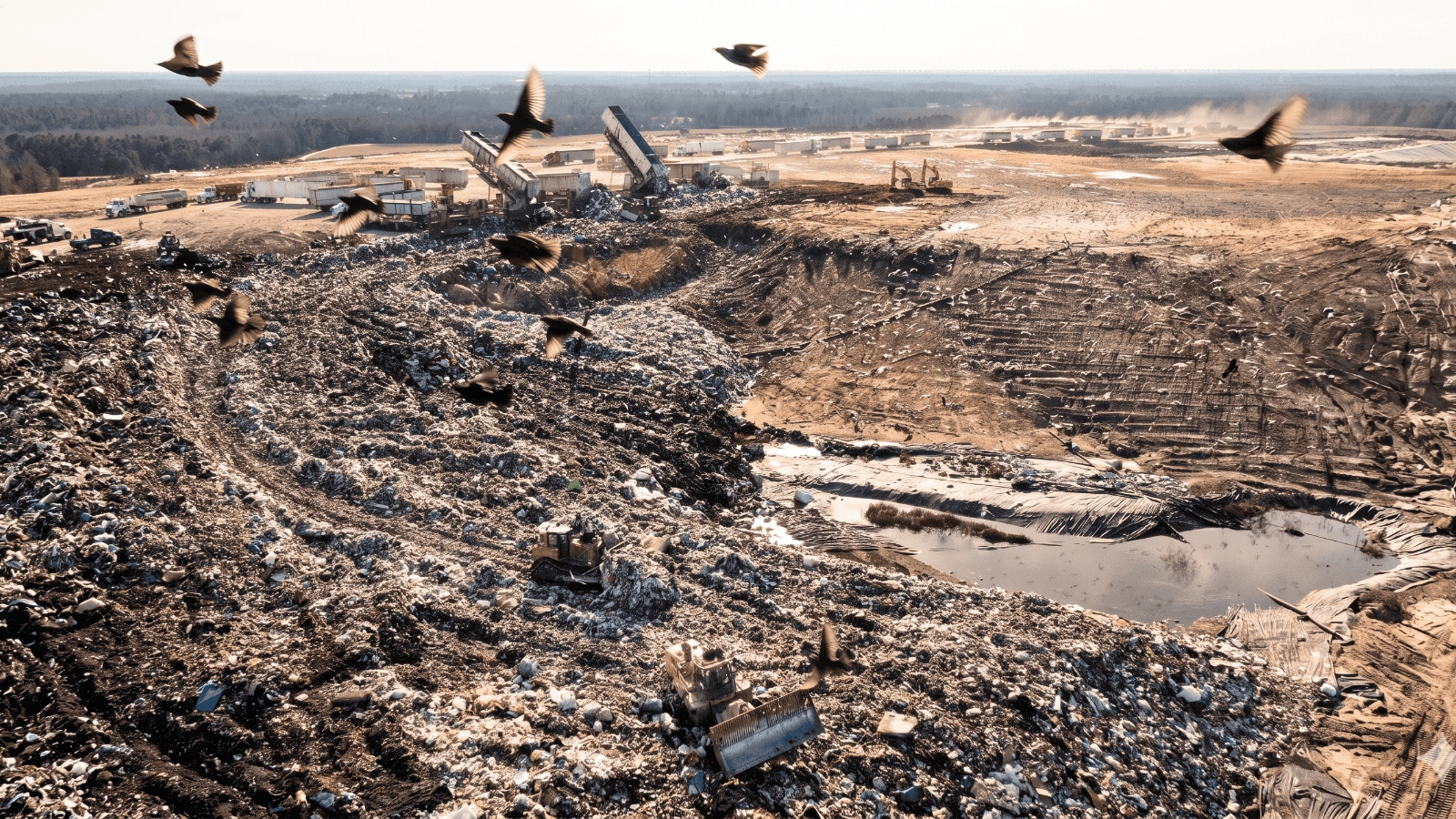
Historically, the burden of large-scale waste facilities has often fallen on low-income communities of color. In Sampson County, this pattern is stark. The Snow Hill community, rooted in generations of history, found itself adjacent to an ever-growing repository for the state’s refuse. This proximity created a sense of vulnerability, particularly as residents noticed changes in the taste and quality of their well water.
To move beyond anecdotal evidence, EJCAN partnered with academic institutions, including the University of North Carolina at Chapel Hill and Appalachian State University. Together, they sought to conduct the formal research that had been missing for decades. While residents were convinced their health issues were linked to the landfill, there had never been a comprehensive health impact analysis in the area. The initial well-testing initiatives represented a critical first step in gathering the scientific data necessary to hold polluters and regulators accountable.
The Science of "Forever Chemicals"
The results of the collaborative testing were troubling. After four rounds of sampling at homes surrounding the landfill, researchers found that 13 percent of the tested wells were contaminated with per- and polyfluoroalkyl substances (PFAS) and other contaminants of concern. PFAS, often referred to as "forever chemicals," are a class of synthetic substances produced in the U.S. since the 1940s. Their unique chemical structure makes them resistant to water, heat, and grease, leading to their widespread use in nonstick cookware, water-repellent fabrics, and firefighting foam.
The persistence of PFAS in the environment is one of their most dangerous attributes. They do not break down easily, meaning they can accumulate in the human body and the ecosystem over decades. This category of chemicals includes "legacy" PFAS, such as PFOA and PFOS, which were phased out in the early 2000s but remain present in soil and water. It also includes "novel" PFAS, which were developed as replacements. While these next-generation chemicals were initially marketed as safer alternatives, recent scientific inquiries suggest they may pose similar health risks. Because they are newer, far less is known about their long-term impact on human physiology.
Courtney G. Woods, an environmental sciences professor at UNC Chapel Hill, emphasizes that landfills are primary sources of PFAS contamination because they act as the final resting place for a vast array of consumer products containing these chemicals. According to a 2020 report in the journal Toxicology, exposure to PFAS is linked to a variety of adverse health outcomes, including reduced kidney function, metabolic syndrome, thyroid disruption, and adverse pregnancy outcomes. For a community like Snow Hill, where residents have used well water for every aspect of daily life, these findings are catastrophic.
A Decade of Community-Led Research
The drive for scientific verification in Sampson County can be traced back to the late Ellis Tatum, a Snow Hill resident who spent years sounding the alarm about water quality. In 2016, Tatum met Professor Woods and her students at the North Carolina Environmental Justice Network Summit. He invited the academic team to partner with his community to investigate the water in Bearskin Swamp, located on the north side of the landfill.
The initial research foray yielded significant findings. While the team did not detect major contamination upstream of the landfill, the downstream samples told a different story. They found elevated levels of both legacy and novel PFAS, including GenX and Nafion. These specific chemicals are closely associated with the Chemours facility, a PFAS manufacturing plant that has been documented sending industrial sludge to the Sampson County landfill for years. This connection provided a direct link between industrial waste disposal practices and the contamination of local water sources.
The cost of this type of testing is a significant barrier for rural communities. Private laboratory testing for PFAS can start at $380 per sample—a prohibitive expense for many Sampson County households. By facilitating free testing through university partnerships and grants, EJCAN provided a service that was otherwise inaccessible to the people who needed it most.
State Intervention and the Expansion of Testing
The data gathered by EJCAN and its partners eventually forced the hand of state regulators. Sherri White-Williamson contacted the North Carolina Department of Environmental Quality’s (DEQ) Division of Waste Management, leading to a community meeting in November 2023. At this meeting, residents living closest to the landfill were invited to request state-sponsored sampling of their private wells.
What began as a pilot program testing 30 wells soon expanded. According to Vincent Antrilli Jr., an environmental program supervisor for the state’s waste management agency, the program collected 241 samples between October 2023 and April 2026. The results confirmed the community’s worst fears: approximately 25 percent (61 samples) showed PFAS levels that exceeded the EPA’s drinking water standards.
In response, the state program began providing bottled water and home filtration systems to affected households. To date, 87 point-of-use filter systems have been authorized statewide, with 37 of those located in Sampson County. EJCAN has supplemented these efforts by distributing over 50 specialized water pitchers designed to remove PFAS, lead, and arsenic, working in tandem with the North Carolina Department of Health and Human Services to identify the most effective filtration methods.
The DOGE Reversal: A Blow to Local Advocacy
Despite the progress made in identifying the scope of the contamination, the future of remediation in Sampson County remains uncertain. EJCAN and its university partners spent six months collaborating with the Department of Health and Human Services on a comprehensive EPA grant application. The grant, totaling $1 million over three years, would have allowed the coalition to test up to 250 homes annually and provide long-term mitigation support.
In February, the coalition received the news that their grant had been approved. However, the victory was short-lived. In April 2025, as the newly formed Department of Government Efficiency (DOGE) began a series of aggressive cuts to federal programs, the grant was flagged for suspension. Following a brief period of hope where the team was told the funding might be spared, the final decision arrived in early May: the grant was canceled.
“Before we got a nickel of it, we got DOGE-d,” said Shea Tuberty, a biologist at Appalachian State University. He noted that the majority of the funds were intended for direct community mitigation. Without the "big money" provided by federal grants, the researchers and advocates are forced to rely on smaller, fragmented funding sources that cannot support the scale of the required intervention.
Broader Implications and the Path Forward
The situation in Sampson County serves as a microcosm of the broader challenges facing environmental justice in the United States. It highlights the gap between federal policy and local reality, particularly in rural areas where infrastructure is minimal and political influence is often limited. The cancellation of the EPA grant underscores the vulnerability of community-led environmental initiatives to shifts in federal priorities.
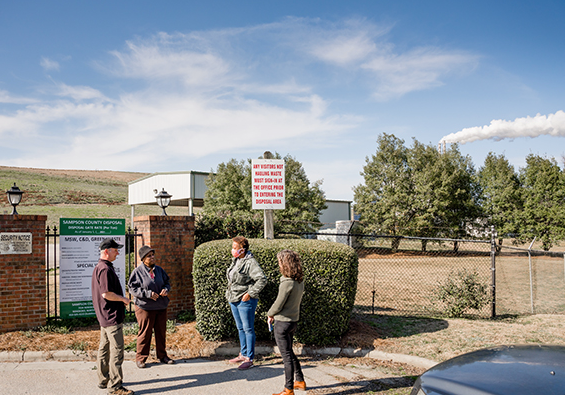
For the residents of Snow Hill and the wider Sampson County area, the struggle for clean water is far from over. The unmonitored presence of "forever chemicals" continues to pose a daily threat to public health. While EJCAN and its partners remain committed to their mission, the loss of federal support has created a significant hurdle.
The story of Sampson County is a testament to the power of community organizing and the necessity of independent scientific research. It is also a cautionary tale about the long-term consequences of industrial waste management practices that prioritize convenience and low costs over the health and safety of marginalized populations. As Sherri White-Williamson and EJCAN continue their work, they do so with the knowledge that their community has been "overlooked over and over again," but with a renewed resolve to ensure that, this time, their voices—and their data—cannot be ignored.
Related posts: