The Global Energy Pivot: How the Conflict in Iran and the Strait of Hormuz Blockade are Accelerating a High-Stakes Shift in World Power Systems

The global energy landscape is currently undergoing its most significant transformation since the Industrial Revolution, catalyzed by the outbreak of war in Iran two months ago. While climate scientists have advocated for a transition away from fossil fuels for nearly fifty years, the sheer inertia of the global economy—which relied on coal, oil, and natural gas for roughly 80 percent of its total energy as recently as last year—made a rapid shift seem improbable. However, the military intervention launched by the United States and Israel in early 2026 has provided the geopolitical shock necessary to break this stalemate. With the Strait of Hormuz remaining impassable since early March, the world has been plunged into a systemic energy crisis that is forcing a reevaluation of national security, economic stability, and the long-term viability of the hydrocarbon era.
The Immediate Crisis and the Closure of the Strait
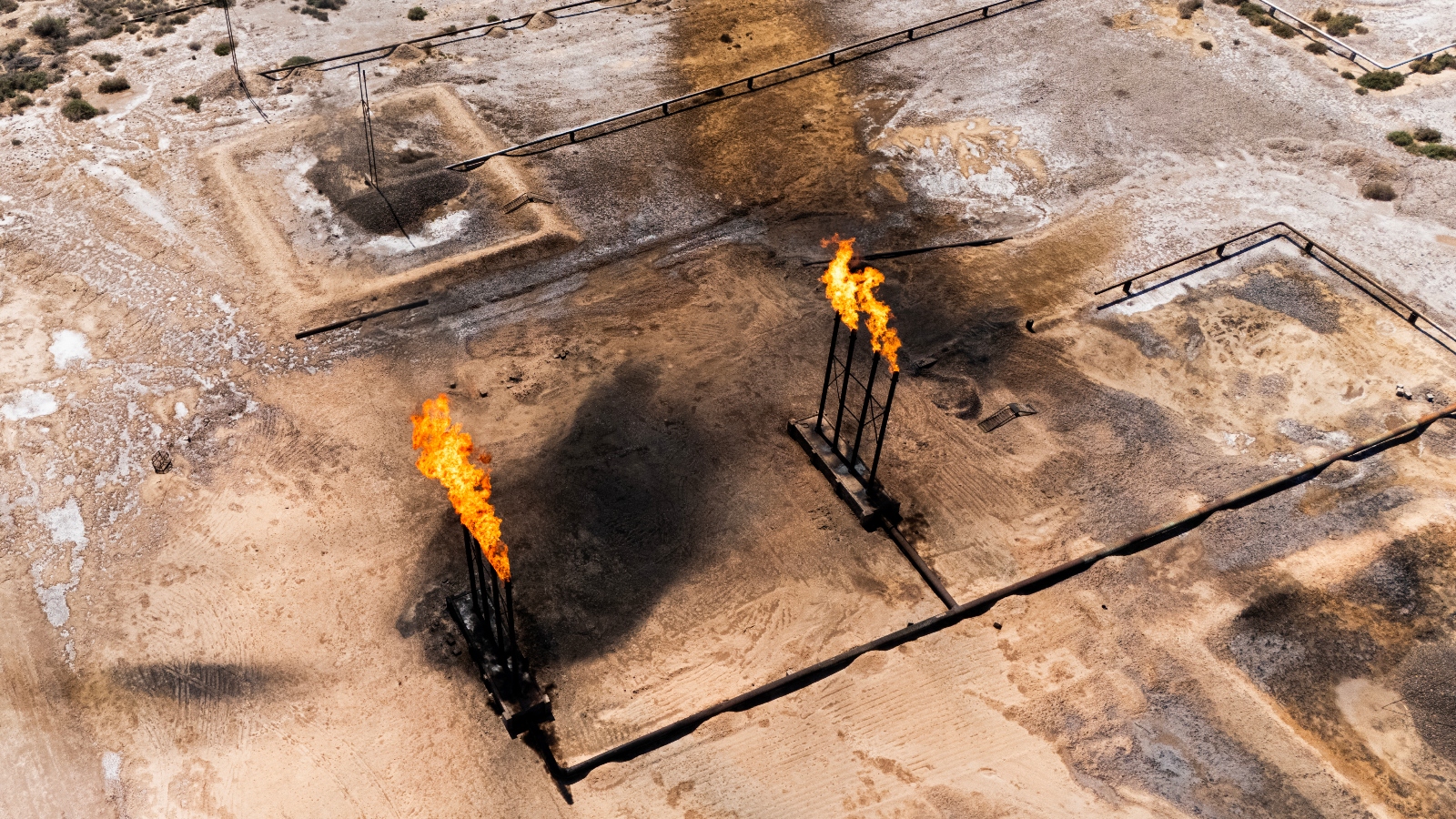
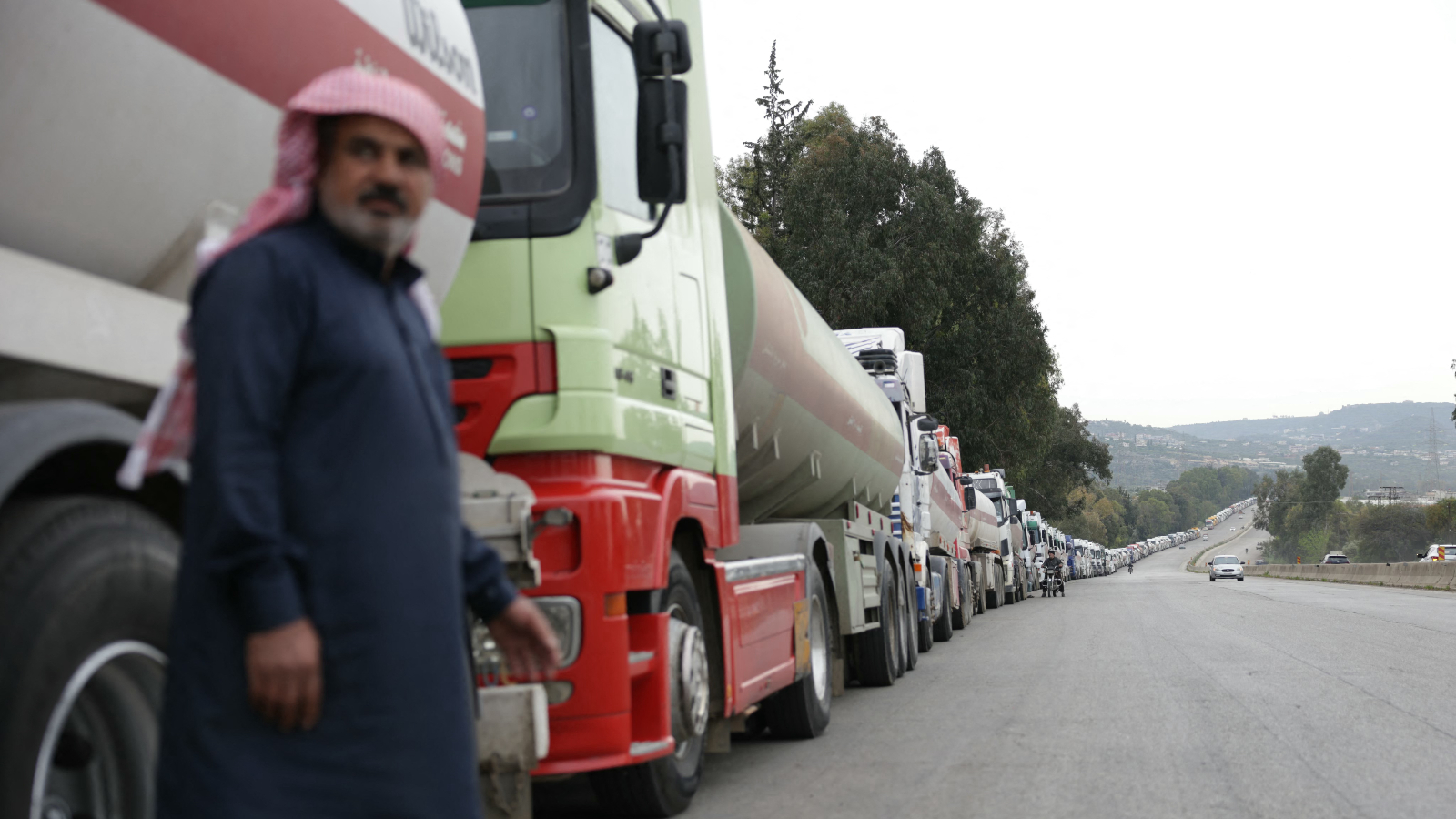
The Strait of Hormuz is widely regarded as the world’s most sensitive energy chokepoint. Measuring only 21 miles wide at its narrowest point, the waterway facilitates the transit of more than 20 percent of the world’s petroleum and nearly 20 percent of its liquefied natural gas (LNG). Following the commencement of hostilities, the passage was effectively closed to commercial traffic due to naval blockades and drone strikes targeting energy infrastructure. The impact was immediate: exports from Saudi Arabia, Iraq, Kuwait, and the United Arab Emirates were curtailed, while Qatar—one of the world’s primary exporters of LNG—saw its superchilled gas shipments halted entirely.
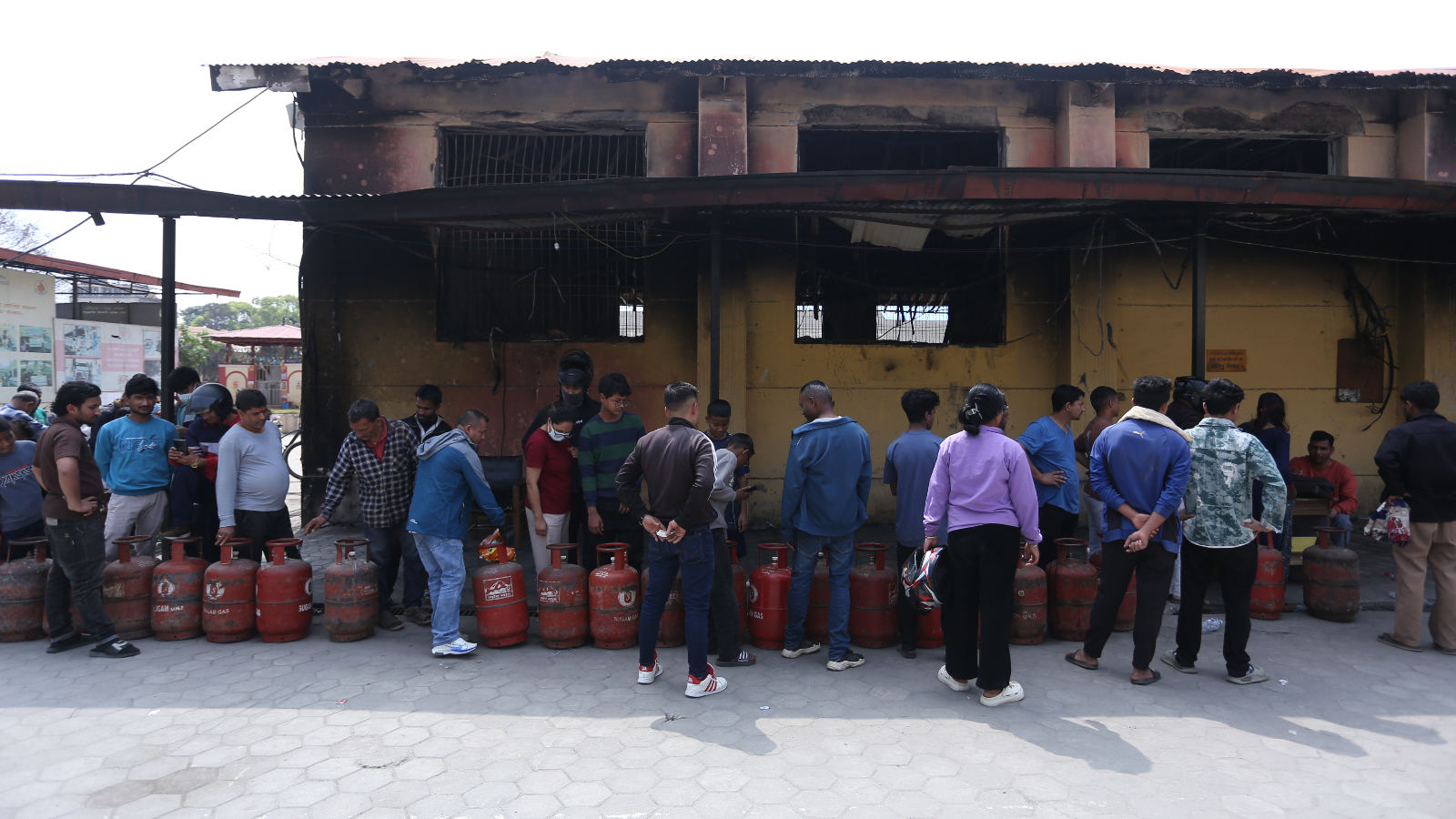
This disruption has triggered what many economists are calling the "Great Energy Disconnect." Unlike previous oil shocks, such as those in 1973 and 1979, the current crisis is occurring in an era where alternative technologies are not merely experimental but are economically competitive. As twenty-five nations now report critical shortages of road fuel, jet fuel, and heating oil, the global community is being forced to choose between short-term survival and long-term strategic independence.
A Chronology of the 2026 Energy Shock
The current crisis began in early January 2026, following a period of escalating tensions in the Persian Gulf. By the first week of March, the formal declaration of hostilities led to the immediate cessation of tanker traffic through the Strait. In the weeks that followed, the global market reacted with volatility not seen in decades.
By mid-March, major Asian economies, including Japan and South Korea, began drawing down their Strategic Petroleum Reserves (SPR) at record rates. In Europe, the sudden absence of Qatari LNG sent electricity prices soaring, prompting the European Commission to issue emergency directives on energy efficiency. By April, the crisis moved from the trading floors to the streets. Countries like Indonesia and Vietnam, which had been betting heavily on natural gas to power their growing industrial sectors, were forced to implement rolling blackouts.
In the final week of April, an international conference in Colombia served as a turning point for global policy. Selwin C. Hart, a special adviser to the United Nations Secretary-General, told delegates that the world finally possessed a "viable alternative." His statement reflected a growing consensus that the volatility of the Middle East has made fossil fuel reliance a liability that many nations can no longer afford to bear.
The Rise of the New Energy Order: Solar and Nuclear
While the war has been a catastrophe for oil and gas markets, it has acted as a massive accelerant for renewable energy and nuclear power. According to recent export data, China’s shipments of solar panels, batteries, and electric vehicles (EVs) reached an all-time high in March 2026. India, for instance, saw a 150 percent increase in the import of solar components in a single month as it sought to insulate its grid from the rising cost of imported coal and gas.
Africa has also emerged as a leader in this rapid adoption. Solar exports to the continent rose by 176 percent between February and March, with Nigeria, Kenya, and Ethiopia each adding more than a gigawatt of capacity in record time. For these nations, decentralized solar power offers a level of energy security that large-scale, fuel-dependent power plants cannot match.
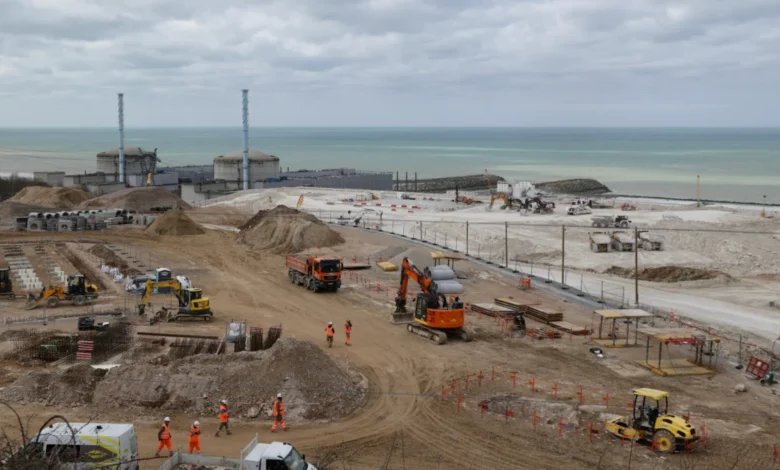
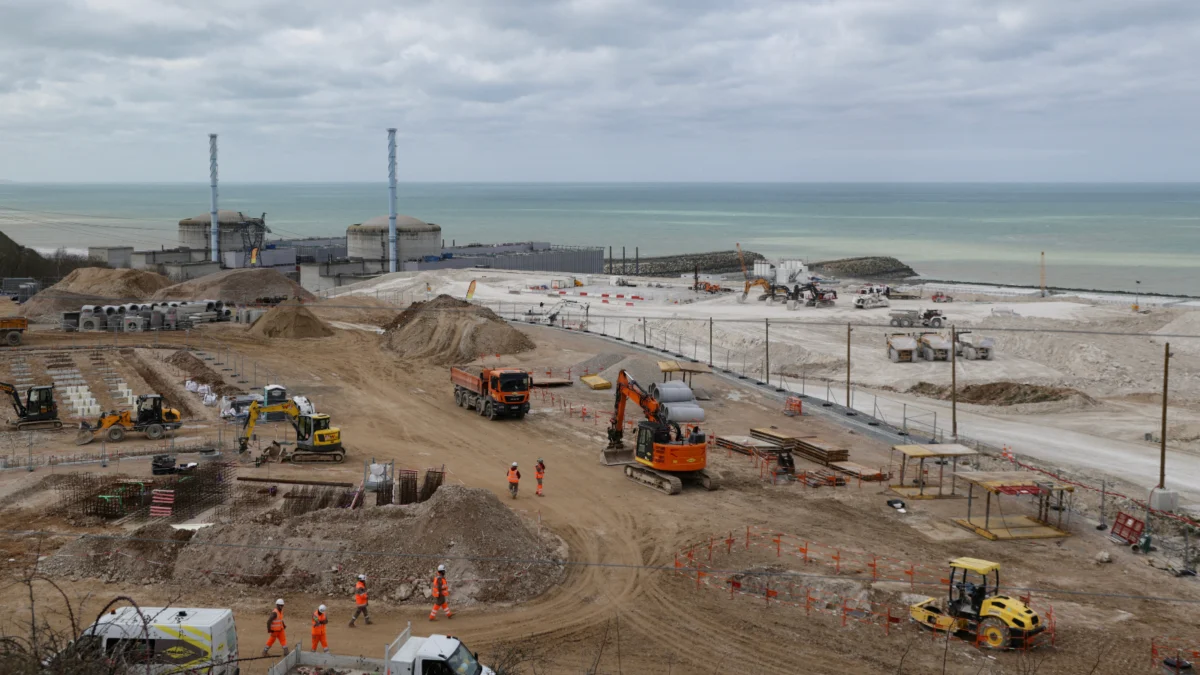
Simultaneously, the "nuclear taboo" that had persisted in many Western and Asian nations since the 2011 Fukushima disaster appears to have evaporated. In March, Japan and the United States signed a landmark $40 billion agreement to develop and deploy advanced small modular reactors (SMRs). Taiwan, which had previously moved toward a nuclear-free policy, has formally applied to restart its Maanshan nuclear plant to compensate for the loss of LNG imports. In Europe, Belgium and Spain have faced intense pressure to delay the decommissioning of their existing nuclear fleets, with Belgium’s Prime Minister Bart De Wever recently halting all phase-out activities to stabilize the national grid.
The Resurgence of Coal and the "Bridge Fuel" Fallacy
Despite the surge in clean energy, the crisis has also revealed a darker trend: the return to coal. Because coal is often domestically sourced and does not require the complex maritime logistics associated with oil and LNG, it has become the "fuel of last resort" for nations facing immediate blackouts. South Korea has lifted emissions caps on its coal-fired power plants to allow them to run at 100 percent capacity, and Italy has extended the lifespan of its coal facilities by a decade.
This resurgence has cast doubt on the long-standing theory of natural gas as a "bridge fuel." For years, policymakers argued that switching from coal to natural gas would lower emissions while the world built up its renewable capacity. However, the current war has demonstrated that natural gas is just as susceptible to geopolitical instability as oil. Anne-Sophie Corbeau, a researcher at Columbia University’s Center on Global Energy Policy, noted that many importers are now questioning whether they want to be exposed to a global gas market that can be paralyzed by a single regional conflict. As a result, many nations are looking to skip the "gas bridge" entirely, moving directly from coal to a mix of renewables and nuclear power.
Transport and the Accelerated EV Transition
The transportation sector, which accounts for the majority of global oil consumption, is perhaps the area where the shift is most visible to the public. As jet fuel prices skyrocket, airlines in Europe, Africa, and New Zealand have been forced to cancel thousands of flights. In the United States, smaller carriers like Spirit Airlines are facing the prospect of liquidation.
On the ground, however, the crisis is fueling a massive spike in electric vehicle adoption. In France and Germany, EV sales jumped by 50 percent in the first month of the war. In Brazil, sales surged by 200 percent. Governments are also intervening with mandates; Indonesia, for example, has fast-tracked a roadmap to zero-emission vehicles to reduce its vulnerability to oil price shocks. While internal combustion engines still dominate the roads, the current crisis is likely to be remembered as the moment the "peak oil" demand curve was permanently pulled forward.
Supply Chain Vulnerabilities in Wind Energy
Interestingly, not all renewable sources have benefited equally from the conflict. While solar and nuclear power are seeing a renaissance, wind energy faces a unique set of challenges. The blockage of the Strait of Hormuz has disrupted the shipping of massive wind turbine components, many of which are manufactured in the Persian Gulf region. This has created a paradoxical situation where demand for wind power is at an all-time high—evidenced by the record-high share prices of companies like Nordex—but the ability to actually install new turbines is being hampered by the same shipping delays affecting the oil industry. This bottleneck highlights the need for more localized manufacturing of green technology to ensure true energy independence.
Analysis of Broader Implications and Long-Term Outlook
The war in Iran has effectively ended the era of "cheap and easy" energy security. For decades, the global economy operated on the assumption that the Middle East would remain a reliable, if occasionally volatile, pump for the world’s industrial heartlands. That assumption has now been shattered.
The broader implications of this shift are twofold. First, the world is likely to see a "bifurcation" of energy systems. Wealthy nations with the capital to invest in nuclear and high-tech renewables will likely achieve a new form of energy sovereignty. Conversely, developing nations without such resources may find themselves trapped in a cycle of coal reliance, potentially derailing global climate targets set under the Paris Agreement.
Second, the definition of national security has been permanently altered. Access to critical minerals—such as lithium, cobalt, and copper—is now viewed with the same strategic intensity as access to oil fields was in the 20th century. Japan’s recent memorandum of cooperation with Indonesia regarding critical minerals is a clear indication that the race for the materials of the future has begun in earnest.
Two months into the conflict, the "chips" are still falling, and the final shape of the global energy system remains uncertain. What is clear, however, is that the reliance on fossil fuels that defined the last century is being dismantled by the harsh realities of 21st-century warfare. The world is not just changing its fuel source; it is changing its entire geopolitical foundation. As Daan Walter of the think tank Ember noted, the direction of this evolution is hard to predict, but the momentum toward a post-hydrocarbon world has never been more powerful.