The United States is currently navigating a convergence of hydrological and political pressures that have brought the nation’s water security to a critical inflection point. As summer temperatures begin to soar, two distinct but interconnected crises are unfolding: a systemic, decades-long decline of the Colorado River system affecting the American West, and a looming "Day Zero" scenario for the city of Corpus Christi, Texas. Driven by the dual forces of human-induced climate change and intensive industrial consumption, these emergencies are forcing a fundamental reassessment of how water is managed, allocated, and valued in the 21st century.
From the arid basins of the Southwest to the industrial corridors of the Gulf Coast, the scarcity of freshwater is no longer a distant projection but an immediate operational reality. Experts warn that the events of this summer will likely serve as a blueprint for other regions of the country, signaling that the era of reliable, low-cost water may be coming to an end.
The Aridification of the American West
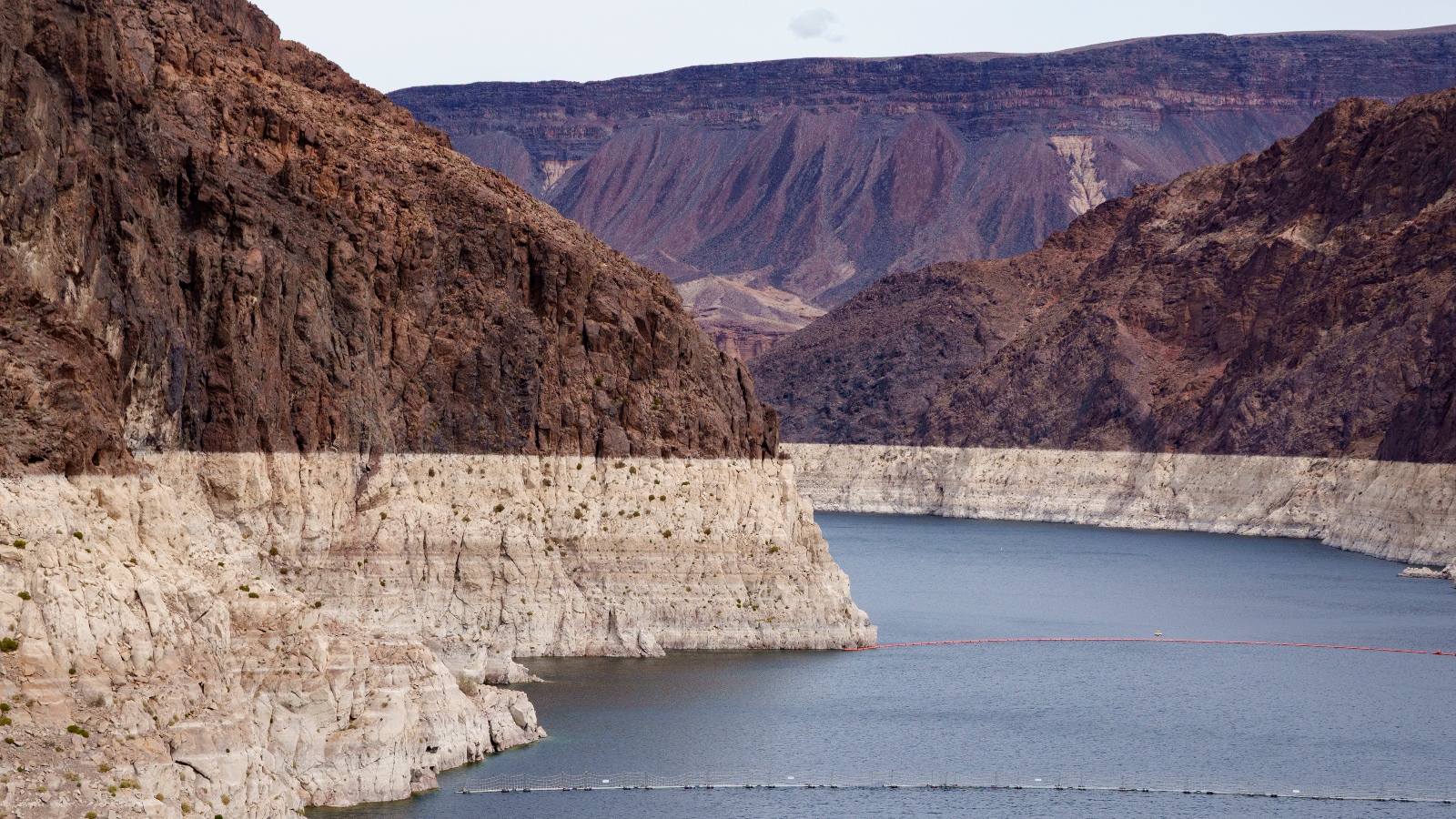
The Colorado River serves as the lifeblood for approximately 40 million people across seven U.S. states—California, Arizona, Nevada, Colorado, New Mexico, Utah, and Wyoming—as well as parts of Mexico. It supports a multi-billion dollar agricultural industry and provides the mechanical energy required to power millions of homes through hydroelectric dams. However, the river is currently in the grip of a "megadrought" that has persisted for over two decades, a phenomenon researchers now increasingly refer to as "aridification" to reflect a permanent shift toward a drier climate.
The current crisis was exacerbated by a winter and spring of extreme weather anomalies. In February, snowpack levels across several mountain ranges reached historic lows. This was followed by a record-breaking March, during which temperatures surged to unprecedented levels. Brad Udall, a senior water and climate researcher at Colorado State University’s Colorado Water Center, described the March heat as "unprecedented and stunning," noting that the rapid warming caused a "crummy snowpack" to vanish in a matter of weeks.
The result of this early and rapid snowmelt has been a visible decline in river flow. In certain stretches of the Colorado, the water has slowed to a mere trickle. This has dire implications for the two largest reservoirs in the United States: Lake Powell and Lake Mead. These reservoirs act as the system’s "savings accounts," but their balances are dangerously low. As of mid-2024, Lake Mead was sitting only 17 feet above its record low level set in 2022. If water levels drop below the intake valves of the Hoover Dam (Lake Mead) or Glen Canyon Dam (Lake Powell), the ability to generate hydropower for 25 million people will be compromised, leading to a potential energy crisis on top of the water shortage.
The Breakdown of the Colorado River Compact
The physical scarcity of water is compounded by a legal and political crisis. The distribution of the river’s water is governed by the Colorado River Compact of 1922, a century-old agreement that divided the water between the Upper Basin and Lower Basin states. Modern hydrologists have long pointed out that the 1922 agreement was based on data from an unusually wet period, meaning the river was over-allocated from its inception.
In recent years, the states have failed to reach a consensus on how to reduce their consumption voluntarily. A key deadline in February was missed, leaving the states at an impasse. The primary point of contention is the sheer volume of water consumed by agriculture, specifically alfalfa used for cattle feed. Statistics show that alfalfa production consumes more water than all the cities in the basin combined.
The U.S. Department of the Interior has recently been forced to intervene, announcing emergency measures to keep hydropower operations running at Lake Powell. These actions may involve withholding water from downstream states, a move that could trigger a constitutional crisis between states. Brad Udall warns that for the first time in history, the Upper Basin states may fail to deliver the legally required amount of water to the Lower Basin, potentially leading to protracted litigation in the Supreme Court.
Case Study in Municipal Crisis: Corpus Christi, Texas
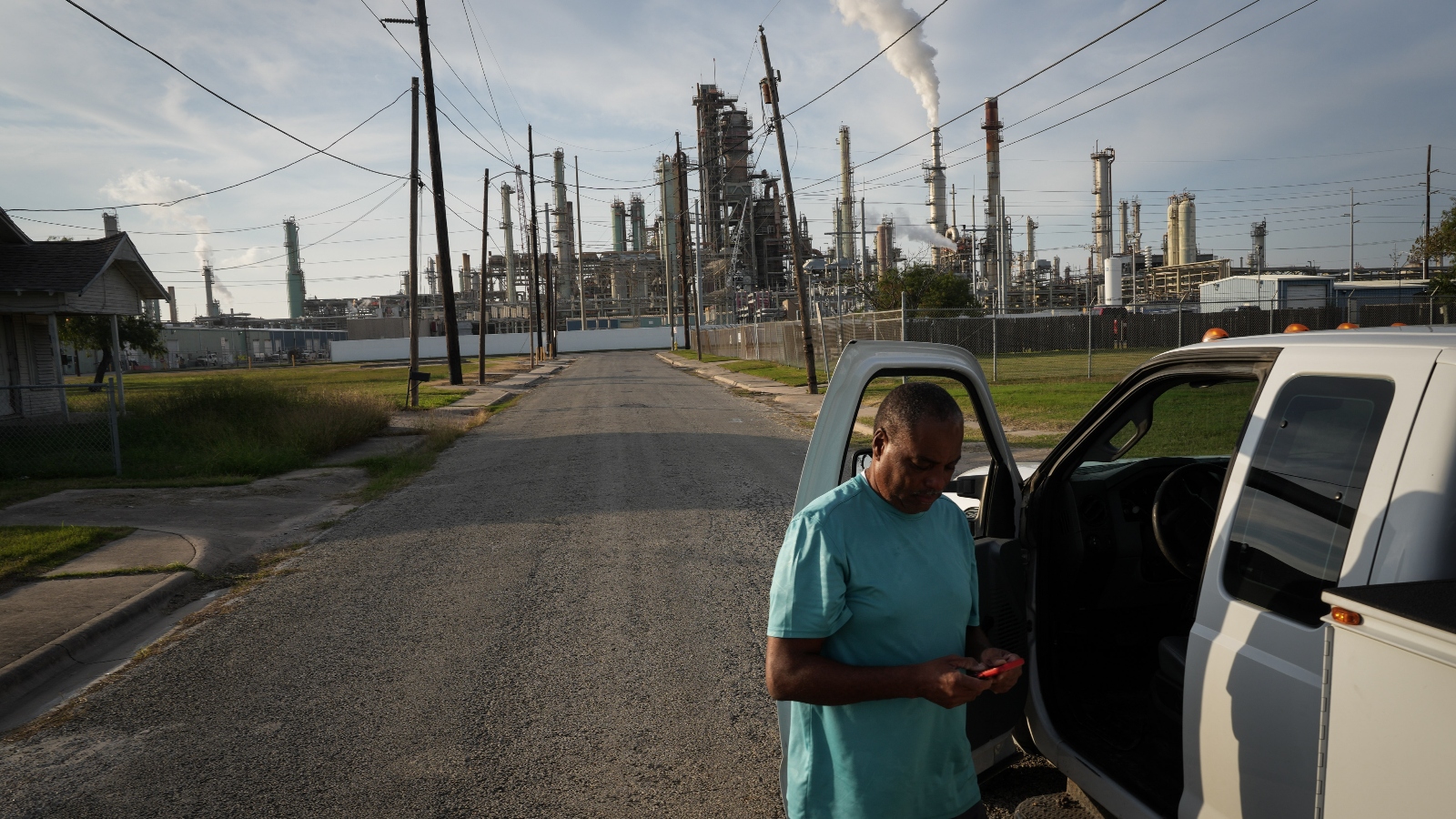
While the Colorado River represents a regional systemic failure, the situation in Corpus Christi, Texas, illustrates how quickly a major metropolitan area can reach a breaking point. As the eighth-largest city in Texas and a major petrochemical hub, Corpus Christi is currently staring down a Level 1 drought emergency.
City officials have projected that by September, the city will reach a state where water demand outpaces supply for a 180-day period. Without significant rainfall from tropical systems or a massive shift in consumption, some projections suggest the city’s municipal sources could run dry by 2025.
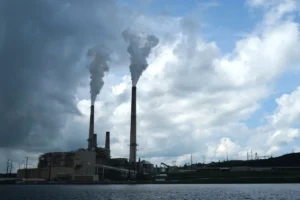
The crisis in Corpus Christi is a stark example of the tension between industrial growth and resource limits. The city is home to a massive plastics plant operated as a joint venture between Exxon Mobil and Saudi Basic Industries Corporation (SABIC). Data indicates that this single plant consumed an average of 13.5 million gallons of water daily between 2022 and 2024. In contrast, the average residential household uses roughly 6,000 gallons per month.

Despite the looming shortage, city leadership has been hesitant to impose strict industrial curbs earlier in the year. City Manager Peter Zanoni stated that the decision to wait until September to mandate a 25 percent reduction for industrial customers was based on a desire to avoid "wrecking the economy" or forcing operations to close. This delay highlights the difficult balancing act local governments face when trying to maintain economic momentum while managing a finite and dwindling resource.
Infrastructure Costs and Failed Solutions
One of the primary lessons emerging from the Texas crisis is the soaring cost of "alternative" water solutions. For years, Corpus Christi discussed the construction of a desalination plant to convert seawater into fresh water for industrial use. However, the projected cost of the project has ballooned to over $1 billion.
The project faced significant hurdles, including environmental concerns regarding the discharge of concentrated brine back into the bay and the sheer financial burden on taxpayers. Recently, the Texas Governor’s office denied additional funding for the project, leaving the city without a clear backup plan as its primary reservoirs—Choke Canyon and Lake Corpus Christi—sit at less than 10 percent capacity.
Shane Walker, director of the Water and the Environment Research Center at Texas Tech University, emphasizes that waiting for cheaper infrastructure solutions is a losing strategy. "Water infrastructure projects are getting more expensive with time," Walker noted, adding that cities must operate on a 20-year "urgent" time horizon.
A Chronology of the 2024-2026 Water Crisis
The current emergency is the result of a specific timeline of climatic and policy failures:
- February 2024: Western snowpack reaches record lows following a winter of extreme heat.
- March 2024: A "heat dome" event causes premature snowmelt, preventing the gradual release of water into the Colorado River system.
- April 2024: The U.S. Interior Department unveils emergency plans for the Colorado River after states miss key negotiation deadlines.
- May 2024: Reservoir levels at Lake Mead drop more than six feet in 60 days, nearing the 2022 historic low.
- June 2024: Corpus Christi officials announce that the city’s two main reservoirs have dropped below 10 percent capacity.
- September 2024 (Projected): Corpus Christi to enter Level 1 drought emergency, triggering the first mandatory industrial water cuts.
- 2025-2026 (Projected): Potential for the first legal violation of the 1922 Colorado River Compact if Upper Basin delivery requirements are not met.
Broader Impact and the National Security Implication
The water crisis is not merely an environmental or local issue; it is a matter of national economic security. The American West produces a significant portion of the nation’s winter vegetables and cattle feed. A collapse in water availability would lead to a surge in food prices and a disruption of global supply chains, particularly in the plastics and semiconductor industries, both of which are highly water-dependent.
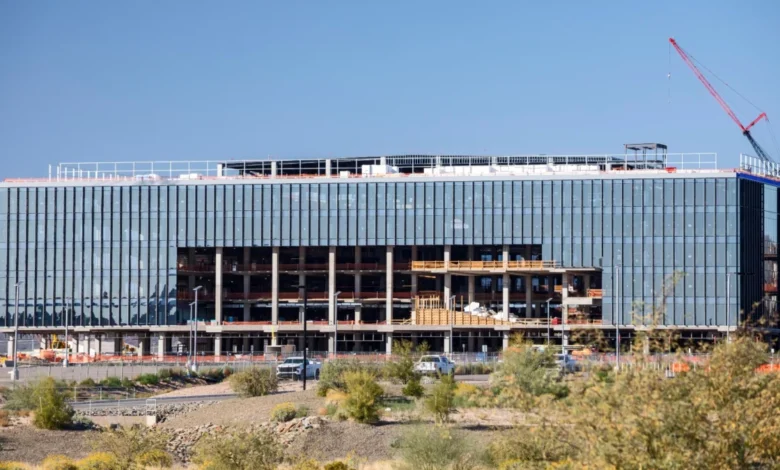
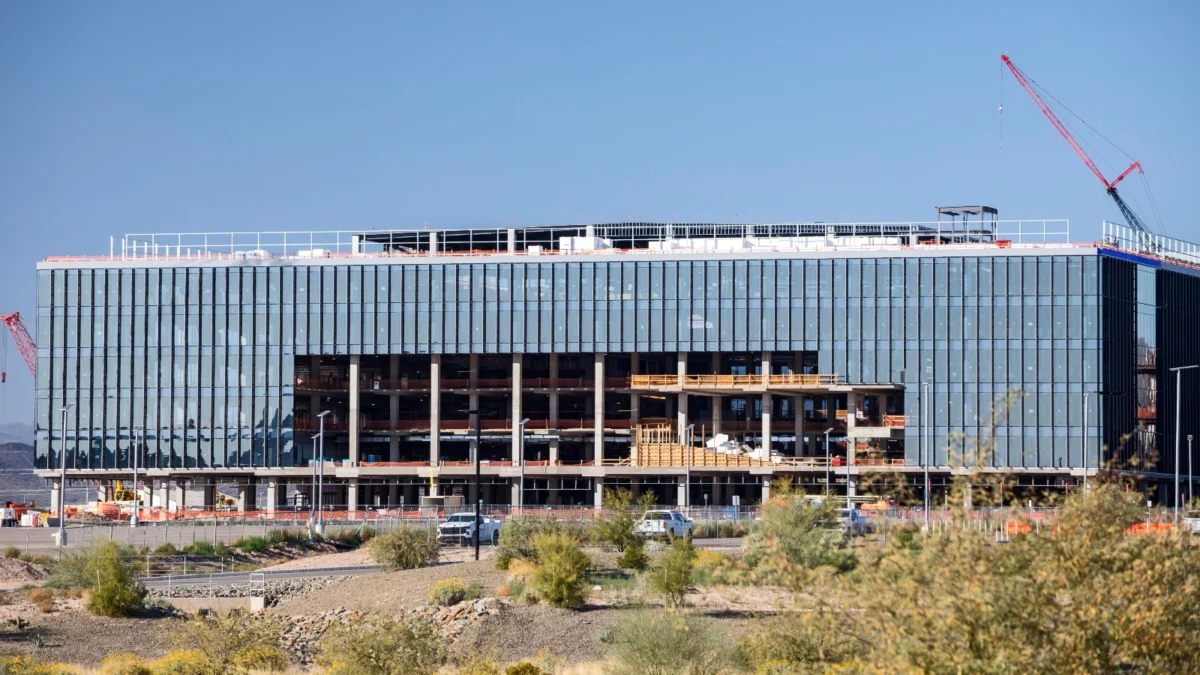
In Arizona, the burgeoning semiconductor industry—essential for national defense and artificial intelligence—requires millions of gallons of ultrapure water daily. While these companies have invested in advanced water recycling technologies, they still rely on the underlying stability of the municipal and regional water supply.
Furthermore, the "Day Zero" threat in Texas serves as a warning to other rapidly growing Sun Belt cities. As populations migrate to states like Texas, Florida, and Arizona, the demand for water is increasing at the exact moment that climate change is making surface water less reliable.
Conclusion: A Fundamental Rethink of Resource Management
The summer of 2024 marks a transition from "drought management" to "crisis adaptation." The reliance on 20th-century agreements and infrastructure is proving insufficient for 21st-century climatic realities.
Experts like Brad Udall believe this may be the first worldwide climate change crisis that forces fundamental policy-level decisions. The total rethinking of water use will require difficult trade-offs: prioritizing human consumption over industrial expansion, shifting agricultural practices away from water-intensive crops in arid regions, and investing billions in water recycling and desalination despite the high costs.
As the West and Texas navigate this difficult summer, the rest of the nation is watching. The era of taking water for granted is ending, replaced by a new reality where every gallon must be accounted for, and the survival of major cities depends on the ability to plan decades in advance for a drier, hotter future.
Related posts: