Paris Prepares for a Boiling Future: The Lessons of the Paris at 50 Degrees Celsius Extreme Heat Simulation

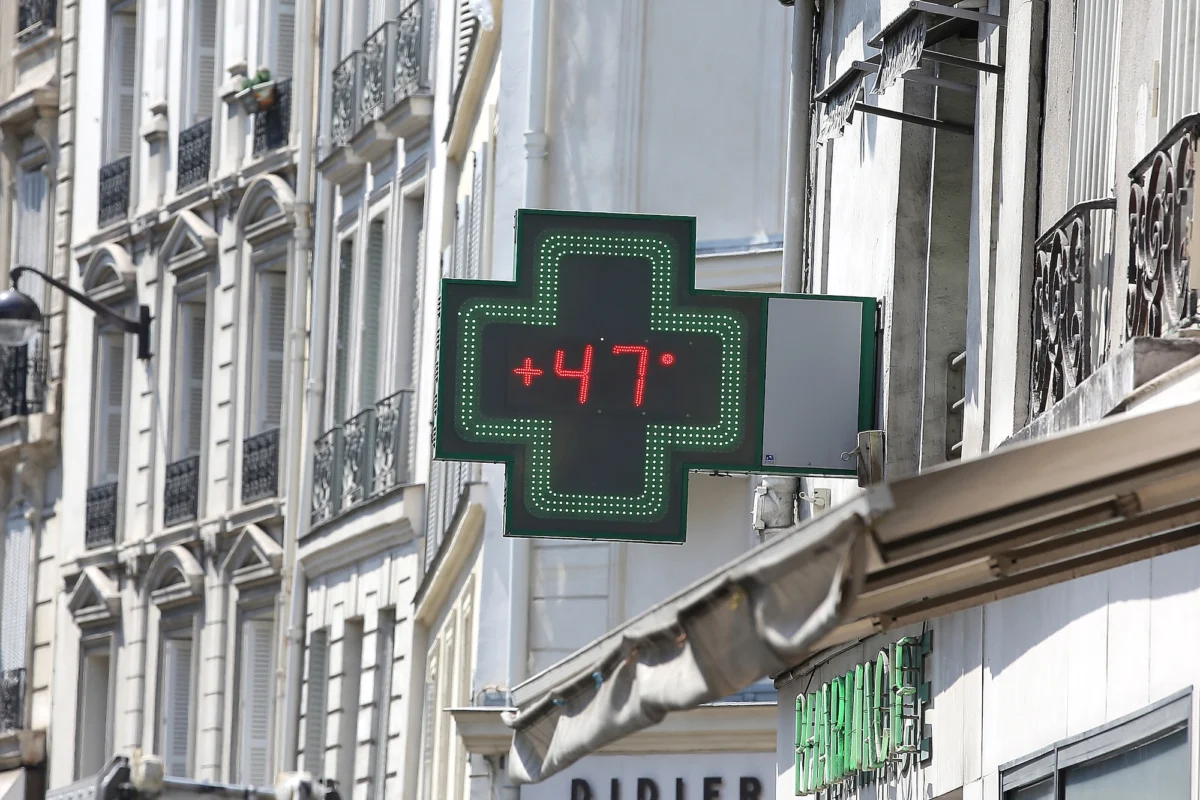
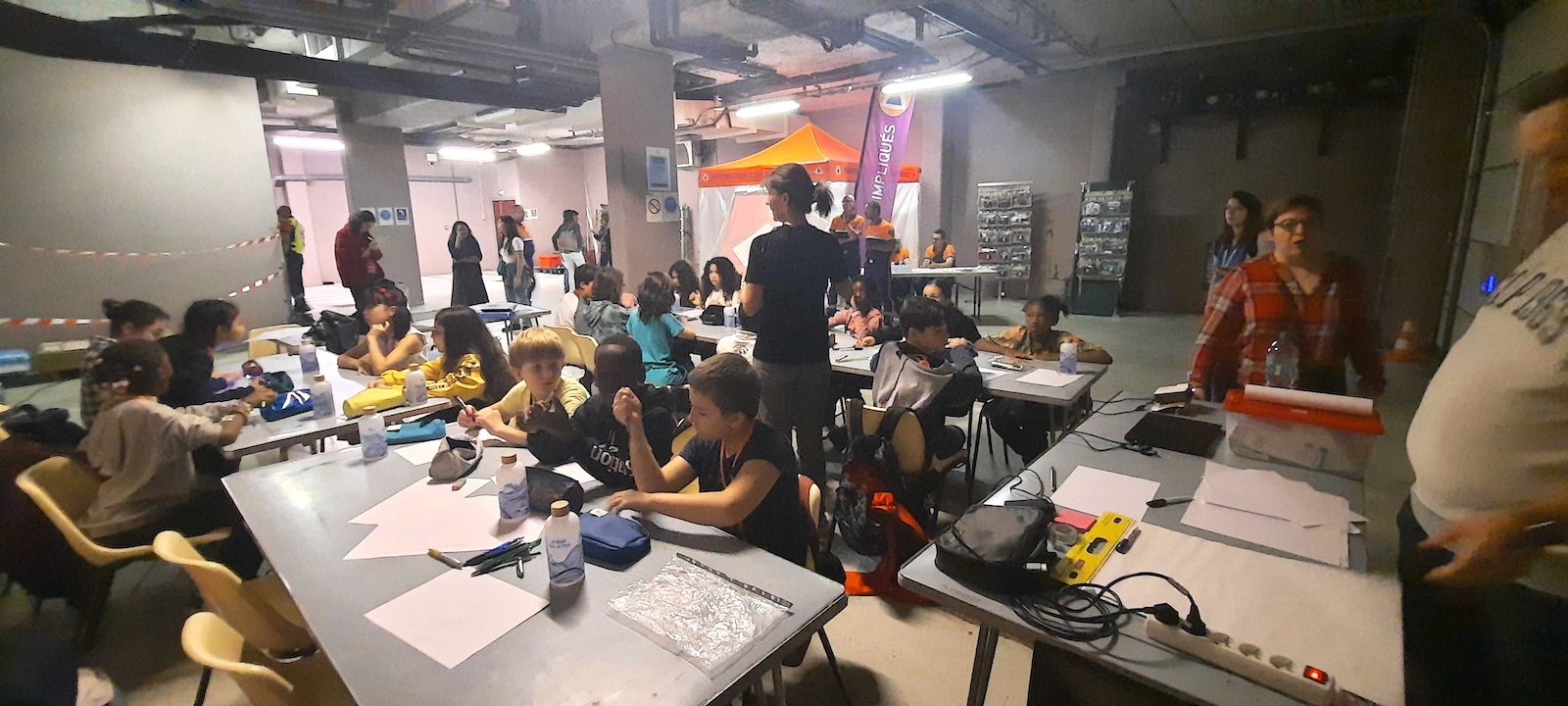
On a sunny Friday afternoon in October 2023, approximately 70 children filed into a cool, dark tunnel in the south of Paris, participating in a grim but necessary rehearsal for a future defined by escalating global temperatures. The tunnel, a segment of the abandoned Petite Ceinture railway that once encircled the French capital, maintains a constant temperature of 64 degrees Fahrenheit (18 degrees Celsius). In the context of the exercise, this subterranean passage served as a theoretical safe haven from a lethal heat wave imagined to be raging in the streets above.
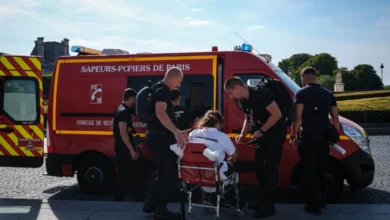
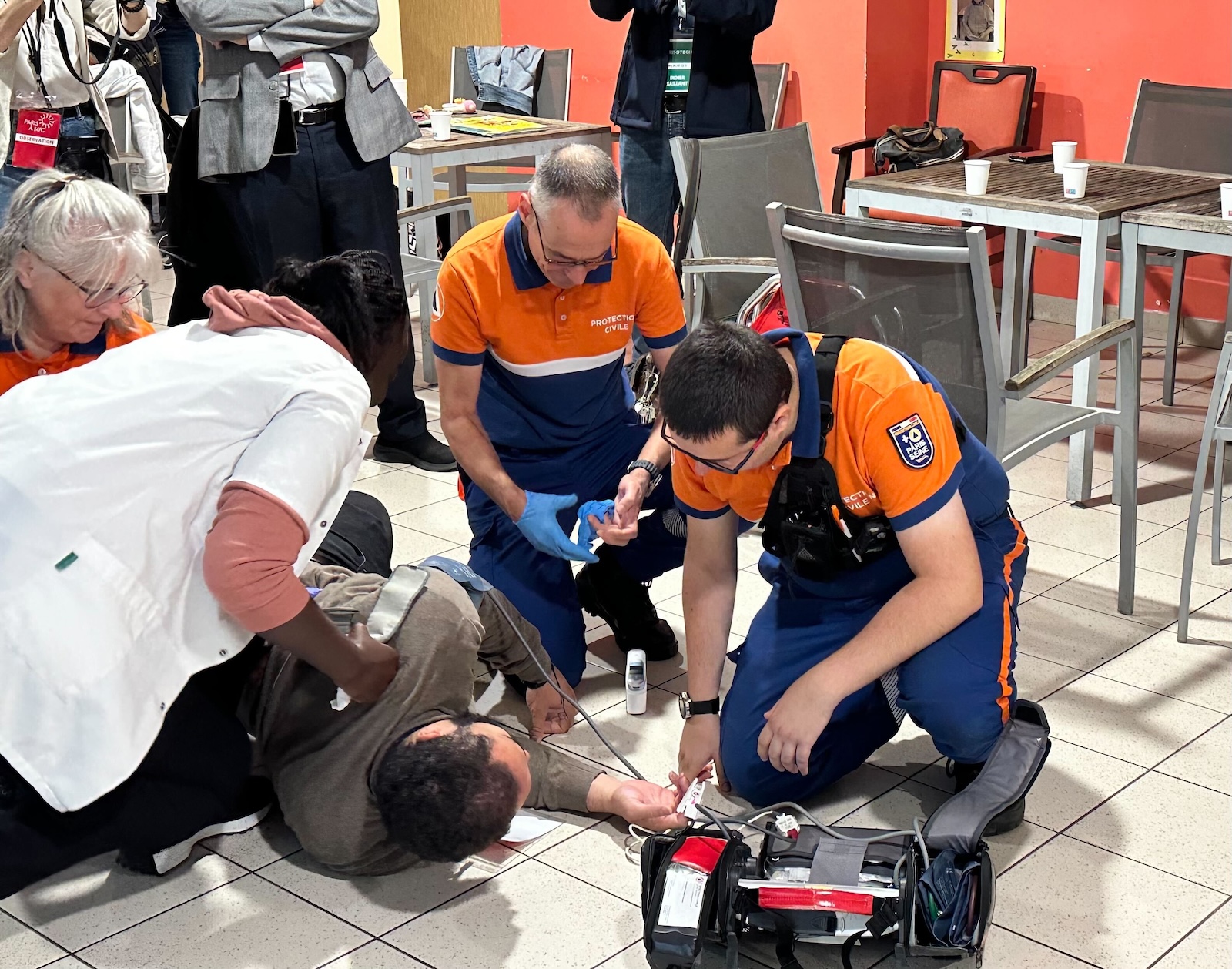
Once underground, the youngsters were tasked with simulating the cascading disasters that extreme heat can trigger. Some children role-played victims of food poisoning caused by refrigeration failures during power outages. Others mimicked the symptoms of carbon monoxide poisoning from faulty backup generators. Nearby, Red Cross workers practiced the harrowing triage process of deciding which "patients" to transport to hospitals already overwhelmed by a surge in heatstroke cases. Surrounding the children were dozens of firefighters, city officials, and educators, all working to navigate the simulated chaos of a heat event of unprecedented duration and intensity.
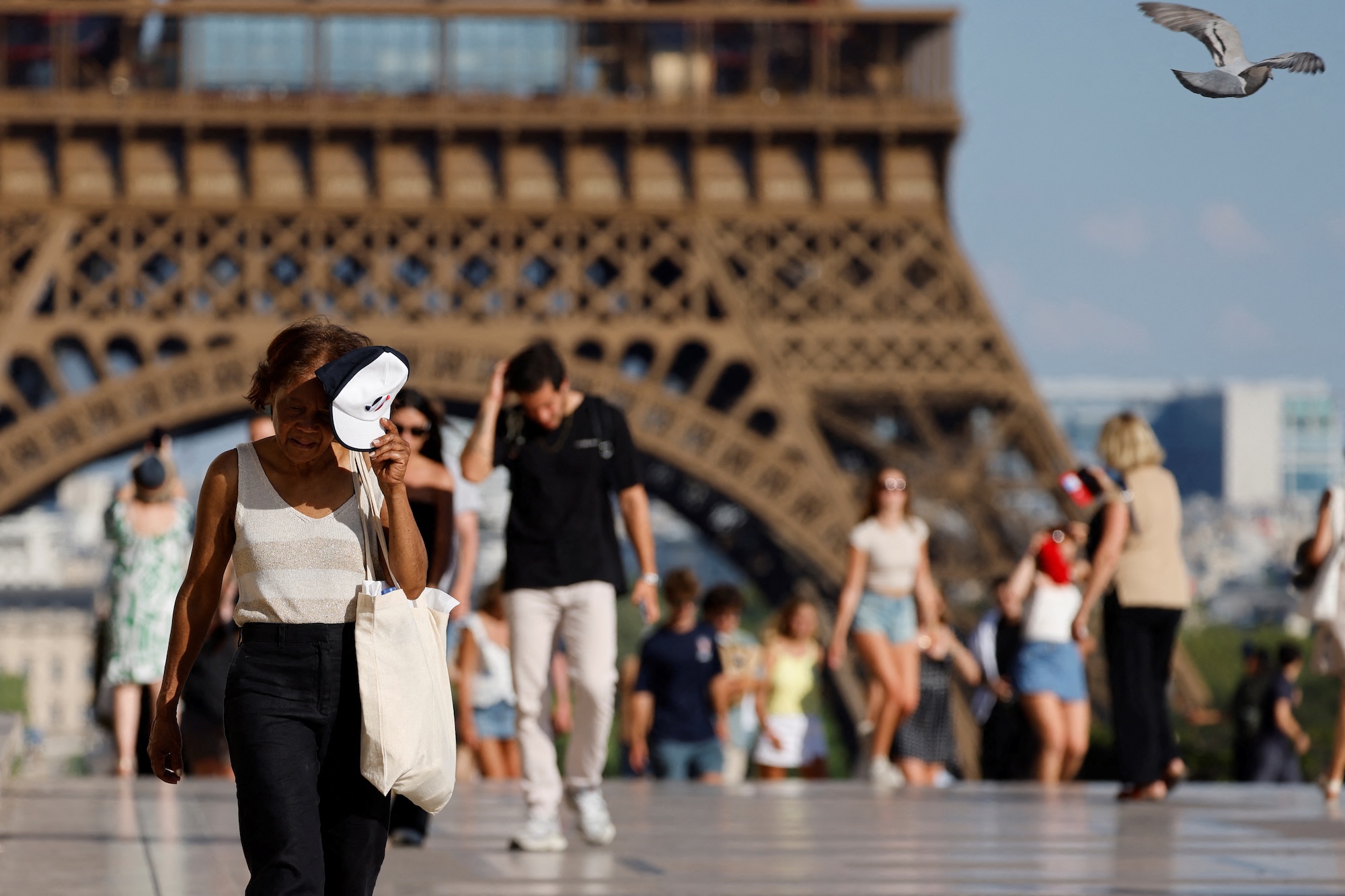
The Scientific Necessity of "Paris at 50°C"
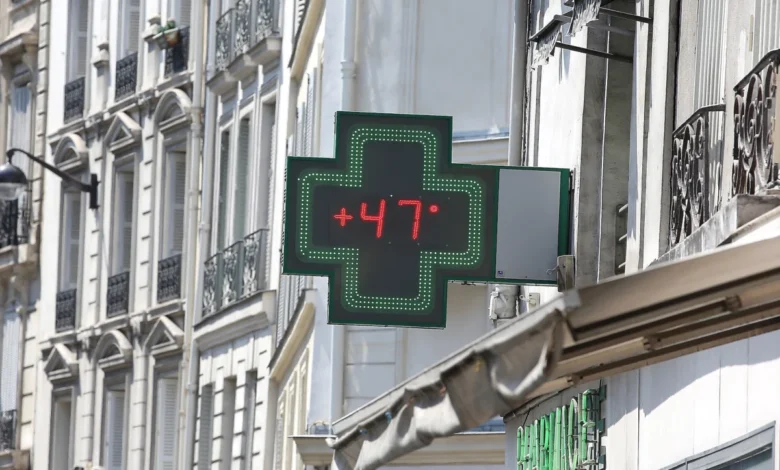
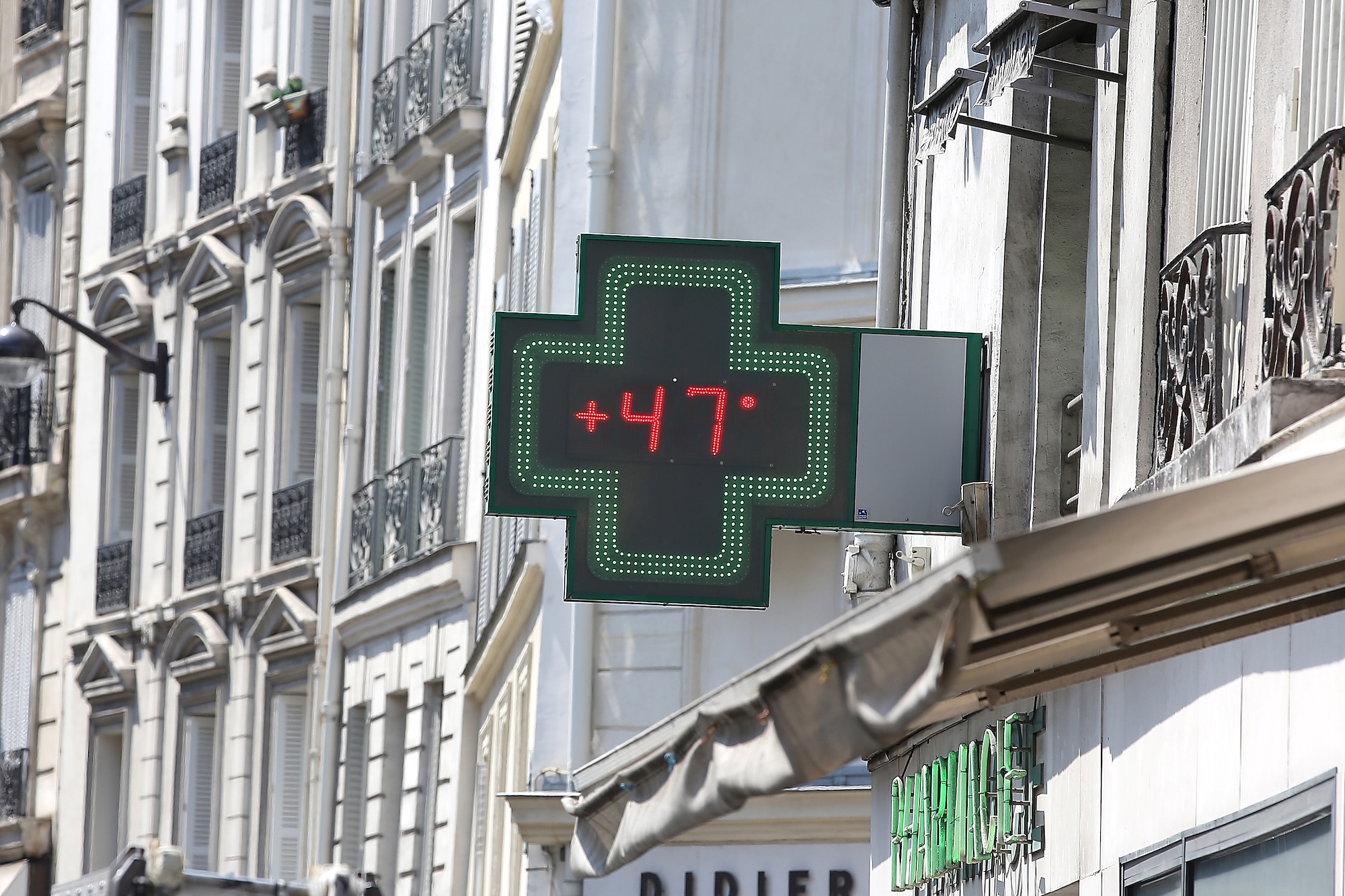
The exercise, officially titled "Paris at 50 Degrees Celsius," was a rigorous stress test designed to envision a city under 122 degrees Fahrenheit. While such a temperature may seem unimaginable for a city famed for its temperate climate, climate scientists warn that it is an increasingly plausible scenario by the turn of the century. The current record for Paris stands at 108.68 F (42.6 C), recorded during a blistering heat wave in July 2019. However, modeling from the Île-de-France Regional Climate Change Expertise Group suggests that without drastic global intervention, the 50-degree threshold could become a recurring reality.
The two-day event combined live-action drills with complex tabletop simulations to help refine a protection plan for the city’s 2.1 million residents. This initiative reflects a growing trend among municipal governments worldwide. As the climate crisis intensifies, cities are moving beyond theoretical "heat action plans" to active rehearsals, testing health services, emergency response protocols, and essential infrastructure before the mercury reaches dangerous extremes.
A Global Threat to Urban Centers
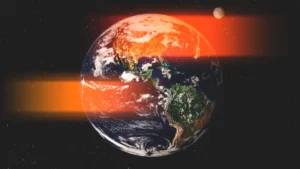
What Paris is currently rehearsing is a precursor to challenges facing metropolitan areas across the globe. European governments have recently been urged by advisory boards to prepare for warming of 2.8 to 3.3 degrees Celsius (5 to 6 degrees Fahrenheit) above pre-industrial levels. For Paris, this shift translates into dangerous summertime spikes that threaten the very livability of the city.
The threat is far from local. Current climate modeling suggests that by 2050, more than 1.6 billion people across nearly 1,000 cities will regularly experience perilous heat conditions. Heat waves are no longer mere inconveniences; they are "silent killers" that strain hospital capacity, cause widespread power grid failures, and paralyze transit systems. In the densely interconnected systems of a modern city, a single point of failure—such as a buckled train track or a blown transformer—can lead to a catastrophic breakdown of public order and safety.
The Logistics of Resilience: 18 Months of Planning
The "Paris at 50°C" simulation was not an overnight endeavor. Pénélope Komitès, Paris’s deputy mayor in charge of resilience, spent more than 18 months coordinating the drill. "It was very important for us to show people that heat waves are not just something we see on the TV, but something that can happen soon," Komitès stated.
To create a realistic scenario, the city commissioned Crisotech, a consultancy specializing in crisis management. Crisotech spent nine months developing a dozen distinct scenarios to identify where municipal services might buckle. The simulation cost approximately €200,000 ($236,000) and involved more than 100 organizations, including emergency services, utility providers, and non-profits.
Paris took the unprecedented step of including ordinary citizens and schoolchildren in the role-playing. Ziad Touat, the crisis management consultant who led the simulation, noted that children were particularly valuable participants. Their presence forced officials to account for the most vulnerable populations, and their inquisitive nature highlighted gaps in communication that adults might overlook. Furthermore, Komitès emphasized that the COVID-19 pandemic proved that a well-informed populace is more resilient; if citizens can recognize early symptoms of heatstroke or know the location of the nearest cooling shelter, the burden on first responders is significantly reduced.
Identifying the "Points of Failure"
The primary goal of such simulations is not for the drill to run smoothly, but for it to fail in informative ways. According to Cassie Sunderland, managing director of climate solutions at C40—a global network of mayors—the most valuable exercises are those that expose coordination problems.
During the Paris drills and similar exercises in cities like Melbourne and Phoenix, engineers and medical professionals identified specific logistical nightmares. For example, Dr. Satchit Balsari, a professor of emergency medicine at Harvard Medical School, pointed out the practical difficulties of cooling a body during a mass-casualty heat event. "How do you take a large human body and put it in ice? Is there a bucket that big?" Balsari asked. The answer is often no, leading to discussions about using specialized body bags or sourcing massive quantities of ice during a power outage.
Furthermore, simulations have revealed infrastructure vulnerabilities that are often overlooked on paper. In many cities, train tracks expand and buckle at high temperatures, potentially preventing medical staff from reaching hospitals. In Phoenix, a previous exercise revealed such significant gaps in inter-departmental communication that the city took the radical step of creating a dedicated Heat Department to centralize its response.
Global Adoption: From Barcelona to Taiwan
As the "Paris model" gains international attention, other regions are adapting it to their specific needs. Barcelona, located in a Mediterranean basin that is warming 20 percent faster than the global average, is currently developing its own simulation. Irma Ventayol, head of Barcelona’s climate change department, is focusing on infrastructure resilience. "Can we cope with waste management at 40 degrees C or 50 degrees C? Are the trucks prepared? Maybe they are, but no one has checked," she noted.
In Taiwan, the scope of simulation is expanding from the municipal to the national level. The country plans a live simulation in July to test the friction points between local city agencies and national officials during a prolonged 104-degree Fahrenheit (40-degree Celsius) heat wave. Ken-Mu Chang, deputy director general of Taiwan’s Climate Change Administration, noted that previous tabletop exercises were too focused on agencies reciting existing plans. The new goal is to force agencies to identify what is missing when those plans are rendered obsolete by extreme conditions.

Beyond the Drill: From Simulation to Action
While simulations are vital for emergency response, experts agree they must be paired with long-term urban cooling strategies. In Paris, the 2023 simulation resulted in 50 specific recommendations that have been integrated into the city’s 2024–2030 Climate Action Plan.
The city is already acting on these lessons. Last winter, Paris planted 15,000 trees as part of a broader effort to replace heat-absorbing asphalt with green space. The city is also subsidizing the insulation of thousands of homes and has opened bathing spots along the Seine River to provide public cooling options.
Perhaps the most significant outcome of the Paris simulation was the realization of how unprepared the general public remains. To combat this, the city opened the "Campus of Resilience" in March. Operated in conjunction with the fire department and civil protection agencies, the center offers public workshops and training sessions designed to turn Parisians from passive victims into active participants in their own survival.

Conclusion: The Cost of Unpreparedness
The financial and logistical investment required for a large-scale heat simulation is significant, but proponents argue the cost of inaction is far higher. The World Health Organization estimates that heat already contributes to roughly half a million deaths globally each year. As urban heat islands intensify, the "silent killer" of extreme temperature threatens to become a loud and frequent disruptor of modern civilization.
"Everything we did is already on the internet so you’re already one step ahead," said Ziad Touat, encouraging other cities to utilize the public guides and reports generated by the Paris exercise. Whether through small-scale tabletop meetings or massive underground role-playing events, the message from Paris is clear: the time to rehearse for a 50-degree Celsius world is now, while the air is still cool enough to think.