Global Shipping Decarbonization Faces Pivot Point as Nations Rally for Net-Zero Framework Despite U.S. Opposition

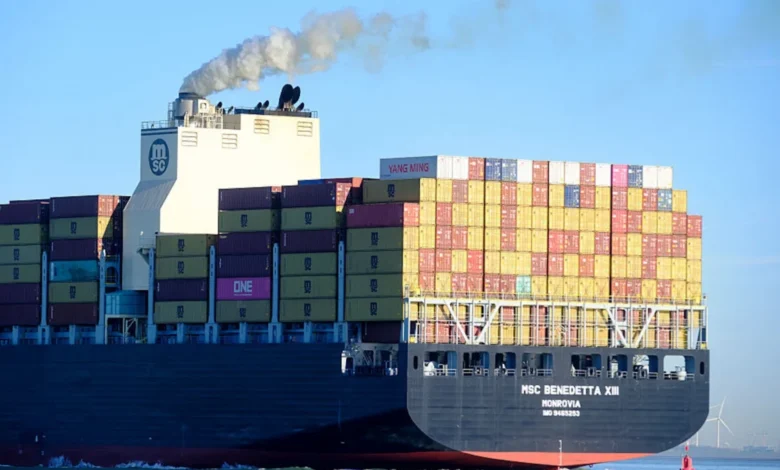
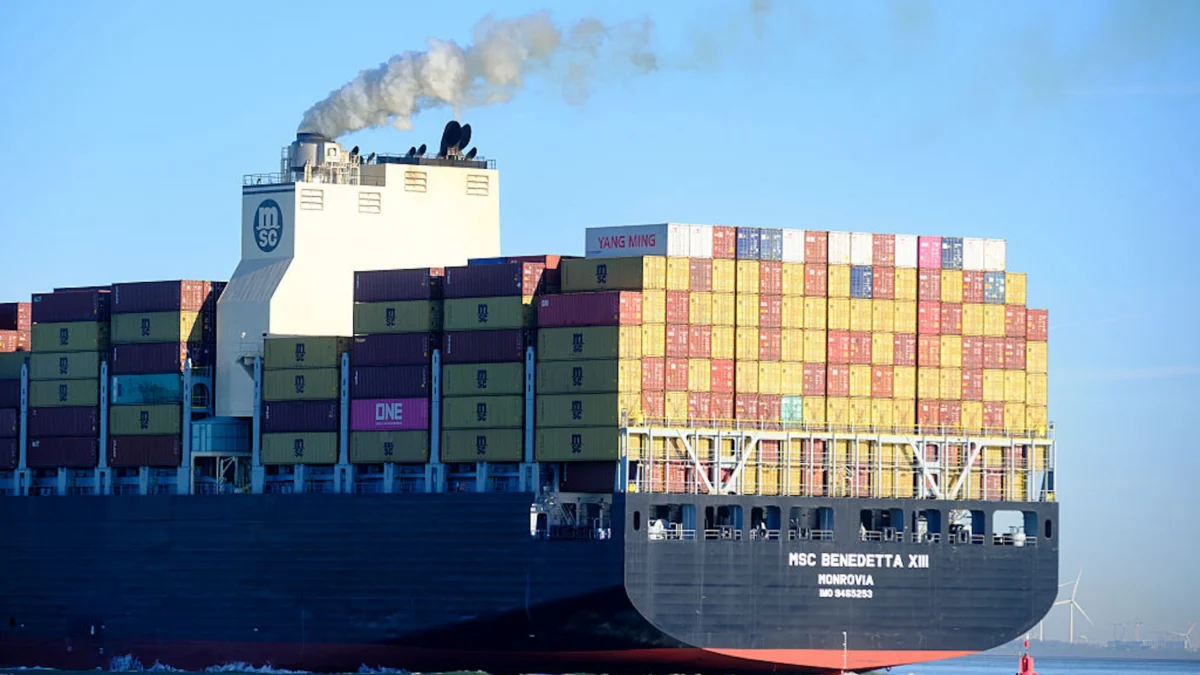
The international maritime sector, a cornerstone of the global economy responsible for transporting 90 percent of the world’s trade, currently stands at a critical crossroads. For decades, the giant vessels that crisscross the oceans—delivering everything from jet fuel and electronics to clothing and consumer staples—have relied on "bunker fuel," a viscous, carbon-heavy sludge left over from the crude oil refining process. This reliance has made the shipping industry a significant contributor to the climate crisis, accounting for approximately 3 percent of total global carbon emissions. If the sector were a country, it would rank as the sixth-largest emitter in the world, positioned between Japan and Germany.
Efforts to mitigate this environmental impact reached a fever pitch last week during a high-stakes meeting of United Nations member states at the International Maritime Organization (IMO) headquarters in London. Despite an aggressive campaign by the Trump administration to dismantle the proposed "Net-Zero Framework" (NZF), a slim majority of nations reaffirmed their commitment to the plan. This resilience suggests that a narrow but viable path remains for the adoption of a global carbon levy, a move that would fundamentally transform the economics of international trade.
The Net-Zero Framework and the Economics of "Dirty" Fuel
At the heart of the debate is the Net-Zero Framework, an ambitious regulatory structure designed to bring the shipping industry’s carbon footprint down to zero. The core mechanism of the NZF is a per-ton fee on greenhouse gas emissions that exceed a specific threshold. By putting a price on carbon, the IMO aims to bridge the price gap between traditional, cheap bunker fuel and more expensive, sustainable alternatives such as green ammonia, methanol, or hydrogen-based fuels.
Historically, the low cost of shipping has been subsidized by the environmental toll of its fuel. The "sludge" used by these vessels is high in sulfur and carbon, contributing not only to global warming but also to significant air pollution in coastal regions. Proponents of the NZF argue that without a mandatory economic element—namely, a tax or levy—the industry will lack the financial incentive to invest in the massive infrastructure and vessel upgrades required for a green transition.
However, this economic element has become a lightning rod for political opposition. The Trump administration has emerged as the most vocal critic of the plan, arguing that such a levy would constitute a global tax that would inevitably be passed on to American consumers and businesses. In public documents submitted to the IMO, U.S. officials have drawn a hard line, stating that the most appropriate path forward is to end consideration of the NZF entirely.
Diplomatic Tensions and the U.S. Strategy
The U.S. opposition has not been confined to the debating chambers of the IMO. Reports indicate that the administration has engaged in a robust diplomatic pressure campaign, allegedly threatening countries with visa restrictions, trade tariffs, and increased port fees if they voiced support for the carbon levy. This strategy aimed to foster support for "watered-down" alternative proposals submitted by a coalition of countries, including Japan, Liberia, Argentina, and Panama. These alternatives often focus on technical efficiency standards rather than direct economic penalties for carbon emissions.
During the London negotiations, U.S. delegates distributed leaflets containing country-specific economic projections designed to highlight the potential costs of the NZF. One handout focused on Peru, suggesting that the framework would result in nearly $800 million in compliance costs for the South American nation. However, these figures were quickly challenged by climate experts and delegates from other nations.
Em Fenton, a senior director at the U.K.-based climate group Opportunity Green, characterized the U.S. data as a calculated attempt to derail progress. "The data is a clear effort being made by a country acting in strong self-interest and using misinformation and exaggeration to the detriment of other countries’ interests," Fenton stated. Despite these maneuvers, the majority of the delegates remained focused on the original framework, with Fenton noting a "genuine spirit of collaboration and optimism" among those seeking a comprehensive solution.
The "Blocking Arithmetic" of Flag States
The path to adopting the NZF is complicated by the unique regulatory structure of the shipping industry. Under IMO rules, a proposal can be defeated if it is opposed by one-third of the member countries. More critically, it can be blocked by a smaller group of countries if that group controls 50 percent of the world’s shipping tonnage.
This rule grants extraordinary leverage to a handful of "flag states"—countries where ships are registered for tax and regulatory purposes, regardless of where the owners are based. Just four nations—Liberia, Panama, the Bahamas, and the Marshall Islands—account for roughly half of the world’s registered shipping tonnage. Because ships can be owned in one country, operated in another, and "flagged" in a third, these small nations wield disproportionate power in maritime negotiations.
Evelyne Williams, a research associate with the Center on Global Energy Policy at Columbia University, pointed out that the opposition from major flag states like Liberia and Panama puts the NZF in a precarious position. "You’re kind of already in that neighborhood of the 50 percent blocking threshold," Williams noted. While she expressed "cautious optimism" regarding the recent progress in London, she warned that the "blocking arithmetic" remains a sobering reality for climate advocates.
Industry Support: Seeking a Level Playing Field
In a surprising twist, much of the shipping industry itself—the companies that own and operate the vessels—is siding with the pro-regulation majority. Trade organizations like BIMCO, which represents a vast swath of global shippers, have expressed a preference for a single, uniform global tax over a fragmented landscape of regional regulations.
The industry is currently navigating a burgeoning "patchwork" of rules, most notably the European Union’s decision to include shipping in its Emissions Trading System (ETS). Without a global standard set by the IMO, shipping companies fear they will be forced to comply with dozens of different, and potentially conflicting, carbon regimes in different jurisdictions.
David Loosley, CEO and Secretary General of BIMCO, emphasized the need for the IMO to act as a global regulator. "To arrive at implementable regulations at a global level, we need the backing of all member states," Loosley stated following the London meeting. "Without consensus, global regulations will be ineffective and will fail to provide a level playing field for a truly global industry." For these companies, a global carbon levy provides the predictability and uniformity necessary for long-term investment in fleet modernization.
Chronology of the Decarbonization Effort
The current struggle is the latest chapter in a long-running effort to bring shipping into the fold of global climate agreements.
- 2018: The IMO adopts its initial strategy on the reduction of greenhouse gas emissions from ships, aiming to reduce total annual emissions by at least 50 percent by 2050 compared to 2008 levels.
- 2023: Under pressure from climate-vulnerable nations and the EU, the IMO revises its strategy, committing to reach net-zero emissions "by or around, i.e., close to 2050." The Net-Zero Framework is proposed as the primary vehicle to achieve this.
- Late 2023 – Early 2024: The U.S. administration ramps up opposition, leading to a one-year delay in the vote to adopt the framework.
- April 2024: A critical meeting in London sees a majority of nations reject watered-down proposals in favor of maintaining the NZF’s core economic elements.
- November 2024: The earliest scheduled window for a formal vote to adopt the framework or a finalized alternative.
Broader Implications and the Path to November
The outcome of this regulatory battle will have far-reaching implications for global trade and climate change. If the NZF is adopted, it will mark the first time a global industry has agreed to a mandatory carbon tax. The funds collected from such a levy—potentially billions of dollars annually—could be used to fund research into green fuels and provide financial assistance to developing nations to help them upgrade their port infrastructure.
However, the risk of failure remains high. If the "blocking arithmetic" of the flag states and the diplomatic weight of the United States successfully tank the proposal, the maritime sector will likely remain on a high-carbon trajectory for decades. This would not only jeopardize the goals of the Paris Agreement but could also trigger a "trade war" of environmental regulations, as regions like the EU, China, and North America potentially implement their own unilateral carbon border adjustments.
In the coming months, delegates will engage in intense bilateral negotiations and technical discussions. Key issues remaining on the table include the exact price per ton of carbon and the mechanism for distributing the collected funds. As the world looks toward the November vote, the shipping industry remains a test case for whether global governance can overcome national self-interest to address a truly global problem. The "spirit of collaboration" noted in London will be put to its ultimate test as the deadline for a final decision approaches.
Related posts: