The Global Pursuit of Perfection: Inside the 2026 50 Top Pizza Awards and the Top Ten Pizzerias Shaping the Culinary World

The search for the ultimate culinary experience frequently leads connoisseurs across international borders, traditional trade routes, and historic neighborhoods. While Italy remains the unquestioned spiritual epicenter of the craft, the global expansion of high-end pizza artistry has transformed cities from Tokyo to São Paulo into legitimate destinations for gastronomic tourism. This ongoing evolution is meticulously documented each year by 50 Top Pizza, an influential international guide that evaluates pizzerias worldwide through rigorous, anonymous inspections. The release of the 2026 rankings has once again disrupted conventional expectations, signaling a shift in the global hierarchy of comfort food and highlighting the profound dedication required to master dough, fermentation, and fire.
Background Context of the 50 Top Pizza Guide

Established as a comprehensive web-based guide, 50 Top Pizza operates similarly to the Michelin Guide or the World’s 50 Best Restaurants, relying on a vast network of anonymous inspectors who evaluate establishments based on quality, service, wine lists, atmosphere, and adherence to craft. Over the past decade, the organization has grown from a regional Italian project into the definitive global authority on artisanal pizza.
The evaluation criteria go far beyond mere flavor profiles. Inspectors assess the digestibility of the dough, the provenance of the ingredients, environmental sustainability practices, and the technical skill of the pizzaiolo. By expanding its reach to encompass regional lists across Europe, the Americas, and the Asia-Pacific region, the guide has systematically dismantled the notion that world-class pizza cannot exist outside of Naples or New York City. The 2026 edition reflects this decentralized culinary landscape, crowning a first-time champion in West London while acknowledging established titans and innovative newcomers across four continents.
Chronology and Evolution of the World Championship

The journey to the 2026 podium has been marked by fierce competition and dynamic shifts in culinary philosophy. For several consecutive years leading up to this cycle, the top position was heavily contested between traditional Italian institutions and avant-garde international contenders. Notably, New York City’s Una Pizza Napoletana held the coveted number-one spot for three consecutive years, showcasing the global appeal of meticulous, minimalist American-Neapolitan craftsmanship.
However, the 2026 results underscored a growing appreciation for modern reinterpretations that honor Neapolitan roots while embracing local terroirs and contemporary techniques. The ascension of London’s Napoli on the Road to the global summit marks a watershed moment for the United Kingdom’s dining scene, proving that British gastronomy has evolved far beyond its traditional boundaries to set international benchmarks.
The 2026 Top Ten Pizzerias: A Global Breakdown

-
Napoli on the Road — London, United Kingdom
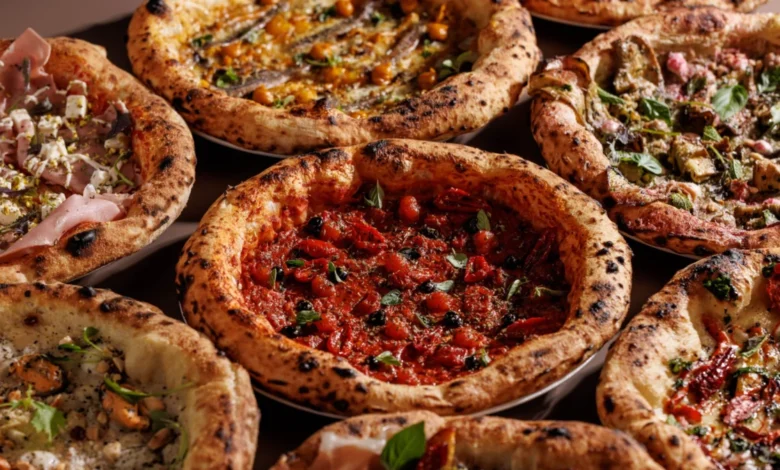
Setting the gold standard for contemporary pizza-making, chef Michele Pascarella has redefined the classic Neapolitan blueprint. With three locations across the British capital—Chiswick, Richmond, and Soho—the establishment is celebrated for its technical precision and imaginative flavor profiles. Standout creations include the Wild Marinara, which pairs semi-dry cherry tomatoes with taggiasche olives, Cetara anchovy fillets, and wild garlic pesto. The restaurant has also gained acclaim for its inclusive menu, offering advanced plant-based options such as a zucchini pizza featuring vegan stracciatella and fried mint. -
Una Pizza Napoletana — New York, New York, United States
The culmination of chef Anthony Mangieri’s three-decade career, this Lower East Side institution represents a relentless, singular pursuit of pizza perfection. Having previously dominated the top spot for three consecutive years, Una Pizza Napoletana maintains its elite status through an uncompromising commitment to dough fermentation and ingredient purity. Operating on an exclusive reservation model where guests are limited to one pie each, the minimalist menu—featuring just six core offerings including the classic Marinara, Margherita, and a rotating special—continues to attract international pilgrims. -
Confine — Milan, Italy
Situated in the historic district of Le Cinque Vie, Confine challenges traditional dining formats by offering sophisticated tasting menus paired intentionally with wines and cocktails. Housed in a former ironmongery, the restaurant features a glass-fronted open kitchen where diners can observe master pizzaiolos craft inventive pies such as the "Popeye," topped with spinach sautéed in Normandy butter, Parmesan, marinated egg yolk, steak tartare, and black truffle. Backed by a 500-bottle wine list prioritizing Campanian whites, Confine represents the upscale evolution of Italian dining.
-
I Masanielli – Francesco Martucci — Caserta, Italy
Located in the heart of the Campania region, master pizzaiolo Francesco Martucci has built a legendary reputation on maximalist culinary experimentation. Rejecting simplicity in favor of complex flavor orchestration, Martucci’s creations—most notably the Assoluto di Pomodoro, which incorporates tomatoes prepared in seven distinct ways—push the boundaries of modern gastronomy. The restaurant’s immense influence has recently expanded internationally with the opening of Francesco Martucci Miami in the United States, further cementing his global footprint. -
Seu Pizza Illuminati — Rome, Italy
Pier Daniele Seu has transformed the traditional Roman pizzeria into a sleek, contemporary dining space characterized by modern art and rigorous culinary execution. Seu Pizza Illuminati is celebrated for its avant-garde approach to local ingredients, exceptional antipasti, and structured multi-course tasting menus. Guided by a meticulous front-of-house team that dictates the precise order in which each pie should be consumed, the restaurant delivers an immersive, high-end gastronomic experience. -
Pizzeria Sei — Los Angeles, California, United States
Combining minimalist interior design with extraordinary technical discipline, owner and chef William Joo delivers Neapolitan-style pizza executed with distinct Japanese precision in West Los Angeles. Trained at prominent local establishments like Providence and Ronan, Joo produces crusts that achieve an optimal balance of char and chew, complemented by sparing yet impeccable toppings. The establishment relies on natural wine pairings and a focused, unpretentious menu that prioritizes craft over culinary gimmicks.
-
Tony’s Pizza Napoletana — San Francisco, California, United States
A veritable institution in the San Francisco dining scene, Tony’s Pizza Napoletana offers an expansive, museum-grade exploration of regional American and international pizza styles. Chef-owner Tony Gemignani serves everything from classic Neapolitan and Sicilian to Detroit, St. Louis, and coal-fired varieties, satisfying both purists and adventurous diners alike. Beyond the diverse pizza menu, the restaurant is famed for its coccoli—sea-salt fried dough dumplings served with savory accompaniments. -
Leggera Pizza Napoletana — São Paulo, Brazil
Located in the quiet, sophisticated Jardim Paulista neighborhood of São Paulo, Leggera demonstrates the remarkable globalization of Neapolitan traditions. Praised by the 50 Top Guide for the pristine balance and structural cleanliness of its classic Margherita Verace, the restaurant also caters to adventurous palates with innovative offerings such as the Cacio e Ragù, finished with slow-cooked Wagyu beef, aged Caciocavallo, fresh buffalo ricotta, and Grana Padano. -
RistoPizza by Napoli Sta Ca — Tokyo, Japan
Reflecting Tokyo’s sophisticated integration of Italian culinary traditions, chef Giuseppe "Peppe" Errichiello brings nearly two decades of Japanese experience to his craft. RistoPizza merges Neapolitan heritage with Japanese sensibilities through inventive items such as the "Napoli and Japan" pizza, which contrasts citrusy sansho peppers with smoked provola, and the "Napoli Calls, Japan Answers" pie, featuring Botan shrimp, stracciatella, and freshly grated wasabi.
-
The Pizza Bar on 38th — Tokyo, Japan
Perched within the Mandarin Oriental Hotel in Nihonbashi, this ultra-exclusive eight-seat counter offers an omakase pizza dining experience modeled after traditional high-end sushi establishments. Chef Daniele Cason utilizes a high-hydration dough—fermented for 48 hours—to create an exceptionally light, crisp crust that serves as a versatile canvas for luxury ingredients such as wild mushrooms, Wagyu beef, and seasonal zucchini blossoms. -
Baldoria — Madrid, Spain
Combining vibrant nightlife with serious culinary craft, Madrid’s Baldoria bridges the gastronomic cultures of the Italian and Iberian peninsulas. Utilizing ingredients ranging from Abruzzo truffles to Joselito ham, the kitchen offers both classic Neapolitan pies and Turin-style Padellino pan pizzas. Accompanied by live musical performances and an acclaimed cocktail program featuring house-crafted Truffle Negronis, Baldoria represents the lively, theatrical side of modern European dining. -
Razza — Jersey City, New Jersey, United States
Rounding out the upper echelon, chef Dan Richer’s Razza continues to command international respect nearly a decade after challenging New York City’s culinary supremacy. Operating with naturally leavened, wood-fired dough, Razza excels through an intense dedication to local sourcing, featuring hyper-regional New Jersey heirloom tomato sauces, nuts cultivated via Rutgers University research programs, and artisanal cheeses crafted from local dairy.
Analysis of Implications and Industry Impact
The 2026 rankings released by 50 Top Pizza illustrate a broader decentralization in the culinary world. While Italy maintains its foundational authority, the recognition of champions in London, Tokyo, and New York demonstrates that technical mastery and ingredient sourcing have become globally standardized disciplines. Furthermore, the prominence of multi-course tasting menus, wine and cocktail pairings, and sophisticated dietary adaptations—such as advanced vegan options—signals that pizza has definitively transitioned from casual street food to an elevated art form. As these establishments continue to influence international palates, the global standard for the craft rises correspondingly, encouraging a new generation of artisans to push the boundaries of dough and fire.