A Complete Guide To Understanding Delta 8 And Where To Find It
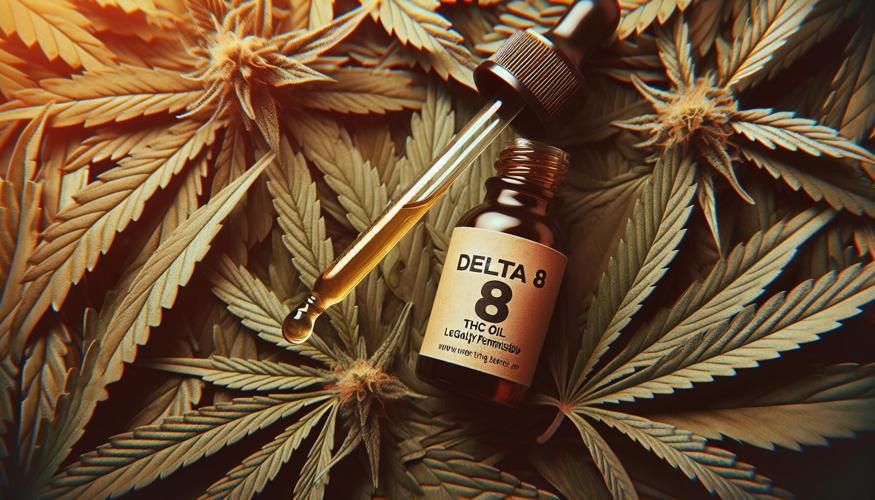

Delta-8 THC: A Comprehensive Guide to Understanding and Sourcing
Delta-8 tetrahydrocannabinol (Delta-8 THC) is a naturally occurring cannabinoid found in the cannabis plant. While chemically similar to Delta-9 THC, the primary psychoactive compound in marijuana, Delta-8 THC exhibits a slightly different molecular structure that results in a distinct set of effects. This structural difference is crucial to its legal status in many jurisdictions, which often hinges on the distinction between hemp-derived and marijuana-derived cannabinoids. Understanding this nuanced difference is foundational to comprehending the accessibility and legality of Delta-8 products.
Chemically, Delta-8 THC is an isomer of Delta-9 THC. This means it possesses the same chemical formula but a different arrangement of atoms. Specifically, the double bond in the Delta-8 THC molecule is located on the eighth carbon atom, whereas in Delta-9 THC, it’s on the ninth carbon atom. This seemingly minor shift in atomic placement significantly impacts how Delta-8 THC interacts with the body’s endocannabinoid system (ECS), particularly the CB1 receptors. The ECS is a complex cell-signaling system that plays a vital role in regulating a wide range of physiological processes, including mood, sleep, appetite, and pain perception. Delta-8 THC’s interaction with CB1 receptors is considered to be less potent than that of Delta-9 THC, leading to a generally milder psychoactive experience. Users often report feeling relaxed and uplifted without the intense paranoia or anxiety that can sometimes accompany high doses of Delta-9 THC.
The primary distinction that drives the legal landscape surrounding Delta-8 THC is its derivation from hemp. The 2018 Farm Bill legalized hemp and its derivatives at the federal level in the United States. Hemp is defined as cannabis plants containing less than 0.3% Delta-9 THC by dry weight. This legislation opened the door for the widespread production and sale of hemp-derived cannabinoids, including Delta-8 THC. Crucially, while Delta-9 THC remains a Schedule I controlled substance under federal law, Delta-8 THC, when derived from hemp, is often considered legal because it falls below the federal threshold for Delta-9 THC content. However, it is imperative to note that individual states have the authority to regulate or ban hemp-derived cannabinoids, leading to a patchwork of laws across the country. Therefore, the legality of Delta-8 THC can vary significantly depending on location.
The production process for Delta-8 THC typically involves extracting cannabinoids from hemp biomass. This biomass is rich in cannabidiol (CBD), another prominent cannabinoid. Through a controlled chemical process, often involving an acid catalyst, CBD can be converted into Delta-8 THC. This synthesis is a key reason why Delta-8 THC products are widely available, as it allows for large-scale production from readily available hemp sources. The quality and purity of the final Delta-8 THC product are heavily dependent on the sophistication of the extraction and isomerization process, as well as rigorous third-party laboratory testing. Reputable manufacturers prioritize transparency and provide Certificates of Analysis (CoAs) for their products.
The effects of Delta-8 THC are a subject of much discussion and personal experience. Many users describe a sense of calm and relaxation, often accompanied by a mild euphoria. Unlike Delta-9 THC, which can sometimes induce anxiety or paranoia, Delta-8 THC is generally perceived as providing a more balanced and less overwhelming psychoactive experience. This makes it an attractive option for individuals seeking the therapeutic benefits of cannabinoids without the more intense psychological effects. Common reported benefits include reduced stress and anxiety, improved mood, enhanced focus, and pain relief. However, it is important to reiterate that individual responses can vary, and some users may experience side effects such as dry mouth, red eyes, or dizziness, especially at higher doses.
The diverse range of Delta-8 THC products available caters to various consumption preferences. These include:
- Vape Cartridges and Disposables: These are perhaps the most popular method of consuming Delta-8 THC, offering rapid onset of effects. They come in various strains and formulations.
- Edibles: Gummies, chocolates, and other ingestible products provide a longer-lasting and often more potent experience, though the onset of effects is delayed.
- Tinctures: Liquid extracts that can be taken sublingually (under the tongue) or added to food and beverages. They offer a balance between rapid onset and extended duration.
- Dabs and Concentrates: For experienced users, these highly potent forms of Delta-8 THC offer intense effects.
- Flower: Hemp flower infused with Delta-8 THC offers a more traditional smoking or vaping experience.
When seeking to purchase Delta-8 THC products, prioritizing safety, legality, and quality is paramount. Due to the evolving regulatory landscape and the potential for misrepresentation, consumers must be diligent. Here’s a breakdown of where to find Delta-8 THC:
Online Retailers: This is currently the most accessible channel for many consumers, especially in areas where local brick-and-mortar stores are limited or state laws restrict sales.
- Specialized Delta-8 THC Websites: Numerous online stores exclusively sell Delta-8 THC products. These websites often provide extensive product descriptions, lab reports, and customer reviews.
- CBD Online Stores: Many established CBD retailers have expanded their product lines to include Delta-8 THC. This can be a good option if you are already familiar with and trust a particular CBD brand.
Key Considerations When Buying Online:
- Third-Party Lab Testing (Certificates of Analysis – CoAs): This is the absolute most critical factor. Reputable vendors will readily provide CoAs for every product. These reports, generated by independent laboratories, verify the cannabinoid content, ensuring it contains the advertised amount of Delta-8 THC and is free from harmful contaminants like heavy metals, pesticides, and residual solvents. Look for CoAs that are recent and clearly display the lab’s accreditation.
- Hemp Source: Confirm that the Delta-8 THC is derived from legally grown hemp. This information is usually stated on the product packaging or the manufacturer’s website.
- Ingredient Transparency: Understand all the ingredients in the product, especially for edibles and vape liquids. Avoid products with artificial flavorings or questionable additives.
- Customer Reviews: While not a substitute for lab reports, genuine customer reviews can offer insights into product effectiveness and vendor reliability.
- Shipping Policies and Legality: Be aware of your state’s specific laws regarding Delta-8 THC. Reputable online retailers will often block orders to states where Delta-8 THC is prohibited. They should also have clear shipping policies and discreet packaging.
Brick-and-Mortar Stores: As the Delta-8 THC market matures, physical retail locations are becoming more common.
- Smoke Shops and Vape Shops: These establishments have historically been early adopters of new cannabinoid products and are often a reliable source for Delta-8 THC.
- CBD Stores: Similar to their online counterparts, many brick-and-mortar CBD shops now carry Delta-8 THC products.
- Specialty Hemp Stores: Some areas have dedicated stores focused on hemp-derived products, which are excellent places to explore Delta-8 THC.
Key Considerations When Buying In-Store:
- Ask for CoAs: Even in physical stores, don’t hesitate to ask for lab reports. A knowledgeable vendor should be able to provide them or direct you to where you can access them.
- Observe Product Packaging: Look for professional packaging that clearly lists the cannabinoid content and any necessary warnings.
- Vendor Reputation: If possible, research the store’s reputation online before visiting.
- Ask Questions: Engage with the staff. Their knowledge about the products, their sourcing, and the legalities can be a good indicator of their commitment to quality and customer education.
Navigating Legalities:
The legal status of Delta-8 THC is complex and constantly evolving. While the 2018 Farm Bill legalized hemp-derived Delta-8 THC federally, many states have enacted their own legislation to ban or restrict its sale and possession. It is crucial for consumers to:
- Research State Laws: Before purchasing or possessing Delta-8 THC, thoroughly research the laws in your specific state, county, and city. Websites like the Hemp Industries Association or legal resource sites can offer up-to-date information.
- Understand Federal vs. State Law: Remember that federal legality does not supersede state law. Even if Delta-8 THC is legal federally, it may be illegal in your state.
- Be Wary of Misinformation: The legal landscape can be confusing. Rely on official government sources and reputable industry organizations for information, rather than anecdotal advice.
Risks and Precautions:
While Delta-8 THC is generally considered safe when derived from reputable sources and consumed responsibly, there are potential risks:
- Inconsistent Potency: Without proper third-party testing, products can have inaccurate Delta-8 THC levels, leading to unexpected effects.
- Contaminants: Illegally manufactured Delta-8 THC may contain harmful chemicals, pesticides, or heavy metals.
- Psychoactive Effects: While milder than Delta-9 THC, Delta-8 THC is still psychoactive. It should not be consumed before driving or operating heavy machinery.
- Drug Interactions: Individuals taking medications should consult with a healthcare professional before using Delta-8 THC, as it may interact with certain prescriptions.
- Individual Sensitivity: Some individuals may be more sensitive to the effects of Delta-8 THC than others. It is advisable to start with a low dose to assess tolerance.
In conclusion, Delta-8 THC offers a unique cannabinoid experience that is gaining popularity due to its perceived balanced effects and legal accessibility in many regions. However, consumers must approach its acquisition with informed caution, prioritizing lab-tested, hemp-derived products from trusted vendors. A thorough understanding of state-specific laws and a commitment to responsible consumption are essential for navigating the evolving Delta-8 THC market safely and effectively.