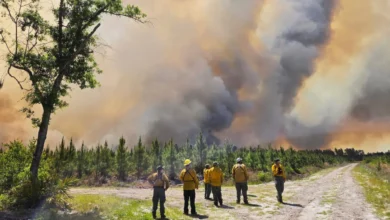
Proposed Overhaul of Forest Service Travel Management Rules Sparks National Debate Over Public Land Access and Conservation

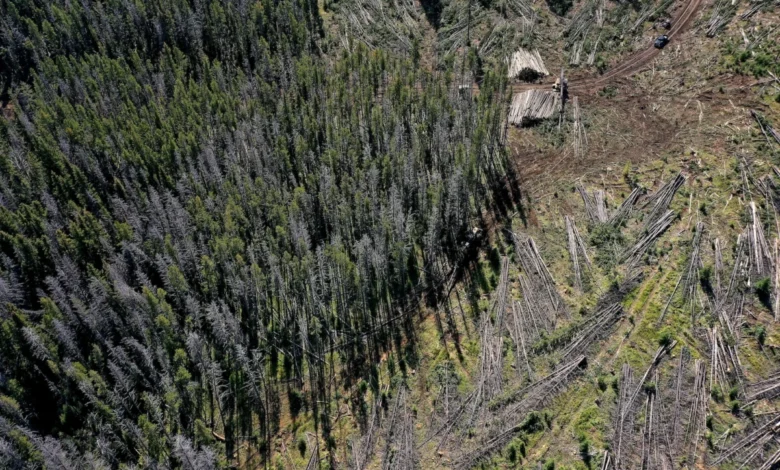
The United States Forest Service, steward of 193 million acres of federal land, is currently evaluating a radical shift in how the public interacts with the backcountry. The agency has signaled its intent to revise the long-standing "travel management rule," a move that would fundamentally alter the regulatory framework governing motorized recreation. Under the current policy, established in 2005, all trails, roads, and forest areas are classified as "closed unless designated open" to motorized vehicles. The proposed revision by the administration would effectively invert this mandate, making all forest features "open unless designated closed."
This policy shift represents a seismic change in the philosophy of land management, pitting motorized recreational groups against a coalition of conservationists, hunters, and anglers. While the U.S. Department of Agriculture frames the proposal as a measure to simplify regulatory requirements and enhance public access, critics argue it invites ecological degradation, erodes the integrity of wilderness areas, and risks dismantling the balance between human recreation and environmental preservation.
The Evolution of Travel Management: A Regulatory Timeline
To understand the weight of the proposed changes, one must look at the history of the Forest Service’s regulatory framework. Prior to the implementation of the 2005 Travel Management Rule, the management of off-highway vehicles (OHVs) was often inconsistent across the nation’s 154 national forests. The 2005 rule was designed to address the proliferation of unauthorized "user-created" trails, which had led to significant habitat fragmentation and damage to sensitive watersheds.
The rule required each national forest to designate a system of roads, trails, and areas open to motor vehicles, with an official Motor Vehicle Use Map (MVUM) issued to inform the public. This process was intentionally rigorous, requiring environmental assessments and public input to ensure that motorized access did not conflict with wildlife migration, water quality, or nonmotorized recreational activities like hiking and horseback riding.
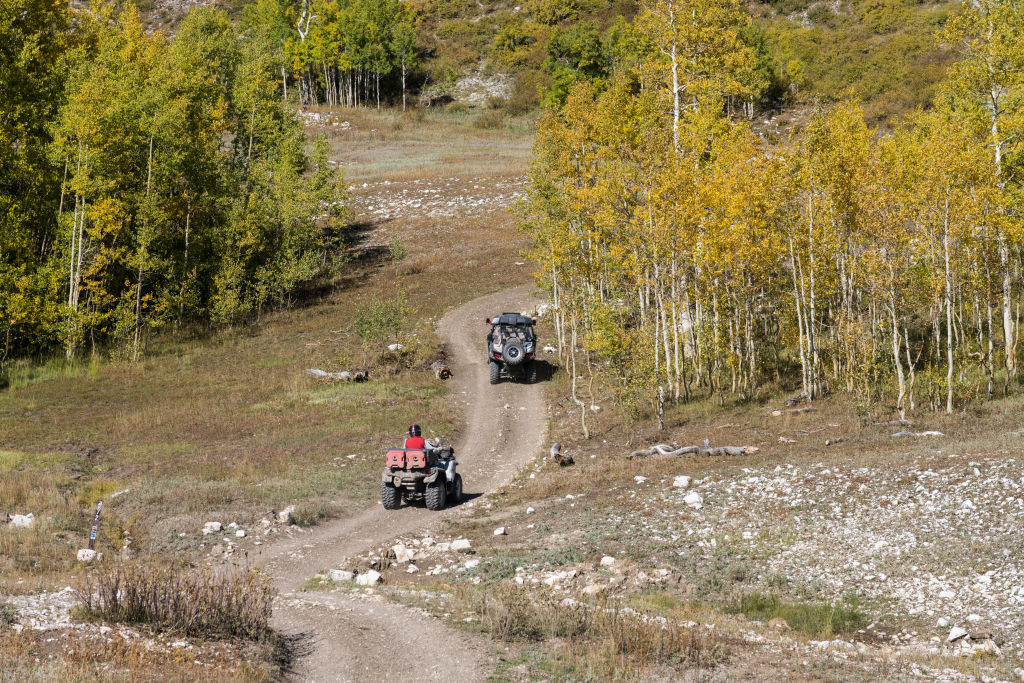
In late August 2026, the current administration announced its intent to streamline this process. The proposal suggests that forest managers should prioritize motorized access, shifting the burden of proof from the user (who currently must find an open trail) to the agency (which would now have to proactively identify and sign trails that are closed).
The Conflict: Access Versus Ecological Integrity
The primary friction point in this debate lies in the definition of "responsible access." Proponents of the policy change, such as the advocacy group Citizens for Balanced Use, argue that the current system is overly restrictive and inhibits the ability of the elderly, those with physical disabilities, and families to experience the backcountry.
Kerry White, who leads the Bozeman-based nonprofit and served as a state legislator, contends that the "open unless closed" model would clarify rules for the public. "Without roads and trails, people can’t get out in the woods," White said. "This is public land, and people with disabilities, the elderly, need some sort of transportation to get out there." Supporters argue that the Forest Service has often been too slow to open new areas, and that the new rule would provide the necessary pressure on the agency to maintain existing trails more effectively.
However, environmental experts and conservationists view the proposal through a lens of risk management. Hillary Eisen, federal policy director for Wild Montana, describes the proposed rule as "vague" and "difficult to follow," warning that the lack of clear, restrictive guidelines could lead to a "free-for-all" on the landscape.
"Any sort of feature that you could interpret to be a trail or a road would be open to every type of use, unless closed," Eisen explained. "That could mean if you can get your side-by-side on there, have at it."
Environmental Consequences and Watershed Health
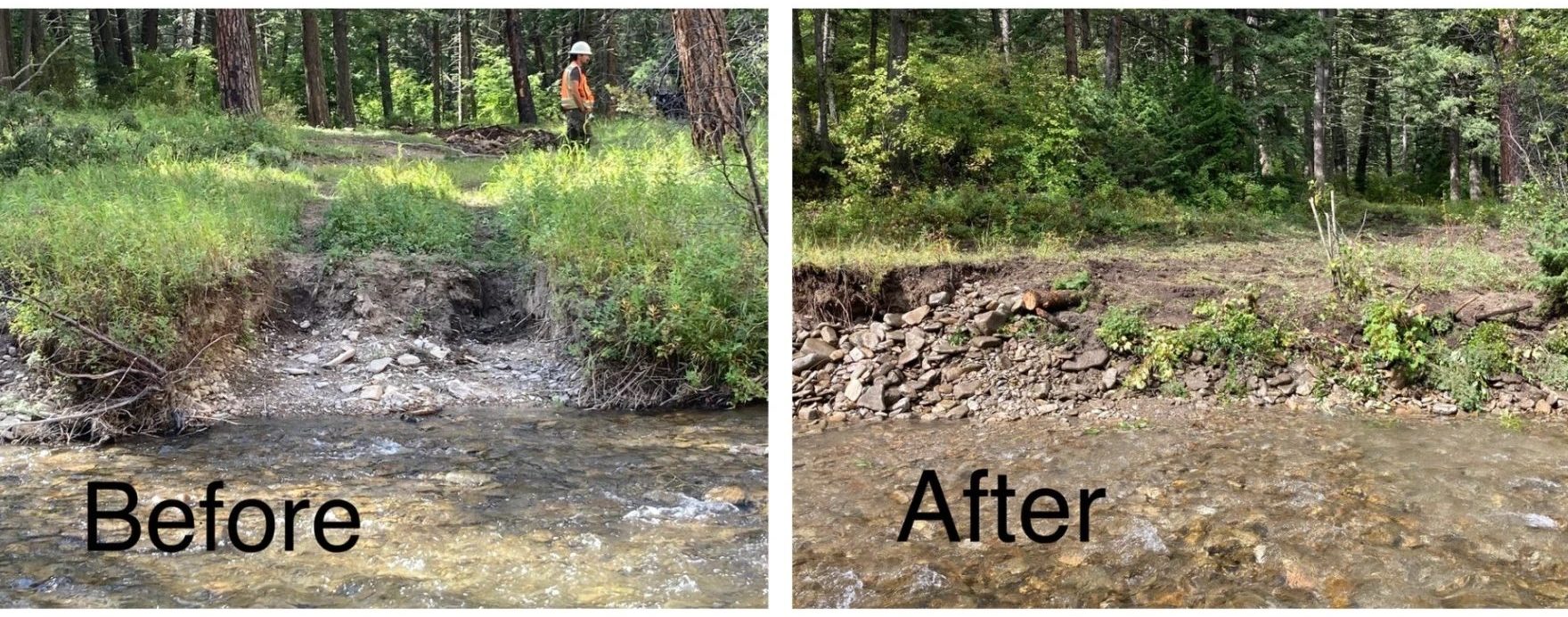
The practical implications of unregulated motorized access are well-documented. Chris Edgington, a watershed project manager with Montana Trout Unlimited, has observed the direct correlation between motorized traffic and river health. His work on the Middle Fork of the Judith River serves as a case study for what happens when motorized use is not carefully managed.
Before restorative efforts began in 2023, a six-mile stretch of the river was suffering from the effects of more than 80 unauthorized vehicle crossings. The resulting erosion introduced massive amounts of sediment into the riverbed, smothering the gravel essential for trout spawning and disrupting the aquatic insect populations that form the base of the food chain.
"The fish population was estimated to be less than 10 percent of what we’d expect of a river that size and character," Edgington noted. The river had become wide, shallow, and unable to process its own sediment load. Through a collaborative effort involving the OHV community, environmentalists, and government agencies, the team reduced the number of crossings by 80 percent and restored 1,000 feet of riverbank.
Edgington fears that a full repeal of the current travel management structure would undo years of such progress. "Whether that’s off-highway vehicles in the river or motorcycles on horse trails, it’s going to create a lot of conflict and confusion and animosity between different user groups," he said.
Broader Policy Context: A Multi-Front Regulatory Rollback
The push to revise the travel management rule is not occurring in isolation. It is part of a broader, aggressive campaign by the administration to shift the management of federal lands away from conservation-first policies toward a model that emphasizes economic utility and increased public access.
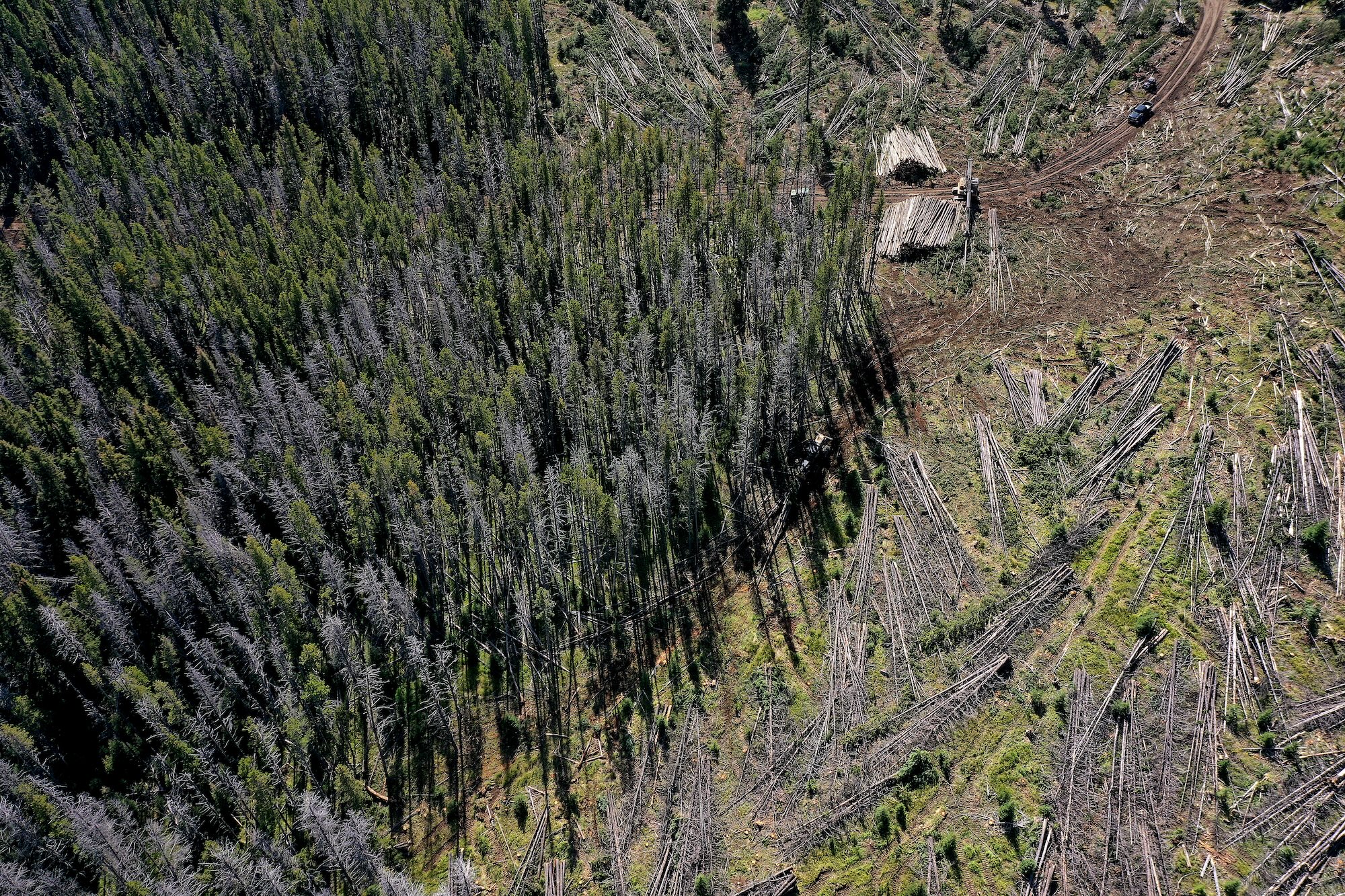
Earlier in the summer of 2026, the USDA announced its intention to rescind the "roadless rule," a 2001 policy that protects approximately 45 million acres of national forest from commercial logging and the construction of new roads. Research from the Forest Service and various independent institutions has consistently shown that roads act as conduits for invasive species, fragment critical habitat for threatened species like the grizzly bear and lynx, and serve as ignition points for human-caused wildfires.
The public reaction to these changes has been stark. During the initial comment period for the roadless rule repeal, data indicated that 99 percent of respondents opposed the move. The intensity of this public backlash forced the Forest Service to extend the comment period by 15 days, providing a rare window for additional input. However, critics remain skeptical that public sentiment will override the administration’s stated policy goals.
The Economic and Ethical Implications
From a fiscal perspective, the proposed changes have raised eyebrows among those who manage federal grant money. Projects like the restoration of the Middle Fork of the Judith River are funded by taxpayer-supported federal grants, which are contingent upon the long-term protection of the area.
"This project was funded by three federal sources," Edgington pointed out. "If protections are possibly lifted and those investments are diminished? It is pretty counterintuitive to the responsible use of taxpayer dollars."
The debate also touches upon the legal mandate of the Forest Service, which is to manage lands for a "sustained yield." This implies a responsibility not just to the current generation of recreationists, but to those in the future. Eisen argues that the current regulations are what ensure that "experience is not an accident." By removing the safeguards that keep motorized vehicles on designated paths, the agency risks degrading the very quality of the land that makes national forests a unique American asset.
Conclusion: The Path Forward
As the September 23 deadline for public comments on the travel management revision approaches, the Forest Service faces a profound challenge. The agency is caught between the demand for increased, frictionless access for a growing number of motorized enthusiasts and the scientific necessity of preserving the biological integrity of the nation’s forests.
For those who view the forests as a finite resource, the current regulatory framework is not merely "red tape," but a vital tool for ensuring that the backcountry remains a sanctuary for wildlife and a sustainable destination for all users. Conversely, for those who see the rules as a barrier to enjoyment, the potential for a more "open" forest is a matter of fairness and public rights.
Whatever the final decision, the outcome will likely define the state of American public lands for decades to come, setting a precedent for how the government balances the conflicting desires of a diverse and increasingly active population. The legacy of the nation’s 193 million acres of forest land, once defined by the quiet solitude of the trail, may soon be determined by the reach of the engine.