The Endangered Species Act Faces Sweeping Regulatory Rollbacks That Threaten Biodiversity Across the United States

The U.S. Supreme Court once famously described the Endangered Species Act (ESA) as the most comprehensive legislation for the preservation of endangered species ever enacted by any nation. Since its inception in 1973, the law has served as a critical bulwark against the permanent extinction of iconic American wildlife, including the bald eagle, the American alligator, and the grizzly bear. By fostering a regulatory framework that mandates federal oversight for development projects, the ESA has been instrumental in the recovery of nearly 300 U.S. species. However, a series of recent policy shifts by the Trump administration has fundamentally altered the interpretation of the law’s most essential provisions, sparking a national debate over the future of environmental conservation.
At the center of this controversy are two specific terms: "take" and "harm." For decades, these words have served as the backbone of the Nixon-era legislation. The prohibition against "taking" an animal—defined as any attempt to harass, harm, pursue, hunt, shoot, wound, kill, trap, capture, or collect a listed species—has historically been interpreted broadly to include indirect actions that degrade vital habitats. By classifying habitat destruction as a form of "harm," the Fish and Wildlife Service (FWS) established a legal mechanism to prevent private developers and federal agencies from dismantling the ecosystems upon which endangered species depend.

Last month, the administration initiated a significant departure from this long-standing interpretation. Under the new policy, the razing of habitats where endangered or threatened species breed, feed, and shelter will no longer be subject to federal penalties. Furthermore, an internal memo from the administration has redefined "take," restricting its application exclusively to instances of intentional, direct killing. This narrowing of scope essentially removes the federal government’s authority to regulate development projects that result in the incidental destruction of wildlife habitats.
A Timeline of Regulatory Erosion
The recent changes follow years of administrative friction regarding the ESA. Throughout the early 2020s, the FWS faced mounting pressure from industry groups to streamline permitting processes and reduce the burden of federal oversight. While proponents of the policy argue that these changes provide much-needed clarity and reduce regulatory overreach, environmental advocates view them as a systematic dismantling of the act’s core purpose.
The transition from a protective, ecosystem-based approach to a restricted, intent-based approach marks a milestone in environmental policy. Legal experts note that this shift essentially creates a "regulatory vacuum," where habitat loss—the leading driver of species extinction—is no longer a actionable offense unless a developer explicitly targets the individual animal for harm. This is a distinction that conservationists argue is scientifically illiterate, as the destruction of a nesting ground or a spawning stream is functionally equivalent to killing the species.
The Broader Impact on Vulnerable Species
The implications of these changes are far-reaching, affecting a diverse array of species that occupy varying ecological niches. The following examples illustrate how the new regulatory framework may jeopardize ongoing recovery efforts:
The North Atlantic Right Whale
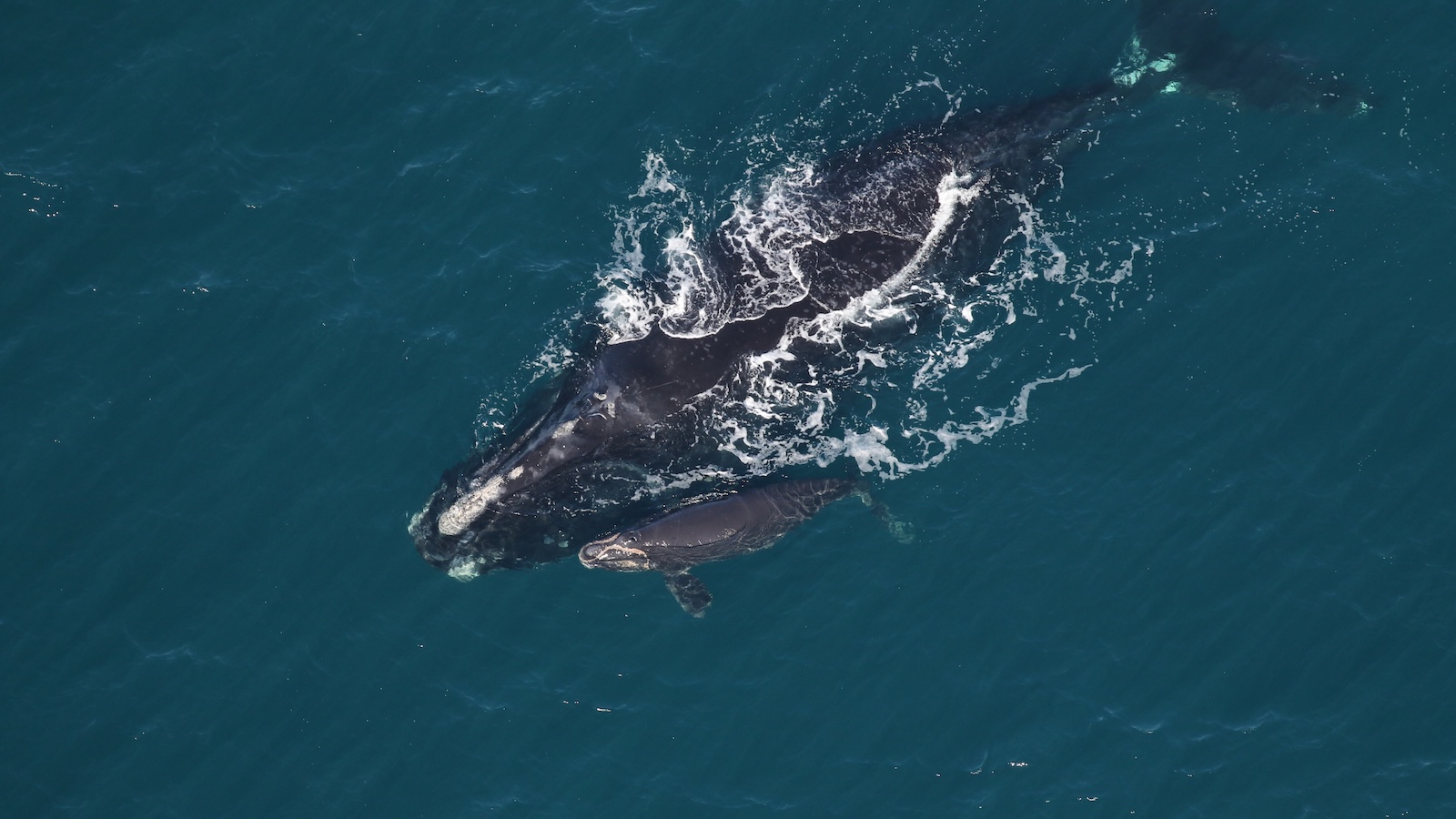
With only approximately 380 individuals remaining, including a mere 70 breeding females, the North Atlantic right whale is in a state of crisis. The species has been subjected to an "unusual mortality event" since 2017, with vessel strikes and fishing gear entanglements serving as the primary drivers of death. Previously, the ESA allowed the government to enforce speed restrictions and modify shipping lanes to prevent these "incidental takes." By limiting the definition of "take" to intentional actions, the administration may struggle to justify these critical speed limits, as ship captains do not strike whales on purpose.
The Eastern Massasauga Rattlesnake
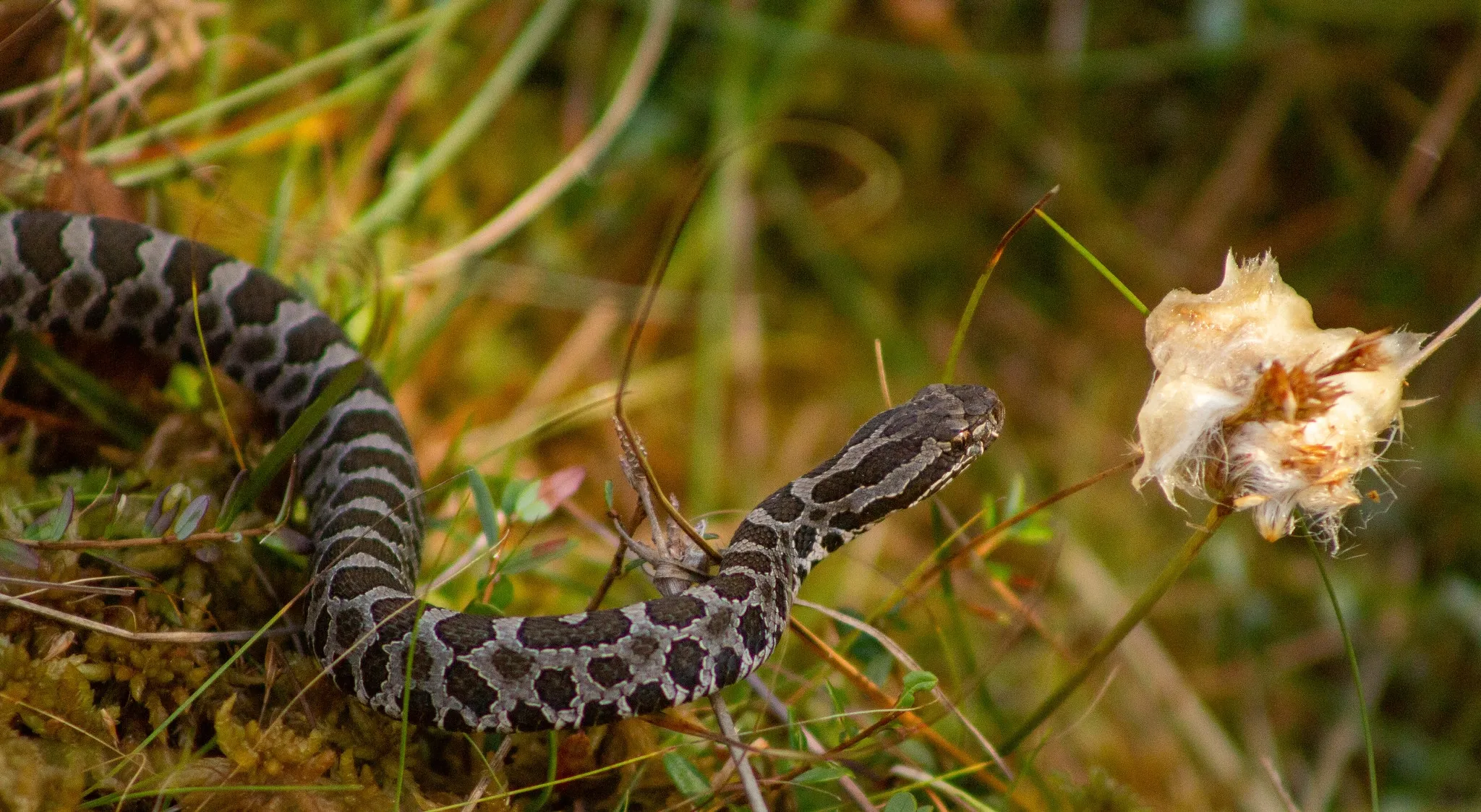
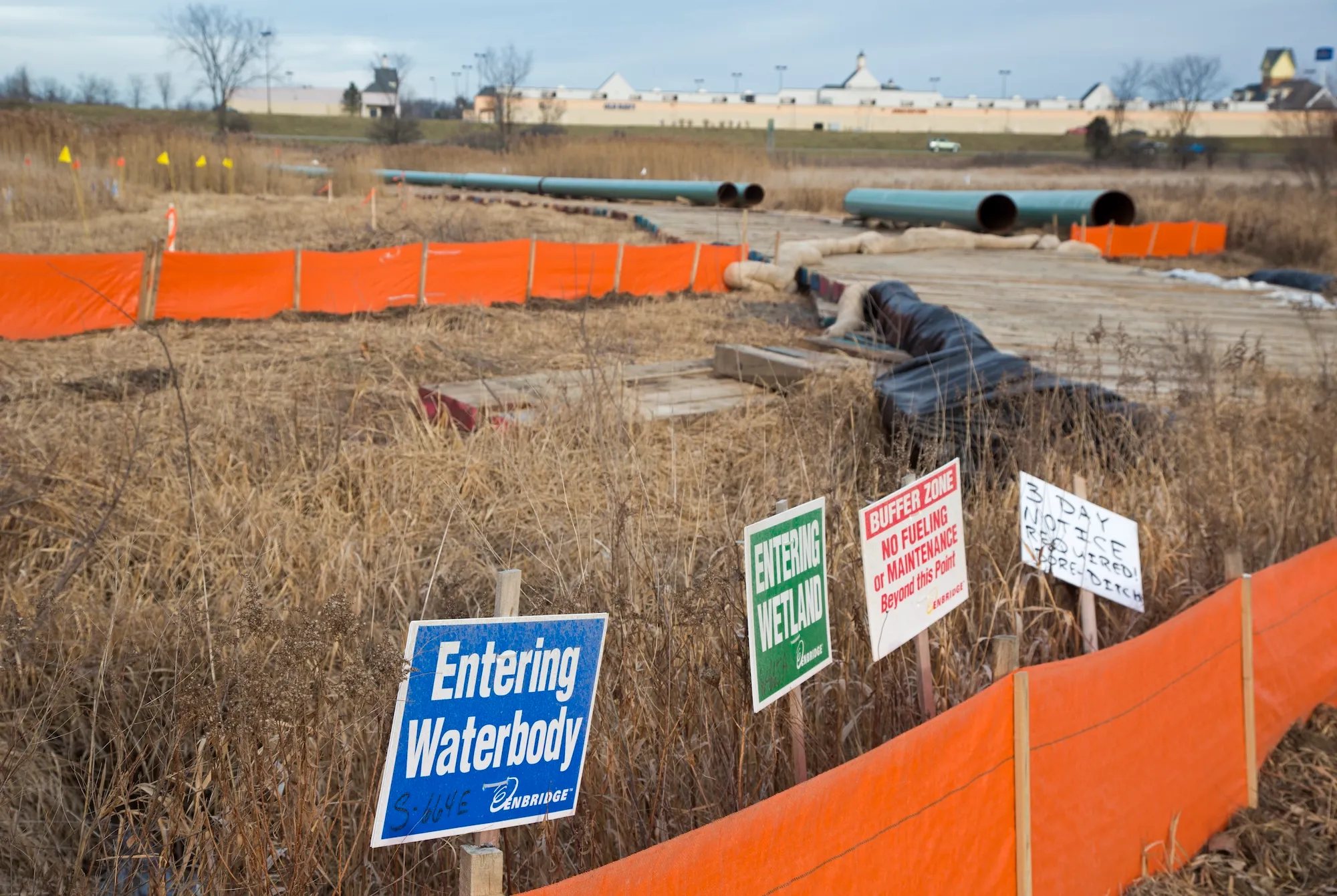
Native to the wetlands of the Great Lakes region, the eastern massasauga rattlesnake has seen its habitat fragmented by urban development and drainage projects. Listed as threatened in 2016, the snake has benefited from federal protections that curtailed industrial development in sensitive wetland areas. With the removal of habitat protection, developers can now clear land for infrastructure projects without the previous requirement to mitigate the loss of the rattlesnake’s home, potentially accelerating the decline of a species already suffering from reduced genetic diversity.
The Bull Trout and Chinook Salmon
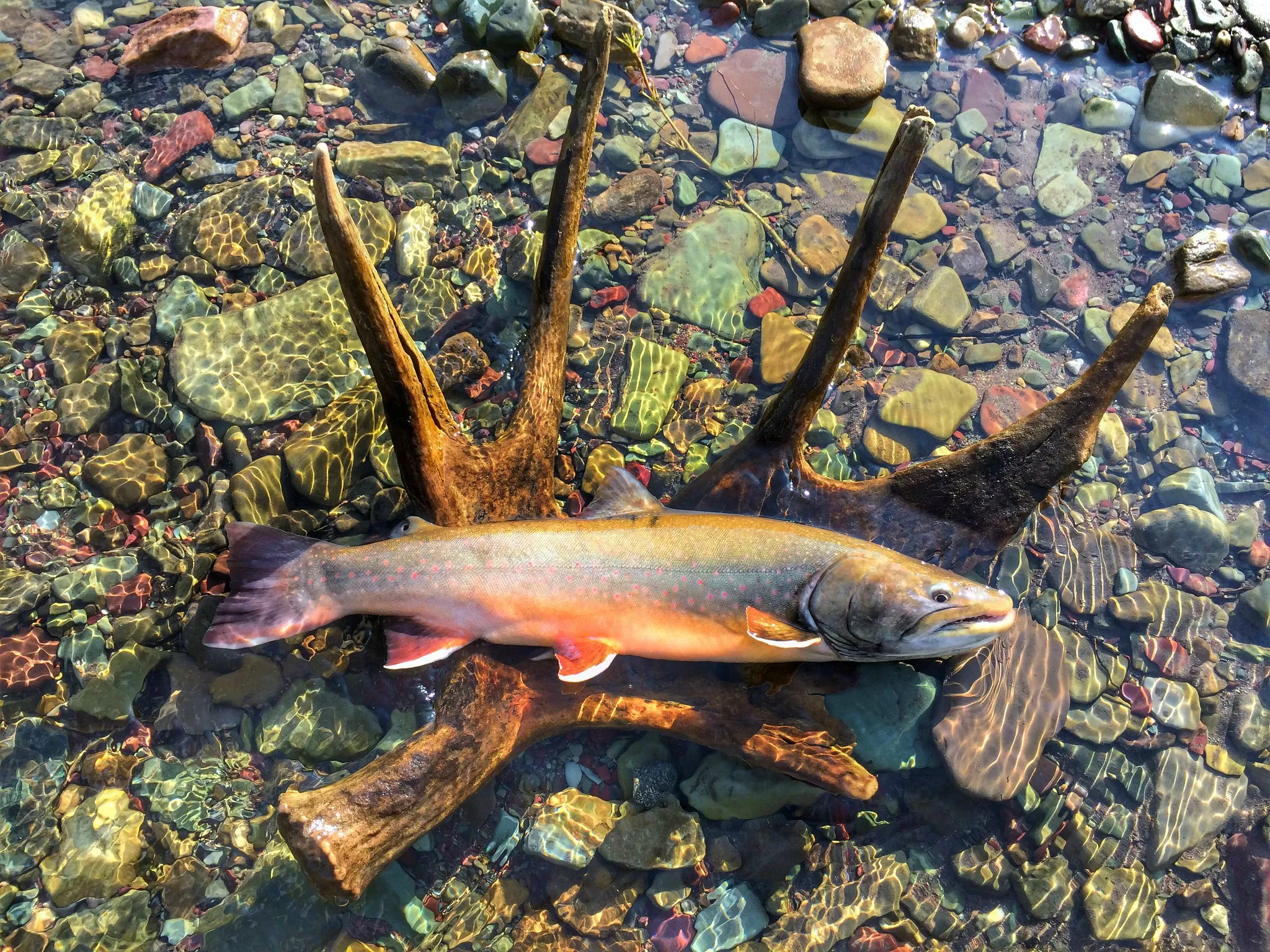
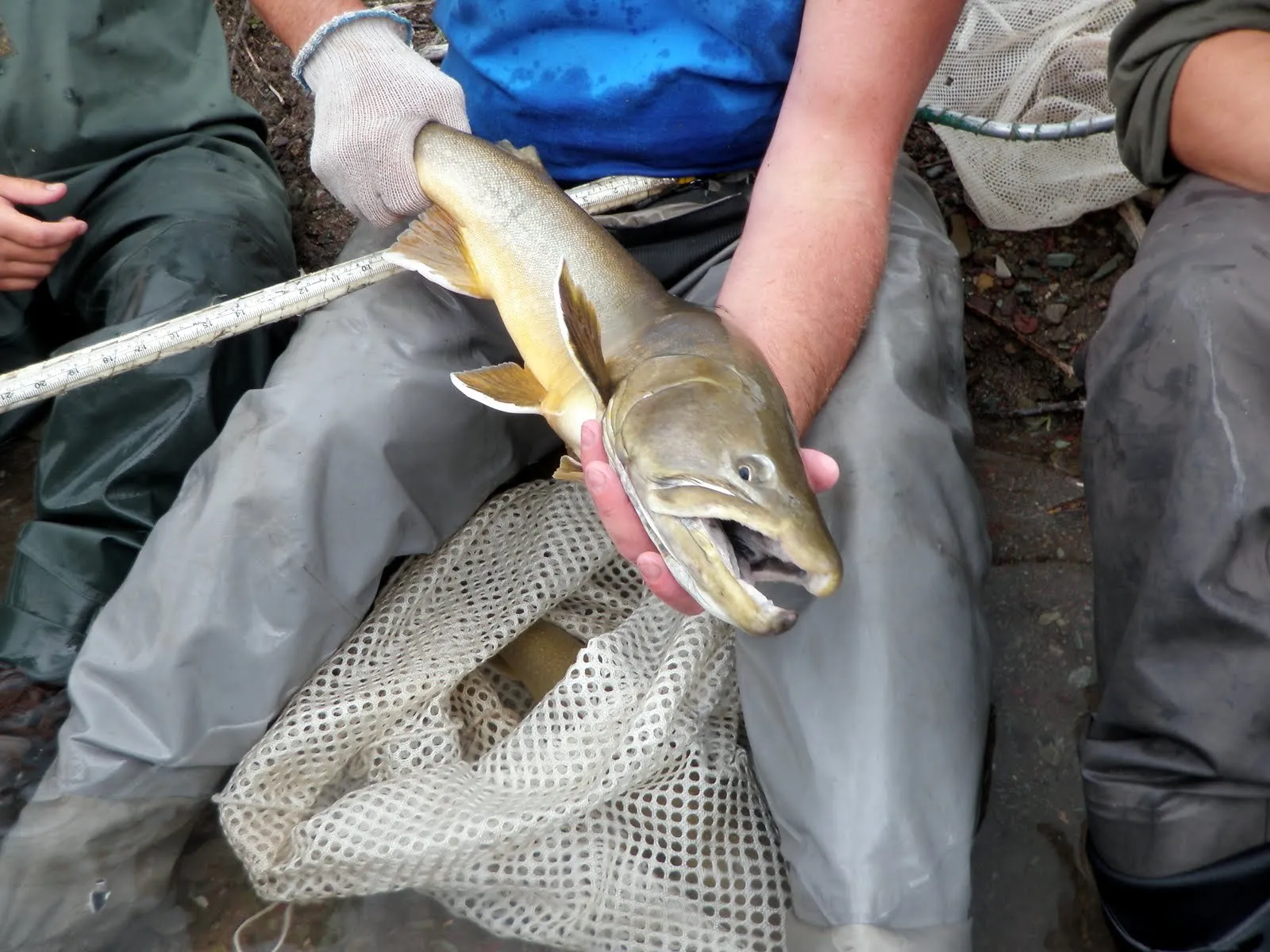
In the American West and Pacific Northwest, aquatic species are facing a dual threat from climate change and industrial development. Bull trout, which require cold, pristine streams to spawn, are highly sensitive to sediment runoff caused by road construction and logging. Similarly, Chinook salmon face hazards from chemical runoff, such as 6PPD from vehicle tires, and habitat blockage from dams. Under the previous interpretation of "harm," agencies could intervene to ensure that project developers maintained water quality and flow. Under the new rules, these protections are in jeopardy, as developers can argue that their projects do not constitute "intentional" harm to the fish.
Legal and Political Pushback
The administration’s policy shifts have triggered immediate legal challenges. Nearly two dozen state attorneys general have filed lawsuits against the federal government, arguing that the changes violate the clear legislative intent of the Endangered Species Act. Elizabeth Forsyth, a senior attorney with the biodiversity defense program at Earthjustice, has characterized the rule changes as an "assault on threatened and endangered species unlike any we have seen before."
The core of the legal argument rests on the principle of administrative law, which mandates that agencies must provide a rational basis for reversing long-standing policies. Critics contend that the administration has failed to provide a compelling scientific justification for why habitat destruction no longer constitutes "harm."

Economic and Ecological Implications
The economic arguments for these changes often center on the need to expedite energy, housing, and infrastructure development. By removing the "regulatory hurdle" of habitat assessment, the administration aims to shorten project timelines and reduce costs for private developers. However, economists and ecologists warn that this may lead to long-term "ecological bankruptcy."
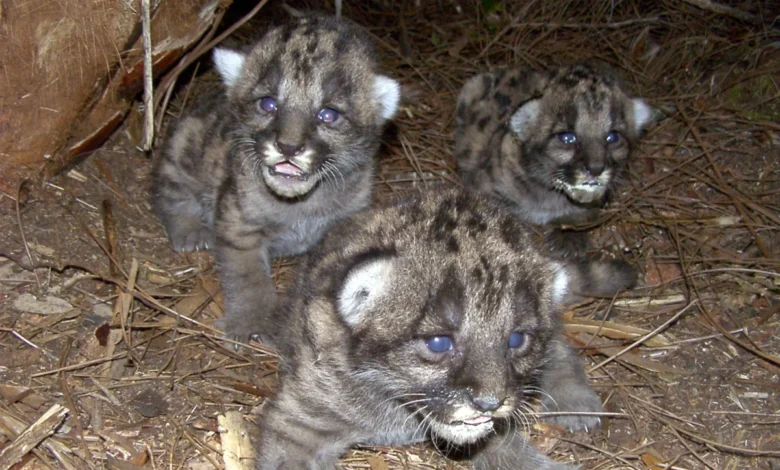
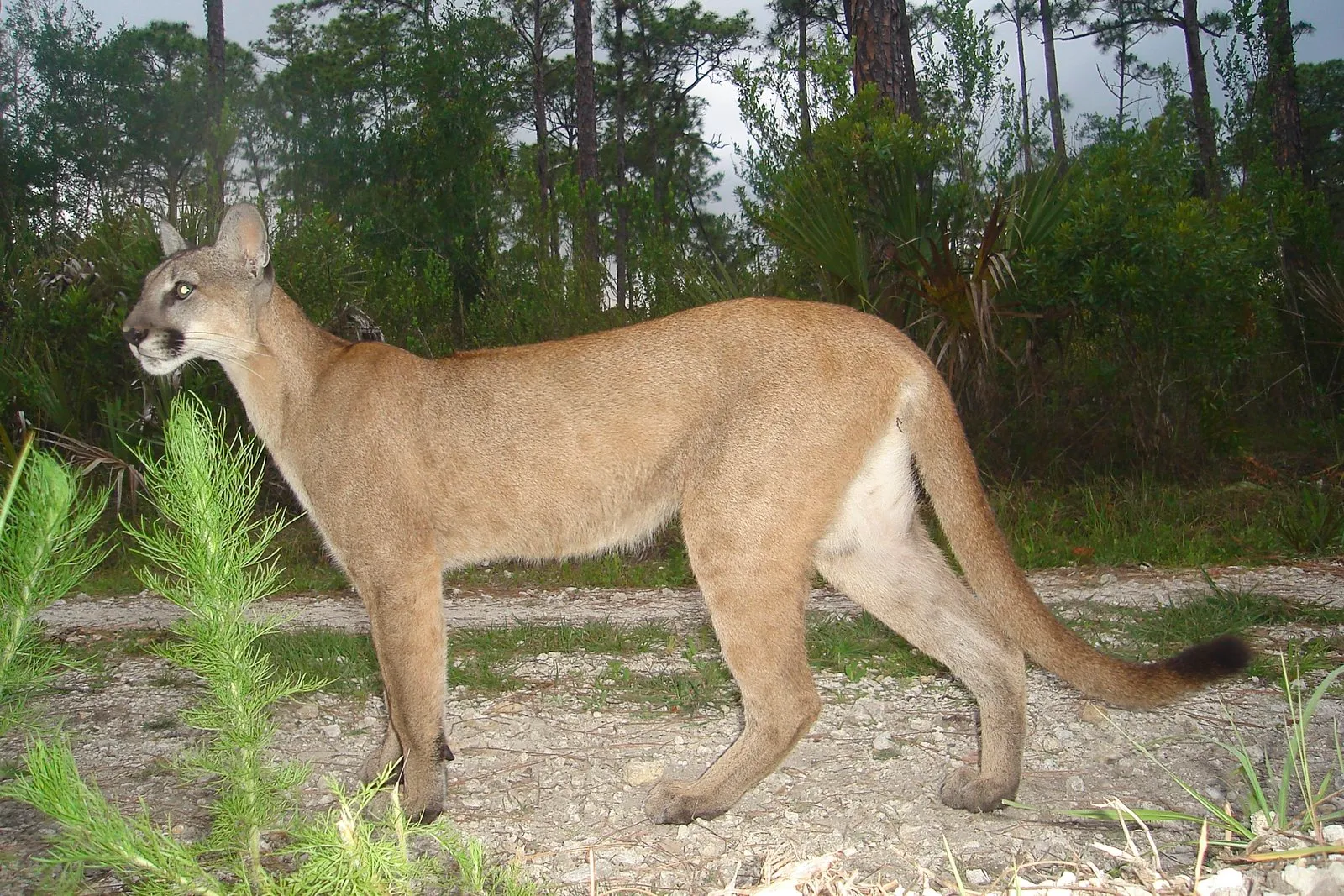
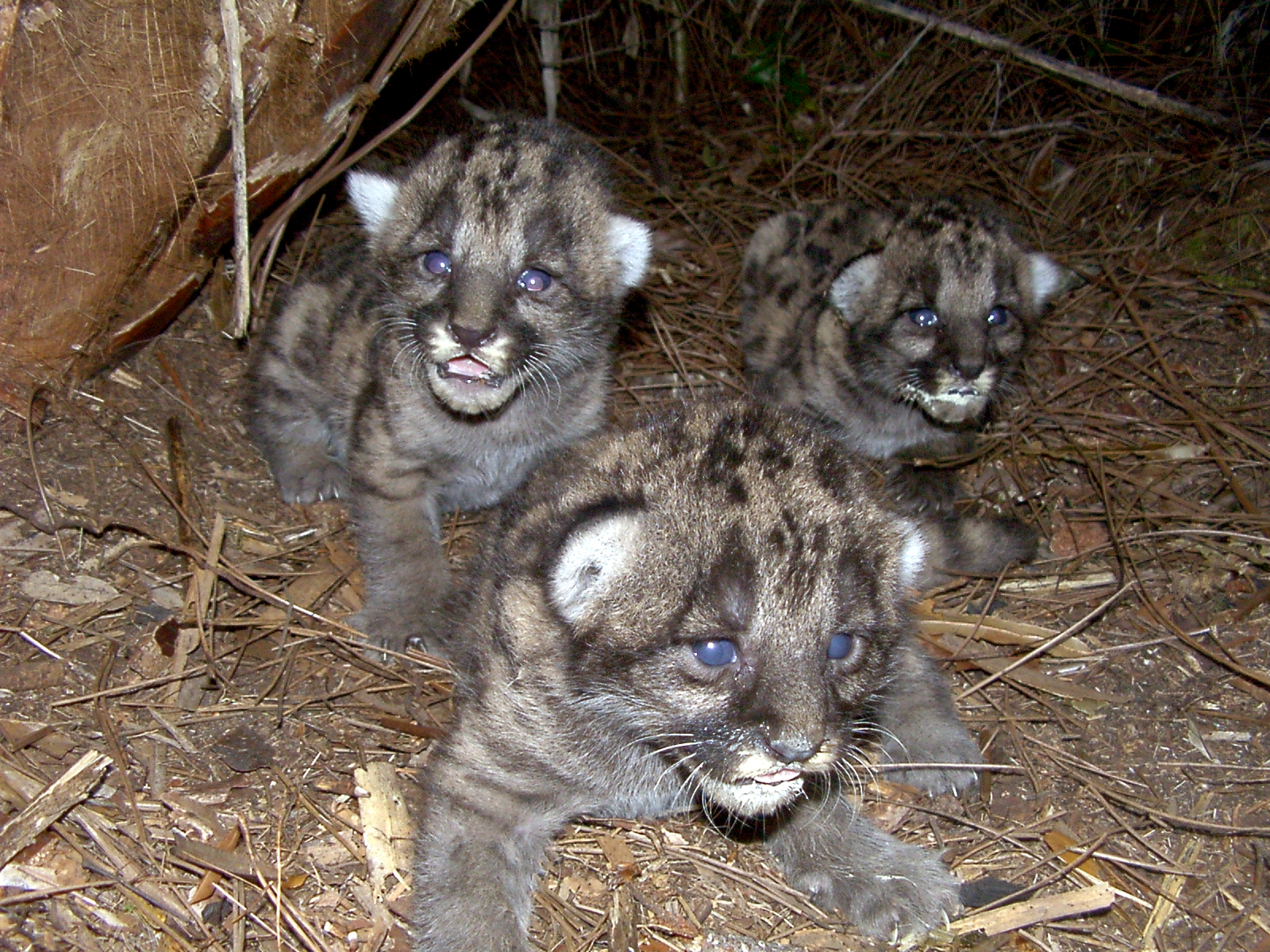
The loss of ecosystem services—such as natural water filtration provided by wetlands, pollination by insects like the rusty patched bumble bee, and the maintenance of complex food webs by apex predators like the Florida panther—carries a significant, though often hidden, economic cost. When an ecosystem collapses, the cost of human-engineered replacements often far exceeds the short-term gains of development.

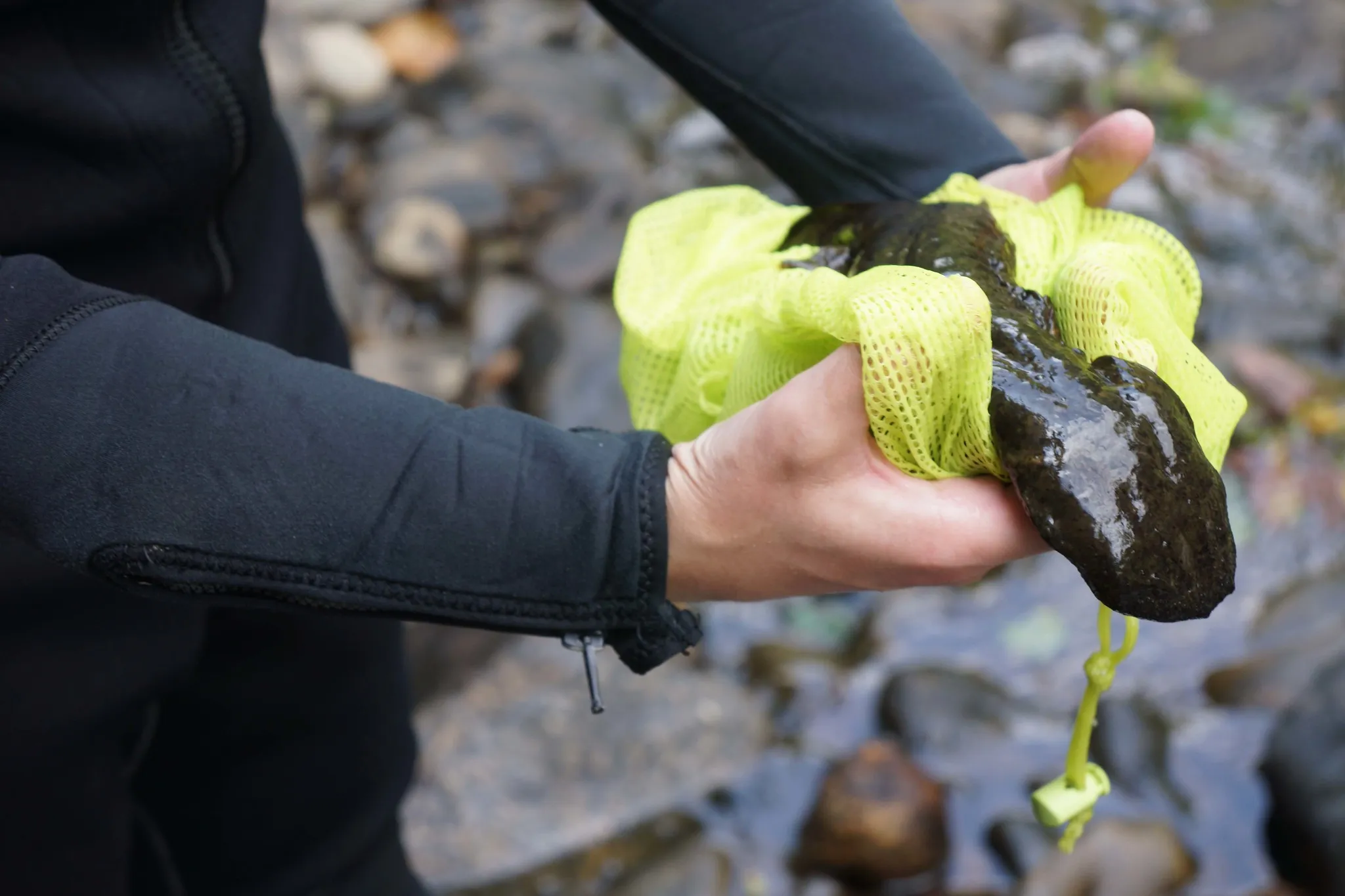
Furthermore, the lack of new species listings during the current term, as noted in reports from various watchdog groups, suggests a broader trend of administrative inaction. While the Fish and Wildlife Service is legally obligated to evaluate species for protection, the pace of these designations has slowed to a crawl. This effectively freezes the conservation pipeline, leaving species like the eastern hellbender—an ancient salamander often called a "living fossil"—in a state of permanent limbo, even as their populations plummet.
Conclusion: A Turning Point for Conservation
The transformation of the Endangered Species Act represents a pivotal moment in American environmental history. For over 50 years, the law has operated on the premise that the survival of species is inextricably linked to the integrity of their habitats. By shifting the legal burden of proof, the current administration has fundamentally reoriented the law to favor development over biodiversity.
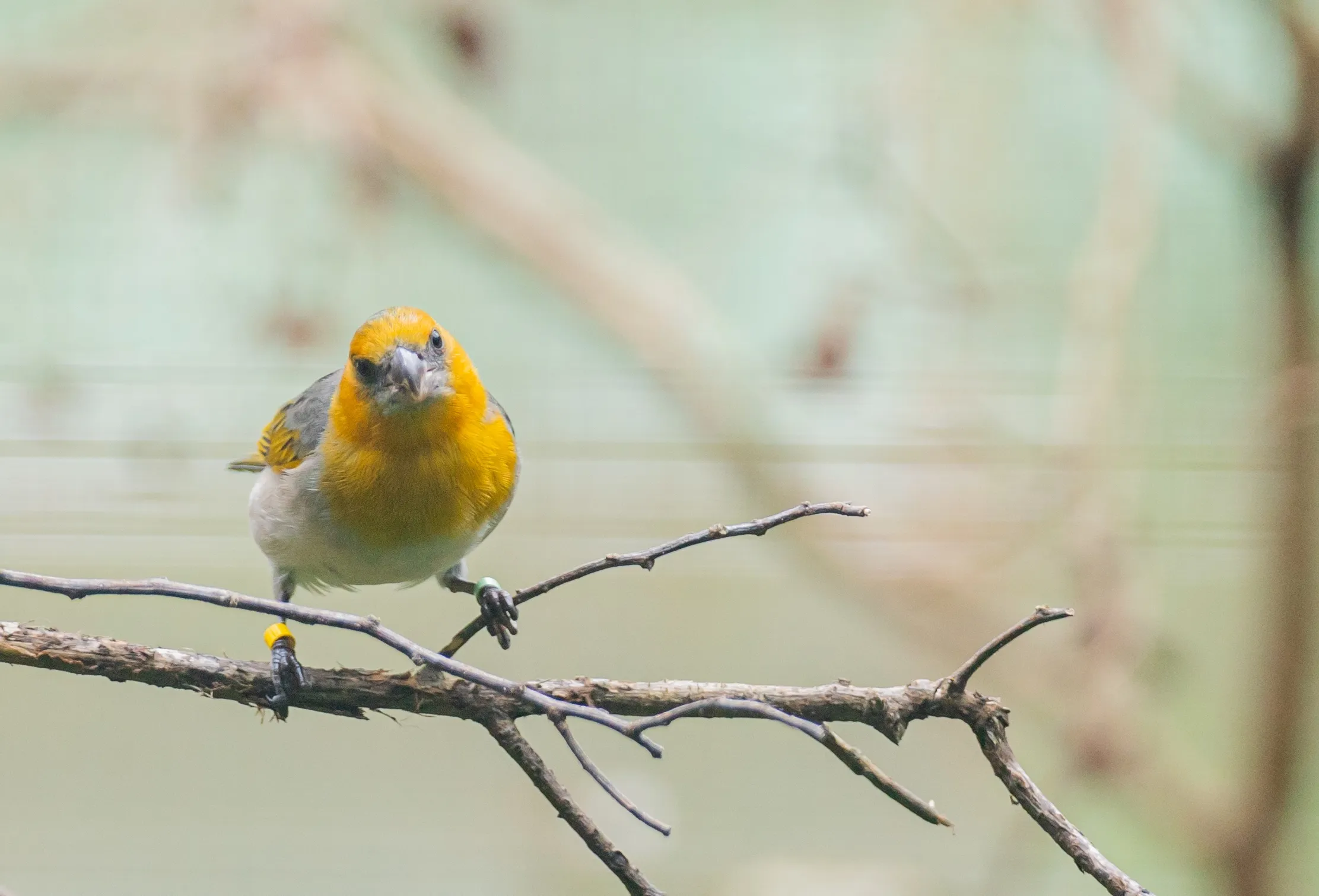
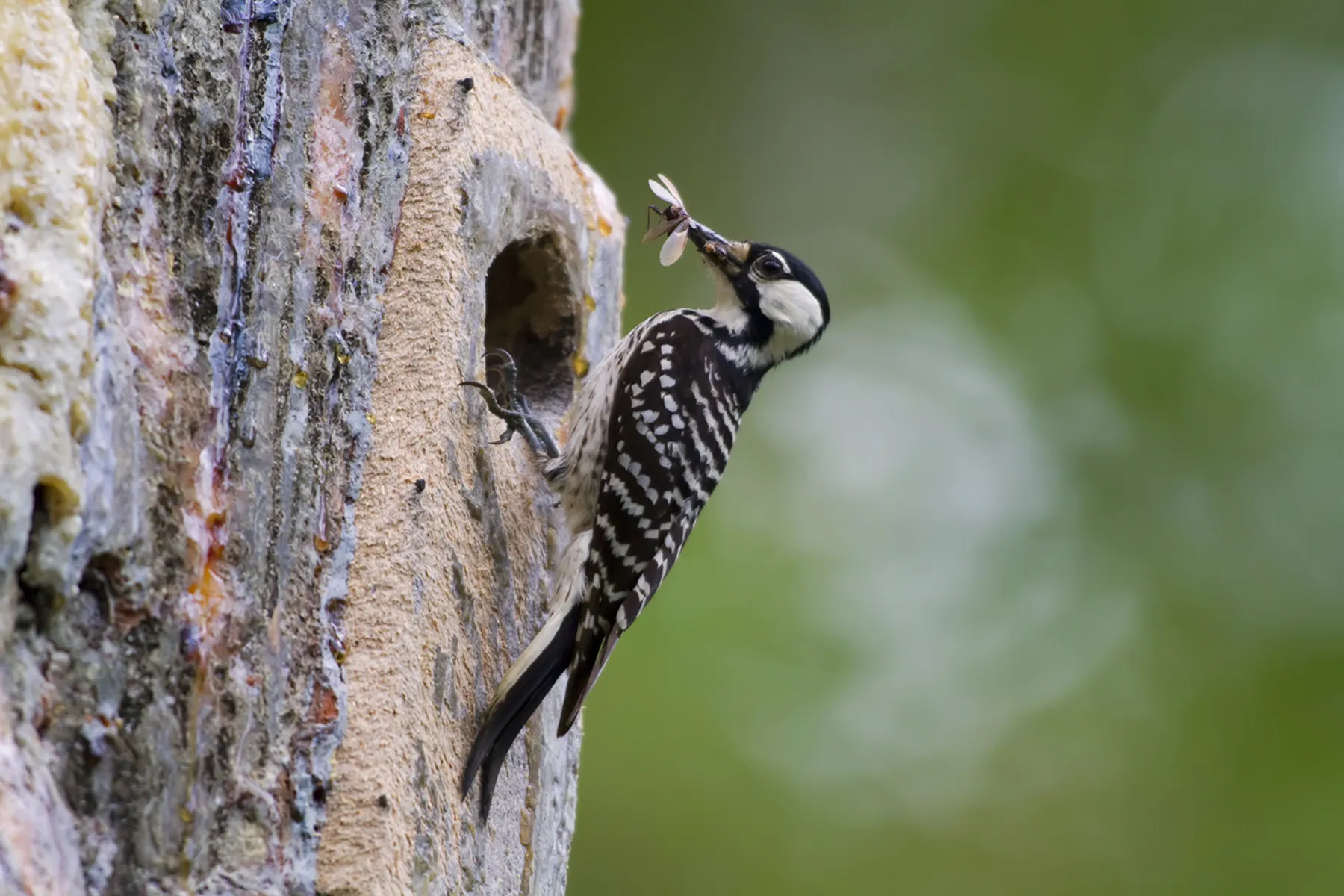
As litigation moves through the courts, the fate of hundreds of species rests on whether the judicial system upholds the previous, broad interpretation of the law or allows this new, narrower focus to stand. In the meantime, species on the brink—from the palila in the forests of Hawaii to the red-cockaded woodpecker in the pine stands of the Southeast—continue to lose ground. Whether this era will be remembered as a necessary regulatory adjustment or a tragic period of ecological loss remains to be seen, but the consequences for the American wilderness will likely be felt for generations.