The Great Climate Schism: How Permitting Reform is Dividing the American Environmental Movement

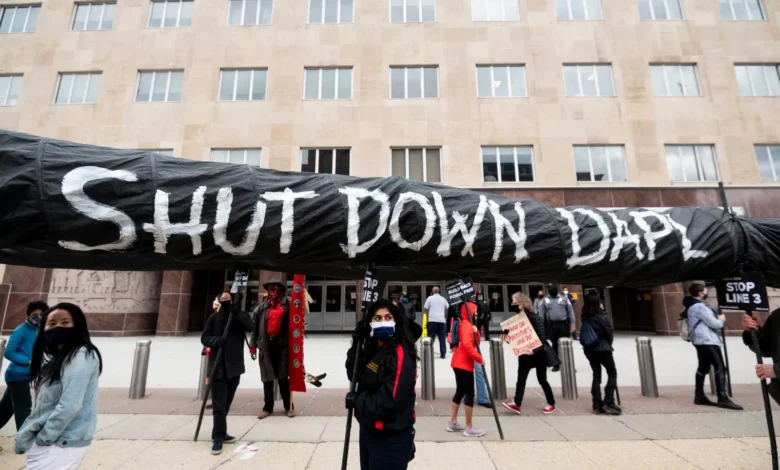
Solving the climate crisis has long been viewed as a dual-track mission: the aggressive termination of fossil fuel reliance and the rapid, large-scale deployment of clean energy infrastructure. For decades, the American climate movement operated under a relatively unified banner, balancing these objectives through a mix of litigation, lobbying, and grassroots activism. However, the introduction of the Bipartisan American Affordability and Jobs Act (BAAJA) has shattered this coalition, sparking a fierce "civil war" between two distinct factions: the "blockers," who prioritize environmental preservation and the halting of fossil fuel expansion, and the "builders," who argue that speed and scale are the only metrics that matter in the fight against planetary warming.
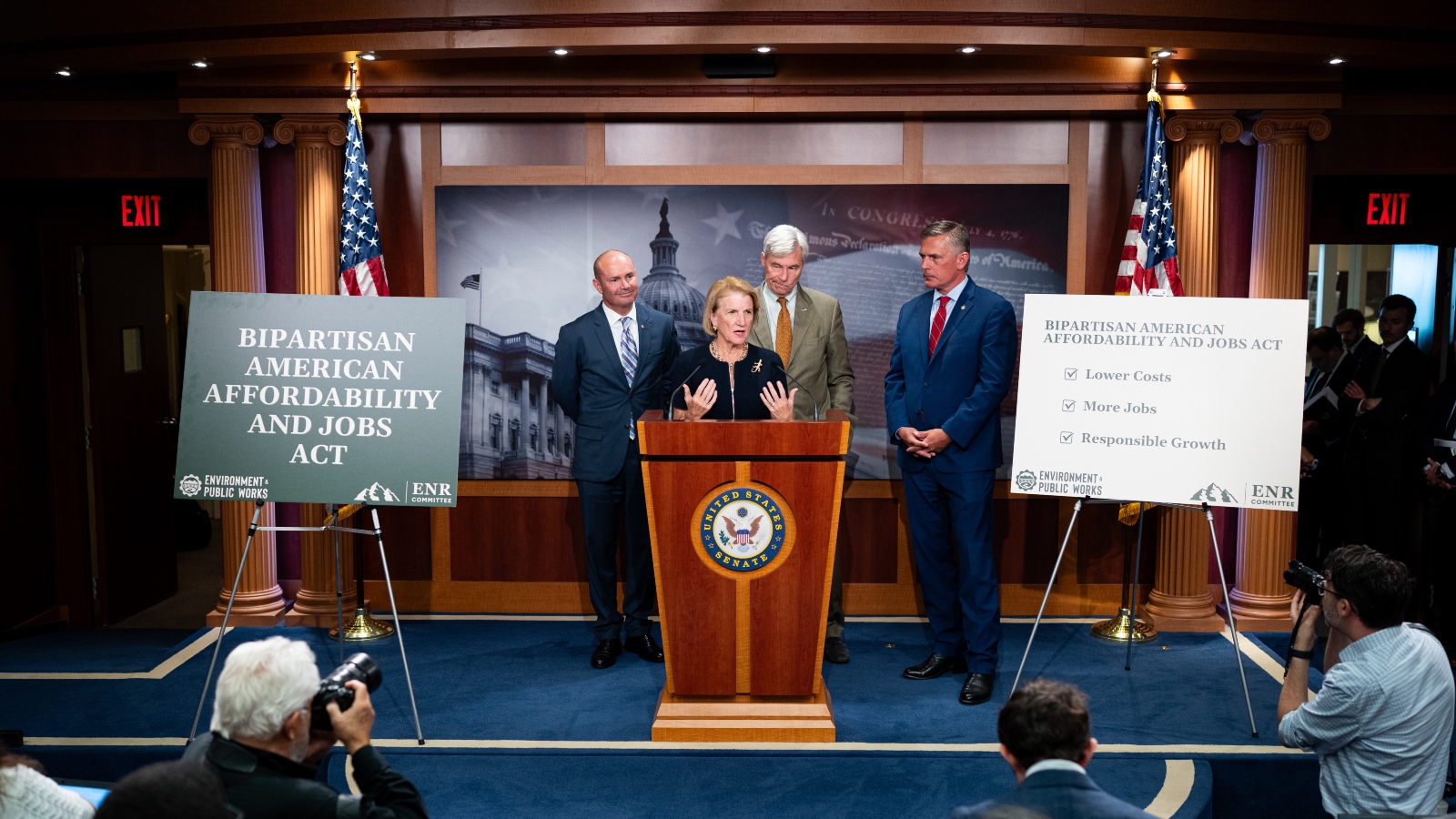
The BAAJA bill, a sprawling 400-page piece of legislation, represents the culmination of months of tense negotiations between four key Senate members, dubbed the "four corners": Democrats Sheldon Whitehouse of Rhode Island and Martin Heinrich of New Mexico, and Republicans Mike Lee of Utah and Shelley Moore Capito of West Virginia. The proposed legislation seeks to fundamentally overhaul the permitting process for power plants, gas pipelines, and the high-voltage transmission lines necessary to ferry renewable energy across the country.
To achieve these goals, the bill proposes significant modifications to bedrock environmental protections, including the National Environmental Policy Act (NEPA). By narrowing the scope of environmental reviews, shortening the window for litigation, and accelerating the timeline for federal agency approvals, the legislation aims to remove the "red tape" that supporters claim has stifled the energy transition.
A Chronology of the Legislative Impasse
The current legislative friction is the result of years of mounting frustration on both sides of the aisle. The timeline of this conflict can be traced back to the post-fracking boom era, where the climate movement’s most visible successes—such as the protests against the Keystone XL pipeline—were defensive in nature.
By 2022, however, the landscape began to shift. As wind and solar technology became the most cost-effective forms of new electricity generation, developers found themselves trapped in a "permitting hell." A 2025 analysis revealed that 64 percent of solar projects, 38 percent of wind projects, and 31 percent of transmission projects faced legal challenges under NEPA. These lawsuits, while often rooted in valid concerns regarding local ecosystems or tribal sovereignty, frequently resulted in multi-year delays that pushed projects to the brink of financial viability.
The "four corners" reached their tentative agreement just as Congress entered its fall recess. With the Senate not scheduled to reconvene until after the upcoming midterm elections, the intervening weeks have become a high-stakes lobbying battlefield. The bill’s path to becoming law remains precarious, as it has yet to clear committee and faces a deeply uncertain future in the House of Representatives, where ideological purists on both sides are already lining up to block its passage.
The Case for Acceleration: The Builder Perspective
Proponents of BAAJA, led by renewable energy trade groups and pragmatic policy analysts, argue that the status quo is a failure. They contend that if the United States is to reach its net-zero goals, the sheer physical footprint of the energy transition must be managed more efficiently.
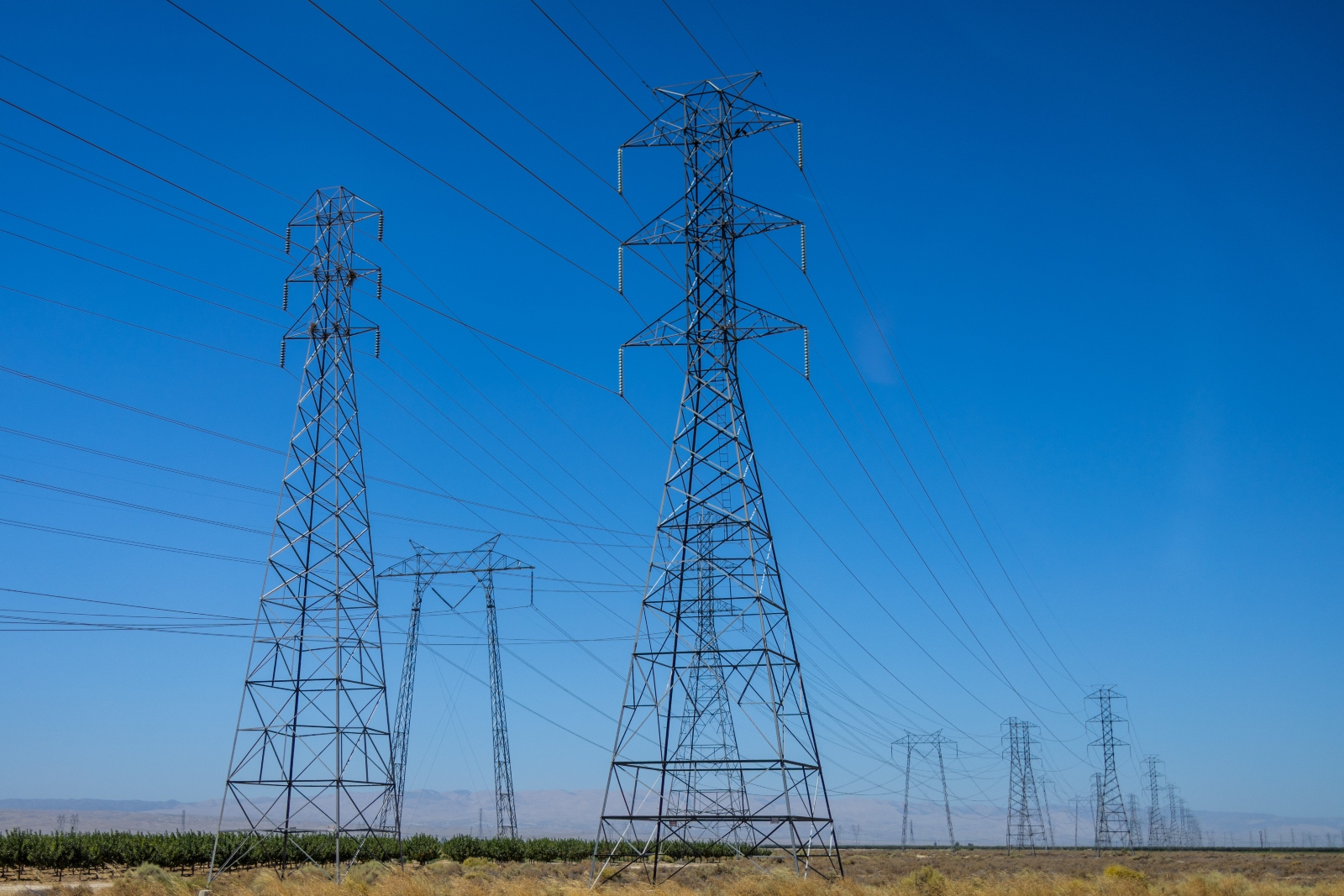
"We need to build a ton of stuff over the next four years, or else we are going to see electricity prices skyrocket," says Ray Long, president of the American Council on Renewable Energy (ACORE). The industry’s argument is rooted in the physics of the grid: clean energy is geographically constrained. Solar resources are best in the desert Southwest, and wind resources are most abundant in the Great Plains, but the load centers—cities and industrial hubs—are often thousands of miles away.
Under current law, building the interstate transmission lines required to move this power is nearly impossible. BAAJA proposes to force regional grid operators to plan for interregional connectivity and creates a path for private developers to move forward even when utilities are hesitant. For figures like Zeke Hausfather of Berkeley Earth, this is a necessary compromise. "I don’t want us to run roughshod over any community," he notes, "but we also can’t give everyone a veto for an issue as important as climate change."
The Case for Preservation: The Blocker Perspective
Opponents of the bill, including the Center for Biological Diversity and various environmental law groups, view BAAJA as a dangerous retreat from the gains of the last half-century. Their primary concern is that the bill treats environmental protection as an obstacle rather than a safeguard.
"That battle between fossil fuels and renewables is not going to necessarily go well for the people of our region, especially if you take those regular protections that we have relied on for years away," says Liz Zepeda of the Southern Environmental Law Center. Indigenous organizations have been particularly vocal, arguing that the bill’s language regarding historical preservation will effectively silence tribal nations by limiting their ability to intervene before construction begins on sacred lands.
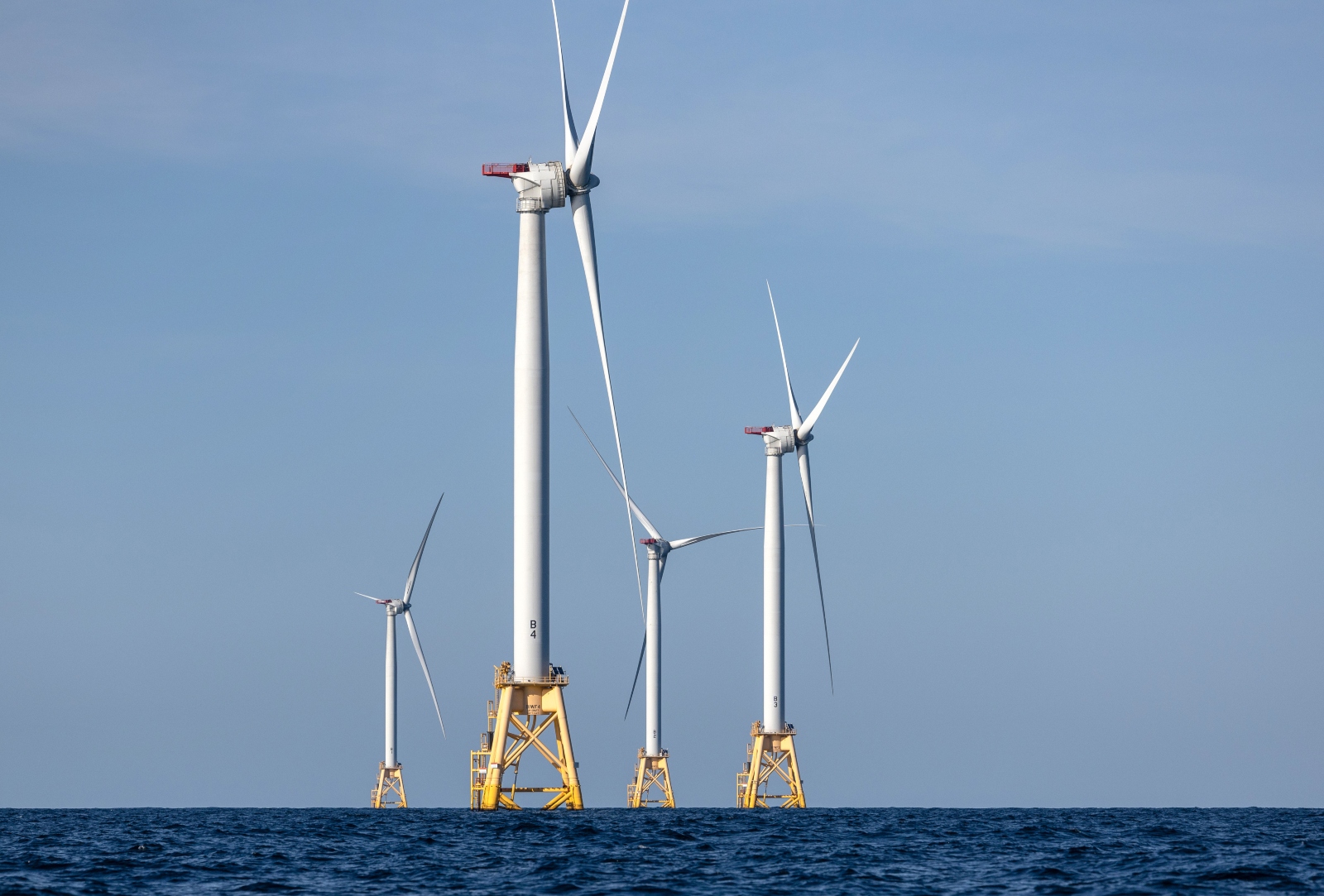
Furthermore, critics fear that the "permitting certainty" provisions are a Trojan horse for the fossil fuel industry. By prohibiting federal agencies from "discriminating" against specific energy sources, the bill could legally shield natural gas pipelines and oil infrastructure from the very executive actions—such as the pause on liquefied natural gas (LNG) exports—that the Biden administration used to curb fossil fuel expansion. Critics argue this locks in fossil fuel dominance for decades, effectively neutralizing the carbon benefits of any new solar or wind capacity built under the bill.
Fact-Based Analysis of Broader Implications
The divide within the climate movement is a reflection of a broader, more existential question: Can we regulate our way to a decarbonized future without sacrificing the local protections that define democratic participation in land use?
The implications of BAAJA are profound:
- Litigation Constraints: The bill proposes limiting the period for filing a lawsuit under NEPA to 150 days and restricts the courts’ ability to halt projects during the review process. While this would undeniably speed up infrastructure development, it creates a "build first, ask questions later" dynamic that could lead to irreversible ecological or cultural damage.
- The "Discrimination" Clause: The legal language prohibiting discrimination against specific energy types could fundamentally alter the relationship between the Executive Branch and the energy sector. It would limit the president’s ability to use administrative discretion to pivot the nation’s energy mix, effectively handing more power to the private developers who own the permits.
- Transmission Reform: Perhaps the most technically significant aspect of the bill is the mandate for interregional planning. This is the "holy grail" for grid experts, who note that the current fragmented grid is the single largest technical barrier to renewable integration. The debate here is whether this benefit is worth the cost of the environmental concessions required to get Republicans to sign on.
A Fractured Movement
The political fallout of this bill has created unusual bedfellows. The fact that groups like the Natural Resources Defense Council (NRDC) have remained neutral, acknowledging the "hard questions" posed by the legislation, while smaller grassroots organizations have mobilized in total opposition, signals that the era of a single, unified climate movement may be over.
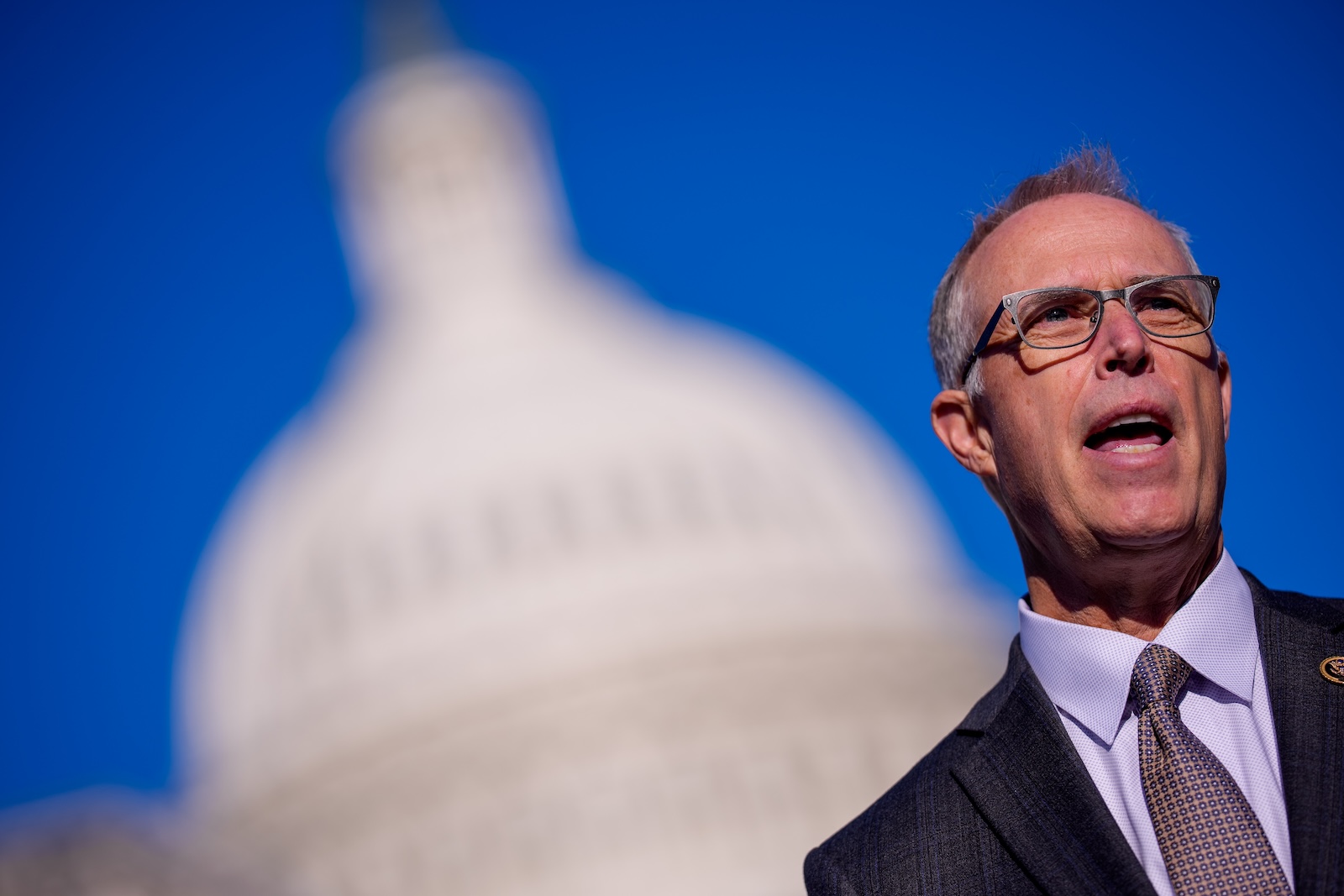
Representative Jared Huffman, a Democrat from California, has emerged as a key skeptic, labeling the bill a "Trojan horse." He argues that the urgency of the moment is being used to manufacture consent for industry giveaways. "The idea that this is this once-in-a-lifetime great opportunity that will never come again and has to be accepted without any scrutiny is pretty silly," Huffman said.
Ultimately, the BAAJA debate is not just about a 400-page bill; it is a fundamental disagreement over the philosophy of climate action. One side believes that the climate crisis is a fire that must be put out at any cost, even if that means breaking the windows of environmental law. The other side believes that in our haste to build a green future, we risk destroying the very communities and natural heritage we are trying to save. As the midterms approach, the movement finds itself in a state of paralysis, caught between the desire for rapid progress and the fear of losing the tools used to hold industry accountable.
Related posts: