Living on the Edge of a Changing Arctic: How Inuit Bear Guards are Navigating the Climate Crisis

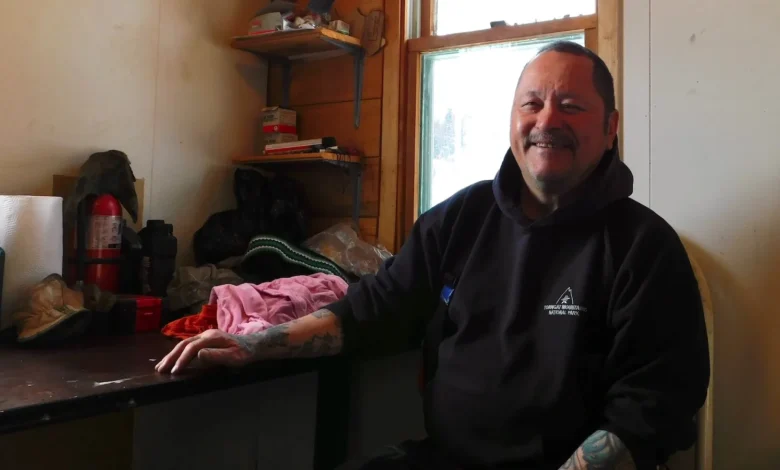
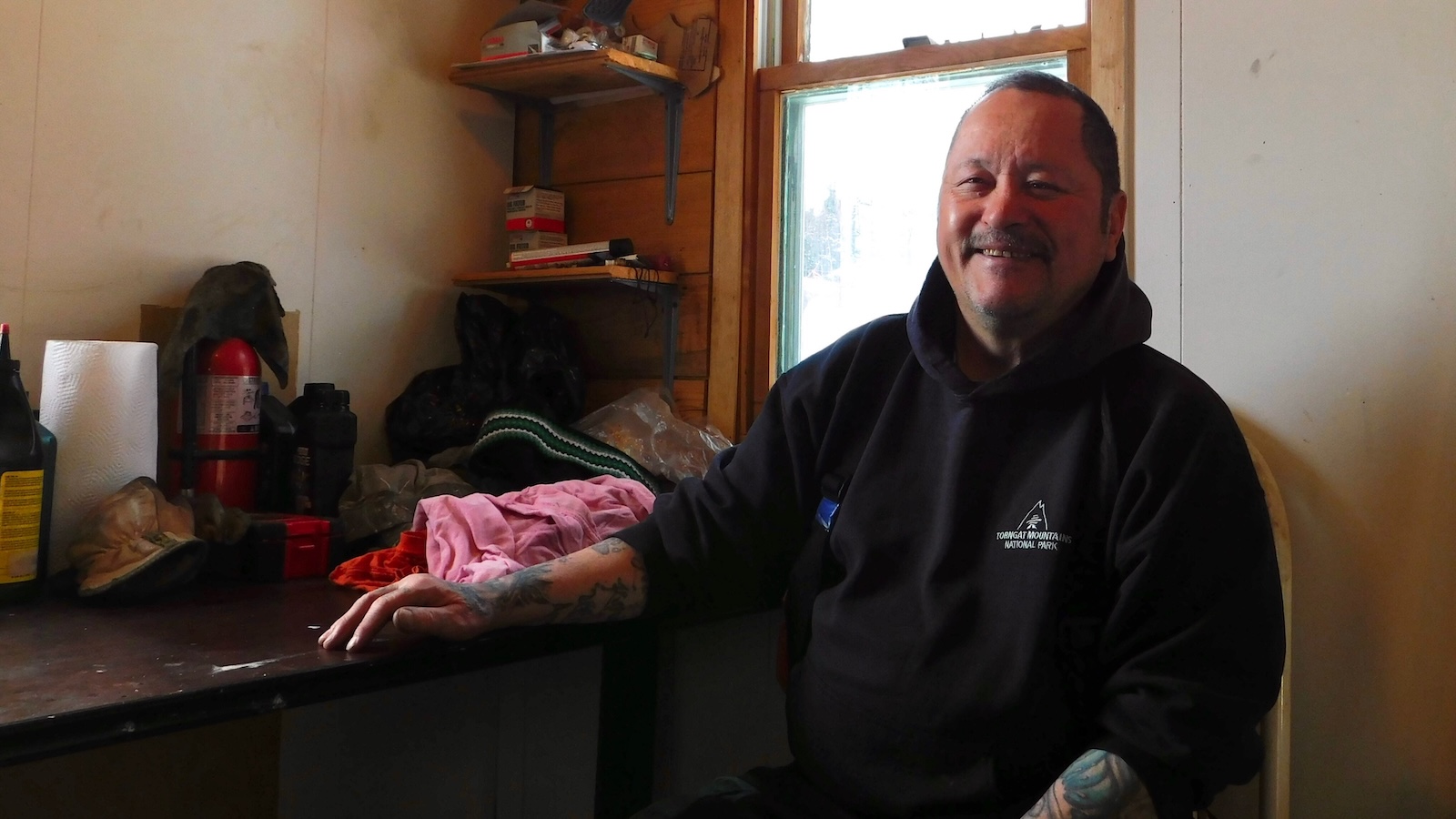
After a lifetime spent navigating the rugged, unpredictable terrain of northern Labrador, Derrick Pottle, a respected Inuk elder and former conservation officer, has dedicated his retirement to a mission that is as much about cultural survival as it is about physical safety. In 2005, Pottle founded BearSafe Planning, a training initiative in the Inuit community of Tikigâksuagusik in Nunatsiavut. The program provides essential instruction on how to monitor, deter, and coexist with polar and black bears. What began as a local necessity has, two decades later, become a critical line of defense in an Arctic undergoing rapid, climate-driven transformation.
The Genesis of a Lifesaving Program
The establishment of BearSafe Planning was a direct response to the 2005 Labrador Inuit Land Claims Agreement, which paved the way for the creation of Torngat Mountains National Park. As the park opened its borders to researchers, visitors, and officials, the lack of local, specialized expertise in bear management became a glaring vulnerability. Pottle, drawing on his deep knowledge of the land and years of experience as a government conservation officer, recognized that the safety of both visitors and the bears themselves depended on a new breed of professionals.
"They needed bear guards," Pottle recalls. "We didn’t have trainers in Nunatsiavut at the time. Somebody had to do it." By formalizing traditional Inuit knowledge and blending it with modern wildlife management protocols, Pottle created a three-day intensive certification course. The curriculum focuses on identifying behavioral cues—such as a bear’s posture, ear position, and vocalizations—that signal agitation or potential aggression. Students are trained in the use of deterrents and the strategic positioning required to protect groups in the field.
A Rapidly Warming Frontier
The urgency behind Pottle’s work is underpinned by a stark scientific reality: the Arctic is warming at a rate nearly four times faster than the global average. This climatic shift is fundamentally altering the habitat of the Ursus maritimus, or polar bear. These massive marine mammals rely on seasonal sea ice as a platform for hunting ringed seals. As the ice-free season in the North expands, polar bears are forced onto land for longer durations, away from their primary food sources.
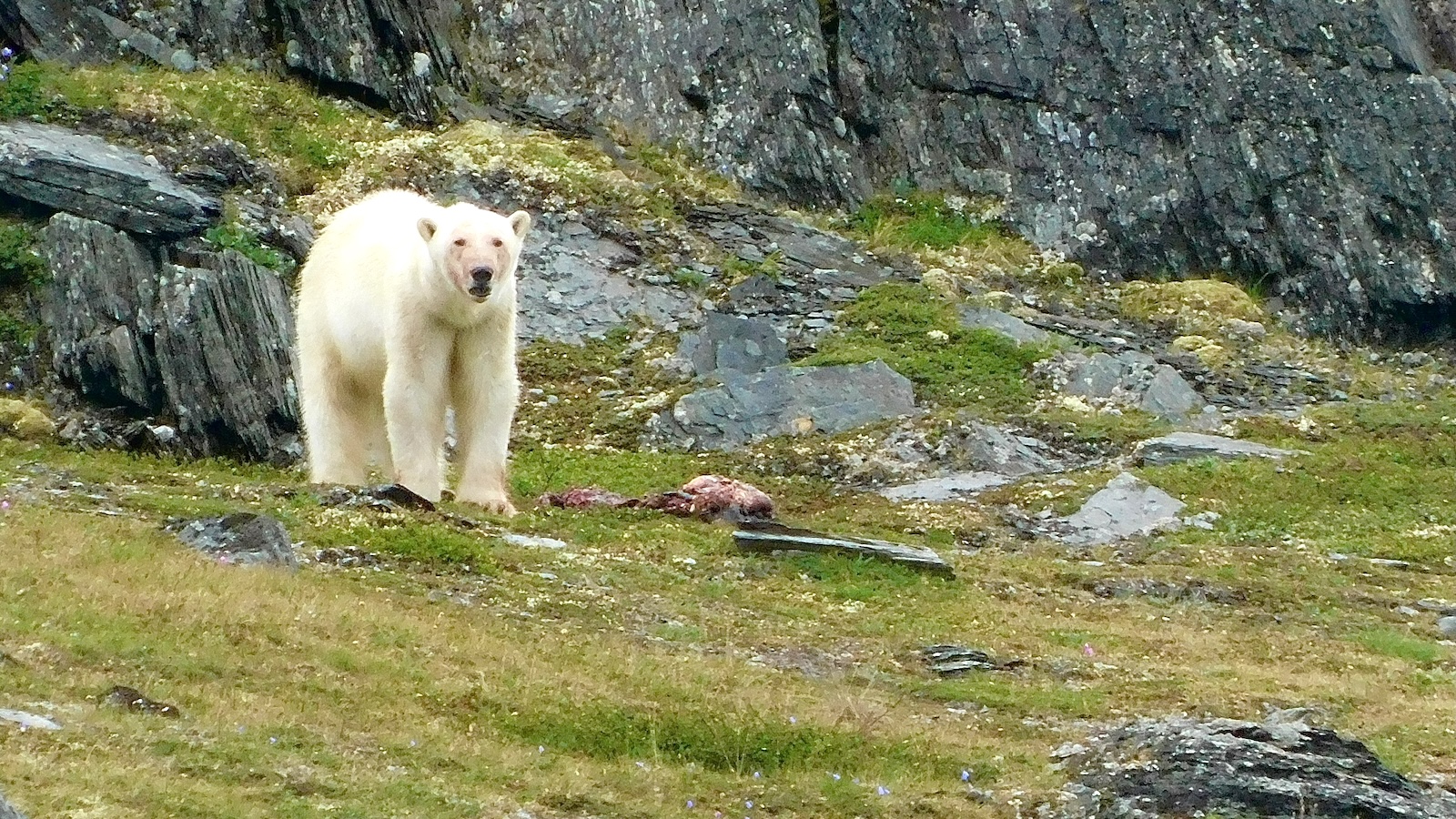
Data from Environment and Climate Change Canada indicates that the loss of sea ice is the primary threat to the species, which is currently categorized as a "species of special concern" at the federal level and "vulnerable" under provincial legislation. The resulting dietary stress and habitat displacement are driving bears into areas they historically avoided. Researchers have observed that bears are now appearing in higher frequencies and in proximity to human settlements where they were once rarely seen. This creates a volatile intersection between human activity and desperate, hungry apex predators.
Chronology of an Evolving Conflict
The increased interaction between humans and polar bears is not a recent phenomenon, but rather the result of a long-term trend in ecological degradation:
- Pre-2005: Informal guidance on the land was provided by local hunters and elders like Pottle, who escorted visitors via boat, dog team, or snowmobile based on intuitive knowledge of the environment.
- 2005: The Labrador Inuit Land Claims Agreement is signed, leading to the establishment of Torngat Mountains National Park. BearSafe Planning is founded to meet the urgent safety requirements of the new park.
- 2010–2015: As warming trends accelerate, reports from Inuit and Cree communities confirm that polar bears are lingering in southern regions of the Arctic well into the summer, significantly altering the traditional hunting and travel patterns of local people.
- 2015–2020: The program expands its reach. Graduates begin to find professional roles with cruise ship operators, government agencies, and research expeditions, while many others use the certification for personal family safety.
- 2024–Present: BearSafe Planning continues to evolve, incorporating updated climate models and anecdotal data from hunters to refine its curriculum, acknowledging that the "bear season" is no longer confined to traditional windows.
Professionalization and Economic Impact
Beyond the immediate goal of preventing lethal encounters, Pottle’s program serves as an economic catalyst for the region. In a part of the world where traditional employment opportunities can be sparse, professional bear guarding offers a viable career path. Trained guards are now a staple for cruise ship expeditions venturing into northern waters, research teams monitoring the health of the Arctic, and government entities conducting field work.
Sherri Wolfrey, a mother of four and resident of Tikigâksuagusik, exemplifies the dual utility of this training. After completing the course in 2015, she balanced her life as a community member with the demands of professional monitoring. In 2023, she was contracted as a bear guard in the Akami-Uapishkâu-KakKasuak (Mealy Mountains National Park Reserve). For Wolfrey, the training provides more than just a paycheck; it provides the confidence to traverse her ancestral home. "It’s good to have the training," she noted, "because when you do what I like to do, especially being at the cabin, you know what to expect and what to do if you came upon a bear."
Broader Implications for Arctic Governance
The success of BearSafe Planning highlights a broader trend in Northern governance: the integration of Indigenous knowledge with scientific policy. Official responses from bodies like Parks Canada have increasingly acknowledged that local Inuit knowledge is indispensable for effective wildlife management.
However, the implications of this work extend beyond local safety. As the Arctic continues to thaw, the responsibility of bear guards will likely shift from episodic monitoring to a continuous, year-round requirement. Experts suggest that as bear populations become more habituated to human presence, the likelihood of "nuisance" behavior—bears raiding food caches or investigating human shelters—will rise. This suggests that the model pioneered by Pottle may need to scale, with potential requirements for standardized, pan-Arctic training programs that mirror his rigorous, community-focused approach.
The Role of the Elder as Educator
Despite his status as an instructor, Pottle remains humble, framing the classroom as a collaborative environment. He emphasizes that he is as much a student as his trainees, constantly learning from the changing narratives of other hunters and elders who spend their lives on the land. By creating a space where traditional ecological knowledge (TEK) is validated alongside modern conservation science, Pottle has fostered a resilient network of guardians who are prepared to handle the realities of a warming world.
The objective of the program remains clear and unwavering: "To keep people safe, and make sure people enjoy the land and enjoy the surroundings—and get the job done and come home safe at the end of your workday." As the climate crisis forces a renegotiation of the relationship between humans and the wildlife of the North, the work of Derrick Pottle and his graduates provides a roadmap for coexistence. It is a testament to the fact that while the environment may be changing at an unprecedented pace, the ability of communities to adapt and protect one another remains a constant.
Conclusion: A Legacy of Vigilance
The challenges posed by a melting Arctic are immense, and there are no easy solutions for the loss of sea ice or the displacement of the polar bear. However, by empowering the Inuit people with the skills to manage these encounters, programs like BearSafe Planning are ensuring that the North remains a space where human activity can continue safely. As the world turns its eyes toward the Arctic, observing the ecological shifts and the melting landscape, the silent, watchful presence of the bear guard serves as a vital reminder of the human cost of climate change—and the ingenuity required to endure it.