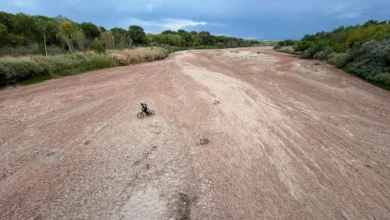
From Ad Hoc Necessity to Permanent Infrastructure: Western North Carolina Redefines Disaster Resilience Two Years After Hurricane Helene

The aftermath of Hurricane Helene, which struck western North Carolina with unprecedented ferocity, transformed local communities into laboratories of survival. In the immediate wake of the storm, as traditional infrastructure—power grids, cellular networks, and supply chains—collapsed, residents bypassed institutional delays to forge their own networks of support. Two years later, these grassroots efforts have matured into a formal, localized movement to establish "resilience hubs," a strategic initiative aimed at institutionalizing the survival skills and community-led infrastructure that kept the region afloat during its darkest hour.
The transition from emergency response to systemic preparedness represents a significant shift in how rural and semi-rural mountainous regions approach climate adaptation. By leveraging trusted community spaces—libraries, depots, and local centers—municipalities and non-profits are attempting to bake redundancy into the very fabric of their towns, ensuring that the next inevitable climate-driven event does not necessitate the same level of desperate improvisation that defined the 2024 recovery.
A Chronology of Crisis and Adaptation
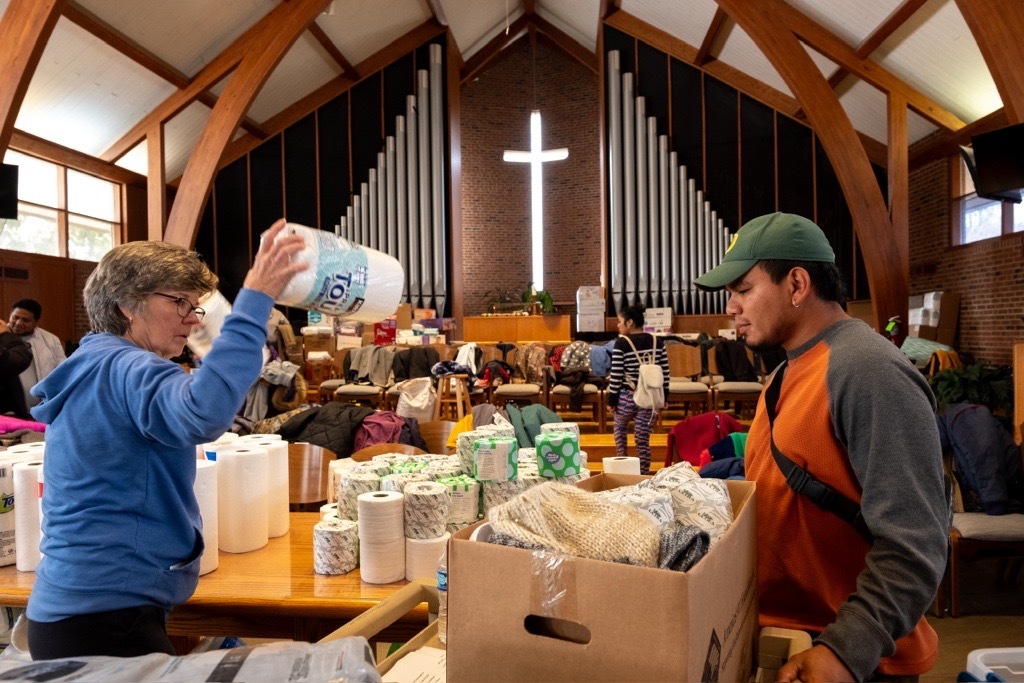
Hurricane Helene served as a watershed moment for the Blue Ridge region. The storm’s arrival was marked by a rapid failure of standard utilities, isolating entire townships for days, and in some cases, weeks. In the immediate aftermath, a pattern emerged: community centers and fire departments, often operating without clear direction from centralized state authorities, transformed into de facto hubs.
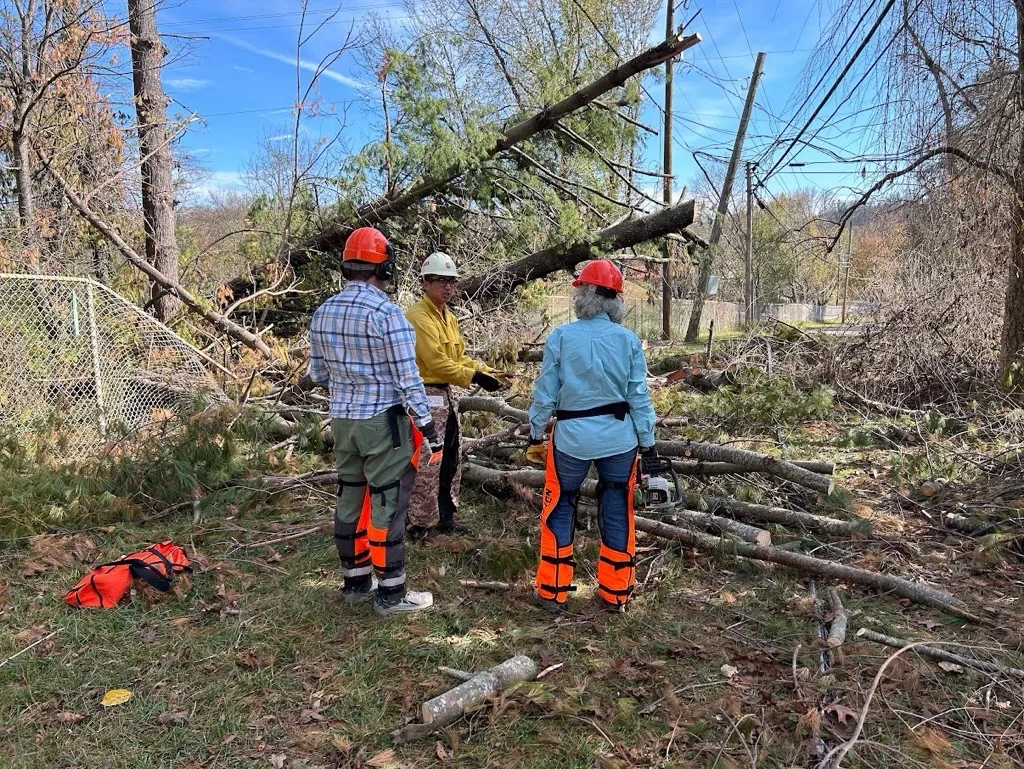
During the first 72 hours, these sites became the sole sources of survival information, clean water, and medical supplies. By the two-week mark, community members had organized "chainsaw brigades" to clear arterial roads, while amateur radio enthusiasts filled the vacuum left by the total collapse of cellular tower networks. By the six-month mark, as the initial shock subsided, local leaders began identifying specific sites that had proven effective during the crisis. This recognition led to the current phase of formalization, where entities like the City of Asheville have committed to long-term funding, allocating $2 million in initial capital for the hardening of these sites, with potential long-term investment reaching $10 million.
The Microgrid Movement: Decentralizing Energy
Central to the resilience hub strategy is the transition to independent, localized energy systems. The vulnerability of the centralized power grid was arguably the most significant factor in the post-Helene crisis, as the lack of electricity halted refrigeration for food and medical supplies, crippled communications, and rendered water pumps useless.
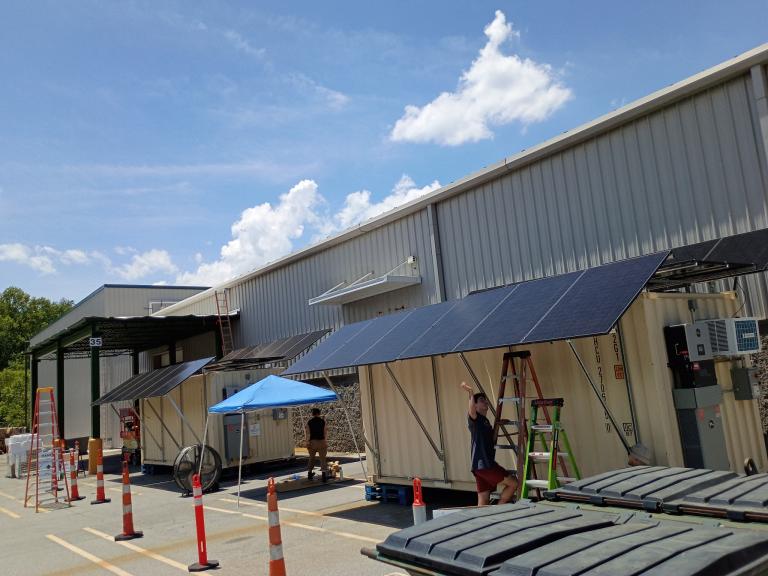
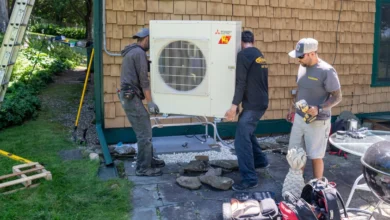
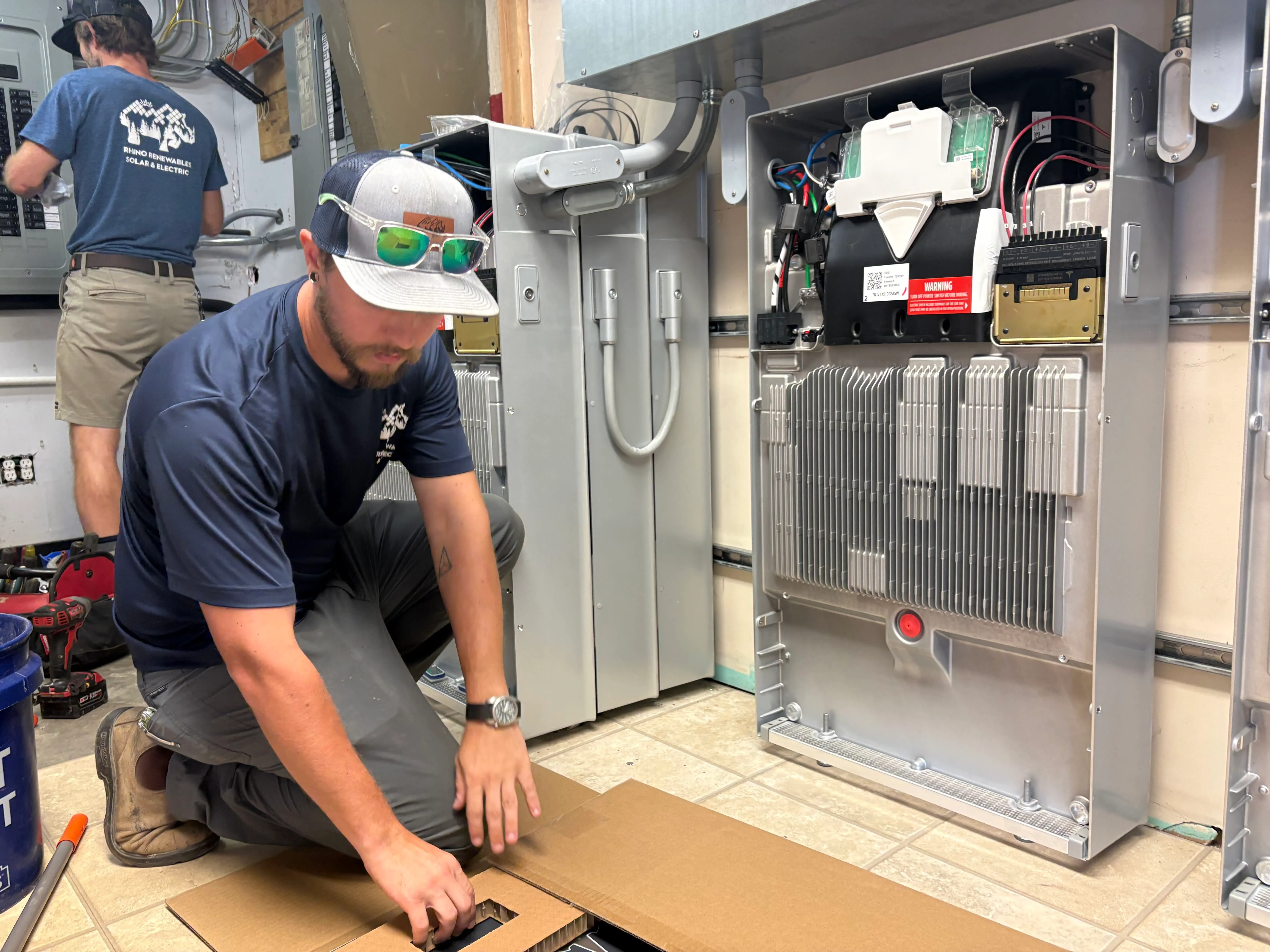
In Marshall, North Carolina, the Beacon of Hope facility now serves as a blueprint for this transition. By installing solar-powered microgrids—complete with industrial-grade battery storage—the facility can operate for at least 24 hours entirely off-grid. This is not merely an environmental project; it is a tactical medical and humanitarian necessity. With the facility supporting a food pantry that serves 1,600 families, the ability to maintain cold storage for perishable goods represents the difference between sustained relief and total service collapse.
State officials have provided $5 million in grants to support 26 such microgrid installations across the region. However, energy experts, including University of Pittsburgh engineer Alex Kwasinski, argue that the current scale is merely a starting point. "The challenge is that federal funding often prioritizes large-scale, grid-tied projects, whereas resilience hubs require distributed, modular systems that can ‘island’ themselves from the main grid during a failure," Kwasinski noted.
Communication Sovereignty: The Role of GMRS
The collapse of the cellular and fiber-optic backbone during Hurricane Helene left a vacuum that created a genuine danger to life. In response, residents have turned to General Mobile Radio Service (GMRS) and amateur radio networks.
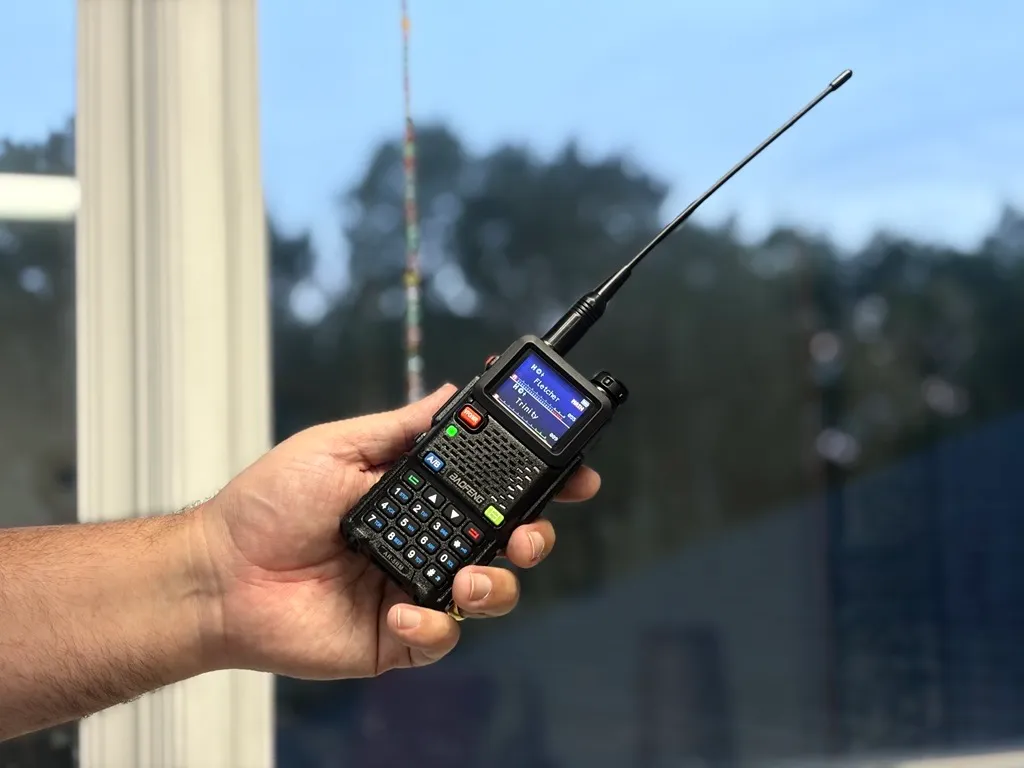
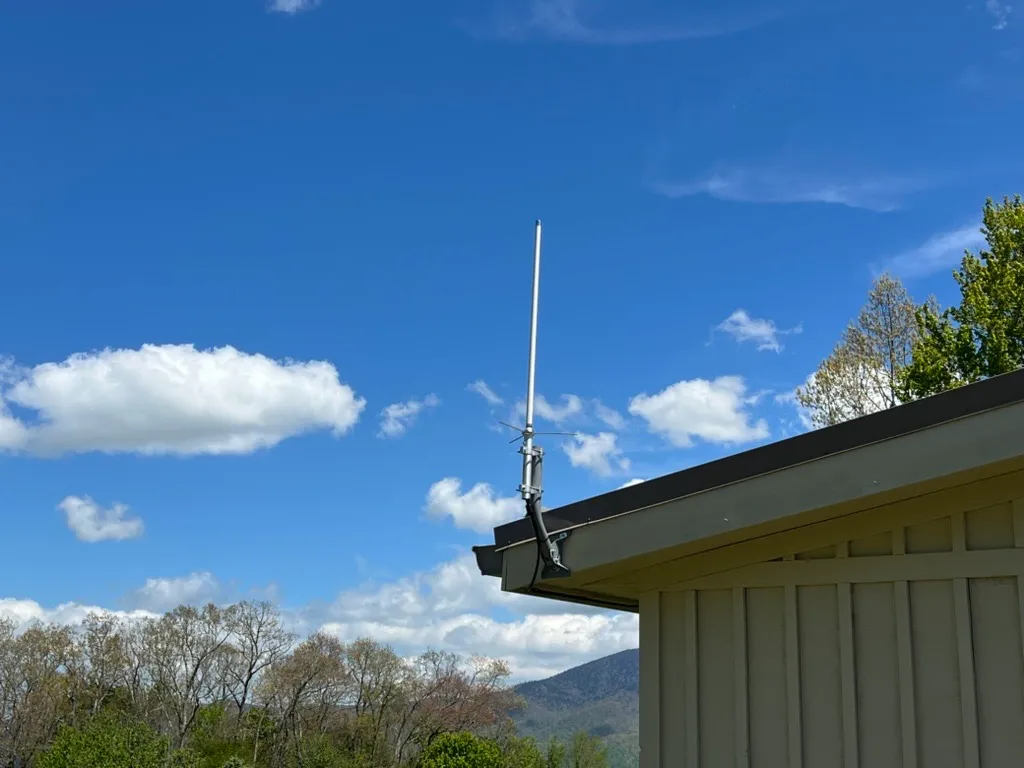
The WNC Radio Project, launched in the wake of the storm, has emerged as a critical infrastructure partner. By installing repeaters on high-altitude mountain peaks, the project has effectively created a localized communication mesh that operates independently of the internet. Statistics reflect this cultural shift: license applications for GMRS radio in the region surged by 130 percent in the 12 months following the storm. This technology is currently being integrated into the resilience hub model, ensuring that even if power grids fail, these hubs remain connected to a regional network capable of relaying life-saving information to first responders and neighbors.
Addressing the Equity Gap in Disaster Response
A critical element of the new resilience strategy is the intentional inclusion of vulnerable populations. Disaster data indicates that people with disabilities are disproportionately affected by extreme weather events. According to 2023 Census data, 31 percent of U.S. adults with disabilities were displaced by disasters in the previous year, compared to only 1 percent of the general population.
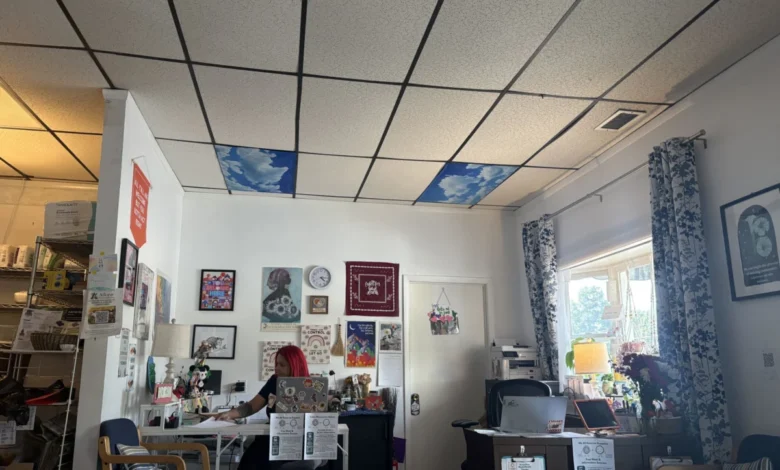
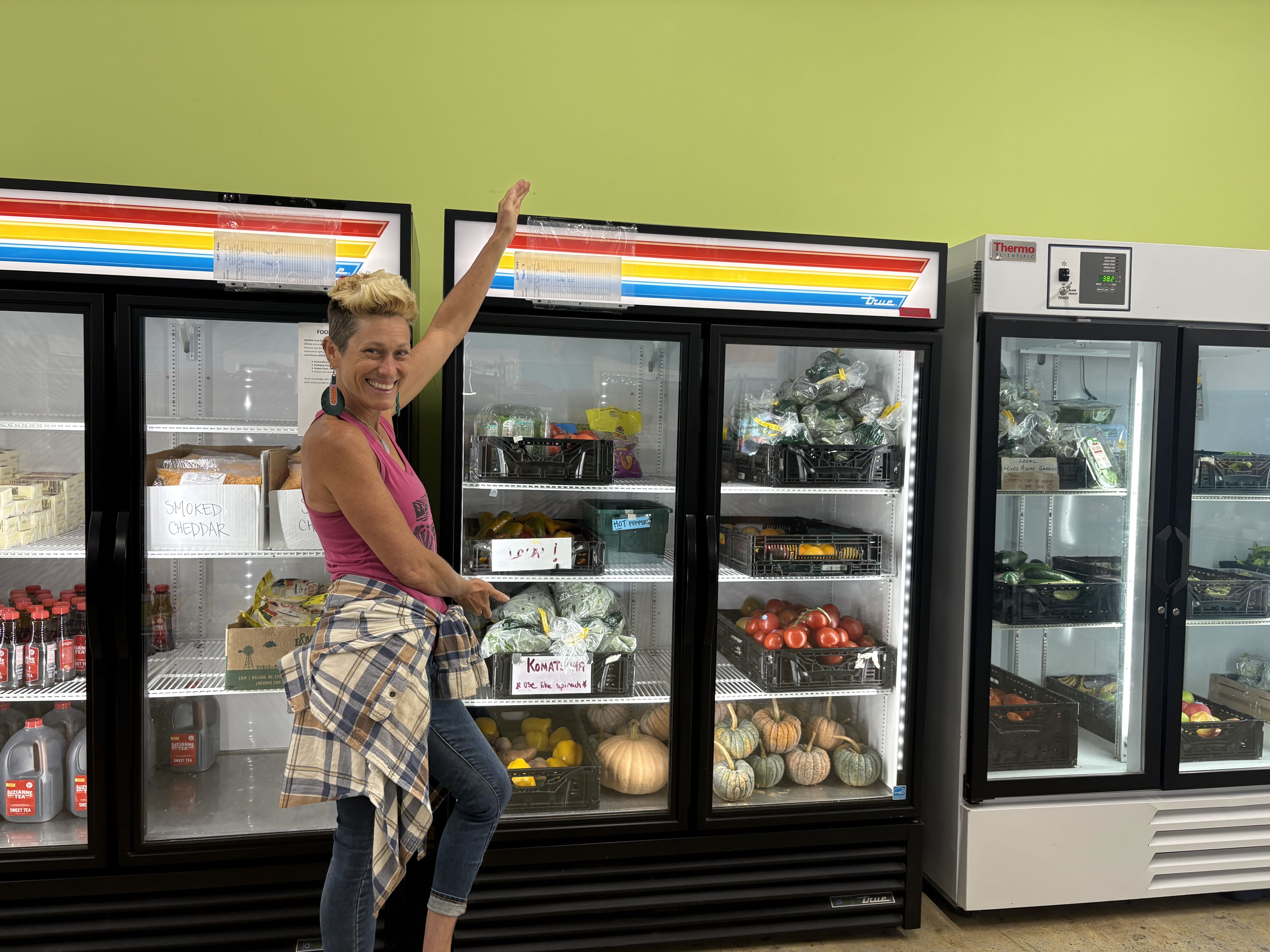
The Swannanoa Communities Together initiative highlights the necessity of localized, high-touch support. Following the storm, it became evident that centralized emergency messaging was failing residents with unique medical needs—those requiring refrigerated insulin, continuous oxygen, or specialized mobility assistance. The organization’s decision to renovate a community space with ADA-compliant infrastructure serves as a model for how future resilience hubs must be designed. By involving accessibility consultants in the architectural planning, the group is ensuring that their site functions not only as a supply depot but as a safe, functional space for those who cannot evacuate.
Economic and Practical Implications
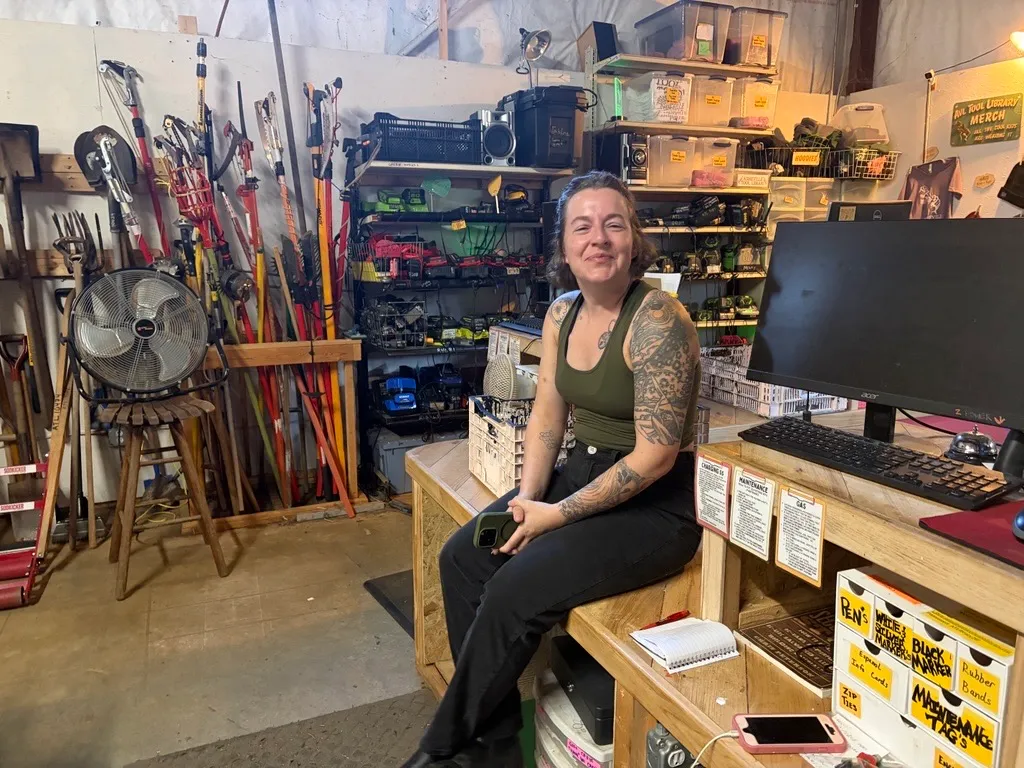
The "tool library" model, exemplified by the Asheville Tool Library, illustrates the shift toward community-owned capital. In the immediate aftermath of the storm, the lack of access to heavy-duty equipment like chainsaws and generators hindered recovery efforts. By maintaining a library of 4,000 tools and providing safety training for the public, these organizations have turned disaster preparedness into a year-round civic engagement project.
The economic implications of this transition are substantial. By training a workforce of residents in chainsaw safety, solar installation, and radio operation, western North Carolina is essentially building a "resilience economy." This creates a dual benefit: it generates a more capable local labor force while reducing the reliance on external aid that often arrives too late to be effective in the mountainous terrain.
Strategic Analysis: The Future of Resilience
The push for resilience hubs is part of a broader, national movement to re-evaluate how communities manage the increasing frequency of climate-driven catastrophes. However, the Western North Carolina approach is distinct due to its emphasis on "social infrastructure"—the existing trust between neighbors and local organizations.
While the $10 million in projected funding from the City of Asheville is a significant step, the long-term sustainability of these hubs remains an open question. Many of these projects are currently funded through a patchwork of state grants, non-profit donations, and volunteer labor. To be truly effective, experts suggest that resilience hubs must be integrated into official disaster management plans at the state and federal levels, effectively treating them as primary nodes in the emergency response chain.
The lesson from the last two years is clear: top-down bureaucracy is insufficient to handle the complexities of climate-driven disasters in rugged, isolated landscapes. True security lies in the decentralization of critical services. As McKenzie Jones of the Urban Sustainability Directors Network observed, "Resilience is not just about the equipment; it’s about the existing community spaces that people already trust."
As western North Carolina continues to refine its approach, it serves as a case study for the rest of the nation. The goal is to reach a point where, when the next major storm hits, the lights stay on, the communication lines remain open, and the most vulnerable are not left to fend for themselves. The transition from ad hoc, post-disaster cleanup to proactive, resilience-based infrastructure is not just a policy change—it is a fundamental restructuring of what it means to live in a community in the 21st century. Through solar power, radio networks, and inclusive planning, the region is proving that the most effective way to survive a disaster is to build the resilience of the community long before the sky turns gray.