Global Energy Crisis Deepens as Middle East Conflict Clashes with the Dawn of the Age of Electricity

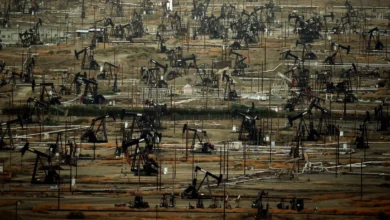
The outbreak of large-scale hostilities involving the United States, Israel, and Iran has sent shockwaves through the international community, triggering an unprecedented disruption in global energy markets and bottlenecking approximately 20 percent of the world’s supply of oil and liquefied natural gas (LNG). This geopolitical volatility arrives at a critical juncture for the global environment, as the sudden scarcity of fossil fuels coincides with the release of landmark data suggesting the world was already on the cusp of a permanent shift away from carbon-intensive energy. While the immediate consequences for the fight against climate change remain uncertain, two comprehensive reports released this week by the International Energy Agency (IEA) and the energy think tank Ember provide the clearest evidence yet that the era of fossil fuel dominance was already being dismantled by a structural transition toward electrification.
According to the IEA, an intergovernmental organization regarded as the premier authority on global energy analysis, the world has officially entered the "Age of Electricity." This transition is defined by a fundamental shift in how core economic activities—traditionally reliant on the direct combustion of oil and coal—are powered. From the proliferation of electric vehicles (EVs) to the electrification of industrial steelmaking and residential heating, the global economy is increasingly tethered to the power grid rather than the internal combustion engine or the gas boiler. Crucially, the reports highlight that the electricity flowing through these grids is being generated by renewable sources at a rate that is now beginning to outpace the growth in total human demand.
A Statistical Turning Point in Global Power Generation
The data compiled for the year 2025 reveals a historic milestone: renewable energy sources have begun to actively displace fossil fuels in the global power mix. For the first time in over a century, renewables edged out coal in global electricity generation. This shift was not merely a result of a slowing economy; rather, it occurred during a year of robust global economic growth. In previous decades, plateaus in fossil fuel use were typically the byproduct of global recessions or industrial slowdowns. The 2025 data, however, indicates a structural decoupling of economic prosperity from carbon emissions.
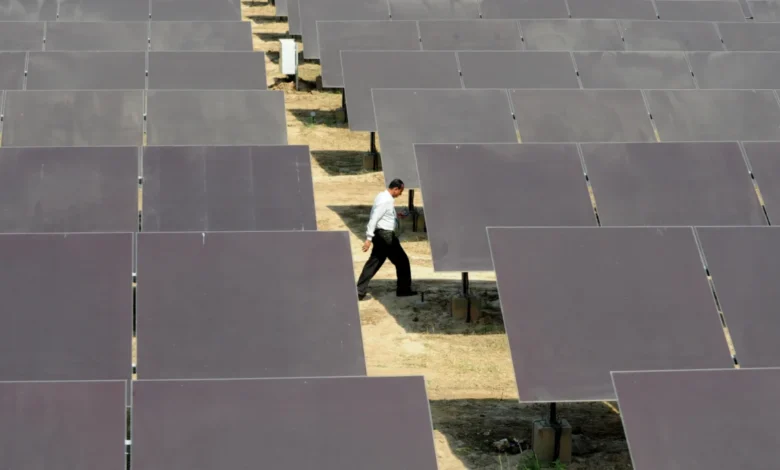
Solar energy emerged as the primary driver of this transformation, standing as the single largest source used to meet the world’s growing appetite for power. When combined with wind, nuclear, and hydropower, the total new carbon-free generation exceeded the overall rise in global electricity demand. "This was a year when the economy boomed, electricity demand grew very healthily—and still all that demand growth was met with renewables," noted Daan Walter, a lead researcher at Ember. This suggests that the energy transition, often discussed as a future aspiration, has moved into a tangible, operational phase where clean energy is no longer just a supplement but a replacement for traditional fuels.
The Role of China and India in the Fossil Fuel Decline
The momentum of this transition was largely propelled by the world’s two most populous nations: China and India. Together, these countries account for roughly 42 percent of global fossil fuel-based power generation. In 2025, both nations saw the amount of electricity generated by fossil fuels fall simultaneously for the first time this century. This decline was driven by an aggressive and rapid build-out of solar and wind infrastructure, supported by a dramatic reduction in the cost of energy storage.
The economics of the transition were bolstered by a 45 percent drop in the cost of batteries in 2025 alone, a decline that far exceeded the 20 percent drop recorded in 2024. This pricing trend has made the integration of intermittent renewable sources like wind and solar increasingly viable for large-scale national grids. By investing heavily in domestic manufacturing and deployment, China and India have not only reduced their reliance on imported fuels but have also set a blueprint for other developing economies to follow.
The American Paradox: Coal’s Surprising Resurgence
Despite the global trend toward decarbonization, the United States presented a notable exception in 2025. While much of the world moved away from coal, U.S. demand for the fuel rose by 10 percent. This resurgence was driven by a confluence of economic and environmental factors. Rising natural gas prices led many power producers to switch back to coal, which had previously been displaced by the "fracking boom."
Furthermore, the U.S. experienced an exceptionally harsh winter across the eastern seaboard, driving up heating demands. Perhaps most significantly, the rapid expansion of artificial intelligence (AI) and the subsequent rollout of industrial-scale data centers created a surge in electricity demand that existing renewable infrastructure was not yet equipped to handle entirely. This "AI energy tax" has complicated the U.S. path toward net-zero emissions, highlighting the tension between technological advancement and environmental goals.
The Rise of Leapfrogging in Developing Economies
One of the most significant sociological shifts identified in the IEA and Ember reports is the phenomenon of "leapfrogging" in the developing world. Historically, the energy transition was viewed as a process led by wealthy, developed nations, with poorer countries following at a slower pace. However, the 2025 data suggests that developing economies are now moving faster in several key metrics.
In Indonesia, for example, electric vehicles now account for more than 15 percent of new car sales. This is a higher market share than that of the United States and represents a meteoric rise from near-zero levels in the early 2020s. For many Indonesian consumers, an EV is not a replacement for a gasoline car but their first-ever vehicle purchase. By skipping the internal combustion engine phase entirely, these nations are avoiding the buildup of carbon-intensive infrastructure that developed nations are now struggling to dismantle.
"We’re now seeing ‘leapfrogging’ across the world where actually developing economies are going faster in many ways than developed economies," Walter explained. This shift is recalibrating the global climate strategy, placing developing nations at the forefront of technological adoption.
Record Emissions and the Limits of Electrification
Despite the progress in electricity generation, the IEA report provides a sobering reminder of the challenges ahead. Global carbon dioxide emissions reached a record high last year, rising 0.4 percent from 2024 levels. While the pace of this increase is slowing, it underscores the fact that the "Age of Electricity" has not yet conquered all sectors of the economy.
The persistence of high emissions is largely attributed to sectors that are difficult to electrify, such as aviation, long-haul shipping, and certain heavy industrial processes. While passenger cars are rapidly transitioning to electric batteries, the technology for cargo ships and transcontinental jets remains in its infancy. As a result, the world’s total use of greenhouse-gas-emitting energy has not yet entered a period of sustained decline, even as the power grid becomes cleaner.
Geopolitical Implications and the Path Forward
The current conflict involving the U.S., Israel, and Iran adds a layer of extreme volatility to this transition. With 20 percent of the world’s oil and LNG supply at risk due to potential blockades or infrastructure damage in the Middle East, the economic pressure to accelerate the move to domestic renewable energy has never been higher. For energy-importing nations, the "Age of Electricity" is no longer just an environmental goal; it is a matter of national security and economic sovereignty.
The bottlenecking of fossil fuel supplies is likely to lead to further price spikes, which may paradoxically accelerate the adoption of renewables by making them even more cost-competitive. However, the immediate shortage of energy could also force some nations to reactivate mothballed coal plants or delay the retirement of carbon-intensive assets to prevent grid failure.
The reports from the IEA and Ember suggest that while the road to a carbon-free future is fraught with geopolitical and technological hurdles, the underlying structural trend is clear. The world is moving toward a system where electricity is the dominant currency of energy, and renewables are the primary mint. Whether the current conflict in the Middle East acts as a catalyst for this change or a temporary roadblock remains to be seen, but the data from 2025 confirms that the era of fossil fuel indispensability is nearing its end.
As the global community navigates the dual crises of war and climate change, the resilience of the burgeoning renewable sector will be tested. The transition is no longer a theoretical projection; it is a lived reality that is reshaping the global power balance, from the data centers of Virginia to the bustling streets of Jakarta. The "Age of Electricity" has arrived, and its progress will likely determine the stability of the global economy for the remainder of the century.