From Manure Pits to Megawatts: The Rise of Biogas as a Power Source for Data Centers and Artificial Intelligence

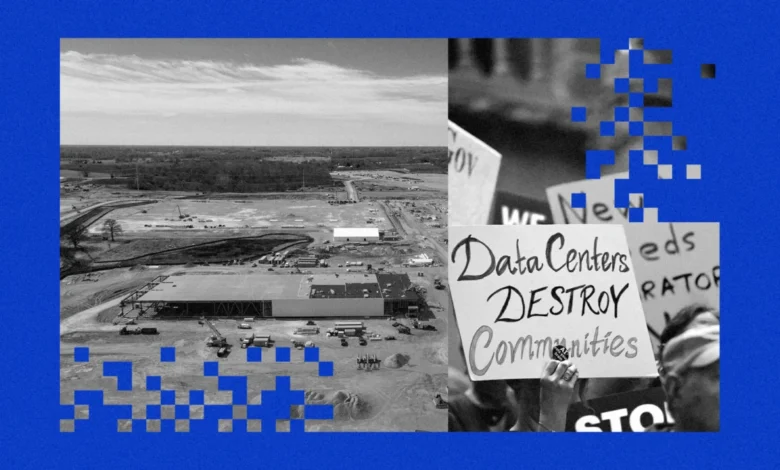
At the Lent Hill Dairy Farm in Steuben County, New York, the landscape appears typical of modern industrial agriculture. Approximately 4,000 cows reside in sprawling red barns, adjacent to a massive manure lagoon. However, the site is distinguished by two prominent, dome-like structures known as anaerobic co-digesters. These machines represent a burgeoning intersection between the traditional dairy industry and the cutting-edge technology sector. While these digesters are designed to break down organic waste to produce biogas, the energy generated at Lent Hill is not merely heating local homes or fueling farm equipment; it is powering an on-site cryptocurrency mining operation.
This facility, managed by Pennsylvania-based Ag-Grid Energy, is the first of its kind in the United States. It signals a potential shift in how the nation’s most energy-intensive industries—specifically data centers and artificial intelligence (AI) infrastructure—might source power in an era of tightening environmental regulations and strained electrical grids. As data centers currently account for nearly 5 percent of total U.S. electricity consumption—a figure projected to double by 2030—the search for "behind-the-meter" renewable energy has led tech giants to the barnyard.
The Mechanics of Waste-to-Energy
Anaerobic digestion is a biological process in which microorganisms break down biodegradable material in the absence of oxygen. At Lent Hill, the recipe includes the manure from 4,000 cows and more than 45,000 gallons of local food waste per day. The process produces biogas, primarily composed of methane and carbon dioxide. This gas can be refined into renewable natural gas (RNG), which is chemically nearly identical to conventional fossil-fuel-derived natural gas.

The appeal of RNG lies in its versatility. It can be injected into existing pipelines, used as transportation fuel, or, as seen at Lent Hill, used to generate electricity on-site via combustion engines. For data centers, which require a "five-nines" (99.999 percent) reliability rate, biogas offers a distinct advantage over intermittent renewables like solar and wind: it provides a constant, "baseload" power supply.
Rashi Akki, the founder and CEO of Ag-Grid Energy, views this model as a way to revitalize rural economies. By placing computing capacity directly on farms, the company aims to provide value to the regional area through both waste management and high-tech infrastructure. "At the end of the day, our model is providing value to the rural area that we are in," Akki stated, noting the potential for fiber-optic expansion to accompany these energy projects.
The Data Center Energy Crisis
The push for biogas is driven by a looming energy crisis in the technology sector. The rapid expansion of AI and cloud computing has triggered a massive spike in power demand. According to the Department of Energy, the U.S. data center industry is expected to require 35 gigawatts of new power by 2030. In major hubs like Northern Virginia and Santa Clara, California, the existing grid is already reaching its physical limits, leading to delays in new facility construction.
Tech giants are increasingly desperate for alternative fuel sources that do not rely on the overstressed public grid. Microsoft has already moved in this direction, partnering with Enchanted Rock in San Jose, California, to use RNG for backup data center power. Vanguard Renewables, a waste management firm backed by BlackRock, has gone as far as labeling RNG "the fuel of the AI age."
Proponents argue that RNG is a "drop-in" solution. Because it uses existing natural gas infrastructure, companies can claim they are fueling their operations sustainably without the massive capital expenditure required to overhaul their heating and cooling systems. This compatibility has formed a broad coalition of supporters, including agricultural groups, fossil fuel companies, and utility providers.
A Chronology of Subsidies and Policy Shifts
The current biogas boom is not a product of the free market alone; it is the result of decades of aggressive federal and state subsidization. Anaerobic digesters were originally touted in the 1970s and 80s as a solution to manure management, but high costs kept them from widespread adoption.
The tide turned with the introduction of programs like the California Low-Carbon Fuel Standard (LCFS), which provides lucrative credits to fuel producers who can demonstrate lower carbon intensity. Because methane is a potent greenhouse gas—roughly 80 times more effective at trapping heat than carbon dioxide over a 20-year period—capturing it from manure lagoons allows digesters to receive some of the highest credit values in the program.
Further momentum was provided by the 2022 Inflation Reduction Act, which allocated over $150 million specifically for biogas projects. Additionally, states like Michigan have approved over $100 million in private bonds for digester construction. However, this financial support has recently faced scrutiny. In early 2024, the USDA extended a moratorium on loans for anaerobic digesters following reports that 11 percent of project lenders were more than 90 days delinquent. This pause reflects growing concerns regarding the economic viability of these projects without perpetual government intervention.

Environmental and Social Implications: The "Pollution Swapping" Debate
Despite being marketed as a "green" solution, the digester-to-data-center pipeline faces fierce opposition from environmental advocates and rural residents. Critics argue that the technology facilitates "pollution swapping"—the process of reducing one pollutant while inadvertently increasing others.
Brent Kim, a researcher at the Johns Hopkins Center for a Livable Future, points out that while digesters capture methane, they do not eliminate the nitrogen and phosphorus present in manure. In fact, the digestion process can increase the concentration of ammonia, which, when spread on fields as "digestate" (the leftover liquid waste), can lead to air and water pollution.
"The reality is nuanced," Kim noted. "All else being equal, you do have a reduction in methane, but if they’re incentivizing growth in the industry, the larger herd size is going to release more methane."
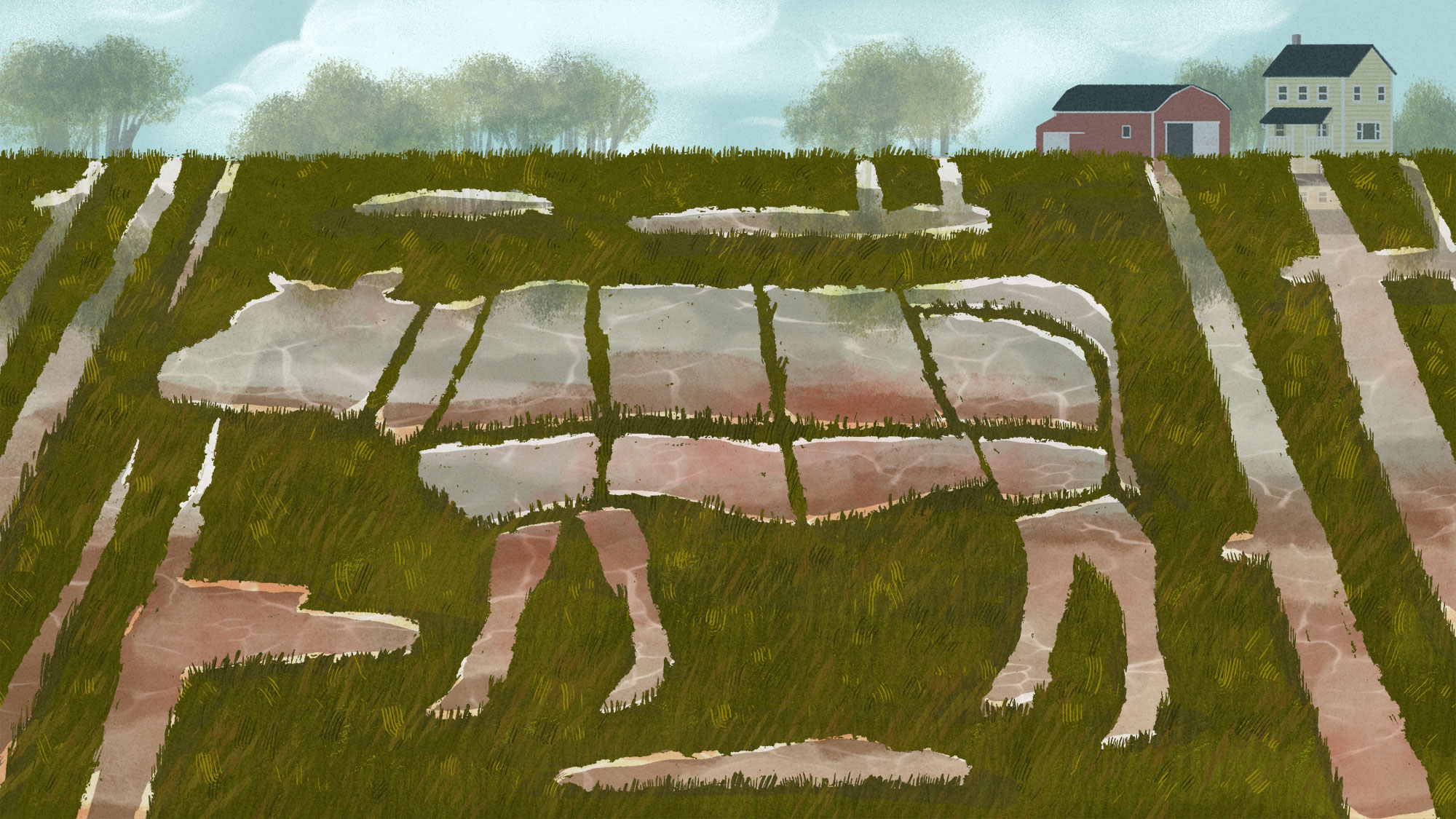
Data supports this concern. A report from Friends of the Earth found that dairy farms with digesters increased their herd sizes by 3.7 percent annually—24 times the growth rate of dairies without the technology. In Kewaunee County, Wisconsin, herd sizes surged by 58 percent following digester installations. This has led to accusations that the subsidies create a "perverse incentive," where the manure becomes more valuable than the milk, encouraging the expansion of industrial factory farms.
Community Resistance and Local Impact
For rural residents, the arrival of a co-digester often brings immediate quality-of-life concerns. In Lind, Wisconsin, community organizers Victoria Gehrke and Laurie Knutzen led a successful campaign to defeat a proposed Vanguard Renewables project in 2024. Their opposition was rooted in fears of hazardous air emissions, increased heavy truck traffic delivering industrial food waste, and potential water contamination.
"These are manure and industrial food-waste processing and biogas-producing facilities; they are not ag accessories," Gehrke explained. She characterized the trend as turning vulnerable rural communities into "sacrificial dumping grounds" for industrial waste generated by urban centers.
In Michigan, soybean farmer Lynn Henning and resident Kathy Morrison have voiced similar grievances. Morrison, who lived near a co-digester, described the odor of the leftover digestate as "unbearable," likening it to overflowing portable toilets. The shift in farming’s core purpose—from food production to waste generation for government credits—is a recurring theme among those living on the front lines of the biogas expansion.
Analysis of Future Trends
As the demand for AI-driven computing continues to escalate, the tension between energy needs and environmental preservation will likely intensify. The biogas industry currently estimates it has only tapped 10 to 15 percent of its potential market capacity in the U.S. Patrick Serfass, executive director of the American Biogas Council, believes data centers could eventually consume nearly the entire potential supply of the industry.
However, the path forward is fraught with regulatory and economic hurdles. If the federal government continues to pull back on loan guarantees due to high delinquency rates, the industry may struggle to scale. Furthermore, as researchers like Sarah D’Onofrio argue, relying on RNG may delay a more meaningful transition to truly carbon-free energy sources like geothermal, advanced nuclear, or long-duration battery storage.
The case of Lent Hill Dairy Farm serves as a microcosm of a much larger national debate. It represents a future where the digital economy is literally fueled by the waste of the industrial food system. Whether this becomes a sustainable model for the "AI age" or a lifeline for an ecologically damaging agricultural system remains to be seen. For now, the hum of the cryptomine in Steuben County continues, powered by the very waste that has long been the dairy industry’s greatest liability.