The Electrification of the American Home: Heat Pump Adoption Reaches a Historic Tipping Point

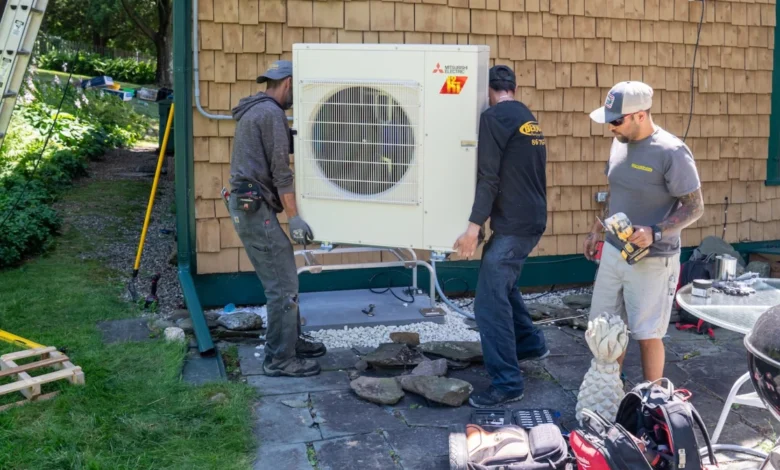
The American heating and cooling landscape is undergoing a fundamental transformation as households and developers increasingly pivot away from traditional fossil fuel combustion in favor of highly efficient electric heat pump technology. According to a comprehensive new report from the nonprofit Building Decarbonization Coalition (BDC), heat pump sales in the United States have doubled over the past 15 years, signaling a profound shift in how the nation climate-controls its living spaces. In the first quarter of 2024 alone, shipments of heat pumps outpaced those of gas-powered furnaces by a staggering 32 percent. This milestone marks the fourth consecutive year that heat pumps have outsold fossil fuel furnaces, suggesting that the "tipping point" for residential electrification is no longer a future projection but a current reality.
As the U.S. seeks to modernize its aging housing stock and meet ambitious climate targets, the heat pump has emerged as the centerpiece of the decarbonization strategy. Unlike traditional furnaces that generate heat by burning natural gas, propane, or heating oil, heat pumps utilize the principles of vapor compression and refrigerant cycles to move existing heat from one location to another. This "trick of physics" allows the units to extract thermal energy from outside air—even in frigid temperatures—and concentrate it for indoor use. In the summer months, the process reverses, with the device acting as a high-efficiency air conditioner by extracting indoor heat and venting it outside. This dual-purpose functionality provides a "two-in-one" solution that is increasingly attractive to both homeowners and large-scale developers.
The Mechanics of Efficiency: Moving Heat vs. Generating It
To understand the rapid ascent of the heat pump, one must look at the technical disparity between combustion-based systems and electric transfer systems. Traditional gas furnaces, even those rated as high-efficiency models, are limited by the laws of thermodynamics to a maximum efficiency of less than 100 percent. This means that for every unit of energy consumed, slightly less than one unit of heat is produced, with the remainder lost through exhaust flues.
In contrast, heat pumps operate with a Coefficient of Performance (COP) typically ranging between 2 and 4. This means for every single unit of electricity used to power the compressor and fans, the system delivers two to four units of thermal energy into the home. Industry experts note that this makes heat pumps at least twice as efficient as electric resistance heating—often found in baseboard heaters or "electric furnaces"—which function similarly to giant hair dryers or toasters. While electric resistance heating has a COP of 1, heat pumps leverage the ambient energy of the environment to multiply the output of the electricity they consume.
Technological advancements have also largely neutralized the historical criticism that heat pumps are ineffective in cold climates. Modern "cold-climate" heat pumps are now engineered to operate efficiently at temperatures as low as -15 degrees Fahrenheit, utilizing variable-speed compressors and specialized refrigerants to maintain performance when traditional models would have struggled. This technological leap has opened up markets in the Northeast and Midwest that were previously dominated by heating oil and natural gas.
A Chronology of Adoption and Market Evolution
The journey toward the current market dominance of heat pumps has been decades in the making, characterized by gradual technological refinement followed by a sharp acceleration in the 2020s.
- 1970s–1990s: Heat pumps were largely relegated to the American Southeast, where mild winters allowed early, less efficient models to function effectively. In the North, the technology was often dismissed as insufficient for "real" winters.
- 2010–2020: Improvements in inverter-driven compressors allowed for more precise temperature control and better performance in colder air. During this decade, sales began a steady climb, doubling as consumer awareness of energy efficiency grew.
- 2021–2023: For the first time, annual heat pump shipments exceeded gas furnace shipments. This period coincided with a surge in federal and state-level incentives aimed at reducing carbon emissions from the building sector, which accounts for approximately 13 percent of total U.S. greenhouse gas emissions.
- 2024: Data from the first quarter confirms the trend is accelerating. In the new construction sector, 46 percent of all new housing units included a heat pump, nearly equal to the 47 percent that installed forced-air furnaces (a category that includes both gas and high-consumption electric versions).
"All the trends are pointing towards increased heat pump adoption, not only versus gas, but also versus just traditional one-way air conditioning," said Kevin Carbonnier, associate director of analytics at the Building Decarbonization Coalition. He emphasized that the transition is driven by a combination of superior comfort, lower operating costs, and the simplicity of maintaining a single appliance for year-round climate control.
The Role of New Housing and Urban Development
A primary driver of the electrification movement is the boom in new residential construction, particularly in the multi-family sector. Currently, three-quarters of all new apartments in the United States are heated electrically. From a developer’s perspective, the logic is increasingly financial rather than purely environmental. If a building is designed to be all-electric, the developer can bypass the significant capital costs associated with running natural gas infrastructure to the site and through the building.
"It’s kind of becoming more of a common-sense measure to only build electric, especially with these new buildings, because the appliances are also so much more efficient," said Kristin George Bagdanov, associate director of research at the coalition. By eliminating gas lines, developers reduce construction complexity and avoid the long-term liability and maintenance of fossil fuel piping.
In the Pacific Northwest, a region often at the forefront of energy policy, the Sightline Institute recently reported that 18 percent of new apartment buildings featured heat pumps since 2010. This trend is expected to rise as both Democratic and Republican lawmakers find common ground in the need for increased housing density and lower utility burdens for tenants. Multi-family housing is increasingly viewed as a "hidden" climate solution, as it combines efficient shared walls with modern electrified HVAC systems.
Networked Geothermal: The Utility Evolution
While individual air-source heat pumps are the current market leaders, utilities are beginning to explore even more efficient large-scale solutions known as networked geothermal or "thermal energy networks." This approach leverages the stable temperature of the earth to provide a heat source or sink for an entire neighborhood.
In these systems, utilities install a network of water-filled pipes underground—using the same drilling and pipe-laying skills currently employed by gas utility workers. Because the ground temperature remains a constant 50 to 55 degrees Fahrenheit regardless of the air temperature, water-source heat pumps can operate with extraordinary efficiency. These systems can be seven to eight times more efficient than a standard gas furnace.
This model offers a potential transition path for gas utilities facing a "death spiral" of declining customers. By pivoting to thermal networks, utilities can retain their workforce and infrastructure expertise while delivering carbon-free heating and cooling. "It’s all the same skill sets: managing infrastructure systems, drilling, laying down pipe in the street," Carbonnier noted. "All the same stuff that the gas workers are already doing."
Broader Economic and Grid Implications
The shift toward heat pumps arrives at a critical moment for the American electrical grid. As the nation electrifies its transportation sector and accommodates the massive energy demands of new data centers, utilities are under pressure to manage peak loads. Ultra-efficient appliances like heat pumps are essential to this balancing act. By reducing the total amount of electricity required to heat a home compared to older electric resistance systems, heat pumps minimize the need for utilities to build expensive new power plants and transmission lines—costs that are ultimately passed on to ratepayers.
Furthermore, the conversation around energy bills is shifting. Historically, consumers were often blamed for high bills due to personal habits, such as thermostat settings. However, as public utility commissions set higher rates to cover the costs of maintaining aging fossil fuel infrastructure, the public is becoming more aware of the systemic costs of gas.
"I think for a long time individual consumers were taught that it was their fault if their bills were high," George Bagdanov said. "Now they’re learning more about how public utility commissions set rates… and we kind of saw more of a shift to the conversation being about the systems around those bills."
Conclusion: A Permanent Shift in the American Home
The data suggests that the American preference for gas heating is waning in the face of superior technology and changing economic realities. With federal incentives from the Inflation Reduction Act (IRA) providing rebates and tax credits for heat pump installations, the financial barrier to entry for existing homeowners is lowering.
The industry is no longer debating whether heat pumps will become the standard, but rather how quickly the transition will be completed. With four consecutive years of heat pumps outselling furnaces, the market has moved past the early-adopter phase and into the mainstream. As the technology continues to improve and the infrastructure for all-electric living expands, the heat pump is poised to become the definitive appliance of the 21st-century American home, offering a rare alignment of consumer comfort, economic efficiency, and environmental necessity.