Carbon County at the Crossroads: The High-Stakes Shift from Coal to Data Centers and Nuclear Energy

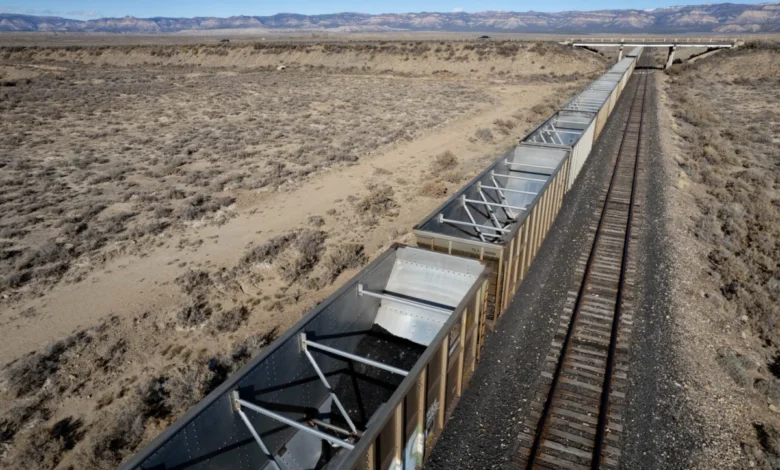
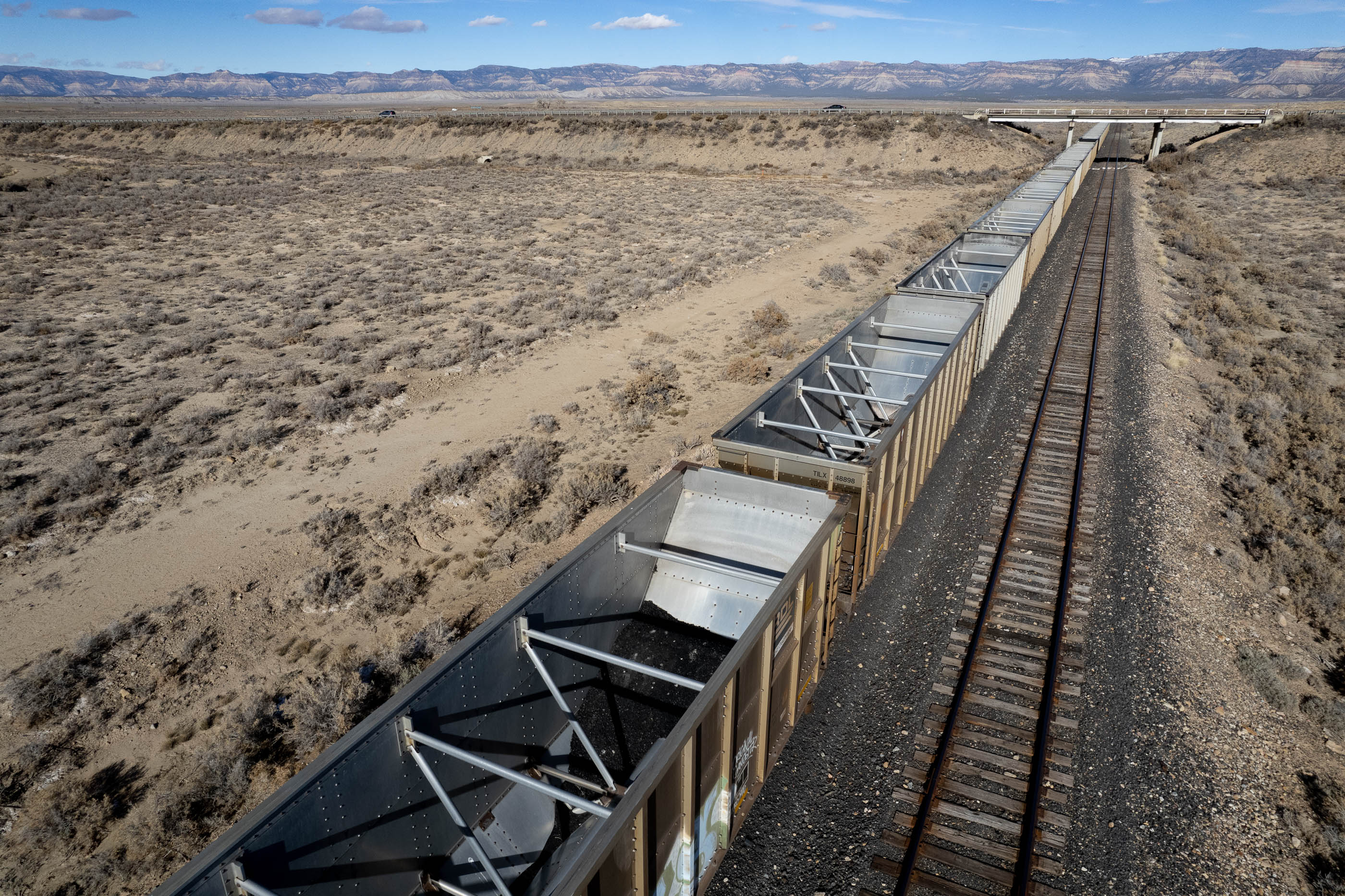
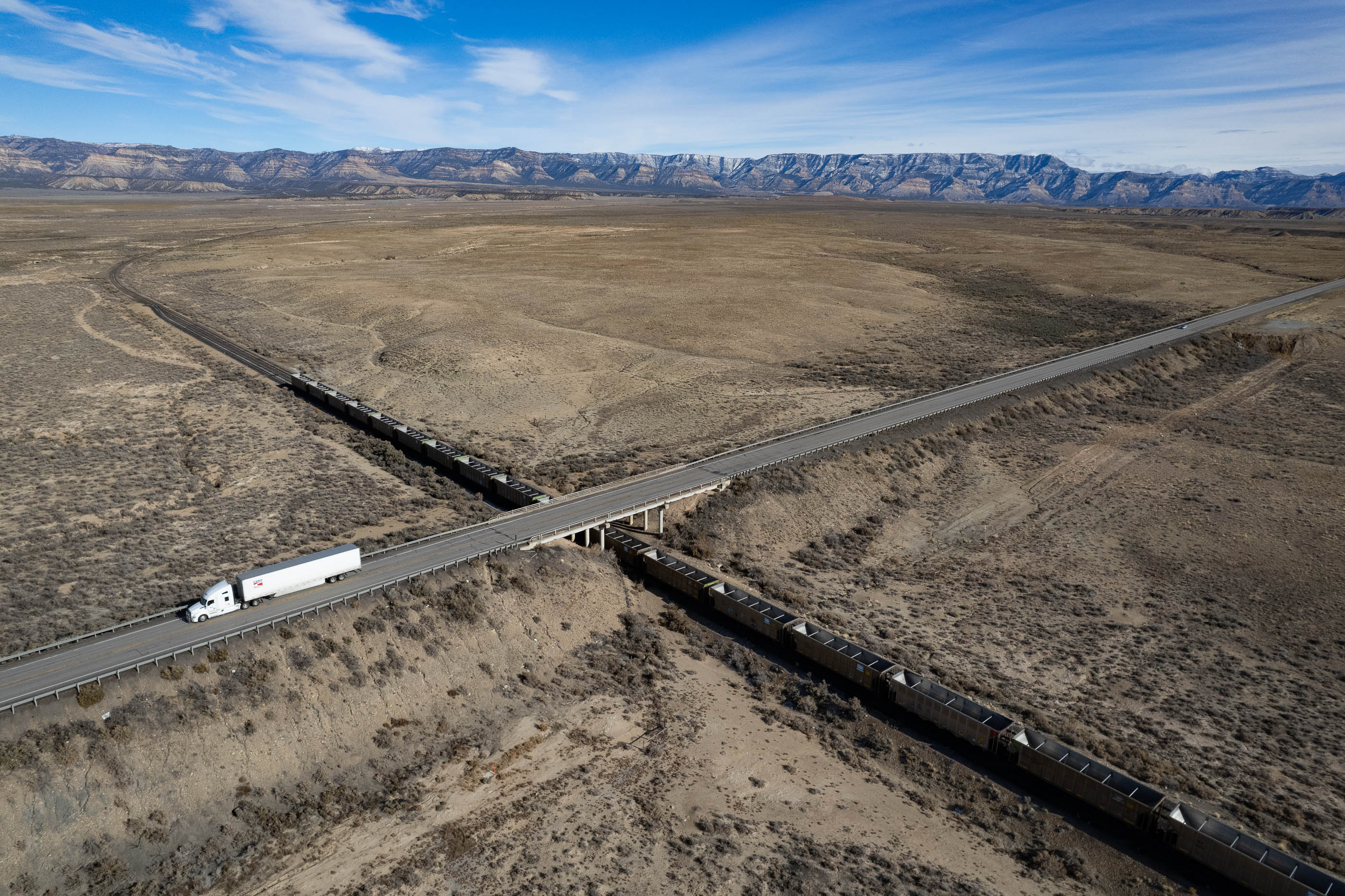
For decades, the economic heartbeat of Carbon County, Utah, pulsed in rhythm with the coal industry. Families relied on the extraction of fossil fuels for their livelihoods, accepting the inherent physical hazards—from black lung disease to mine explosions—as the price of prosperity. However, as the 21st century progressed, the confluence of shifting global energy markets, the exhaustion of local coal seams, and the rapid adoption of renewable energy sources rendered the county’s primary economic engine obsolete. Since 2023, coal production in the region has effectively ceased, leaving a void that local officials are now scrambling to fill. The solution currently being proposed is a radical industrial transformation: the integration of massive data centers powered by experimental nuclear technology and intensive natural gas infrastructure.
This transition, while presented by local leaders as an economic necessity, has sparked a volatile debate among residents. The tension pits the urgent need for tax revenue and job creation against deep-seated concerns regarding environmental safety, water scarcity, and the perceived lack of transparency in government decision-making.
The Rise of New Energy Frontiers
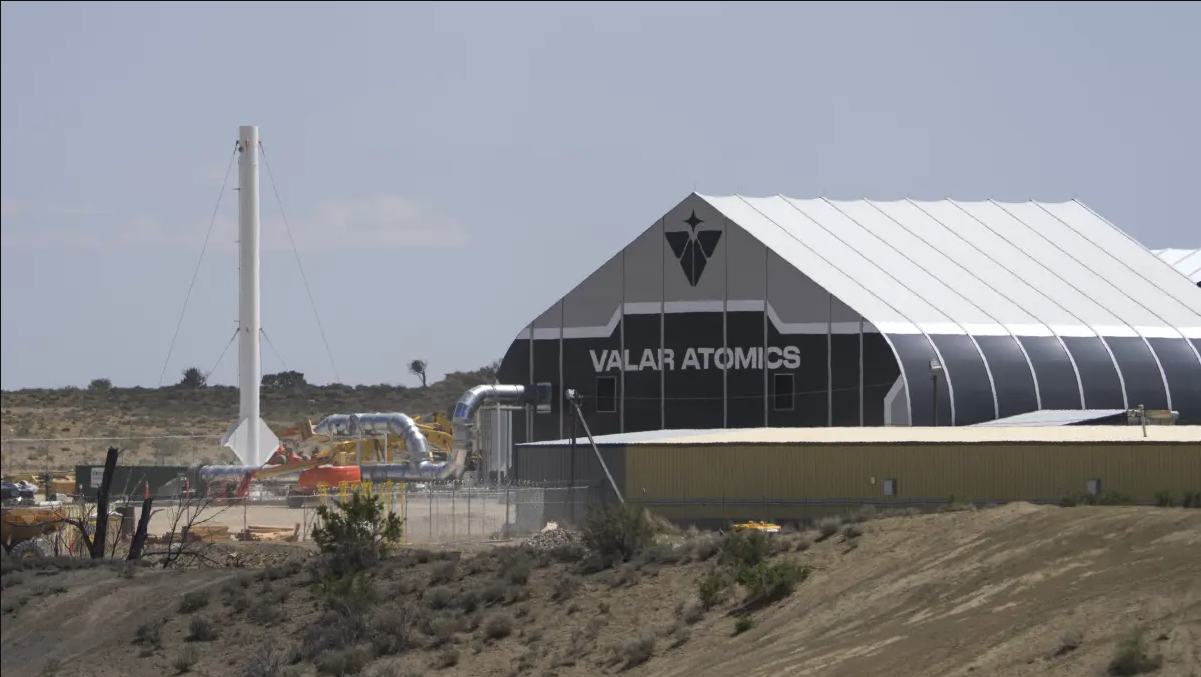
The proposed industrial pivot is defined by two major projects: "Project Beehive" and the "Jurassic Spark" complex. Project Beehive, spearheaded by the nuclear startup Valar Atomics, aims to construct a mega-complex on Bureau of Land Management (BLM) land. The scale is unprecedented, involving 456 small modular reactors (SMRs). While the technology promises to power an array of industrial activities—including the high-energy demands of artificial intelligence data centers—it remains largely untested at a commercial scale within the United States.
Simultaneously, the Jurassic Spark project, proposed by Altigen Energy, targets a 1,200-acre site east of Wellington. This project centers on a massive natural gas power plant designed to support the immense electricity requirements of modern data storage. While initial plans call for a 250-megawatt plant, local officials have noted that the site’s capacity could eventually scale to 3 gigawatts. To put this into perspective, the total electricity consumption of the entire state of Utah currently hovers around 4 gigawatts, underscoring the massive energy footprint these facilities would introduce to the rural landscape.
A Chronology of Economic and Regulatory Shifts
The path to this industrial pivot was paved by specific legislative and economic milestones. Following the total cessation of coal mining in 2023, the county faced a fiscal crisis. With the tax base shrinking, the local government found itself increasingly reliant on state support and desperate for new industrial investment.
In 2025 and 2026, the regulatory environment became increasingly favorable for private power generation. A pivotal moment occurred with the passage of Utah Senate Bill 132, which allows private entities with high energy demands—specifically those requiring 100 megawatts or more—to construct their own self-contained generating stations. This legislation effectively decoupled these massive data centers from the state’s public power grid, incentivizing developers to build dedicated gas or nuclear plants on-site.
By June 2026, the trajectory of the nuclear sector in Utah saw a significant boost when Valar Atomics achieved "self-sustaining criticality" with its Ward250 microreactor at the San Rafael Energy Lab in neighboring Emery County. This technical milestone, supported by federal and state officials, served as the catalyst for the aggressive expansion plans now being finalized in Carbon County.
The Data Center Dilemma: Heat and Water
Beyond the geopolitical and economic implications, environmental scientists have raised questions regarding the localized impact of these facilities. Data centers are notoriously thirsty and hot. While developers emphasize that their facilities will utilize "closed-loop" cooling systems, residents remain skeptical.
Robert Davies, a professor of physics at Utah State University, has highlighted the thermal risks associated with such high-density power production in a valley environment. Because Carbon County is situated within a basin hemmed in by the Wasatch Range and the Book Cliffs, the accumulation of heat from both gas-fired plants and less-efficient nuclear processes could create a "heat island" effect, exacerbating the region’s existing climate challenges.
Furthermore, water remains a point of contention. In a region where water rights are already fully allocated and climate change continues to stress the Colorado River basin, the demand for industrial-scale cooling, even in closed-loop configurations, raises alarms among agricultural stakeholders and long-term residents.
Official Stance and the Transparency Gap
The Utah Trust Lands Administration has played a central role in facilitating these projects. The agency recently finalized a lease for a square mile of state-owned land to Valar Atomics for a period of up to 100 years. The financial incentive is clear: the project is projected to generate $35 million in lease revenue over five decades, funds that are earmarked for public schools.
However, the process of securing these deals has been clouded by the use of non-disclosure agreements (NDAs). Local officials, including the Carbon County commissioners, have defended these agreements as standard practice for attracting competitive private investment. In a formal statement released in July 2026, the county argued that without such secrecy, many of these firms would simply bypass Carbon County in favor of more business-friendly jurisdictions.
This argument has done little to soothe the anxieties of community members. Critics like Cheryl Lupo, who has campaigned for a seat on the county commission, argue that the "silent majority" mentioned by current commissioners is actually a vocal opposition that has been systematically excluded from the planning process. The fear is that by the time the public learns the full extent of the environmental and safety risks, the contracts will be legally binding and irreversible.
The Legacy of Downwind Exposure
For many in Carbon County, the opposition to nuclear energy is not merely ideological; it is deeply personal. The region’s history is inextricably linked to the legacy of the Cold War, specifically the atomic testing that occurred in nearby Nevada during the 1950s. Many older residents believe that the "downwind" fallout from these tests led to generations of health issues, including increased cancer rates.
This intergenerational trauma colors the reception of Valar Atomics’ proposals. For residents like Lupo, whose family history is marked by what she attributes to radioactive fallout, the arrival of nuclear reactors is a reminder of a past that the community has struggled to overcome. The prospect of storing radioactive waste on local land—a component of the Valar project—is, for many, a non-negotiable red line.
Future Implications for Rural Development
The situation in Carbon County serves as a case study for the "green energy" transition in rural America. As the nation shifts away from traditional fossil fuels, rural areas are increasingly being viewed as prime real estate for the energy-intensive infrastructure required by AI and high-performance computing.
The core of the conflict is a question of agency: Should local communities have the power to veto major industrial projects that promise economic salvation but carry significant, long-term environmental and health risks? The current trajectory suggests that state-level policy, focused on economic development and energy independence, often supersedes local concerns.
As the "Jurassic Spark" and "Project Beehive" initiatives move toward the construction phase, the residents of Carbon County find themselves at a crossroads. They are caught between the economic stagnation left in the wake of the coal era and a future defined by experimental technologies and large-scale industrialization. For leaders, the challenge remains to balance the economic promise of these projects with the necessity of transparency and public safety. For the residents, the coming years will determine whether the price of this new era of prosperity is one they are willing to pay.