The Future of American Offshore Wind Workforce Training in the Shadow of Policy Volatility

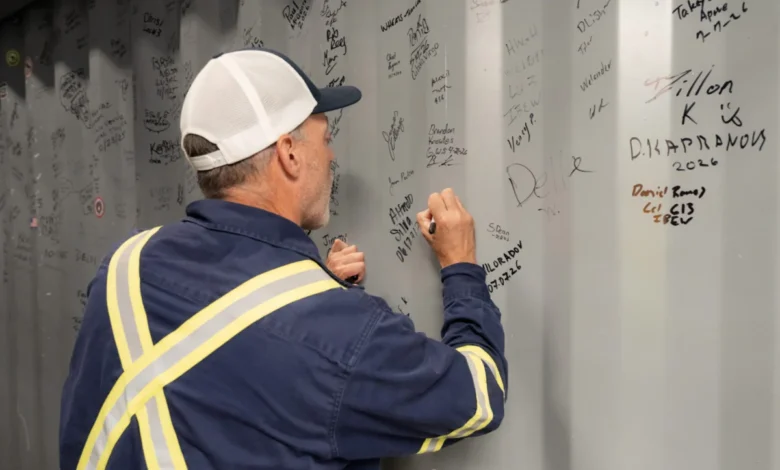
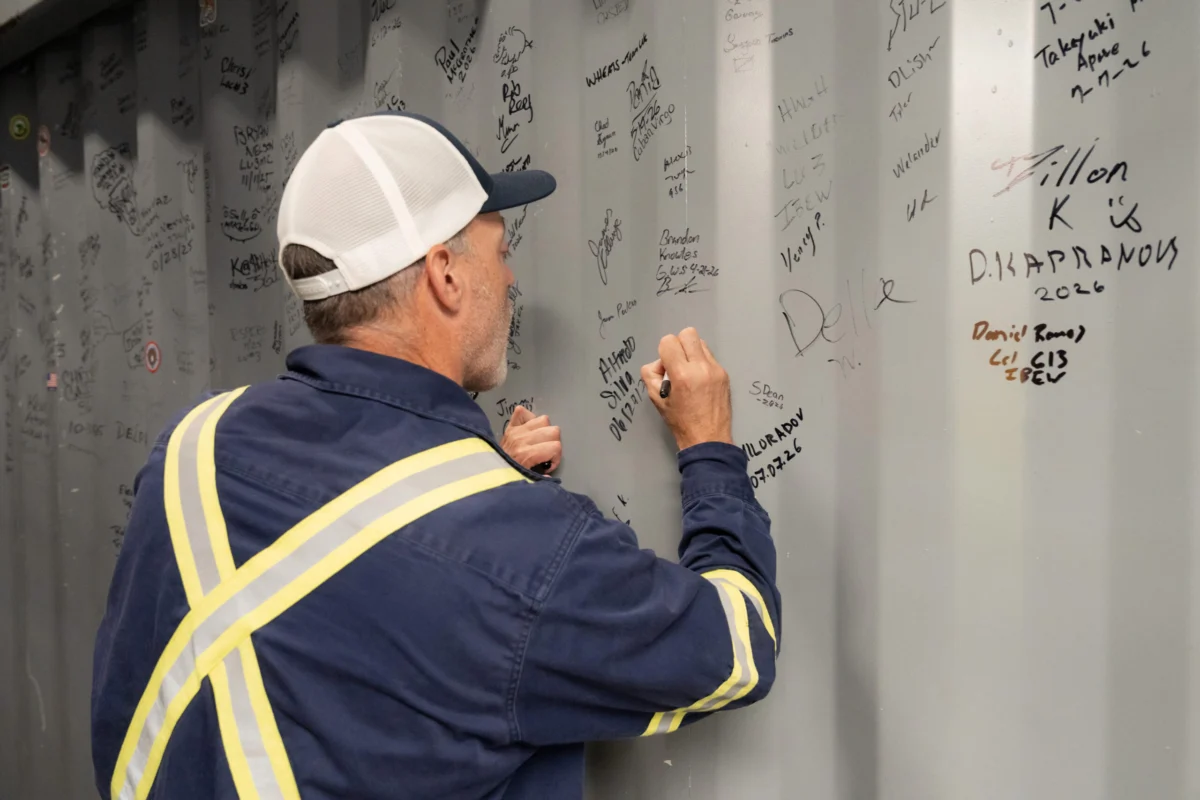
For William “Billy” Bishop, a former Navy sailor and veteran member of Local 1298, the promise of the offshore wind sector represented more than just a job; it was a career evolution. Two years ago, when the industry was flush with federal incentives and ambitious government targets, Bishop saw a path to applying his maritime expertise to the burgeoning renewable energy landscape. After completing a rigorous safety certification at the National Offshore Wind Training Center (NOWTC)—a strategic partnership between Suffolk County Community College, the Long Island Federation of Labor, and global energy developer Orsted—Bishop secured a position on the Sunrise Wind project off the coast of Long Island. Today, however, his optimism is tempered by the stark reality of a shifting political and economic climate that has stalled the very industry he trained to support.
The uncertainty facing workers like Bishop is emblematic of a broader, systemic paralysis currently gripping the U.S. offshore wind sector. What began as a high-speed sprint toward a 30-gigawatt capacity target by 2030—a goal set by the Biden administration in 2021—has encountered significant friction. The rapid transition from a nascent industry to a cornerstone of national energy policy required an estimated workforce of 77,000 individuals across manufacturing, installation, and grid maintenance. Today, those training pipelines are contracting, forcing both educators and labor advocates to reevaluate their long-term strategies in an environment defined by federal skepticism and policy reversals.
A Chronology of Policy Interruption
The trajectory of the U.S. offshore wind industry can be measured by a series of sharp, contradictory pivots. Between 2021 and 2024, federal support—manifested through tax credits, streamlined permitting, and multi-billion-dollar grants—created an ecosystem of innovation. Universities and unions rushed to build curricula, safety centers, and apprenticeship programs to meet the projected demand for specialized labor.
The momentum halted abruptly on January 20, 2025. Following his inauguration, President Donald Trump signed an executive order pausing all new leases and permit approvals for both onshore and offshore wind projects. The administration subsequently issued emergency stop-work orders for the five major projects then under construction, citing "national security concerns." While these orders were eventually challenged and overturned in federal courts, the damage to investor confidence and project timelines was profound.
Throughout 2025 and 2026, the administration systematically dismantled the economic scaffolding supporting these projects. This included the rescission of hundreds of millions of dollars in earmarked federal funding, the revocation of tax credits deemed "market-distorting subsidies," and a controversial federal buy-back program that paid developers to abandon their offshore leases. By late 2026, the contrast between the Biden-era ambitions and the current landscape could not be sharper: only about 6 gigawatts of capacity remain in operation or under construction, representing less than a third of what was previously approved.
The Economic and Technical Implications
The primary concern among industry analysts is the risk of "capital flight." When developers perceive a market as fundamentally unstable due to shifting federal policy, they reallocate their assets to more favorable jurisdictions, such as the North Sea or emerging Asian markets. Timothy Fox, managing director of ClearView Energy Partners, a Washington, D.C.-based research firm, captures the gravity of the situation: “The pendulum always swings from one president to another, but now the swings are so dramatic that the pendulum is going to fall off the clock.”
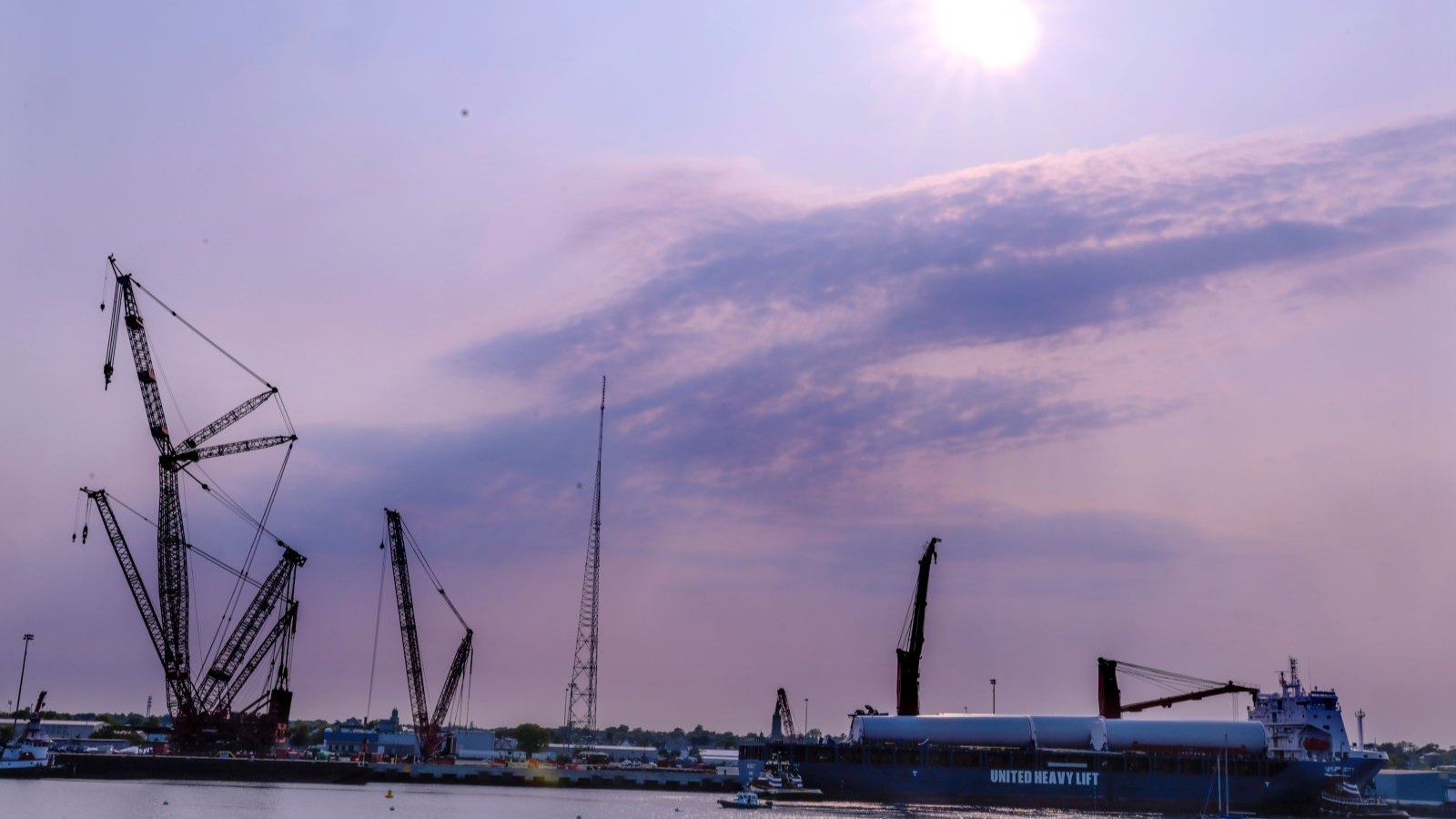
The impact on the domestic supply chain is equally concerning. The offshore wind sector requires highly specialized infrastructure—ranging from massive installation vessels to specialized pile drivers capable of handling 1,800-ton components. The indefinite hold on projects like New England Wind and SouthCoast Wind has prevented the industry from achieving the economies of scale necessary to lower costs for consumers. Without a steady pipeline of projects, the specialized labor force, once trained, may migrate to other industries, leading to a "brain drain" that will be costly to reverse should the policy climate improve in the future.
Adapting to a New Reality
Despite the political hostility, the training institutions that were built to support the wind boom are proving remarkably resilient. Rather than shuttering, these organizations are pivoting their focus toward broader energy infrastructure needs. The Offshore Wind Training Institute, funded by a $20 million investment from the state of New York and the SUNY system, is a prime example of this agility. Initially designed to churn out offshore wind specialists, the curriculum has expanded to cover high-voltage direct current (HVDC) transmission, microgrid development, and battery storage integration.
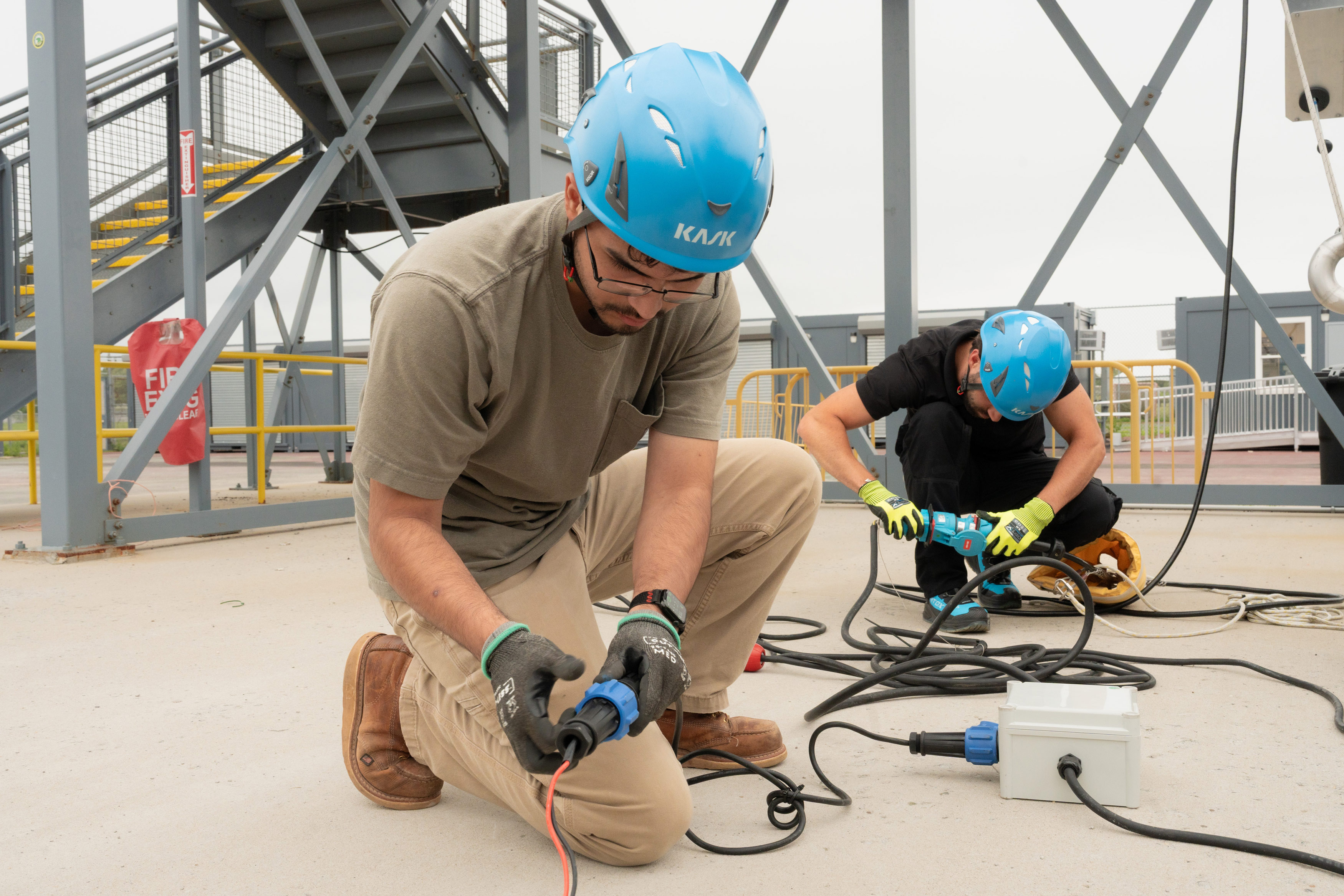
This diversification is not merely a survival tactic; it reflects a genuine need within the U.S. energy grid. According to the Bureau of Labor Statistics, wind turbine technicians and solar installers remain among the fastest-growing occupations in the country. Abby Huston, vice president of programs for the Clean Power Institute, notes that the industry’s fundamental requirement for skilled workers remains unchanged, regardless of the political rhetoric. “What we’ve found is there’s a lot more adaptation in terms of how to build workforce programs rather than closing them down, because there’s still such a huge need,” she stated.
Across the Northeast, similar adaptations are underway. In Massachusetts, the state’s Clean Energy Center has begun transitioning its portfolio toward "ocean tech," including coastal resilience monitoring and marine ecosystem health—skills that utilize the same maritime expertise previously targeted for wind installation. In Maryland, state-sponsored workforce development programs have successfully pivoted to placing workers into the aerospace and shipbuilding sectors, where the technical requirements for precision and safety mirror those of offshore wind construction.
The Human Toll and the Long-Term Outlook
For individual workers, the transition is less about strategic pivoting and more about job security. William Bishop, currently nearing the end of his work on the Sunrise Wind project, is emblematic of the "gig" nature of current offshore construction. Once the existing projects reach their conclusion in 2027, the future for these specialized laborers remains uncertain. Many, like Bishop, are renewing their certifications out of necessity, hoping that the industry remains dormant only until the next cycle of political transition.
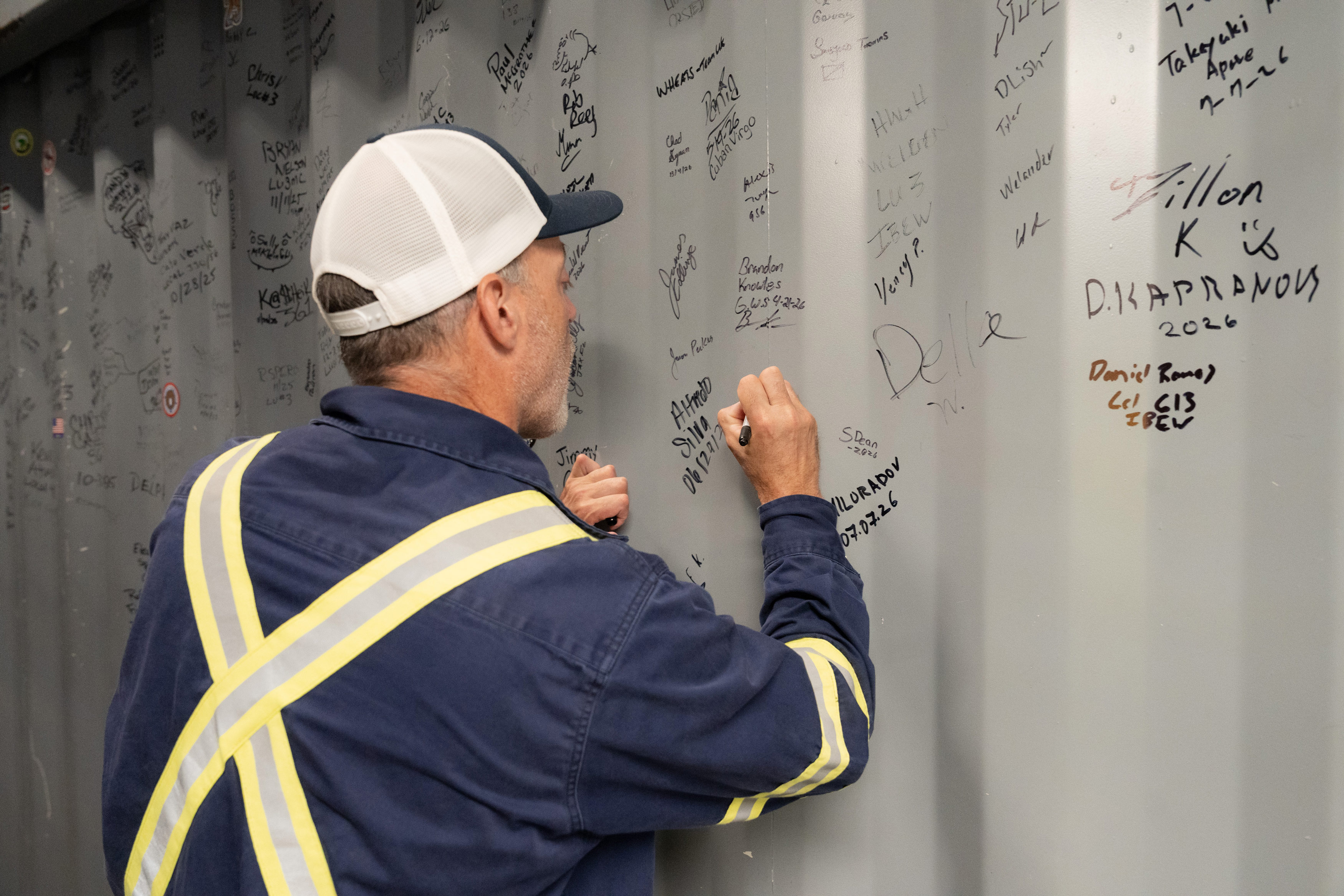
The perspective of union leadership, however, remains cautiously long-term. Roger Clayman, a director at the NOWTC and a retired leader of the Long Island Federation of Labor, maintains that the fundamental demand for energy will eventually force a return to offshore wind. “We’re not making any decisions right now,” Clayman said. “Offshore wind will be back.”
This sentiment is echoed by many in the building trades, such as John Dunderdale, business manager for the Pile Drivers Local Union 56 in Boston. While he expresses frustration over the lost momentum on projects that were ready for construction, he notes that his members’ skills remain in demand elsewhere. The tragedy, in his view, is the opportunity cost: the loss of a decade of potential growth, the dissipation of a skilled labor force, and the failure to fully capitalize on the massive infrastructure investments that were already in the pipeline.
Conclusion
The state of the U.S. offshore wind industry today serves as a case study in the consequences of policy volatility. The convergence of legal challenges, federal funding withdrawals, and administrative roadblocks has effectively halted a sector that was once projected to be a cornerstone of the national energy transition. However, the legacy of this period may not be the death of the industry, but rather the creation of a more versatile and adaptable workforce.
By broadening the focus from specific power-generation technologies to the overarching needs of the modern power grid—stability, transmission, and reliability—educational and labor institutions are ensuring that the skills developed during the wind boom do not go to waste. As the U.S. continues to face rising energy costs and the growing imperative for grid modernization, the expertise currently being honed in classrooms and labs across the country will likely prove essential, regardless of the political label attached to the energy source. For now, the industry sits in a state of suspended animation, waiting to see if the pendulum will eventually swing back toward a commitment to large-scale offshore wind development.
Related posts: