Bird Flu Surveillance Sewers 2
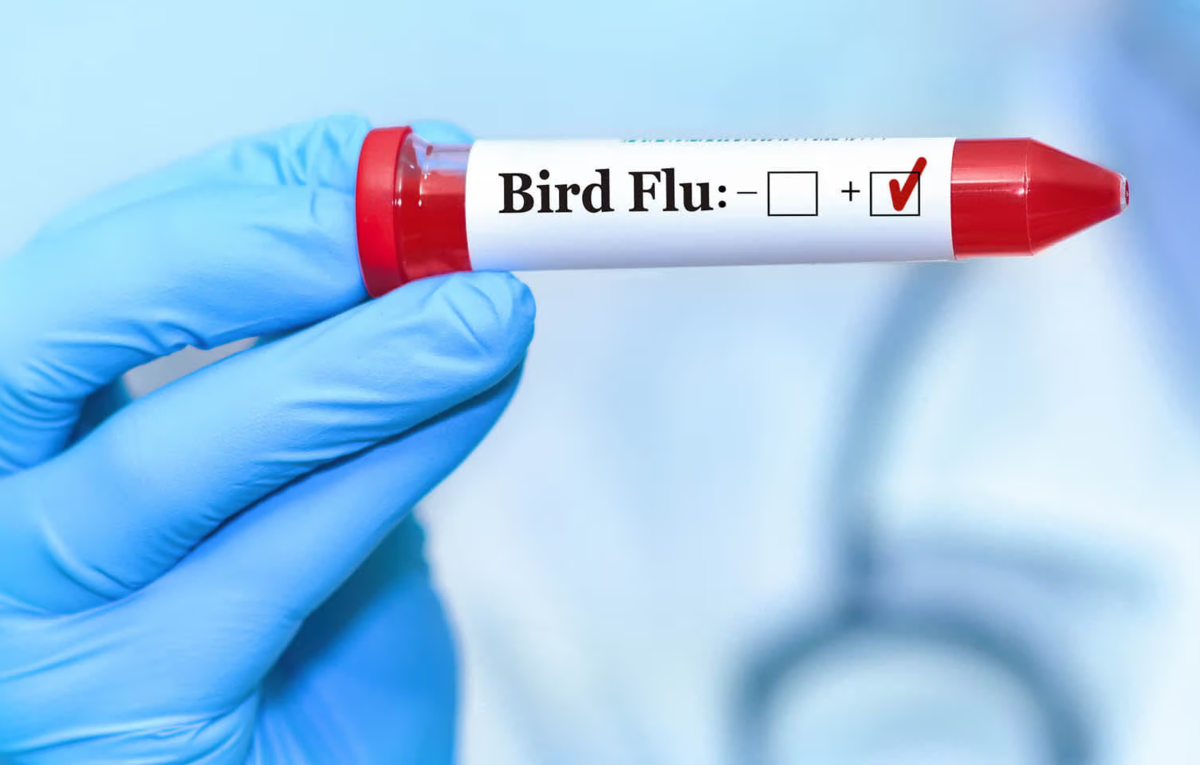
Bird Flu Surveillance in Sewers: A New Frontier in Public Health
The recent emergence and rapid spread of highly pathogenic avian influenza (HPAI) viruses, particularly H5N1, have underscored the critical need for robust and proactive surveillance strategies. While traditional methods focusing on poultry populations and wild bird migratory routes remain essential, a novel and increasingly significant approach is the utilization of wastewater surveillance, specifically within sewer systems, to detect and monitor the presence of avian influenza viruses. This method, often referred to as "sewer surveillance" or "wastewater-based epidemiology" (WBE), offers a unique, population-level insight into viral circulation, providing an early warning system that can augment existing surveillance efforts and inform public health responses. The advantages of sewer surveillance are manifold: it is non-invasive, cost-effective when scaled, and captures genetic material from a broad cross-section of the human and animal populations contributing to the wastewater stream. By analyzing samples collected from municipal sewer networks, public health agencies can identify the presence of HPAI even in areas with low reported clinical cases or asymptomatic infections, potentially detecting viral shedding by wild birds, domestic poultry, or even spillover events into mammalian populations, including humans, before widespread clinical detection.
The rationale behind employing sewer surveillance for avian influenza stems from several key observations. Avian influenza viruses, while primarily affecting birds, can shed viral RNA and sometimes live virus into feces and other excreta. When infected birds, particularly wild waterfowl and shorebirds that are major reservoirs for HPAI, frequent urban and peri-urban environments, their excreta can enter storm drains and eventually the wastewater system. Similarly, domestic poultry, if infected and shedding, can contribute to the viral load in sewer systems. Furthermore, HPAI has demonstrated a capacity for spillover into mammalian species, including domestic animals like cats and ferrets, and more recently, a concerning trend of sustained circulation in cattle, which can also contribute to viral shedding in their waste. Human infections, though rare, can also lead to viral shedding in feces. Therefore, the wastewater stream acts as a composite sample, reflecting the aggregate shedding of HPAI from diverse sources within the contributing drainage basin. Analyzing this composite sample allows for the detection of the virus’s genetic material (RNA) without the need to individually test every potential host, offering a powerful tool for early detection and tracking of viral activity.
The process of avian influenza surveillance in sewers involves several critical steps. Firstly, strategic sampling locations are identified. These typically include manholes, pumping stations, or wastewater treatment plant influents, chosen to represent specific geographic areas or population densities. The frequency of sampling can be adjusted based on the perceived risk, season (e.g., during periods of high wild bird migration), or specific events like an outbreak in a nearby poultry farm or the detection of HPAI in wild birds. Sample collection methods are designed to capture the viral RNA present in the wastewater. This can involve direct grab sampling or more sophisticated approaches like the use of passive samplers (e.g., filter devices deployed in the flow for extended periods) that concentrate viral particles from larger volumes of wastewater. These samplers are particularly useful for detecting low-level viral presence.
Once collected, the wastewater samples undergo a series of laboratory analyses to detect and characterize the avian influenza virus. The initial step often involves concentration of the virus or viral RNA from the large volume of wastewater. This can be achieved through various methods, including filtration, ultracentrifugation, or precipitation. Following concentration, RNA is extracted from the collected material. This extracted RNA is then subjected to molecular diagnostic techniques, most commonly reverse transcription quantitative polymerase chain reaction (RT-qPCR). RT-qPCR is highly sensitive and specific for detecting the genetic material of HPAI viruses. It allows for the quantification of viral load, providing an indication of the extent of shedding within the community. Further molecular analyses, such as next-generation sequencing (NGS), can be employed to determine the specific genetic lineage and subtype of the detected HPAI virus (e.g., H5N1, H5N8) and to identify potential mutations that might influence transmissibility, virulence, or zoonotic potential.
The interpretation of positive results from sewer surveillance for avian influenza is a crucial aspect of the process. A positive detection does not necessarily indicate a human outbreak or widespread animal infection. It signifies the presence of viral RNA in the wastewater, which could originate from various sources. Public health authorities must consider the context of the detection, including the sampling location, the detected viral load, the genetic characteristics of the virus, and the prevalence of HPAI in local bird and animal populations. A single low-level positive result might prompt increased monitoring or targeted sampling in the suspected drainage area. Conversely, repeated high-level detections, or the identification of specific genetic markers associated with increased zoonotic risk, would trigger more immediate and robust public health responses, including enhanced clinical surveillance, contact tracing if human cases are suspected, and increased biosecurity measures for poultry and other susceptible animals.
The application of sewer surveillance for avian influenza extends beyond simple detection; it is a valuable tool for understanding viral epidemiology. By analyzing samples from different points in the sewer network, public health officials can map the geographic distribution of viral shedding. This spatial resolution can help pinpoint areas with higher viral activity, allowing for targeted interventions. For instance, if HPAI is detected in a specific sewer shed that drains a region with significant wild bird habitats or poultry operations, it can direct surveillance efforts and biosecurity measures to those areas. Furthermore, temporal trends in viral detection can provide insights into the seasonality of HPAI circulation, the impact of control measures, or the potential for viral reintroduction. Longitudinal monitoring allows for the assessment of changes in viral prevalence over time, providing early signals of emerging threats.
The integration of sewer surveillance into existing avian influenza surveillance frameworks is paramount for its effectiveness. It should not be viewed as a standalone solution but as a complementary tool that enhances the sensitivity and timeliness of detection. By correlating sewer surveillance data with information from traditional surveillance programs (e.g., reports of dead wild birds, outbreaks in commercial poultry, and diagnosed animal cases), a more comprehensive picture of HPAI circulation can be developed. This integrated approach allows for a more informed risk assessment and the implementation of timely and targeted public health and animal health interventions. Collaboration between public health agencies, environmental agencies, and wastewater utilities is essential for the successful implementation and sustainability of such programs.
Challenges and limitations exist in avian influenza sewer surveillance. One significant challenge is the potential for viral degradation in the environment. While RNA is relatively stable, prolonged exposure to wastewater conditions (e.g., high temperatures, microbial activity, presence of inhibitors) can lead to RNA fragmentation, making detection more difficult. Therefore, sample handling and storage protocols are critical. Another challenge is the interpretation of low-level detections, as it can be difficult to distinguish between genuine low-level shedding and background environmental contamination. Furthermore, the presence of inhibitors in wastewater can interfere with RT-qPCR assays, requiring careful optimization of extraction and amplification protocols. The genetic diversity of avian influenza viruses also presents a challenge, as surveillance assays must be designed to detect a broad range of relevant strains. Finally, the capacity for advanced molecular characterization, such as whole-genome sequencing, is crucial for understanding the evolutionary trajectory of the virus, but requires specialized expertise and infrastructure.
Despite these challenges, the potential benefits of avian influenza sewer surveillance are substantial. It offers an early warning system for the emergence or re-emergence of HPAI, allowing for more proactive and effective public health responses. This is particularly important given the potential for HPAI viruses to evolve and adapt, posing a threat to both animal and human health. The ability to detect viral shedding from a diverse range of sources, including wild birds, domestic animals, and potentially humans, makes it an invaluable tool for understanding the complex epidemiology of these viruses. As HPAI continues to circulate globally, and with the ongoing concern of zoonotic spillover, investing in and expanding sewer surveillance programs for avian influenza is a prudent and necessary step in safeguarding public health and preventing future pandemics. The continuous refinement of methodologies, advancements in laboratory technologies, and strengthened inter-agency collaborations will further enhance the utility and impact of this innovative surveillance approach. The data generated from sewer surveillance can inform decisions on resource allocation for targeted testing, vaccination strategies for susceptible animal populations, and public awareness campaigns regarding biosecurity and early symptom recognition. Ultimately, the proactive application of sewer surveillance for avian influenza represents a significant evolution in our ability to detect and respond to emerging infectious disease threats.






:max_bytes(150000):strip_icc()/brides-laughing-wedding-toast-abby-jiu-photography-twitter-0623-b47ca1cff87e405fbf9d645e75f5d2f6.jpg)

