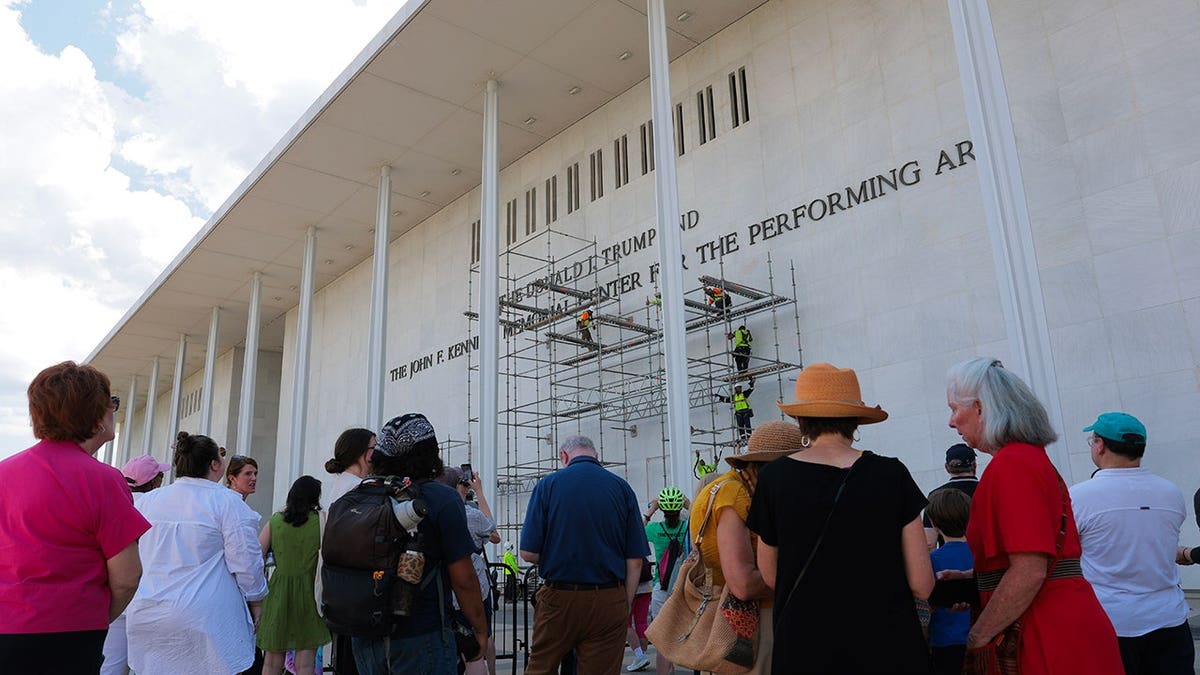
Construction crews in Washington, D.C., have begun removing President Donald Trump’s name from the exterior facade of the John F. Kennedy Memorial Center for the Performing Arts. This physical deconstruction follows a decisive federal appeals court ruling that denied a last-minute emergency request to preserve the signage. The legal defeat marks a major setback for the administration’s broader ongoing campaign to affix the president’s name to prominent federal landmarks across the nation’s capital.
The removal operation commenced under heavy media scrutiny, drawing crowds of onlookers and journalists to the banks of the Potomac River. Scaffolding was erected around the controversial lettering, which had been added to the building’s facade following a unanimous vote by a newly reshaped, Trump-appointed board of trustees in December. However, federal judges repeatedly intervened, ruling that the executive branch overstepped its bounds and that only an act of Congress possesses the legal authority to officially alter the designation of the historic cultural institution.
The unfolding controversy has ignited a broader, fierce debate on Capitol Hill regarding executive power, the utilization of public funds for self-promotion, and the ethics surrounding the naming of public infrastructure after living political figures.
Legislative Pushback and Bipartisan Concerns
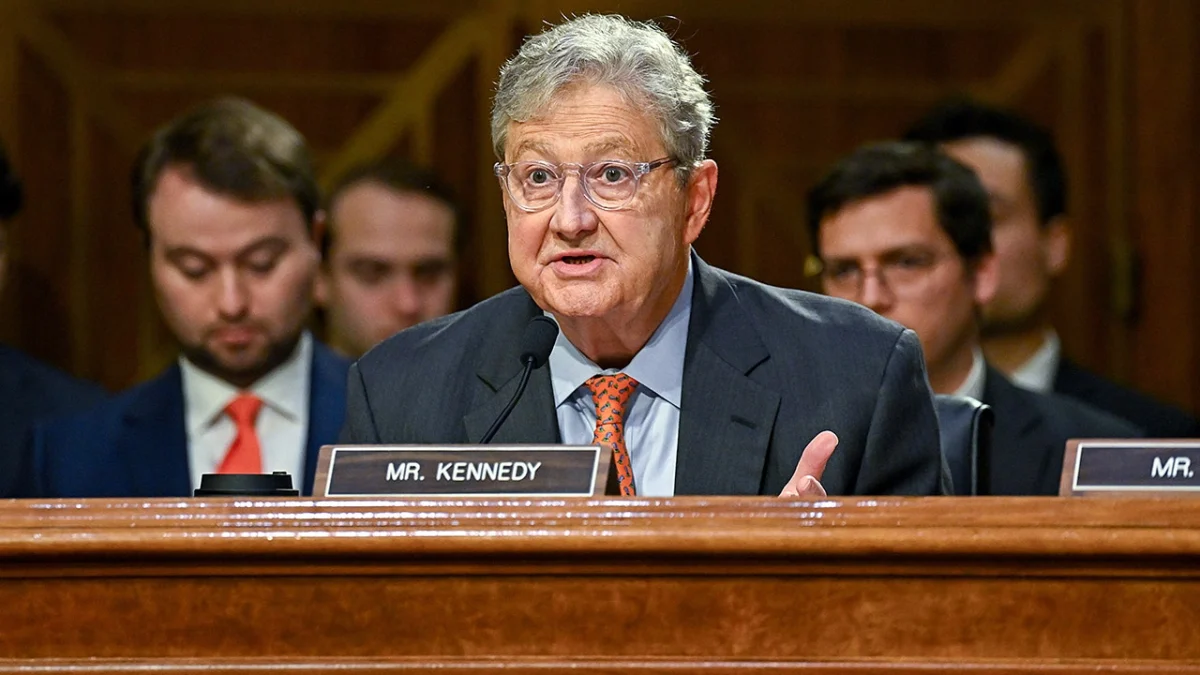
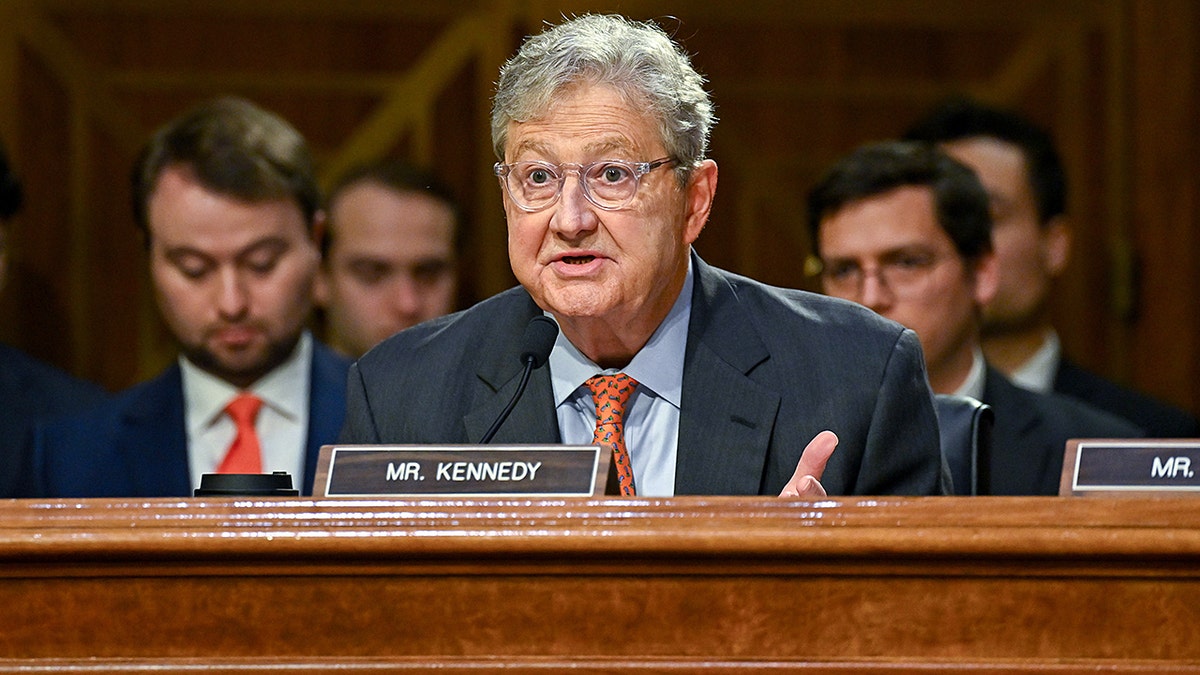
The controversy intensified over the weekend when Senator John Kennedy, R-La., publicly voiced his opposition to naming federal buildings after sitting politicians. Appearing on CBS News’ "Face the Nation," the Louisiana senator argued that living public officials should be strictly barred from capitalizing on federal infrastructure for personal legacy building or promotional advertisement.
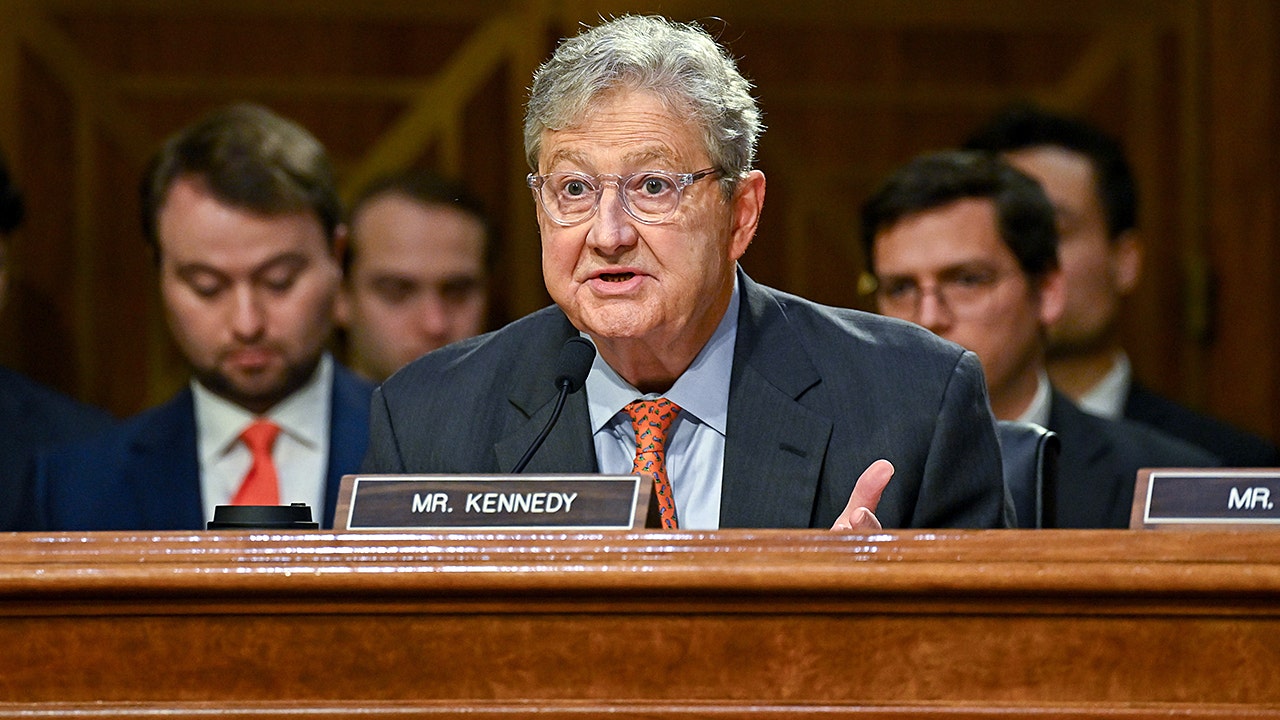
"I may end up with a sombrero on my head, but I also think we ought to have a rule that no politician can have a building named after him when he’s alive," Kennedy told host Margaret Brennan, invoking a lighthearted reference to a past social media clash in which the president mocked Democratic congressional leadership using AI-generated imagery.
Kennedy elaborated on his core objection, emphasizing that taxpayer money must not be funneled into projects designed primarily to boost an individual politician’s public image. He noted that while the White House views the initiatives through a different lens, fiscal and institutional boundaries must be respected. "You can’t spend public money to promote yourself," Kennedy stated, signaling that legislative remedies might be introduced in the Senate to codify these prohibitions into federal law.
Chronology of the Kennedy Center Renaming Controversy
The saga surrounding the nation’s cultural center dates back to late last year, culminating in a swift series of legal battles and administrative changes:
- December: Following sweeping board appointments, a newly constituted, Trump-led board of trustees holds a unanimous vote to incorporate the president’s name into the official title of the institution, modifying it to the Donald J. Trump and John F. Kennedy Memorial Center for the Performing Arts.
- Late December: Scaffolding goes up, and construction crews rapidly affix large exterior signage featuring the president’s name onto the building’s facade, prompting immediate pushback from preservationists, historical societies, and congressional Democrats.
- Early 2026: Parallel controversies emerge as structural concerns plague the facility. The Kennedy Center’s ceiling experiences a partial collapse, prompting the administration-aligned board to push for an immediate, controversial two-year closure citing safety and financial hurdles.
- Spring 2026: A federal district judge issues an injunction ordering the removal of the new signage, ruling definitively that the historic name given by Congress in 1964 cannot be unilaterally changed by executive appointees or board fiat without statutory authorization from Capitol Hill.
- June: The Trump-led board files an emergency appeal seeking to halt the injunction. A federal appeals court denies the request, paving the way for the immediate physical removal of the President’s name from the building.
A Wider Campaign to Rename Federal Landmarks
The legal skirmish over the Kennedy Center is not an isolated incident. Since returning to the Oval Office, President Trump has actively pursued a widespread initiative to rename several high-profile federal buildings, transportation hubs, and monuments across Washington, D.C., and neighboring jurisdictions.
Among these efforts, the State Department moved last year to add the president’s name to the exterior of the U.S. Institute of Peace. That effort faced immediate judicial resistance when former institute officials, who had been dismissed by the incoming administration, filed a series of emergency court motions to block construction crews from altering the facility’s identity.
Furthermore, earlier this year, the president tied federal funding negotiations to proposals for renaming iconic transit arteries, suggesting that major transportation hubs such as New York’s historic Penn Station and Dulles International Airport in the Washington metropolitan area should carry his moniker.
In addition to renaming existing structures, the administration has floated new architectural concepts, including a proposed promenade intended to connect the rear of the Lincoln Memorial to the Potomac River. Allies of the president suggested naming the waterfront project the "Trump Promenade," a concept the president himself acknowledged during a press briefing, remarking, "They want to call it the Trump Promenade, but I don’t know if I want to do that, but it’s going to be beautiful."
Constitutional and Legal Implications
Legal scholars and constitutional experts point out that the ongoing disputes highlight fundamental separations of powers enshrined in the United States Constitution. Under the U.S. Code, many federal buildings and cultural institutions are explicitly established and named by acts of Congress. Consequently, attempts by executive branch agencies, presidential appointees, or independent federal boards to bypass the legislative branch are fundamentally vulnerable to judicial review and injunctions.
Federal judges presiding over these cases have repeatedly leaned on the principle of statutory originalism, determining that executive overreach cannot override congressional mandates regarding the naming of national monuments and cultural assets. When the federal appeals court rejected the Kennedy Center board’s emergency appeal, it reaffirmed the bedrock legal standard that federal property stewardship remains tethered strictly to statutory boundaries established by lawmakers.
Public Reaction and Broader Political Fallout
The physical removal of the letters from the Kennedy Center has elicited polarized responses from across the political spectrum. Supporters of the president view the legal challenges and subsequent removal as an act of political hostility driven by institutional resistance to a transformative executive agenda. They argue that the board acted within its corporate governance rights to honor a sitting president who championed national renewal and infrastructure revitalization.
Conversely, critics and defenders of historical preservation praise the court rulings as essential victories for the rule of law and the preservation of national bipartisan landmarks. Named originally in honor of the assassinated 35th president, John F. Kennedy, the center has long stood as a bipartisan monument to the performing arts, receiving federal subsidies and private philanthropic support under the stewardship of successive administrations from both parties.
As workers continue dismantling the disputed signage outside the cultural center, the broader political debate shows no signs of abating. With lawmakers like Senator Kennedy proposing statutory frameworks to ban the naming of public assets after living officials, the intersection of executive legacy-building and congressional oversight is poised to remain a contentious flashpoint in federal governance for the foreseeable future.
Related posts: