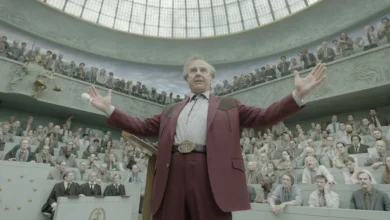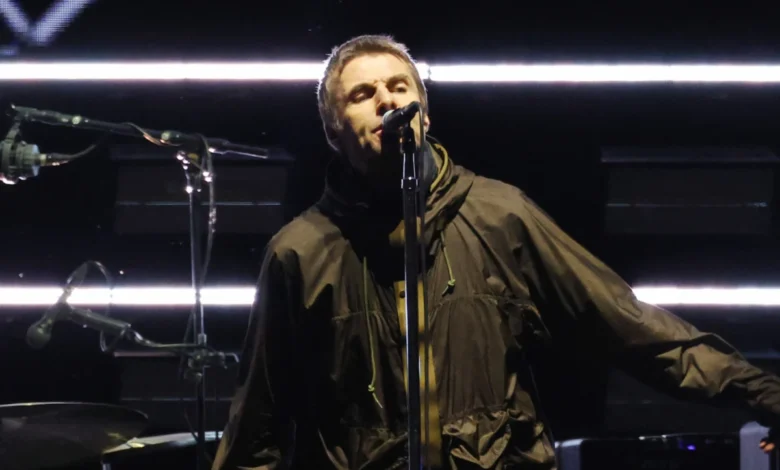
The electric atmosphere of the FIFA World Cup final, a spectacle that captivates billions worldwide, was punctuated by a halftime show that, for some, proved more jarring than exhilarating. While the clash between Spain and Argentina reached its pivotal midpoint on Sunday night, a constellation of global music icons took to the stage for a performance that left Oasis frontman Liam Gallagher decidedly unimpressed. His blunt assessment, shared via the social media platform X (formerly Twitter), described the elaborate production as akin to "a bad trip," a sentiment that resonated with a segment of viewers who found the eclectic lineup and energetic performances overwhelming. The show featured a diverse array of talent, including Madonna, Justin Bieber, Shakira, BTS, Burna Boy, composer Gustavo Dudamel, and even a surprise appearance by the Muppets, all converging to entertain the massive stadium audience and a global television viewership estimated to be in the hundreds of millions.
A Star-Studded Spectacle Amidst Global Sporting Drama
The FIFA World Cup final, the culmination of a month-long global tournament, is not just a sporting event; it’s a cultural phenomenon. This year’s finale, contested between the formidable forces of Spain and Argentina, held the world in suspense. Amidst the high stakes and intense emotions of the match, the halftime show aimed to provide a moment of diversion and celebration, bringing together a diverse roster of international entertainers. The inclusion of artists spanning multiple genres and generations was intended to appeal to a broad demographic, reflecting the global reach of both the World Cup and the artists themselves. However, the sheer variety and the rapid-fire nature of the performances, as described in the original report, seem to have been a key factor in Gallagher’s strong reaction.
Gallagher’s Scathing Critique: A "Spiritual Socks" Defense
Liam Gallagher, a musician known for his candid and often provocative public persona, did not hold back in his assessment of the halftime entertainment. He took to X to express his dismay, stating, "This is like a bad trip." He elaborated on his feelings, adding, "It’s a good job I’ve got my spiritual socks on or that halftime entertainment could have tipped me over the edge." This colorful analogy suggests that Gallagher found the performance disorienting and potentially unsettling, requiring a form of personal fortitude to endure. His comment, posted on July 19, 2026, reflects a consistent pattern of outspoken commentary from the singer regarding major sporting events, particularly those involving his native England.
A Chronology of the Halftime Extravaganza
The halftime show itself was a meticulously planned, multi-faceted production designed to maximize impact within the limited timeframe. The performance commenced with a commanding presence from pop legend Madonna. She embarked on a journey through the New York New Jersey Stadium’s subterranean network, a journey facilitated by a golf cart driven by iconic Brazilian football figures Ronaldo and Ronaldinho. Madonna delivered a potent two-song set, featuring a reimagined rendition of her 2000 chart-topper "Music" and her latest single, "Danceteria," from her recently released album, Confessions II. This opening act set a high bar for the subsequent performances.
Following Madonna’s energetic opening, the globally recognized K-pop sensation BTS made a brief but impactful appearance, offering a snippet of their infectious hit "Dynamite." This segment was seamlessly integrated with a narrative element, as actor Jason Sudeikis reprised his beloved character, Coach Ted Lasso, from the popular television series of the same name. Accompanied by his loyal assistant, Coach Beard (portrayed by Brendan Hunt), Sudeikis delivered a motivational speech that transitioned into a performance by pop superstar Justin Bieber. Bieber then captivated the audience with his rendition of "Everything Hallelujah."
The musical tapestry continued to weave with the vibrant sounds of Shakira and Burna Boy, who presented their track "Dai Dai." Adding a touch of youthful innocence and community spirit, the PS 22 Chorus, a renowned choir composed of fourth and fifth graders from a Staten Island public elementary school, took the stage. They performed a song titled "We Dance," a composition penned by Coldplay, with frontman Chris Martin making a special guest appearance to join the young singers. This diverse lineup, moving from established global superstars to emergent young talent and even fictional characters, aimed to create a unique and memorable halftime experience.
The Shadow of England’s Defeat and "Wonderwall"
Gallagher’s strong reaction to the halftime show can arguably be contextualized by the preceding events of the tournament, particularly England’s semi-final defeat. The Oasis anthem "Wonderwall" had unexpectedly become the unofficial soundtrack to England’s World Cup campaign, with Gallagher himself actively promoting its connection to the team’s aspirations. His pre-match tweet, "Cmon England cmon Wonderwall," underscored the deep emotional investment he, and many fans, had in the team’s success. The subsequent loss, which paved the way for Argentina’s advancement to the final against Spain, likely left Gallagher and a significant portion of the English fanbase disappointed. It is plausible that his critique of the halftime show was amplified by this lingering sense of sporting disappointment, making him more critical of any perceived spectacle that detracted from the core footballing drama.
Oasis Documentary Signals a New Chapter
Beyond his World Cup commentary, Liam Gallagher is also navigating a period of renewed interest in his legacy. Oasis is set to release Don’t Look Back in Anger, a documentary chronicling the often-turbulent relationship and eventual reunion of the Gallagher brothers. This film, initially shelved, is a significant release for fans of the iconic band. Produced by Steven Knight, the mastermind behind Peaky Blinders, and directed by Dylan Southern and Will Lovelace, the documentary is slated for an IMAX and cinema release in September, followed by its arrival on streaming platforms Hulu and Disney+. This upcoming release adds another layer to Gallagher’s current public profile, placing him at the center of both contemporary discourse and retrospective appreciation of his musical career.
The Broader Implications of Halftime Entertainment
The FIFA World Cup halftime show is more than just a musical interlude; it’s a platform that reflects evolving trends in entertainment and global cultural exchange. The inclusion of artists like BTS and Burna Boy alongside Western pop giants highlights the increasing globalization of the music industry and the World Cup’s role as a stage for diverse artistic expression. The use of beloved fictional characters, such as the Muppets and Coach Lasso, further demonstrates a trend towards multimedia integration in live performances, aiming to connect with audiences through various cultural touchstones.
However, the varied nature of such productions also presents challenges. As Liam Gallagher’s reaction illustrates, a highly eclectic lineup can be polarizing. While intended to cater to a wide audience, it risks alienating viewers who may not connect with certain artists or performance styles. The success of such shows often lies in their ability to create a cohesive narrative or thematic throughline that ties disparate elements together. In this instance, the rapid transitions and the sheer volume of performers may have prevented a unified experience for all viewers.
The financial investment in these halftime shows is also considerable, reflecting the immense commercial value of the World Cup. Sponsors and organizers seek to maximize engagement and brand visibility, leading to elaborate productions that often push the boundaries of live entertainment. The ongoing debate about the optimal balance between musical artistry, spectacle, and the core sporting event itself is likely to continue as the World Cup evolves. For artists like Gallagher, who often champion a more raw and direct form of musical expression, such polished and diverse performances can sometimes feel disconnected from the visceral energy of the sport.
The FIFA World Cup final halftime show remains a complex and often debated aspect of the tournament. While it offers a unique opportunity to showcase global talent and unite audiences through shared entertainment, its success is ultimately subjective, depending on individual preferences and expectations. Liam Gallagher’s strong reaction serves as a reminder that even amidst the grandest of spectacles, artistic taste and personal interpretation will always play a significant role in how such events are perceived. The challenge for organizers will continue to be crafting a performance that resonates broadly while remaining true to the spirit of the global game.