The Global Scientific Diaspora: How International Institutions are Building a Digital Ark to Preserve Climate Data Amid Political Upheaval

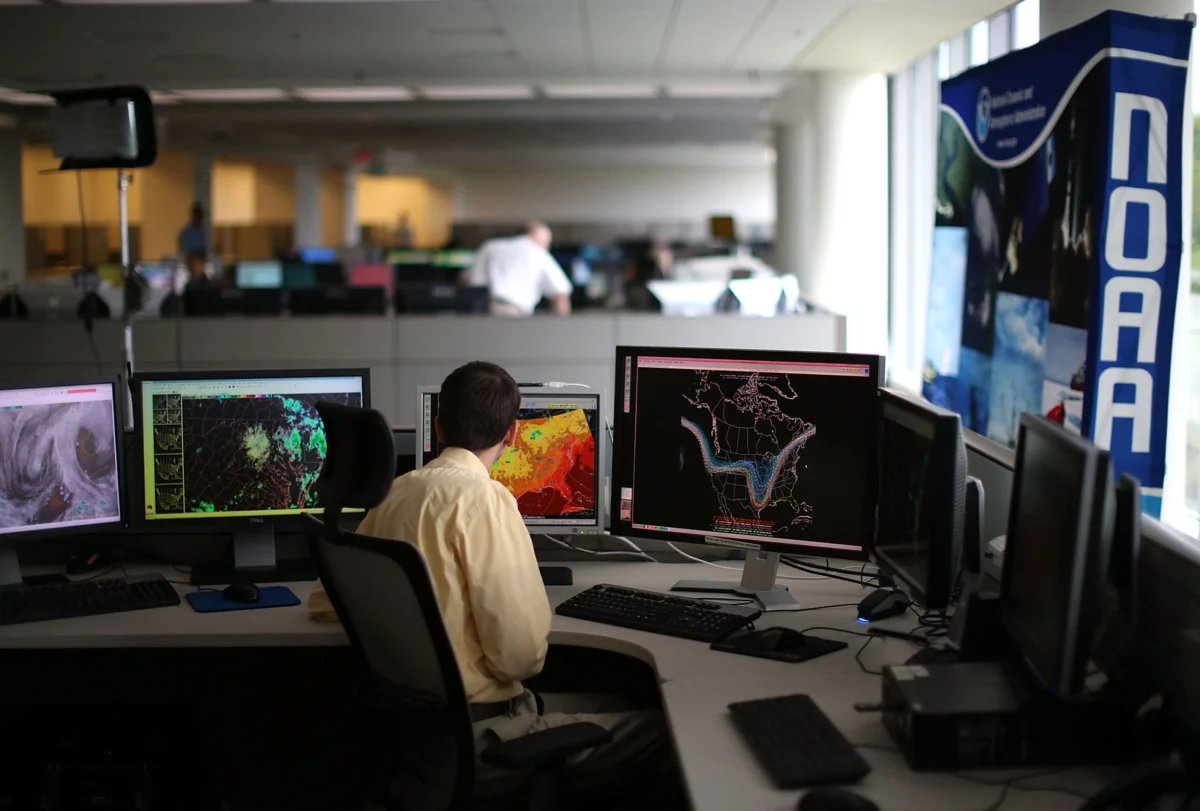
In a nondescript, five-story facility in the heart of Hamburg, Germany, technicians are carefully installing rows of gray metal server racks. This expansion at the German Climate Computing Center (DKRZ) is not merely a routine hardware upgrade; it is a critical defensive measure in an emerging global effort to safeguard the integrity of climate science. As these new racks come online, they will house approximately 5 petabytes of redundant data—adding to an existing repository of 254 petabytes. Each petabyte is a staggering volume, capable of holding roughly 200 million high-resolution images. However, the data being funneled into these drives is far more consequential than photographs: it is the primary evidence for the future of the planet.
This operation, known as CMIP7-ark, acts as a high-tech lifeboat for U.S.-generated climate simulations slated for the seventh assessment report of the United Nations Intergovernmental Panel on Climate Change (IPCC), due in 2029. The urgency of this mission stems from a rapidly deteriorating relationship between the current U.S. presidential administration and the federal scientific establishment. Following a series of aggressive policy shifts, including the systematic removal of climate references from government websites, the burial of peer-reviewed reports, and the slashing of research budgets, international scientific bodies have concluded that the U.S. is no longer a guaranteed custodian of its own taxpayer-funded climate data.
A Chronology of Scientific Erosion
The erosion of trust in American scientific institutions did not occur overnight. It represents a culmination of targeted efforts to undermine empirical climate research that began early in the current administration’s term.
In early 2025, the U.S. government took the unprecedented step of formally withdrawing from both the IPCC and the U.N. Framework Convention on Climate Change. This geopolitical pivot was swiftly followed by domestic administrative actions. By April 2025, the Department of Government Efficiency, led by figures aligned with the administration, took aim at the Socioeconomic Data and Applications Center (SEDAC). Managed by NASA, SEDAC served as a vital bridge between Earth-science observations and social-science data, such as poverty metrics and infrastructure health. In a move that shocked the global research community, the center’s datasets were scrubbed from active servers, forcing an emergency international effort to scrape and migrate the information to the Harvard Dataverse Repository before it could be lost permanently.

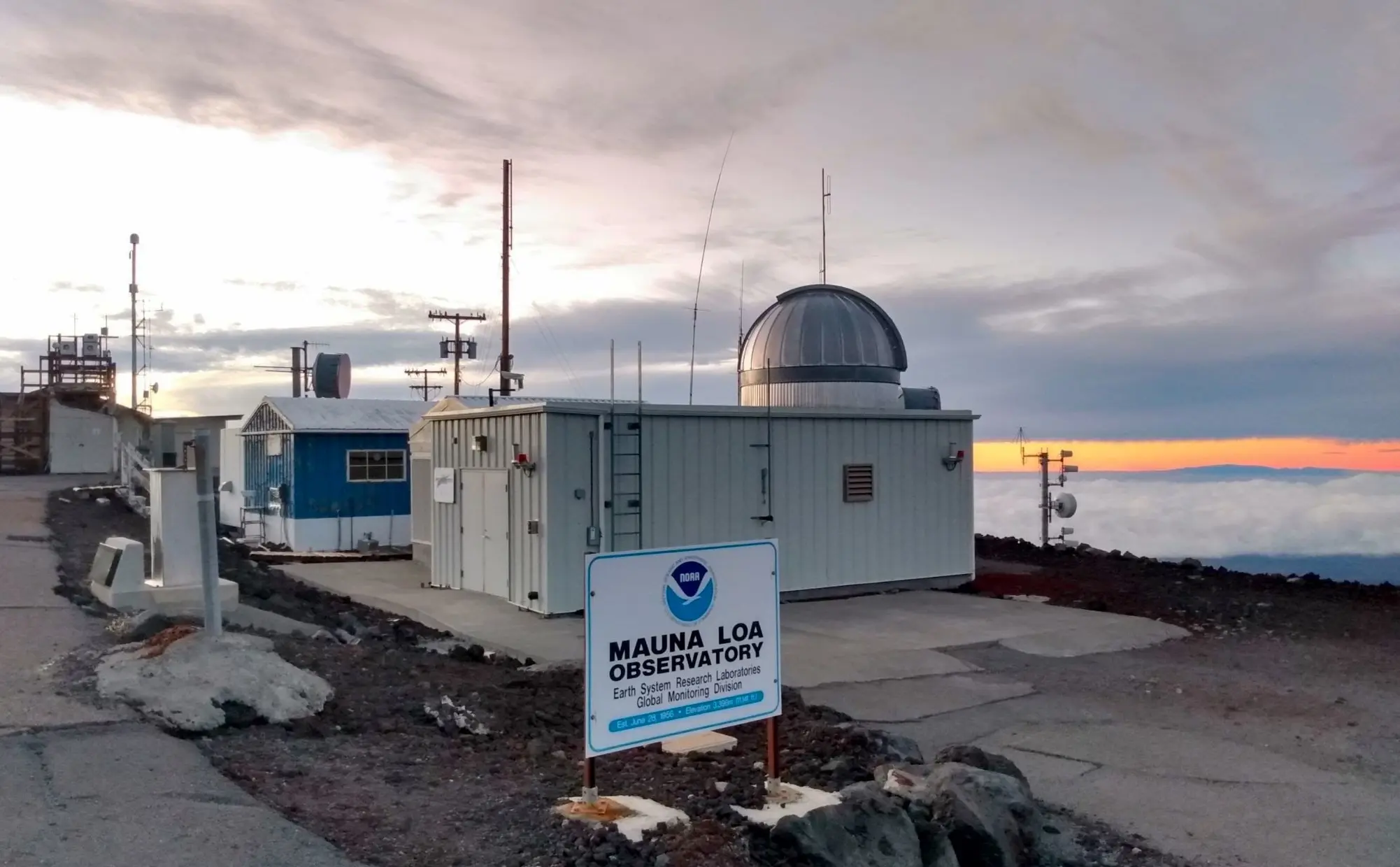
By the summer of 2025, the administration had attempted to shutter the Mauna Loa Observatory in Hawai’i, the world’s longest-running station for monitoring atmospheric carbon dioxide concentrations. While congressional pushback prevented the closure, the threat served as a catalyst for global action. Recognizing that scientific data is not an immutable asset, the German Research Foundation (DFG) authorized a $35 million "Data Resilience" initiative in late 2025, specifically designed to create "safe havens" for endangered American datasets.
The Vulnerability of Digital Infrastructure
The technical challenge of the current situation is immense. Historically, scientific data has been stored in "silos"—physically located on local hard drives or magnetic tapes at the specific university or agency where it was generated. This model operated on a fundamental assumption of political stability.
"If data is stored at only one site, there is a much greater risk of loss from events such as extreme weather, infrastructure failure, or, as we are now seeing, political interference," explains Eleanor O’Rourke, director of the International Project Office for the Coupled Model Intercomparison Project.
The physical logistics of moving petabytes of data—what researchers call the "sneakernet"—involves the manual transport of high-capacity storage hardware via air or sea because the costs and time required to transmit such volumes over existing fiber-optic networks are often prohibitive. This manual process is not just an inconvenience; it is a testament to the precarious state of global data infrastructure.
The Cost of Political Interference
The implications of these data losses extend far beyond climate models. Biodiversity, public health, and engineering standards rely on longitudinal data. When datasets like those at SEDAC or Mauna Loa are threatened, the ripple effects touch everything from insurance risk assessments to agricultural planning.
"The data repositories, digital asset management services, and preservation systems that ensure research data remains open and accessible are often overlooked—until they disappear," warn data experts Jennifer Gibson and Kaitlin Thaney.
The risk is not limited to U.S. borders. Cyberattacks against research institutions in Croatia and Germany have demonstrated that digital archives are increasingly viewed as targets in a world defined by cyber-warfare. Furthermore, the ongoing war in Ukraine has provided a grim preview of what happens when scientific infrastructure is targeted directly. Russian bombardments have destroyed numerous Ukrainian research institutes, forcing an international effort to digitize and evacuate historical meteorological records to servers in Germany.
Institutional Responses and the AGU Pivot
The American Geophysical Union (AGU), representing over 60,000 Earth and space scientists, has emerged as the central coordinator for this defensive strategy. During a March meeting in Berlin, nearly 100 experts from the U.S. and Europe convened to discuss the creation of a global, decentralized network for scientific information.
AGU president-elect Ben Zaitchik characterized the current moment as an "inflection point." The organization has already taken concrete steps, such as forming the U.S. Academic Alliance for the IPCC to ensure American expertise continues to inform international assessments despite the federal government’s withdrawal. The goal is to move toward a model where scientific data is globally distributed by default, rather than housed in vulnerable, centralized locations.
Looking Toward a Resilient Future
The effort to preserve U.S. data is now being mirrored in other domains. The Senckenberg Natural History Museum in Frankfurt, for example, is currently working to secure biodiversity data from conflict zones in Yemen and Ukraine. The protocols being developed involve not just the preservation of raw data, but also the archiving of the specialized software and metadata required to interpret that information decades from now.
Frank Oliver Glöckner, a professor of Earth systems data science at the University of Bremen, suggests that the current crisis may have a paradoxical benefit: "President Trump has, to a certain extent, done science a favor by making it clear how important it is to not just hoard data in one place but to truly share it with the global scientific community."
However, the architects of these "digital arks" remain cautious. Christopher Kadow of the DKRZ notes that the rise of anti-science political movements is a global phenomenon, not an exclusively American one. With the rise of the AfD in Germany and similar shifts in other nations, the need for data autonomy is becoming a permanent fixture of modern research.
"We don’t know what political shifts may occur in Germany," Kadow admits. "We aren’t completely protected from risks or developments like those in the U.S. either."
The ultimate goal, according to those leading the charge, is a "digital pipeline"—a interconnected, global, and immutable infrastructure where, in the event of local political interference or physical destruction, the world’s collective knowledge can be secured with the flip of a switch. As the CMIP7-ark project continues to add its 5 petabytes of storage, the message to the international community is clear: in an era of volatility, the preservation of truth has become an act of technical and political defiance. The data that explains our warming world is now, quite literally, being saved from the hands of those who wish to make it disappear.