Federal Appeals Court Rules Constitution Does Not Guarantee Right to Clean Drinking Water Amidst Jackson Crisis

A federal appeals court has issued a landmark ruling that carries profound implications for civil rights and public health, declaring that the United States Constitution does not provide a fundamental right to clean and safe drinking water. The decision, handed down by the Fifth U.S. Circuit Court of Appeals on September 4, effectively bars residents of Jackson, Mississippi—a city that is more than 80% Black and struggling with a poverty rate double the national average—from seeking constitutional redress for systemic water failures. The court’s opinion also asserted that there is no constitutional mandate requiring officials to provide truthful information during a public health crisis, leaving citizens with limited legal avenues when government transparency falters.
The ruling stems from a lawsuit filed in 2022 by Jackson residents who alleged that local officials knowingly exposed them to lead-contaminated water while publicly misrepresenting the safety of the supply. Plaintiffs argued that these actions violated their right to bodily integrity under the 14th Amendment. However, Judge Kurt Engelhardt, writing for the majority, maintained that while access to potable water is essential, it does not qualify as a right deeply rooted in the nation’s history and tradition. Furthermore, the court distinguished between government deceit regarding water safety and direct physical harm, stating that "lying about the presence of lead in the water is a far cry from the state’s physically extracting evidence from a criminal suspect or conducting an invasive medical procedure without consent."
A Chronology of Systemic Failure
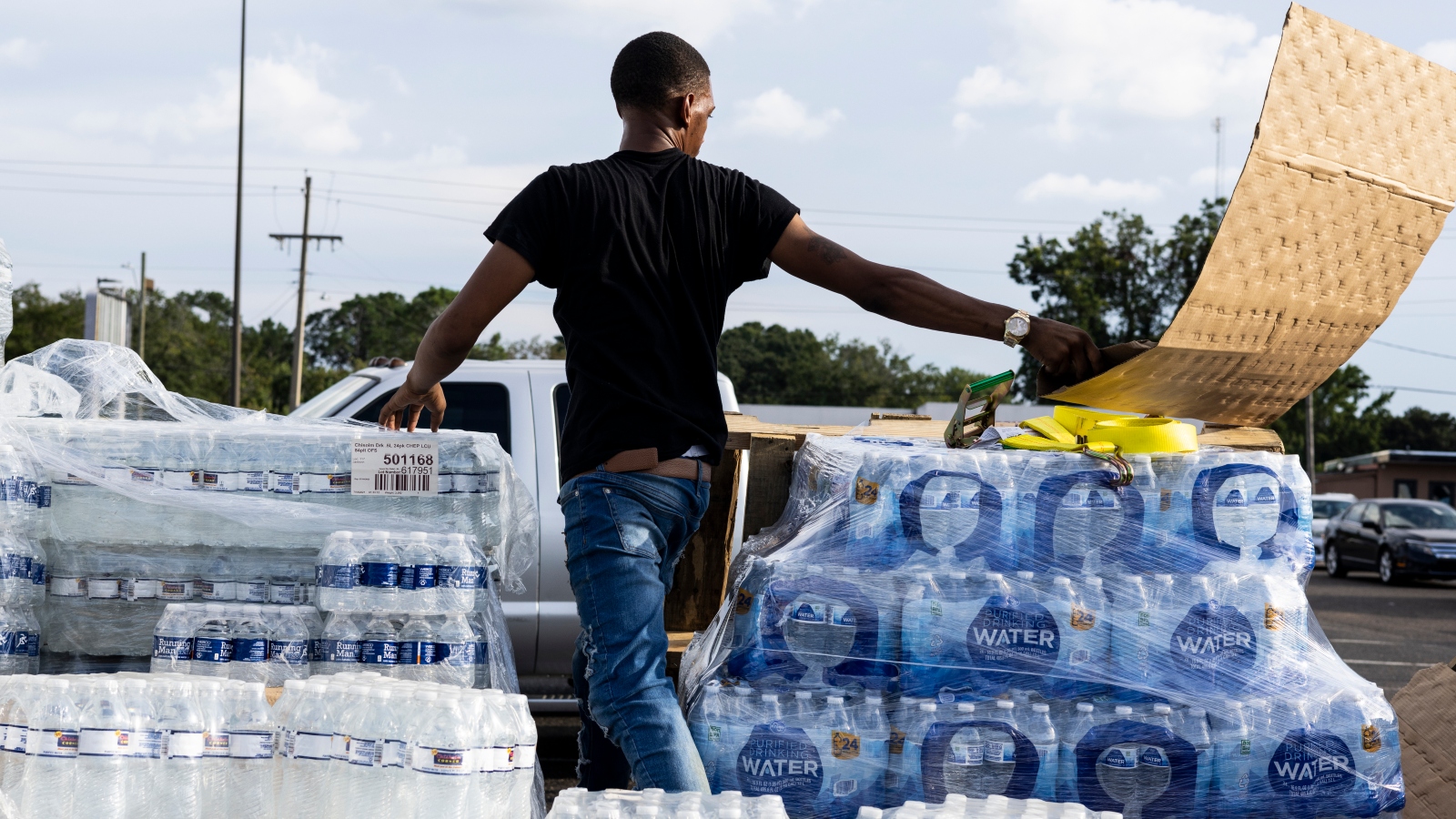
The water crisis in Jackson is not a recent phenomenon but the culmination of decades of deferred maintenance, aging infrastructure, and shrinking municipal tax revenue. The city’s water woes have been documented for generations, but the instability reached a breaking point in early 2021 when a severe winter storm caused pipes to burst, leaving residents without running water for weeks.
The situation escalated further in 2022 when extreme flooding crippled the O.B. Curtis Water Treatment Plant, the city’s primary water source. This disaster forced the federal government to intervene, eventually leading to the appointment of a third-party manager, JXN Water, to oversee the utility’s operations. Despite this federal intervention, the infrastructure remains fragile, and the path to modernization is fraught with financial challenges.
The legal battle began in earnest as residents sought to hold local authorities accountable for what they described as a willful violation of their basic human rights. The plaintiffs alleged that state authorities prioritized water infrastructure funding for predominantly white, wealthier communities, leaving Jackson to deal with failing, lead-lined, and outdated equipment. The appellate court’s recent affirmation of a lower court’s dismissal marks a definitive setback for those seeking to establish a federal precedent for water security.
Data and Environmental Justice
The implications of the Jackson case extend far beyond Mississippi, touching on a broader pattern of environmental injustice. According to data from the Environmental Protection Agency (EPA) and various academic studies, Black communities across the United States are statistically more likely to be served by water systems that have recorded health-based violations of the Safe Drinking Water Act.
Research indicates that even when violations occur, the time required to implement repairs is significantly longer in municipalities with larger Black populations compared to those with larger white populations. This disparity is often attributed to the legacy of segregation, redlining, and the resulting erosion of municipal tax bases, which leaves cities like Jackson unable to self-fund the massive capital improvements required for modern water treatment.
The health consequences of these failures are long-lasting. Lead exposure is a known neurotoxin, and its impact on children is irreversible, often leading to lifelong cognitive impairment. Residents of Jackson have reported a variety of physical ailments, from skin rashes caused by bathing in impure water to long-term health complications like kidney disease, which they attribute to years of drinking contaminated water. The intersection of race, poverty, and environmental health has created a crisis where the most vulnerable citizens are forced to bear the heaviest burden of systemic neglect.
Official Responses and Legal Interpretations
The Fifth Circuit’s decision has drawn sharp criticism from civil rights advocates and legal scholars who view the ruling as a retreat from the protection of fundamental human needs. Danyelle Holmes, a senior national organizer with the Poor People’s Campaign, characterized the ruling as a profound betrayal of citizens who have followed all established legal and democratic procedures—organizing, testifying, and suing—only to be told their suffering does not constitute a legal injury.

Conversely, city officials have maintained a posture of compliance with the court’s findings. Jackson Mayor John Horhn released a statement following the ruling, noting, "We are pleased that the Fifth Circuit upheld the dismissal of these claims. The City remains committed to the health, safety, and well-being of every Jackson resident."
The legal reasoning employed by the majority focused heavily on the "history and tradition" standard, which requires plaintiffs to show that a right has been recognized as fundamental since the founding of the country. By failing to find such a precedent for water, the court effectively shifted the responsibility for water safety entirely into the realm of statutory law—such as the Safe Drinking Water Act—rather than the Constitution. This creates a difficult environment for plaintiffs, as statutory protections can be easier for legislatures to weaken or underfund than constitutional rights.
The Economic Burden on Residents
As the city continues to navigate federal oversight, the financial burden of rebuilding the water system is increasingly falling on the residents themselves. JXN Water has implemented a series of rate increases to fund necessary repairs and upgrades. A court-approved 12% increase in March brought the average monthly residential bill to approximately $88.
The financial plan moving forward includes additional, staggered rate hikes scheduled for 2027, 2028, and 2029. In a city where the poverty rate is high, these escalating costs present an additional layer of hardship. For residents like Gwendolyn Reed-Davis, who have had to rely on alternative sources for bathing and laundry for years, the rate increases represent a tax on basic survival rather than a utility fee.
Broader Implications and Future Outlook
The Fifth Circuit’s ruling sets a sobering precedent for the future of environmental litigation in the United States. By narrowing the scope of what the Constitution protects, the court has signaled that the judiciary may be increasingly reluctant to intervene in public health crises, preferring to leave the resolution of such issues to the executive and legislative branches.
For many advocates, the ruling underscores the need for a shift in strategy. With the federal courts effectively closing the door on constitutional claims regarding water, organizers are turning their attention toward political mobilization and legislative reform. As Brooke Floyd, a long-time resident and activist, noted, the issues facing Jackson are a warning to the rest of the country. The degradation of public infrastructure in marginalized communities often serves as a precursor to wider systemic failures, suggesting that the erosion of rights in one city could eventually manifest in others.
The Jackson water crisis remains a litmus test for the nation’s commitment to environmental justice. Whether through federal legislation, public investment, or continued community organizing, the pressure on the government to provide clean, reliable water remains a central issue in the fight for equity. As the legal path becomes more constricted, the social and political demand for accountability is likely to intensify, keeping the spotlight firmly on the city of Jackson as it continues its long, arduous recovery. The question of whether the right to water is a fundamental human entitlement remains, for now, a matter for the court of public opinion, as the judicial system has declared it a matter beyond the reach of the U.S. Constitution.
Related posts: