Federal Forest Service Policy Shift Sparks National Debate Over Access and Conservation

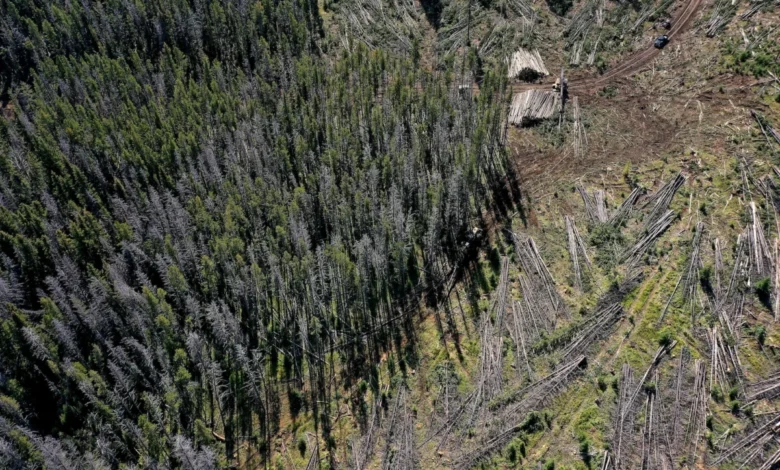
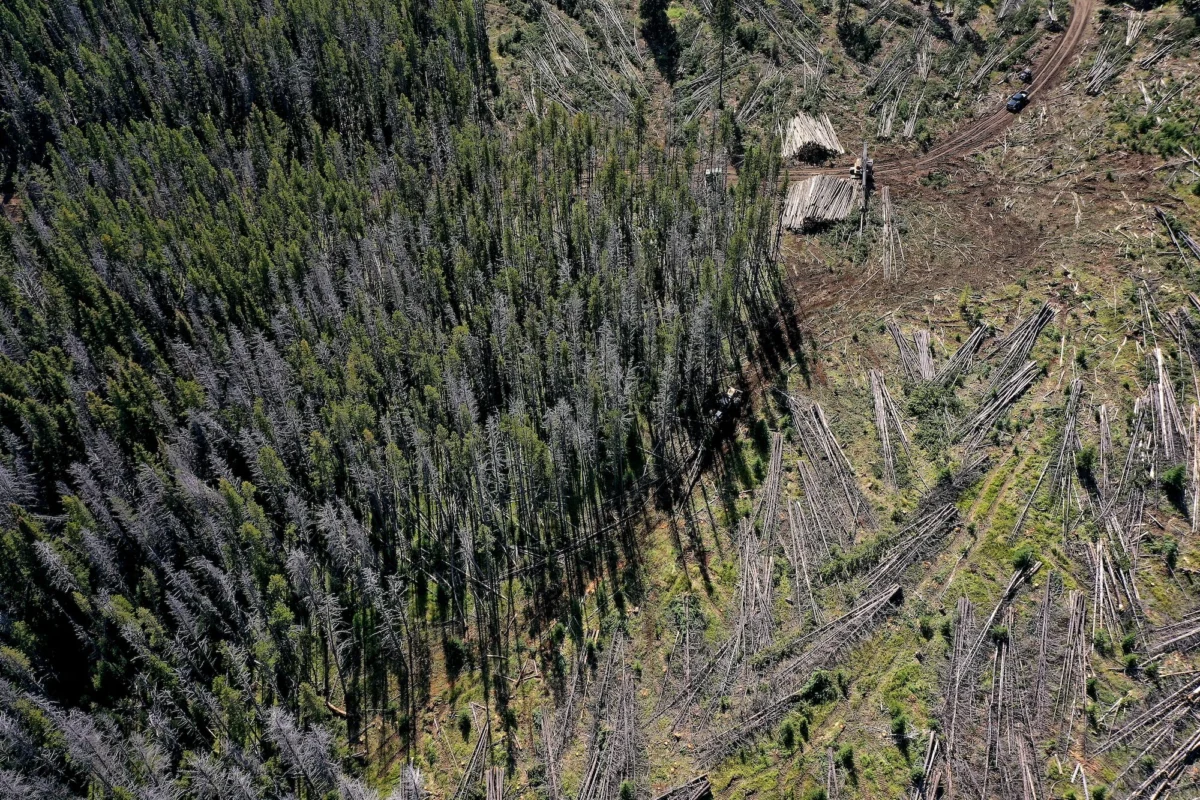
The United States Forest Service is currently navigating a high-stakes pivot in federal land management policy that threatens to upend decades of environmental regulation. At the heart of the controversy is a proposed revision to the agency’s "travel management rule," a cornerstone of public lands policy that currently operates under the principle of "closed unless designated open." This long-standing framework ensures that motorized vehicles—ranging from ATVs and dirt bikes to heavy 4×4 trucks—are confined to specifically mapped and approved routes, protecting fragile ecosystems from unmitigated traffic.
The Trump administration, however, has signaled a fundamental shift in this philosophy, proposing that forest trails be considered "open unless designated closed." This inversion of the burden of proof would fundamentally alter how the 193 million acres of National Forest System land are accessed and managed. While proponents argue that the shift will simplify regulations and enhance accessibility for the elderly and those with physical disabilities, conservationists and sportsmen warn of irreversible damage to wildlife habitats, water quality, and the quiet integrity of the backcountry.
The Evolution of the Travel Management Rule
To understand the gravity of the proposed changes, one must look at the history of forest management. For much of the 20th century, the rapid proliferation of off-highway vehicles (OHVs) created a chaotic patchwork of user-created trails, leading to severe soil erosion and habitat fragmentation. In response, the Forest Service implemented the 2005 Travel Management Rule. This regulation required every national forest to develop a motor vehicle use map (MVUM), clearly delineating where motorized travel was permitted.
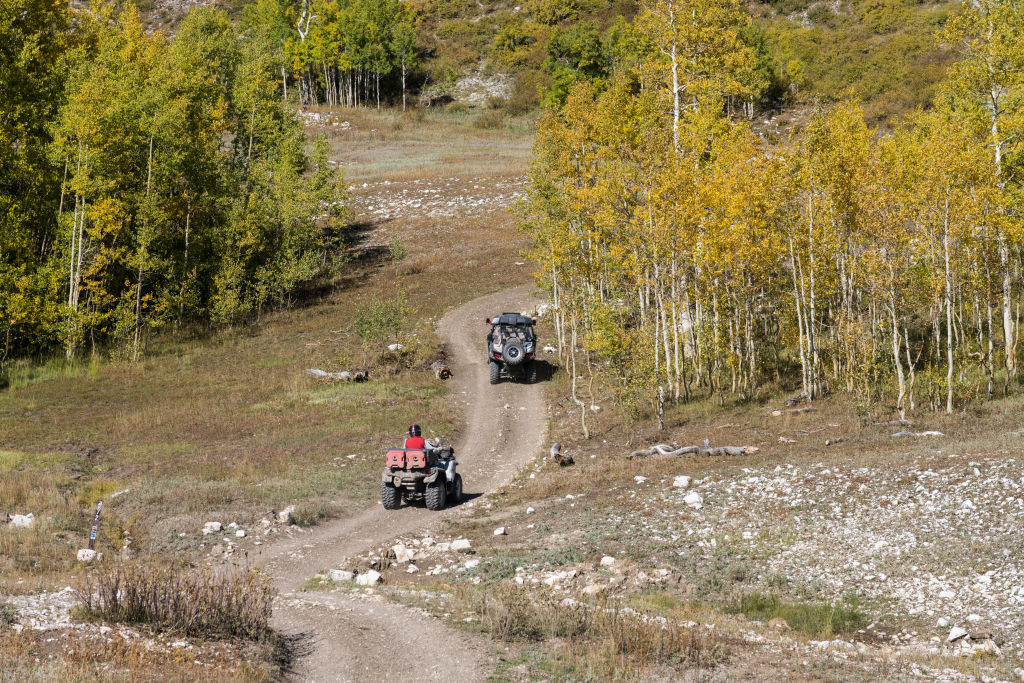
The process of creating these maps was exhaustive, involving years of public input, environmental impact assessments, and collaboration with local stakeholders. The resulting maps provided legal certainty for hikers, equestrians, mountain bikers, and motorized users alike. By limiting vehicles to designated routes, the agency was able to protect riparian zones, migratory corridors, and wilderness study areas from the encroachment of internal combustion engines.
The administration’s move to reverse this rule arrives in a broader context of deregulation. It follows closely on the heels of an announcement by Agriculture Secretary Brooke Rollins to rescind the "roadless rule," a 2001 policy that has served as a primary safeguard against road building and commercial logging on 45 million acres of pristine forest land.
Case Study: The Cost of Unregulated Access
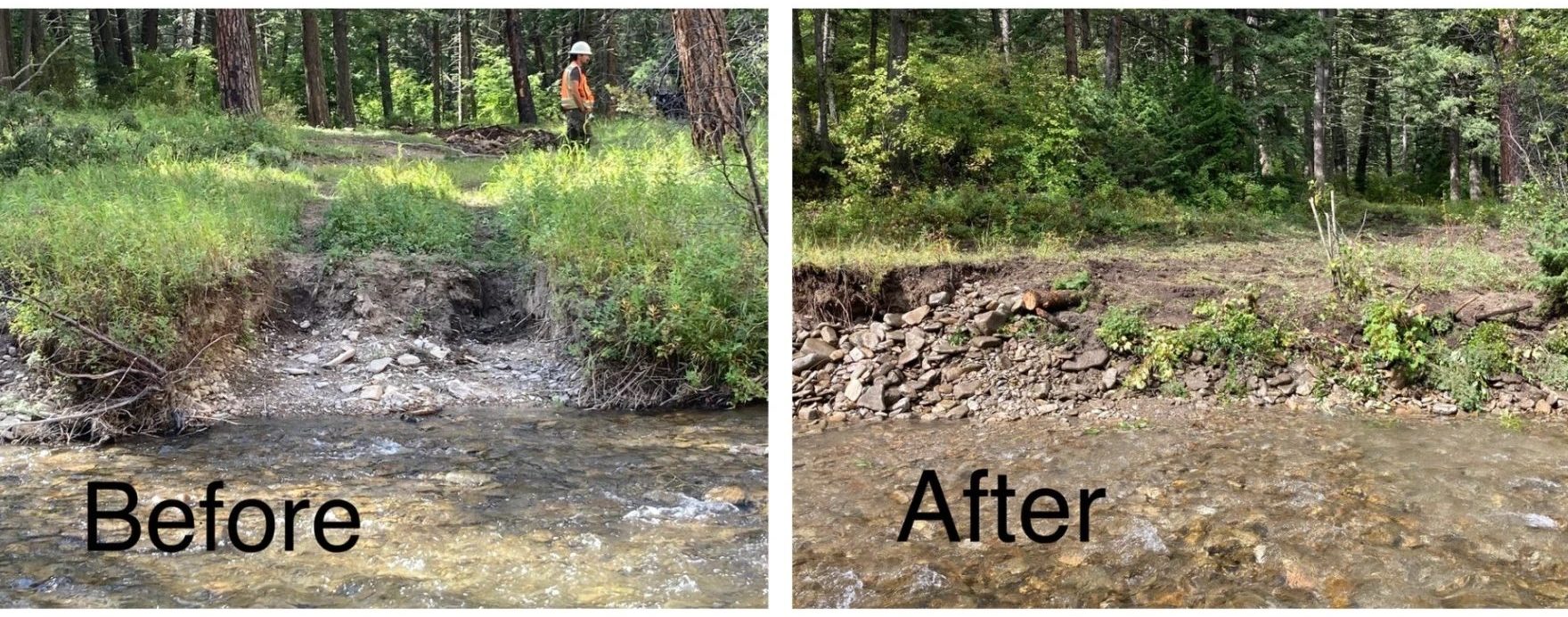
The potential consequences of "open unless closed" policies are not merely theoretical; they have been documented in the field. Chris Edgington, a watershed project manager with Montana Trout Unlimited, provides a poignant example of the environmental degradation that occurs when motorized access is not strictly contained. Along the Middle Fork of the Judith River in central Montana, years of uncontrolled vehicle crossings devastated a once-thriving aquatic habitat.
Before restoration efforts began in 2023, a 6-mile stretch of the river featured over 80 unauthorized vehicle entry points. These crossings pulverized the riverbank, introducing massive amounts of sediment into the water. This siltation smothered the gravel beds necessary for trout to spawn and buried the macroinvertebrates that form the base of the food web. By 2020, the fish population had plummeted to less than 10 percent of historical expectations.
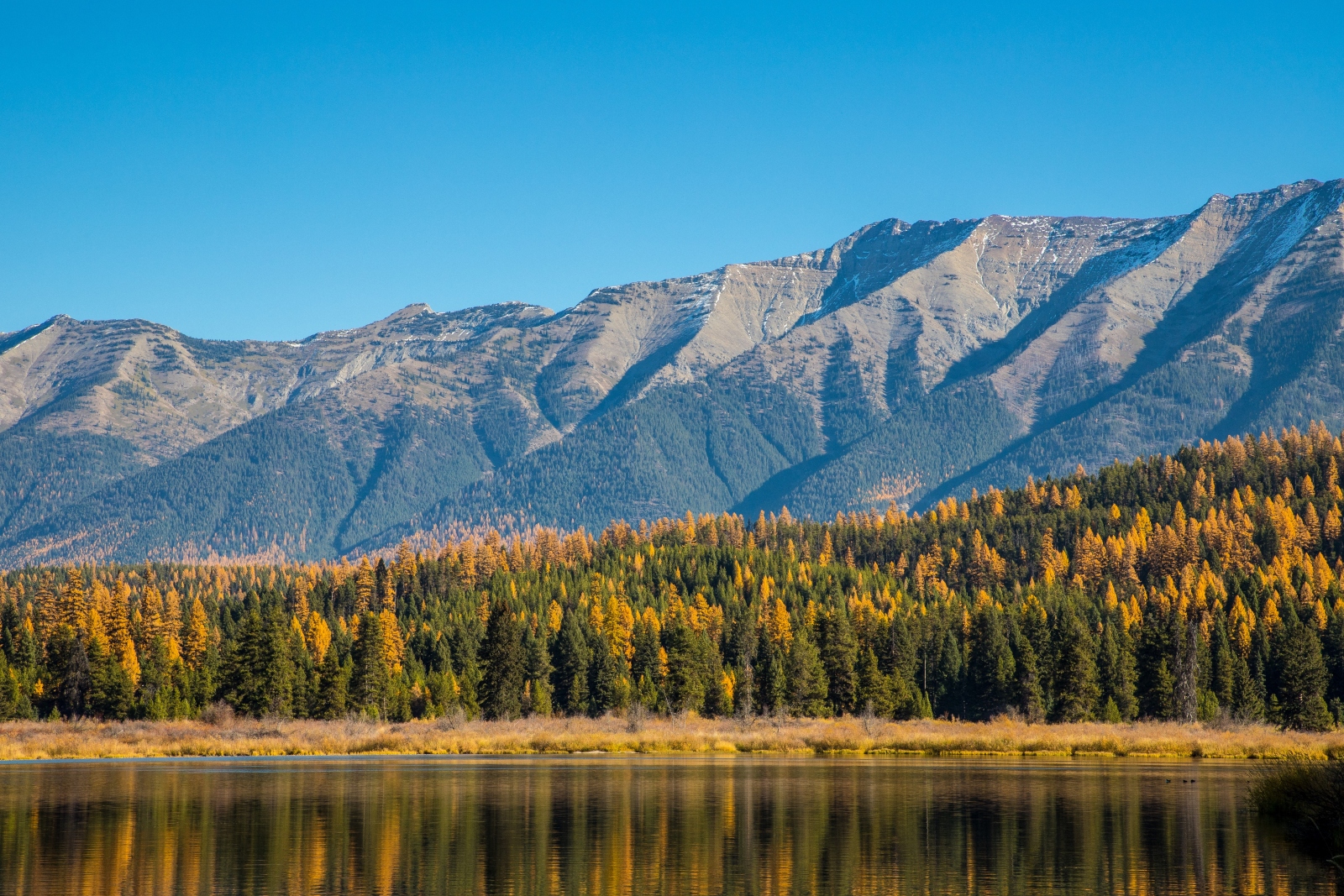
The subsequent intervention—a collaborative effort involving local OHV groups, conservationists, and federal agencies—required the rerouting of trails and the stabilization of riverbanks. It was a costly, multi-year project funded by federal tax dollars. Edgington and his colleagues worry that if the "open unless closed" policy is implemented, such hard-won gains in river health could be undone in a single season. If any path or feature on the landscape can be legally traversed by a motorized vehicle until a sign is posted to forbid it, the sheer scale of enforcement required to protect sensitive waterways would be economically and logistically impossible for the Forest Service to maintain.
Conflicting Visions for Public Lands
The debate pits two fundamentally different philosophies of public land use against one another. Kerry White, representing the Bozeman-based nonprofit Citizens for Balanced Use, asserts that the current system is overly restrictive and keeps citizens—particularly those with mobility issues—from enjoying the outdoors. White argues that the onus should be on the government to prove why a trail should be closed, rather than forcing the public to navigate a labyrinth of restrictive maps.
"This is public land, and people with disabilities, the elderly, need some sort of transportation to get out there," White said. He maintains that fears regarding the environmental impact of the rule change are hyperbolic, noting that existing environmental laws still govern large-scale projects like mining or logging.
However, advocates for the current system, such as Hillary Eisen of the organization Wild Montana, argue that the proposed changes reflect a lack of understanding regarding the complexity of forest ecosystems. Eisen describes the administration’s proposal as "vague" and "difficult to follow," suggesting that it invites chaos into the management of public spaces. She emphasizes that the current system provides a level of predictability that allows for the coexistence of diverse user groups. When motorized and nonmotorized users are forced into the same corridors, the resulting conflict can undermine the quality of the wilderness experience for everyone.
Data, Ecology, and the Carbon Cycle
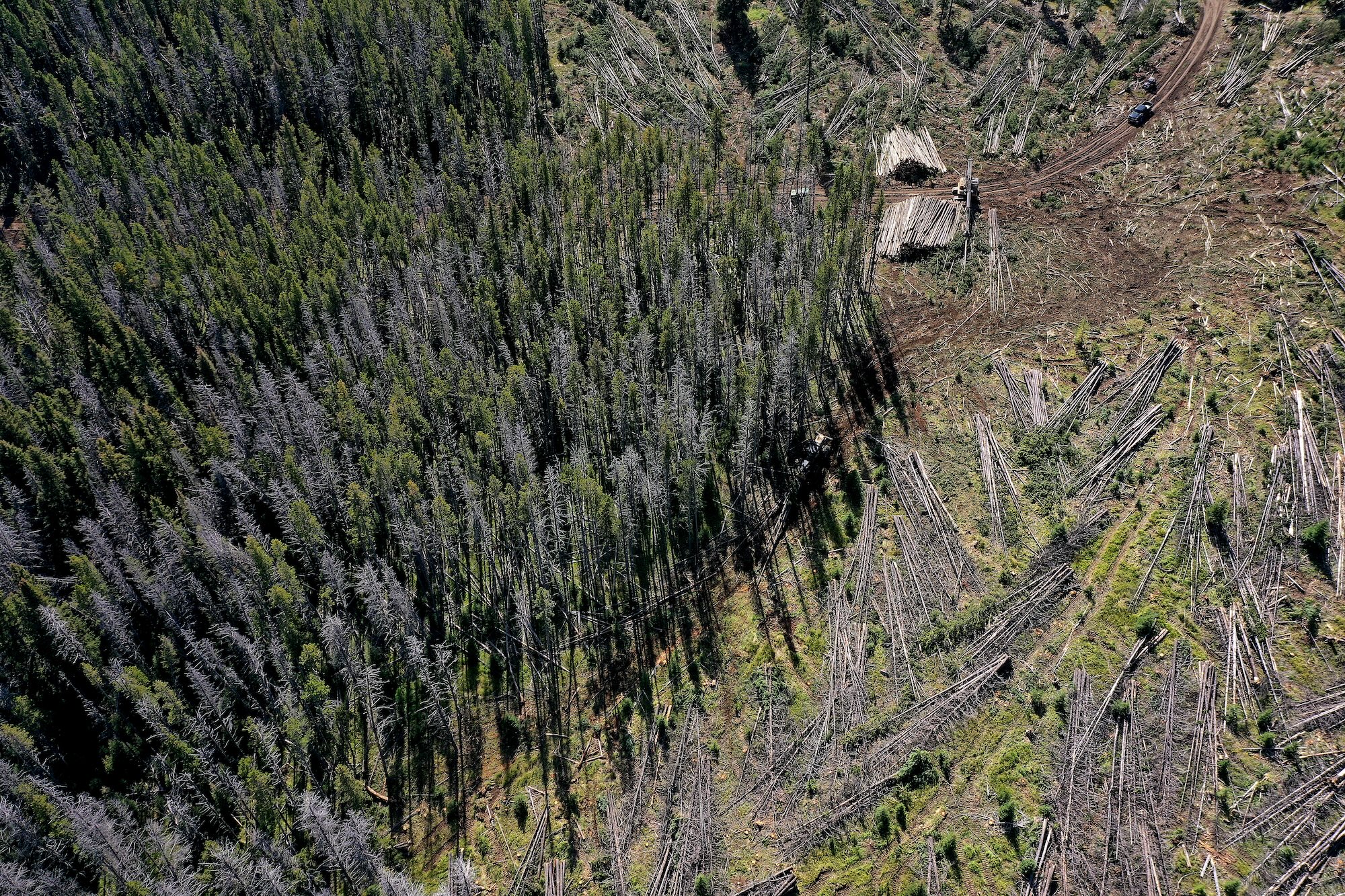
Beyond recreation, the debate carries significant implications for climate change and biodiversity. Large-scale research, including studies published in peer-reviewed journals such as the Proceedings of the National Academy of Sciences, has consistently demonstrated that road networks fragment habitat, introduce invasive species, and increase the risk of human-caused wildfires.
Forests act as vital carbon sinks, and intact ecosystems are more resilient to the impacts of a warming climate. Roads and trails act as conduits for disturbance; when a forest is "opened up," it becomes more susceptible to invasive weeds that thrive in disturbed soil and to the rapid spread of pathogens. The removal of protections like the roadless rule and the weakening of travel management protocols could lead to a net loss in the carbon sequestration capacity of these lands, as fragmented forests are less effective at managing carbon storage than large, undisturbed tracts.
The Regulatory Horizon: What Comes Next?
The Forest Service is currently in the public comment phase for the proposed travel management revisions. While the agency initially faced criticism for short comment windows, it has extended the deadline for the roadless rule to October 6, 2026, following significant public outcry. The comment period for the travel management rule specifically concluded on September 23, but the intense volume of feedback—including a 99 percent opposition rate during previous efforts to dismantle similar protections—suggests that the agency is facing a high level of public scrutiny.
The process of reversing these regulations is arduous, but the administration is moving quickly. For those who manage the land, the uncertainty is creating a state of administrative paralysis. Agencies are currently left to wonder whether the projects they are planning today will be rendered obsolete or legally unenforceable by new policies tomorrow.
The broader implication of this shift is a move away from the "sustained yield" and "multiple use" mandates that have guided the Forest Service since its inception. By prioritizing motorized access at the expense of established conservation protocols, the federal government is effectively deciding that the immediate, high-intensity use of these lands takes precedence over their long-term health and the preservation of habitat for future generations.
As the situation develops, the conflict between accessibility and sustainability remains unresolved. The future of the American backcountry depends on whether the Forest Service can balance the needs of diverse recreational users with the scientific necessity of maintaining intact, healthy, and resilient ecosystems. For now, the maps remain the only barrier between current environmental protections and a much more open, but potentially far more fragmented, landscape.
Related posts: