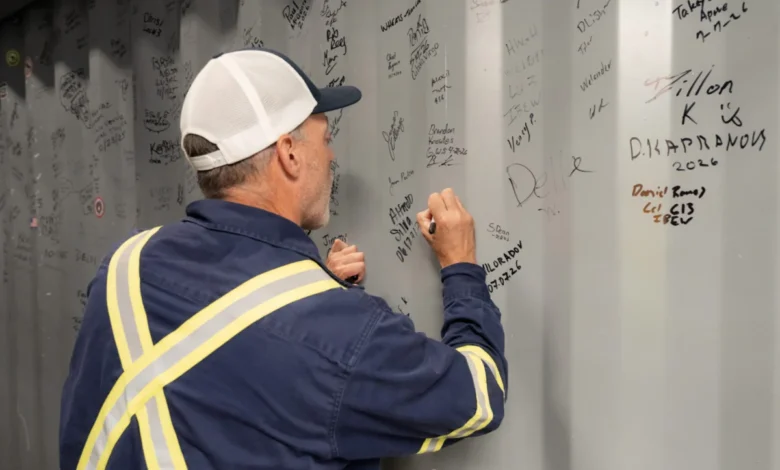
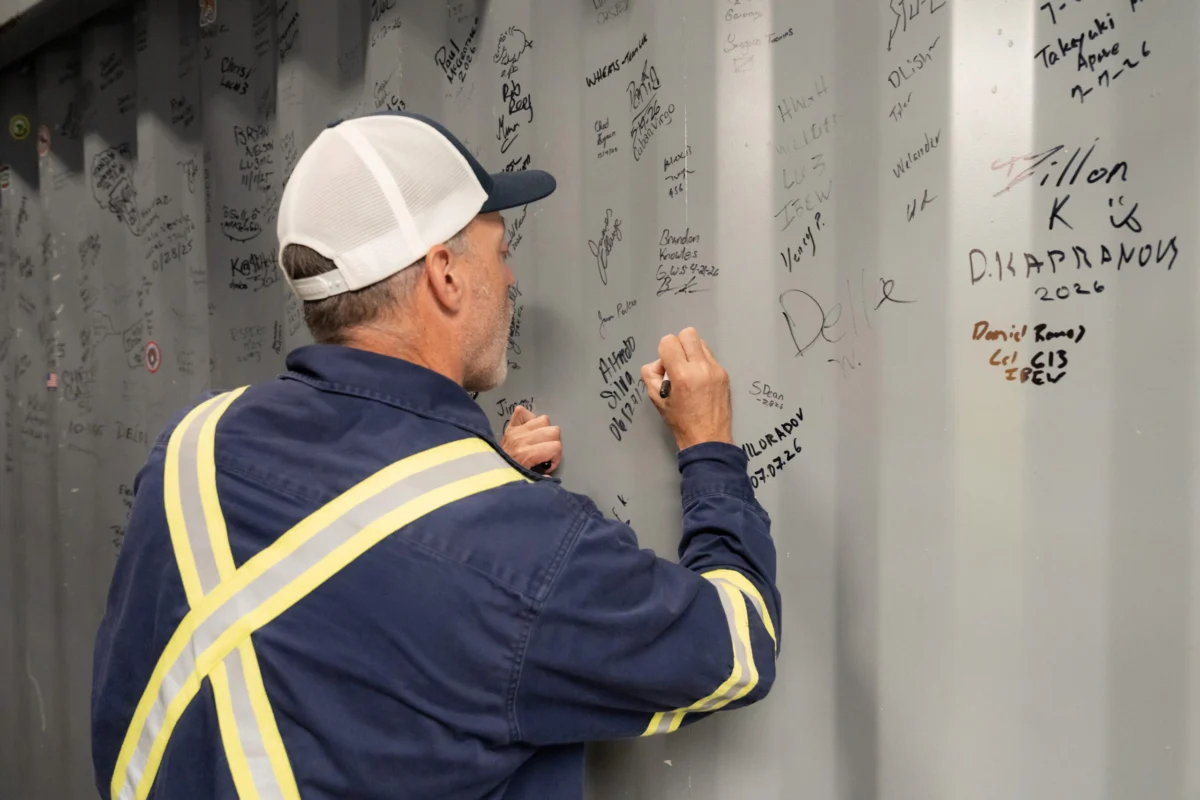
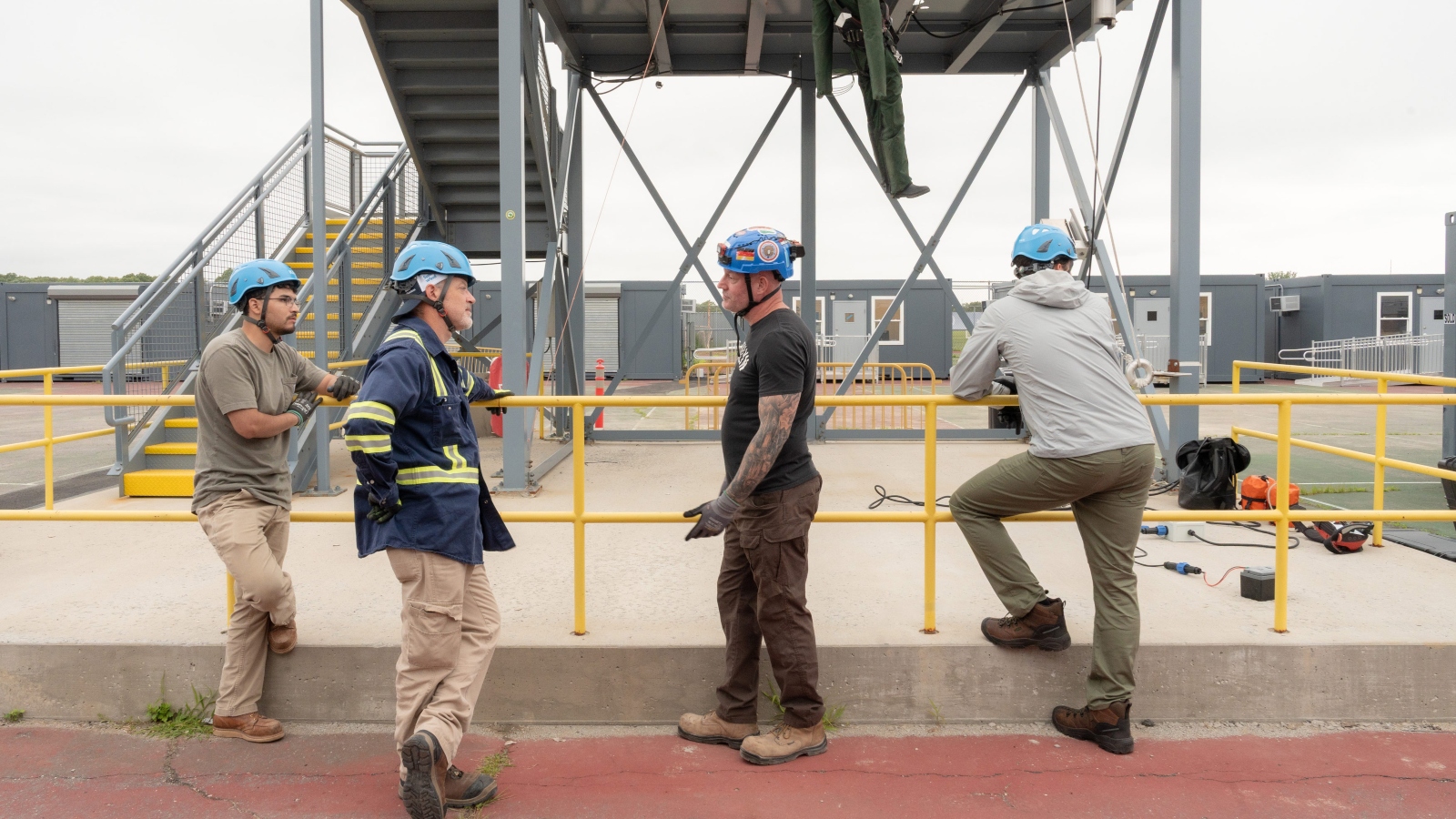
The rapid expansion of the American offshore wind industry, once heralded as a cornerstone of the nation’s green energy transition, has hit a profound and complex impasse. What was envisioned as a multi-decade industrial revolution—complete with specialized training centers, massive infrastructure investments, and tens of thousands of high-paying, unionized jobs—is now grappling with a sudden, politically induced stagnation. At the center of this transformation are workers like William “Billy” Bishop, a former Navy sailor and union laborer from Local 1298 on Long Island, who finds his career trajectory caught in the crosshairs of a volatile federal energy policy.
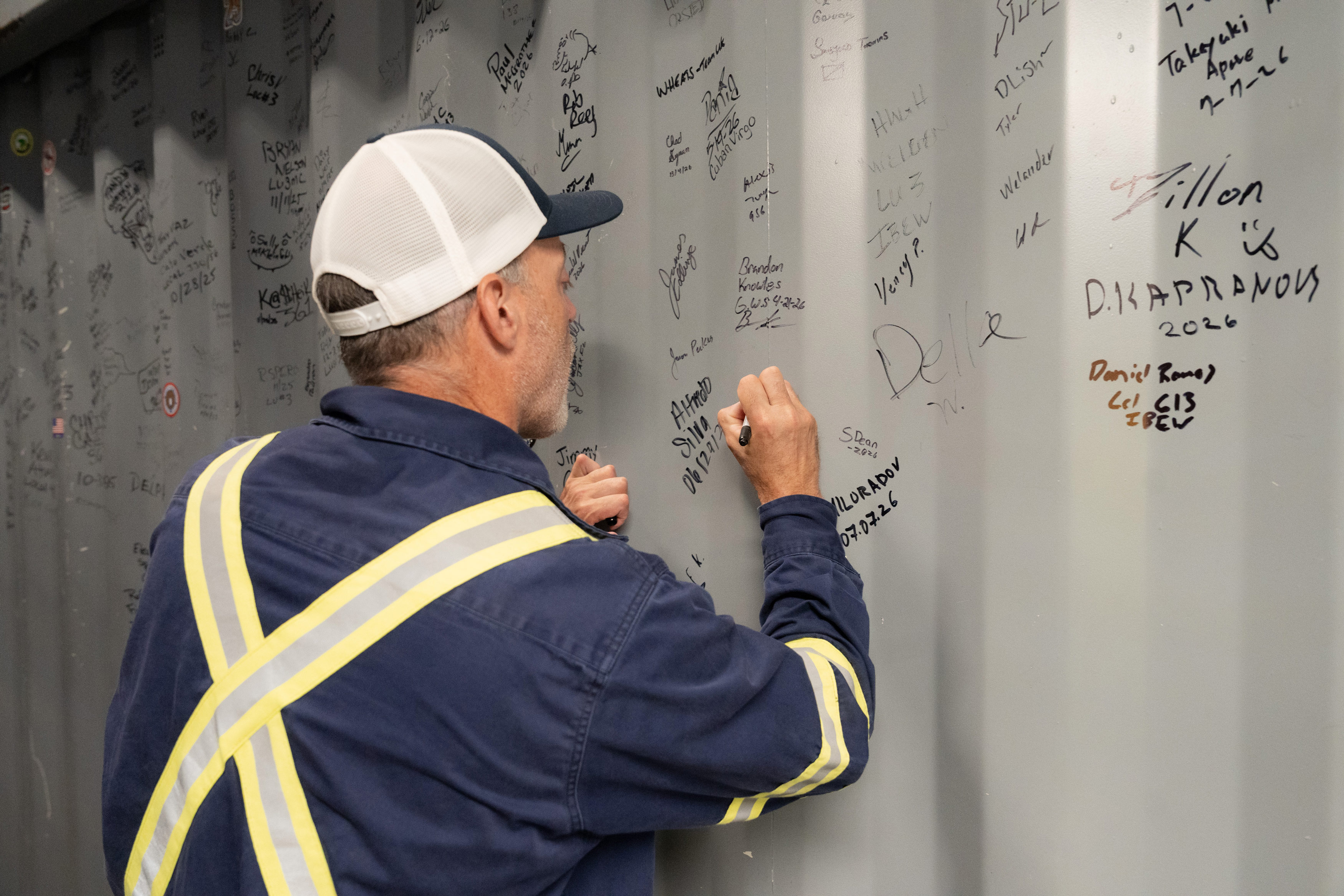
Two years ago, Bishop saw the offshore wind sector as a long-term professional home. After securing a critical safety certification from the National Offshore Wind Training Center (NOWTC)—a flagship collaboration involving Suffolk County Community College, the Long Island Federation of Labor, and the global energy developer Orsted—he transitioned into a role conducting structural inspections for the Sunrise Wind project off the coast of New York. Today, his outlook is markedly more cautious. “I would definitely do this forever, and I’ve looked into it since getting the job,” Bishop said. “But I see contracts are falling through nonstop now in America. This might be the last one for a while.”
The Rise and Stall of a Renewable Workforce
In 2021, the Biden administration unveiled an ambitious federal target to deploy 30 gigawatts of offshore wind energy by 2030. At the time, the U.S. offshore wind sector was virtually non-existent at a commercial scale, meaning the government, labor unions, and private developers had to build an entire workforce ecosystem from the ground up. Projections from the Department of Energy indicated that achieving these goals would require a workforce of approximately 77,000 individuals by the end of the decade, covering roles in turbine manufacturing, marine construction, electrical grid integration, and long-term maintenance.
States like New York and Massachusetts, along with major developers like Orsted and Equinor, funneled millions into vocational programs. These initiatives ranged from basic safety certifications for offshore work to complex graduate-level planning and policy courses. However, the momentum shifted abruptly on January 20, 2025. Following his inauguration for a second term, President Donald Trump issued an executive order commonly referred to as the “wind order,” which effectively halted new leasing and permit approvals for both onshore and offshore wind projects.
This was followed by emergency stop-work orders issued to the five offshore wind projects then under construction. While federal courts eventually overturned these specific administrative actions, the legal battles and the signal sent to the private sector triggered a chilling effect on capital investment. According to industry research firm ClearView Energy Partners, the volatility in federal policy has reached a breaking point. “The pendulum always swings from one president to another,” said managing director Timothy Fox. “But now the swings are so dramatic that the pendulum’s going to fall off the clock.”
Chronology of a Policy Pivot
The current state of the industry is best understood through the rapid sequence of events over the past 24 months:
- December 2023: The U.S. delivers its first power from a commercial-scale offshore wind farm off the coast of Long Island, marking a historic milestone for the industry.
- January 2025: The new administration issues the “wind order,” immediately freezing new leases and permitting processes.
- Mid-2025: Emergency stop-work orders are served on active offshore wind projects, citing national security concerns.
- Late 2025: Federal funding totaling hundreds of millions of dollars is rescinded, and the administration begins a program to pay developers to relinquish their existing offshore leases.
- 2026: Legal challenges successfully overturn some of the administration’s earlier bans, but the “slow-walk” approach to permitting and the withdrawal of tax credits continue to stymie new construction.
Economic and Workforce Implications
The ramifications for the labor market are significant. While the Bureau of Labor Statistics continues to list wind turbine technicians and solar installers among the fastest-growing occupations in the United States, the specialized offshore sector is seeing a contraction. Currently, only about 6 gigawatts of offshore wind are online or under construction—roughly 20 percent of the capacity the previous administration had aimed for by 2030.
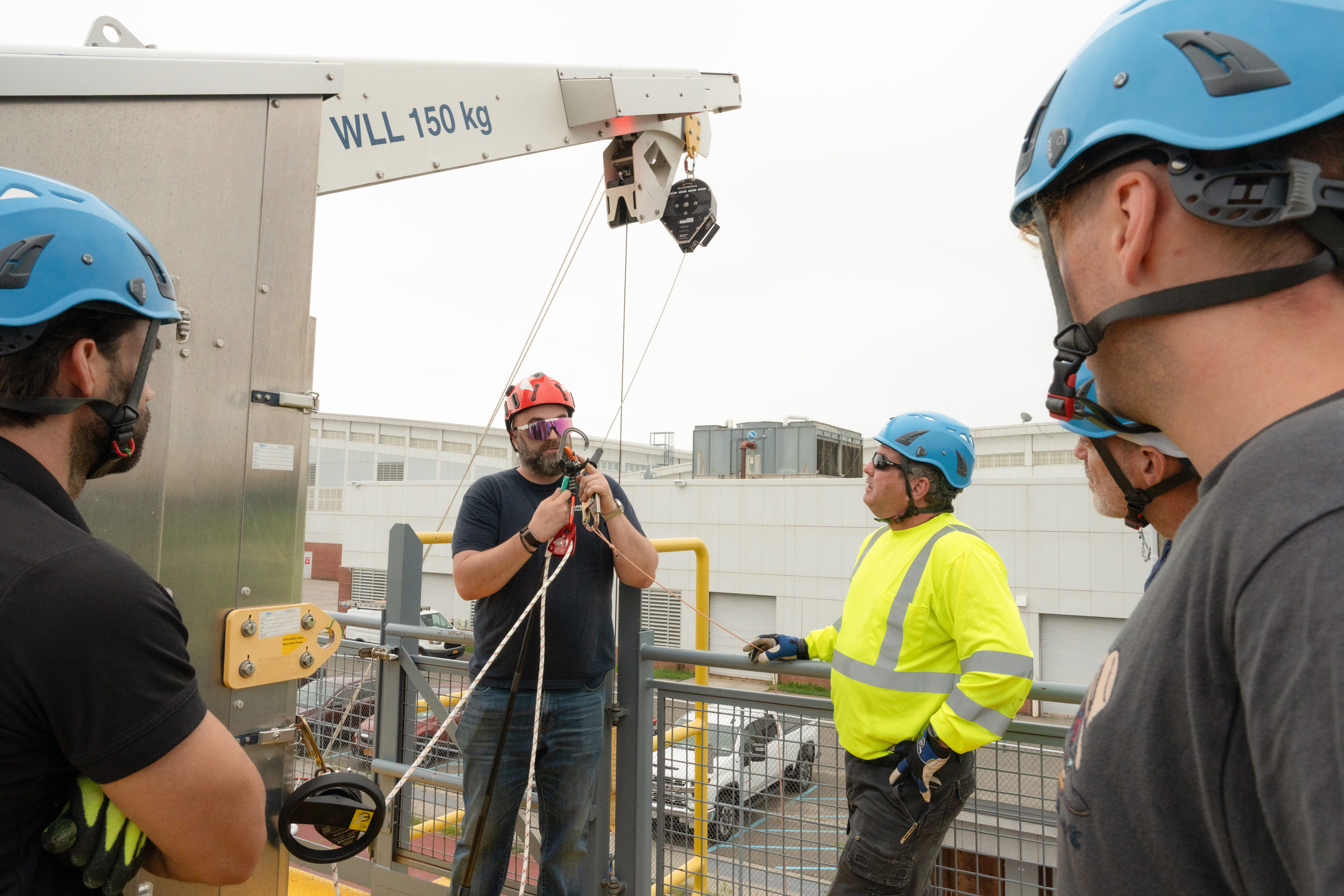
The training centers that were designed to feed this machine are now forced to pivot. The NOWTC, for instance, has shifted its focus. Leaders like Roger Clayman, a director at the center and retired executive of the Long Island Federation of Labor, note that the facility is maintaining its relevance by downsizing and emphasizing cross-industry skills. “We’re not making any decisions right now,” Clayman said. “Offshore wind will be back.”
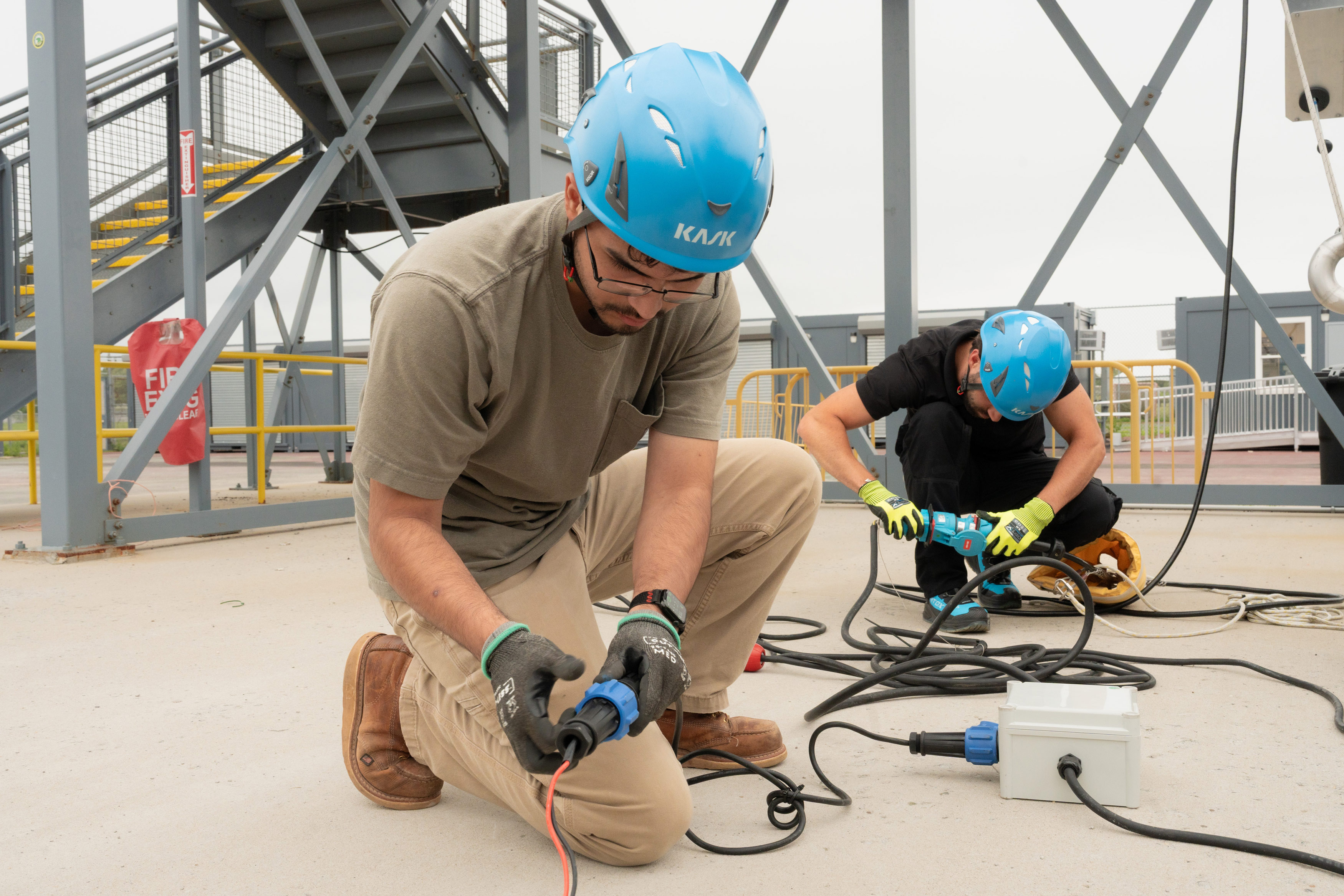
Other institutions are taking similar steps. At Stony Brook University, students who were initially enrolled in programs specifically tailored to offshore wind are now receiving broader training in high-voltage direct current (HVDC) systems and microgrid development. This curriculum adjustment ensures that graduates remain employable in the wider energy sector, even if the offshore wind projects they were trained for are delayed indefinitely. “We’ve been flexible and agile in responding to some of the changes,” said Derek O’Connor, senior workforce development manager at the university’s Office for Research and Innovation. “We are focusing less on the specific power generation source and more on grid stability and reliability.”
The Shift Toward “Ocean Tech”
Beyond New York, other regions are redefining their workforce strategies. In Massachusetts, the Clean Energy Center has begun transitioning its portfolio toward “ocean tech.” This includes initiatives in coastal resilience and marine ecosystem monitoring, which leverage the same technical skill sets as offshore wind but apply them to environmental and infrastructure sectors that are less susceptible to federal energy policy changes. Similarly, Maryland’s state-funded training programs have successfully pivoted to place workers in the shipbuilding and aerospace industries, where the demand for precise, heavy-duty labor remains high.
Despite the current climate, experts suggest the underlying demand for electricity remains the strongest indicator for a long-term recovery. As energy costs remain a critical concern for the American economy, the pressure to integrate reliable, high-capacity renewable sources will likely persist. However, the current period of uncertainty is undeniably difficult for those who invested their careers in a sector that was once promised to be the bedrock of the 21st-century economy.
For laborers like John Dunderdale, the business manager for the Pile Drivers Local Union 56 in Boston, the current reality is one of frustration. His members, who were trained to handle 1,800-ton offshore piles for massive wind projects, are now relegated to the tail end of existing work. Projects like New England Wind and SouthCoast Wind, which were nearing the shovel-ready phase, have been put on indefinite hold.
“We should have been on to the next one,” Dunderdale said. “The jobs were there. The training was there. The money, you know, everything was there.”
Analysis: A Fragile Future
The transition of the U.S. energy grid toward renewables is inherently dependent on long-term policy certainty. When a market is as capital-intensive as offshore wind, investors require a stable regulatory environment to justify the multi-billion-dollar outlays required for construction. By rescinding subsidies and actively working to buy out leases, the current administration has fundamentally altered the risk-reward profile for major global developers.
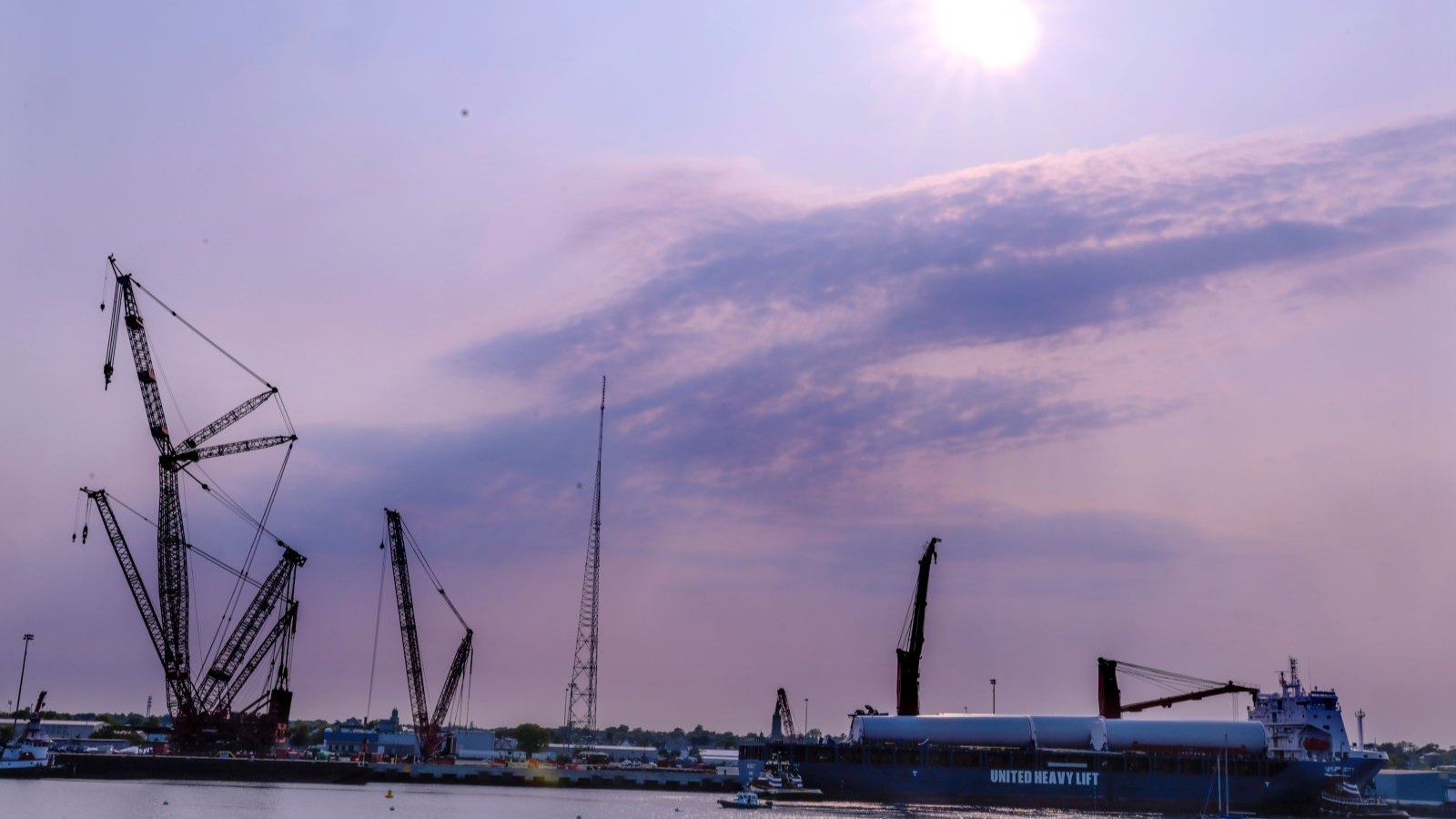
The consequence is a "brain drain" of sorts, where highly trained workers are either leaving the energy sector or migrating to international markets where projects remain active. While the broader clean energy transition continues to grow, the specific, high-tech infrastructure required for offshore wind risks falling behind global competitors like the United Kingdom, Denmark, and China, which have maintained more consistent policy frameworks.
As the industry enters 2027, the focus for many training centers will remain on renewal and adaptation rather than expansion. For workers like Billy Bishop, the coming year represents a waiting game. Having recently renewed his safety certifications, he remains committed to the work on the Sunrise Wind project. Yet, as he looks toward the horizon, his focus is increasingly on his next potential transition back to land-based construction. For now, the "wind boom" that many expected to dominate this decade remains on hold, leaving a highly skilled, specialized workforce to navigate the choppy waters of an evolving political landscape.
Related posts: