Legal and Environmental Challenges Mount Against EPA Proposal to Repeal Greenhouse Gas Standards for Power Plants

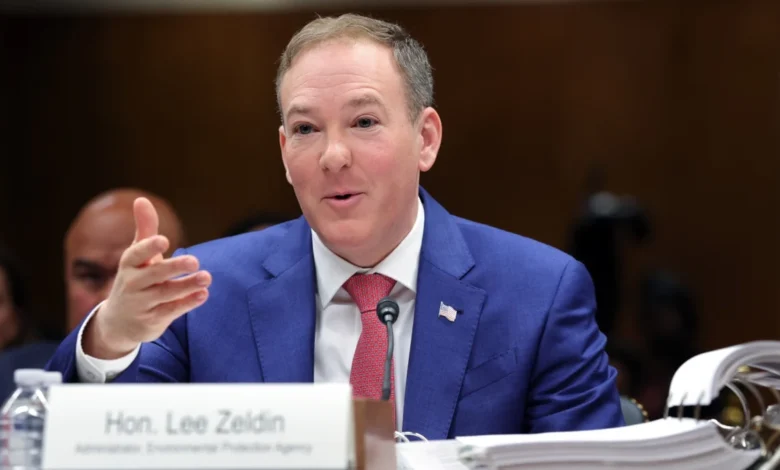
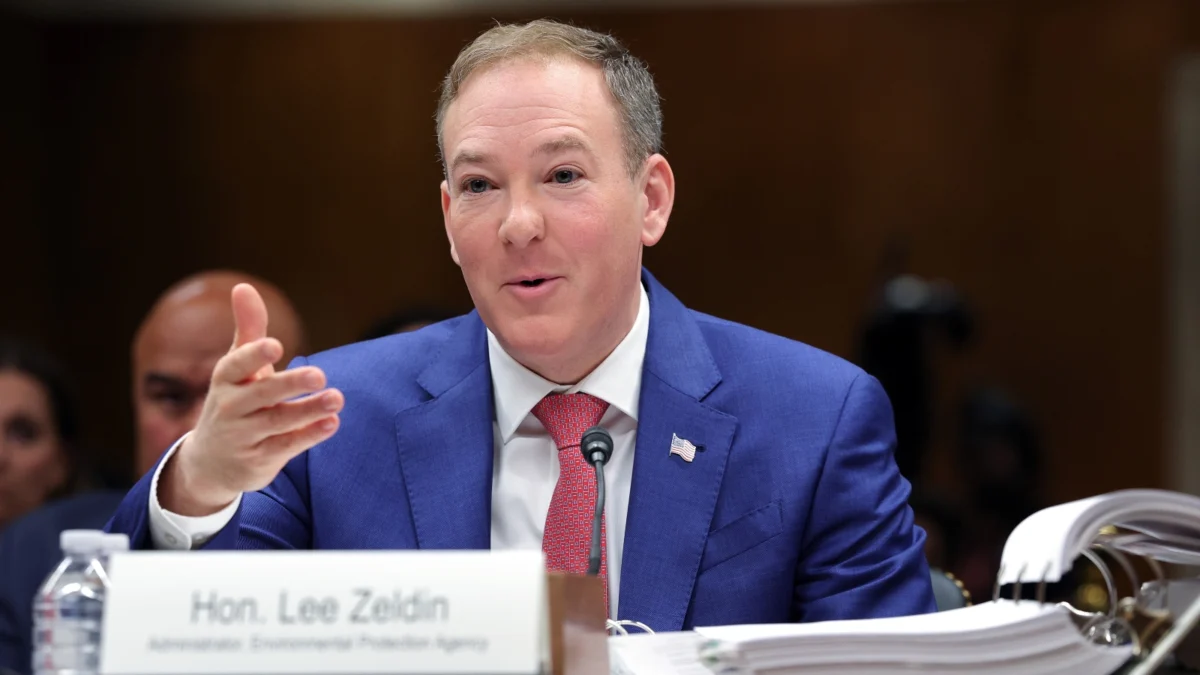
The landscape of American energy regulation is undergoing a seismic shift as the Trump administration moves to dismantle the Environmental Protection Agency’s (EPA) stringent greenhouse gas standards for power plants. This proposed policy reversal has triggered a wave of litigation from a coalition of public health organizations and environmental advocacy groups, including the Natural Resources Defense Council (NRDC) and the American Public Health Association (APHA). At the heart of the legal battle is the assertion that the rollback ignores the critical intersection of climate change and public health, potentially locking the nation into decades of carbon-intensive energy production.
The regulations currently on the chopping block were a centerpiece of the Biden administration’s climate strategy. They mandated that coal-fired power plants either implement carbon capture and storage (CCS) technology or face decommissioning by 2032. For new natural gas-fired plants, the rules imposed strict operational limits, forcing utilities to choose between installing carbon capture systems or significantly curtailing their capacity factors. By moving to repeal these standards, the current administration aims to remove what it views as regulatory overreach that threatens grid reliability and increases costs for consumers.
A Chronology of Policy Flux
The instability of federal energy policy has created a volatile environment for regional utilities. The regulatory timeline has been marked by rapid oscillations:
- 2022: The EPA introduces robust carbon standards for power plants, prompting major utilities, including Georgia Power, to update their long-term integrated resource plans (IRP). Georgia Power officially signals a shift away from coal, citing the economic infeasibility of retrofitting aging plants with carbon capture technology.
- 2024: Following the election of President Trump to a second term, the regulatory environment shifts. Anticipating the repeal of Biden-era mandates, utilities begin to adjust their capital expenditure plans.
- 2025: Georgia Power, with approval from the Georgia Public Service Commission (PSC), secures a delay in the retirement of critical coal units, specifically at Plant Scherer and Plant Gaston. The company defends this move by citing "regulatory uncertainty," employing complex planning scenarios to justify keeping high-emission assets online.
- 2026: The EPA formally moves to repeal the greenhouse gas standards. Legal challenges are filed immediately, arguing that the rollback violates the Clean Air Act and undermines the agency’s mandate to protect public health.
The Impact on Georgia’s Energy Mix
Georgia serves as a microcosm for the broader national struggle between legacy fossil fuel reliance and the transition to cleaner energy. Georgia Power, the state’s dominant utility, provides a clear case study on how market behavior shifts when federal enforcement is perceived as temporary.
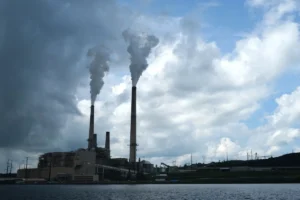
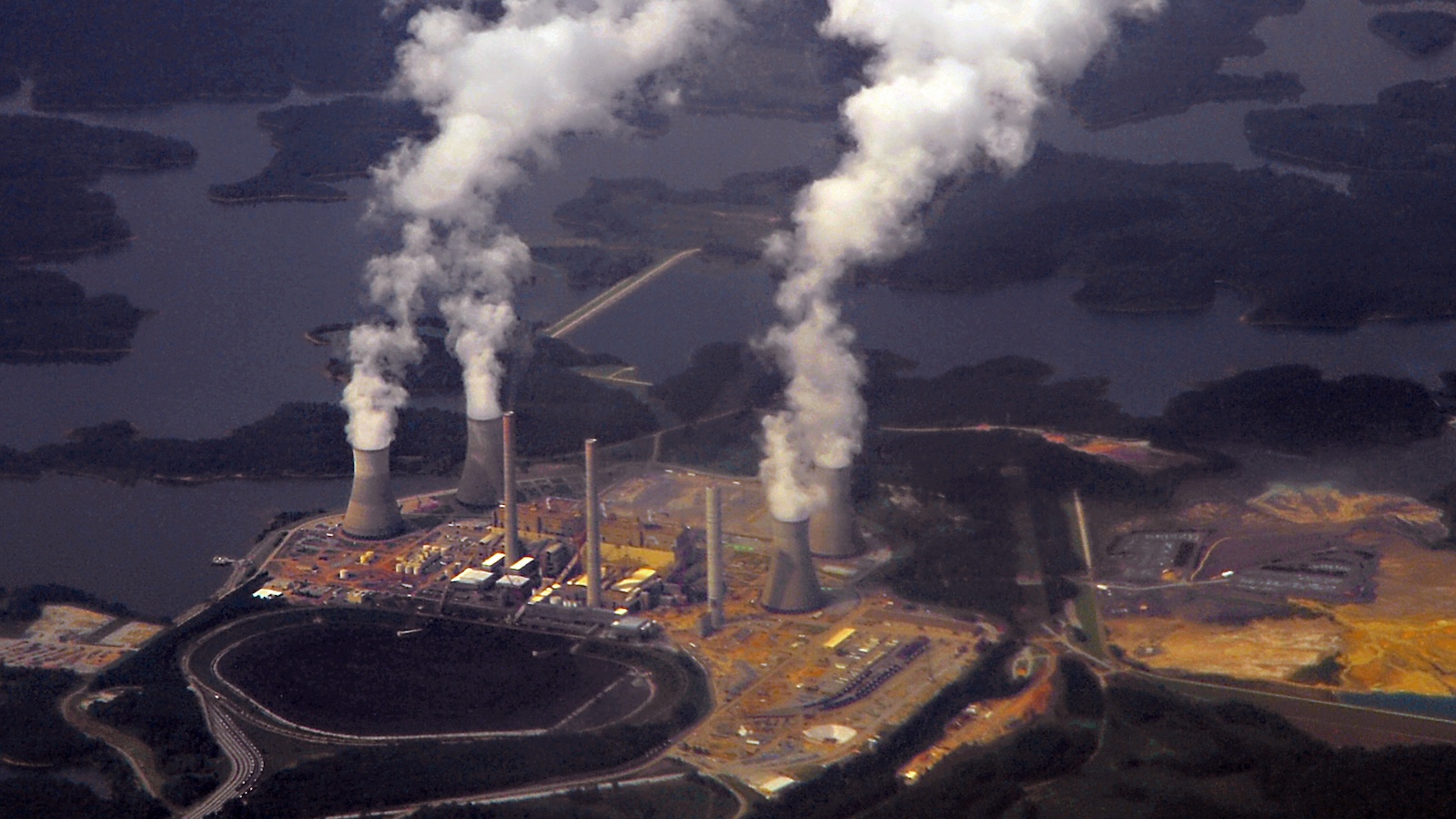
According to data from the Energy Information Administration (EIA), Plant Scherer, situated near Macon, produced more than 8 million tons of carbon dioxide in 2024. Plant Gaston, located in neighboring Alabama, contributed an additional 2 million tons. These figures are significant, as they represent substantial portions of the region’s stationary-source emissions.
Maggie Shober, Director of Utility Reform at the Southern Alliance for Clean Energy, notes that utilities have effectively been "gaming" the transition period. By banking on the repeal of the Biden-era rule, companies have maintained coal operations without committing to the expensive pollution controls that would have been required under the previous legal framework.
Furthermore, the surge in demand from data centers and the growing electrification of the economy has pushed Georgia Power to rapidly expand its natural gas generation fleet. Under the Biden-era regulations, these new gas turbines would have been restricted to a 40 percent annual capacity factor—a move designed to limit their carbon footprint to roughly 4 million tons per year. Without these federal constraints, the turbines are expected to run at an 85 percent capacity factor, effectively doubling the projected annual emissions to 8.5 million tons of CO2.
Perspectives from Public Health and Industry
The public health argument against the repeal is centered on the cumulative impact of air pollutants and climate-driven health risks. Georges C. Benjamin, CEO of the American Public Health Association, has been vocal in his opposition to the proposal. "Clean air is a basic human right," Benjamin stated. "Power plant pollution threatens the health of millions of Americans and fuels climate change, worsening extreme heat, poor air quality, and other serious health risks."
Conversely, utility representatives maintain that their primary duty is to ensure the reliability and affordability of the grid. Jeff Grubb, Georgia Power’s director of resource policy and planning, emphasized that the company must operate within a "flexible framework." During the 2025 resource planning hearings, the company justified its hedging strategy by running nine distinct planning scenarios. Only three of those scenarios factored in full compliance with the Biden-era EPA rules, while six operated under the assumption that the rules would be weakened or eliminated.
In response to inquiries regarding the environmental implications of the repeal, a spokesperson for Southern Company—Georgia Power’s parent organization—offered a measured statement: "The company supports regulatory certainty with a durable framework that leads to reliable and affordable electricity for our customers." Notably, the statement omitted any reference to the corporation’s stated goal of achieving net-zero emissions by 2050, raising questions among environmental analysts about the long-term viability of that commitment in a deregulated environment.
Analysis: Implications of Regulatory Reversal
The repeal of the EPA’s carbon standards represents more than just a change in technical requirements; it signifies a retreat from the federal government’s role in accelerating the decarbonization of the power sector.
The economic analysis of this shift is multifaceted. Proponents of the repeal argue that requiring carbon capture on coal and gas plants imposes prohibitive costs on utilities, which are ultimately passed down to ratepayers. By removing these mandates, they argue, utilities can maintain lower energy prices and prevent the premature retirement of assets that provide "baseload" power.
However, critics point to the "hidden costs" of carbon-heavy energy, including the long-term economic impact of climate change, the health costs associated with particulate matter and smog, and the risk of stranded assets. If a utility invests heavily in new, high-emission gas turbines today, those assets may become liabilities in the future if international or future domestic climate policies eventually tighten.
Furthermore, the legal challenges filed by the NRDC and others suggest that the EPA’s path to repeal will not be seamless. The Administrative Procedure Act requires agencies to provide a reasoned explanation for changing their positions. Environmental lawyers argue that the EPA’s justification for the repeal—particularly in the face of escalating climate data—may fail to meet the "arbitrary and capricious" standard of judicial review.
Looking Ahead
As the public comment period for the proposed rule change approaches, the debate is expected to intensify. The outcome will have profound consequences for the American energy transition. If the repeal stands, the path to meeting national climate targets will become significantly steeper, placing the burden of emission reductions on other sectors—such as transportation and industry—or relying on states and individual corporations to lead in the absence of federal oversight.
For states like Georgia, where the reliance on fossil fuels remains deeply entrenched despite the growth of renewables, the federal rule change effectively resets the clock. The decision to keep plants like Scherer and Gaston operational for the foreseeable future is a clear signal that, in the current political climate, the pressure to maintain low immediate costs and high energy output outweighs the long-term environmental directives set by the previous administration.
The tension between regulatory stability and political volatility remains the defining challenge for the U.S. energy grid. As utilities balance the immediate needs of a growing, energy-hungry economy against the looming requirements of a warming planet, the role of the EPA will continue to be the fulcrum upon which the nation’s energy future turns. The pending litigation will serve as the next major test of that authority, determining whether the federal government can maintain a consistent course in its effort to curb the power sector’s carbon output.
Related posts: