The Quest for Earths Internal Battery: How Geothermal Energy is Powering the Digital Frontier

Beneath the rugged topography of the Rocky Mountains, the Sierra Nevada, and the arid basins that stretch between them, a profound energy transformation is underway. For decades, the American West has been defined by its reliance on traditional fossil fuels and the intermittent nature of solar and wind energy. However, the same tectonic forces that carved the dramatic landscapes of the region have also concentrated a potent, untapped reservoir of thermal energy near the Earth’s surface. Today, a surge of innovative geothermal companies is seeking to harness this heat to solve one of the most pressing challenges of the modern age: how to provide stable, 24/7 carbon-free electricity to the ravenous data centers that underpin the global digital economy.
The rise of the artificial intelligence (AI) era has placed unprecedented pressure on the electrical grid. As tech giants like Google, Meta, and Oracle race to expand their cloud computing and AI training infrastructure, they have found themselves in a difficult bind. Solar and wind power, while affordable and abundant, are variable; the sun does not always shine, and the wind does not always blow. To maintain the "always-on" reliability required by massive data centers, companies have traditionally relied on natural gas turbines to fill the gaps. Now, these corporations are pivoting toward advanced geothermal energy as the "firm" power solution that could finally bridge the gap to a truly decarbonized grid.
The Technological Evolution of Geothermal
Traditional geothermal energy has historically been limited to a few geologically unique locations—such as the Geysers in California—where underground reservoirs of hot water and steam occur naturally near the surface. To produce power, these plants tap into these natural "hot springs," circulate the steam through turbines, and reinject the cooled fluid.
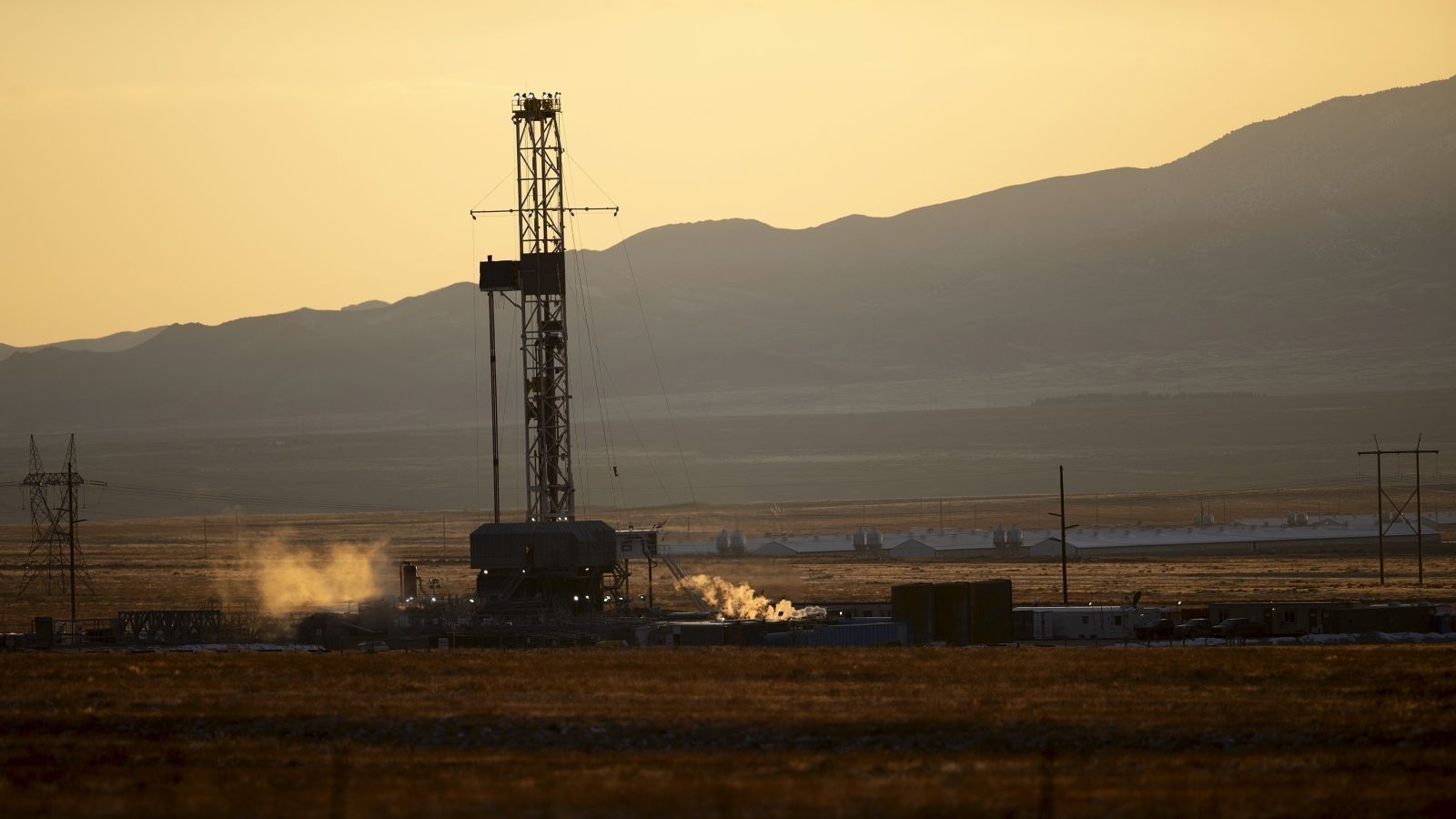
The current boom, however, is driven by "next-generation" geothermal technologies that borrow techniques from the oil and gas sector. Companies like Fervo Energy are utilizing horizontal drilling and hydraulic fracturing (fracking) to create artificial reservoirs in hot, dry rock where no water exists naturally. This "enhanced geothermal" approach significantly expands the map of where geothermal plants can be built, moving the industry out of niche volcanic zones and into the broader Mountain West.
Another path, pursued by companies like XGS Energy, involves "closed-loop" systems. These systems circulate a working fluid through a sealed pipe network that acts as a giant heat exchanger, absorbing thermal energy from the deep earth without ever coming into contact with the surrounding rock or local aquifers. While these systems offer a distinct advantage in water conservation, they face significant hurdles regarding efficiency and the longevity of the well infrastructure.
A Chronology of the Geothermal Surge
The momentum behind geothermal has accelerated rapidly over the last 24 months, fueled by both private sector investment and government policy.
- 2024: The U.S. Department of the Interior marks a milestone by auctioning geothermal leases on public lands, receiving record-breaking bids as developers scramble to secure rights to the most promising heat sites in the West.
- Early 2025: Meta announces a strategic partnership with XGS Energy to develop a 150-megawatt geothermal facility in New Mexico, highlighting the tech sector’s appetite for low-water-impact solutions.
- June 2025: The regulatory landscape shifts as California’s utilities begin the formal procurement process for "clean firm" power, mandated by the state’s goal of 100 percent carbon-free electricity by 2045.
- September 2026: Google confirms a major agreement to purchase 396 megawatts of power from Fervo’s Cape Station in Utah, a facility designed to supply enough electricity to power roughly 430,000 homes.
- Late 2026: Oracle proposes a 2-gigawatt renewable energy expansion in New Mexico, sparking a debate over the environmental trade-offs between massive data center electricity demand and regional water scarcity.
The Paradox of Water Scarcity
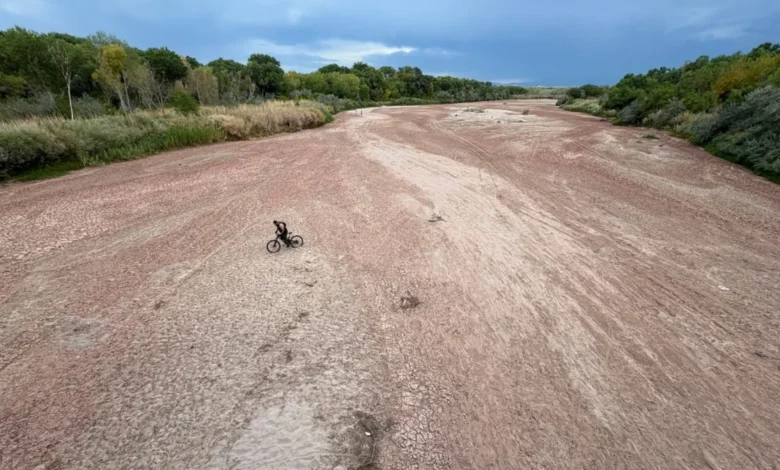
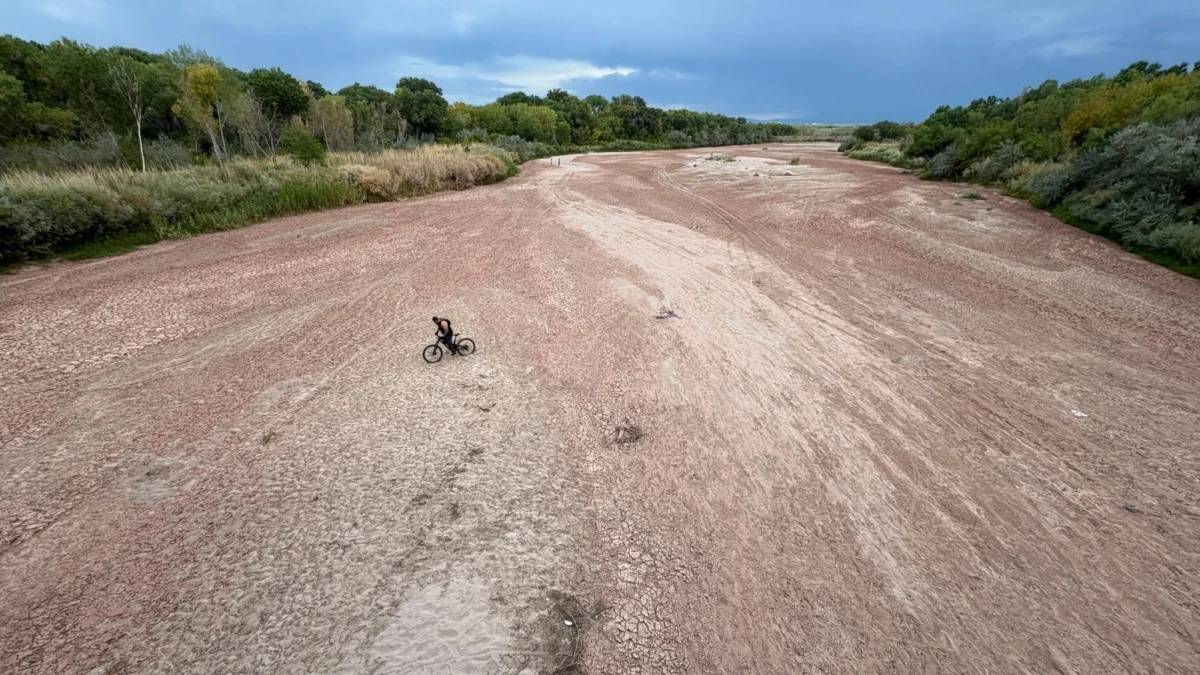
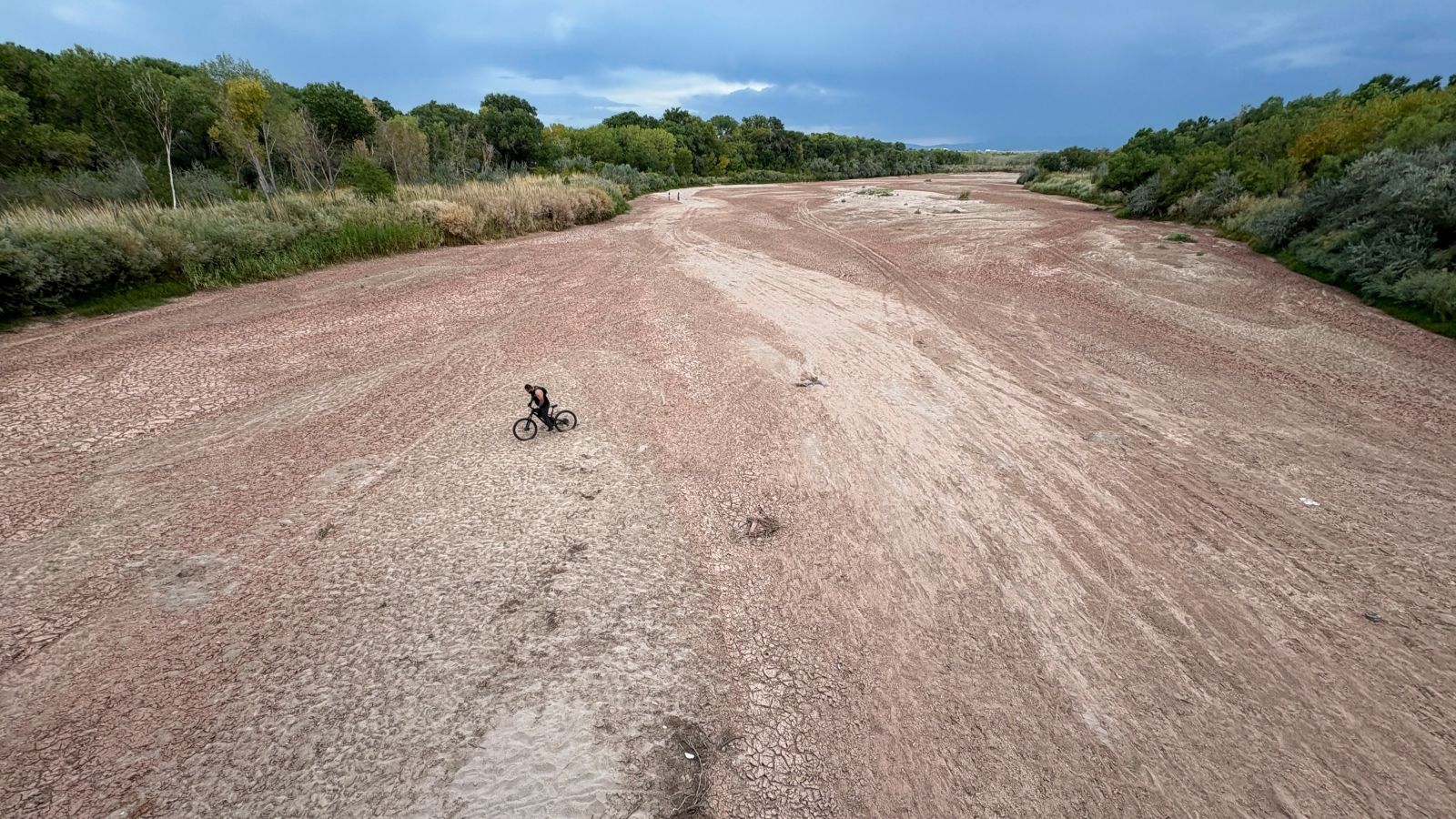
The most significant irony of the geothermal boom is its reliance on water—a resource that is increasingly precious in the drought-stricken Western United States. While geothermal is a "clean" energy source, the process of cooling steam or circulating fluids in enhanced geothermal systems requires significant volumes of water.
This creates a competitive tension. Data centers themselves are notorious water consumers, as they require massive amounts of liquid to cool the servers that generate heat as they process data. When a geothermal plant, which also consumes water, is built to power a data center, the strain on local watersheds is compounded.
Kristie McLin, a principal investigator at the Utah FORGE laboratory, points to the potential scale of this conflict. "If we look at proposals to power gigawatt-scale data centers entirely with enhanced geothermal, we are looking at water consumption in the tens of millions of gallons per day," McLin stated. For context, this volume represents a significant percentage of the daily water budget for major cities like Albuquerque.
Industry leaders are aware of the optics and the practical limitations. Fervo Energy has transitioned to using brackish, non-potable groundwater for its Cape Station project in an effort to avoid competing with municipal water supplies. Meanwhile, researchers at Utah FORGE are experimenting with well-spacing and injection techniques designed to minimize water loss, aiming to prove that the technology can be sustainable even in arid environments.
Economic and Infrastructure Hurdles
Despite the enthusiasm from tech companies, geothermal remains a capital-intensive industry. Drilling deep into the Earth is inherently risky; initial exploration costs are high, and the geology can be unpredictable. Unlike a solar farm, where the generation potential is relatively easy to model, a geothermal well may underperform due to unforeseen rock density or heat gradients.
"The financial community has been hesitant because of the ‘drilling risk,’" notes Mike O’Connor of the Mountain West Geothermal Consortium. "Data center contracts provide the long-term, stable revenue stream needed to attract the institutional capital required for these projects. But even with tech giants acting as a backstop, the industry still has to prove that it can scale without ballooning costs."
Roland Horne, who leads the geothermal program at Stanford University, adds that there is a delicate balance between water efficiency and power output. "Closed-loop systems are theoretically more water-efficient, but they currently struggle to compete on a per-megawatt cost basis with enhanced geothermal," Horne explains. "Until the technology matures, we may see a period where developers have to choose between a smaller, water-efficient footprint or a larger, more economically viable system that requires higher water volumes."
Broader Implications for the Clean Energy Transition
The success of these geothermal projects carries weight far beyond the tech sector. California’s 2045 climate goals depend heavily on the ability to maintain grid stability during the night, when solar output drops to zero. Currently, the state relies on battery storage to cover the evening ramp-up, but long-duration storage remains expensive and limited. Geothermal offers the "baseload" reliability that batteries currently cannot provide over multi-day periods.
The role of the federal government remains central to this transition. Research facilities like Utah FORGE, funded by the Department of Energy, are providing the data and testing grounds necessary to reduce the technical risk for private developers. By refining methods for fracturing and water management, these labs are effectively de-risking the sector for commercial players.
As the industry looks toward the next decade, the narrative is shifting from a search for "niche" power to a quest for a foundational energy pillar. While the challenges of water consumption and high capital costs are real, the alignment of interest between the tech industry’s need for constant power and the state’s need for carbon-free baseload energy provides a powerful incentive for innovation.
The integration of geothermal into the Western energy mix is not merely an environmental imperative; it is an economic necessity for the expansion of the digital economy. If developers can successfully navigate the water-energy nexus and drive down the costs of deep-crustal drilling, the heat trapped beneath the Rockies may prove to be the most reliable, and ultimately the most important, component of the 21st-century power grid. For now, the industry remains in a "proof of concept" phase, with the eyes of both climate scientists and corporate sustainability officers fixed on the dry, hot earth of the Mountain West.
Related posts: