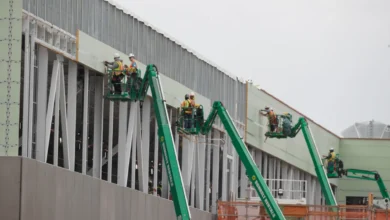
Bannock County and the High-Stakes Battle Over the Future of Rural Energy Development

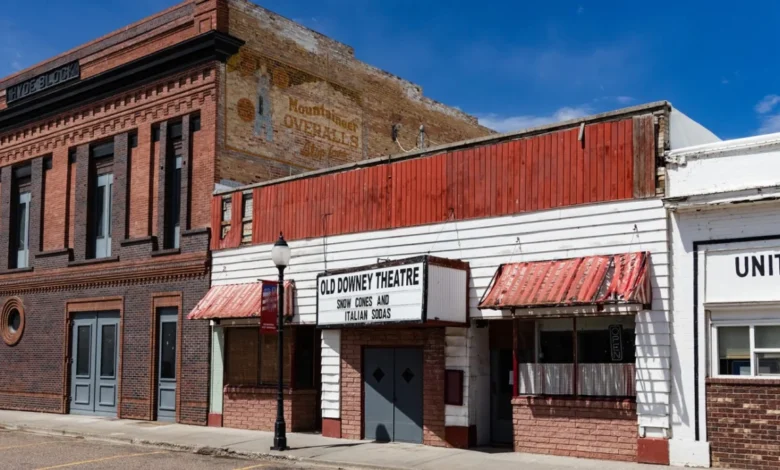
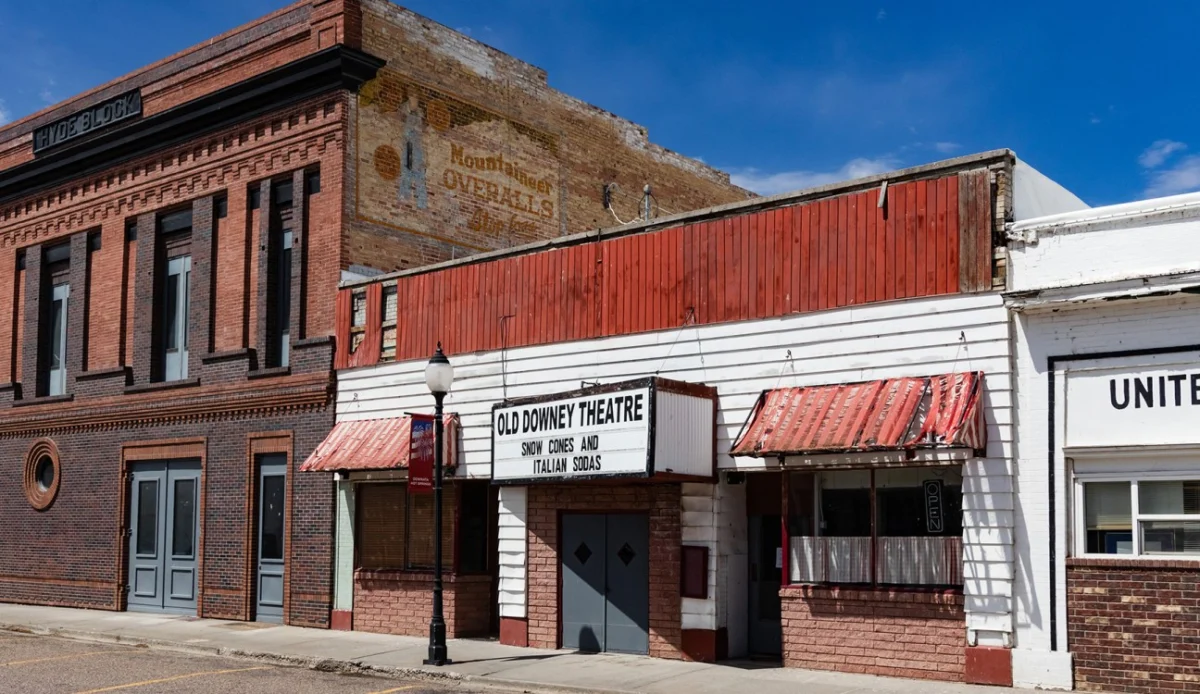
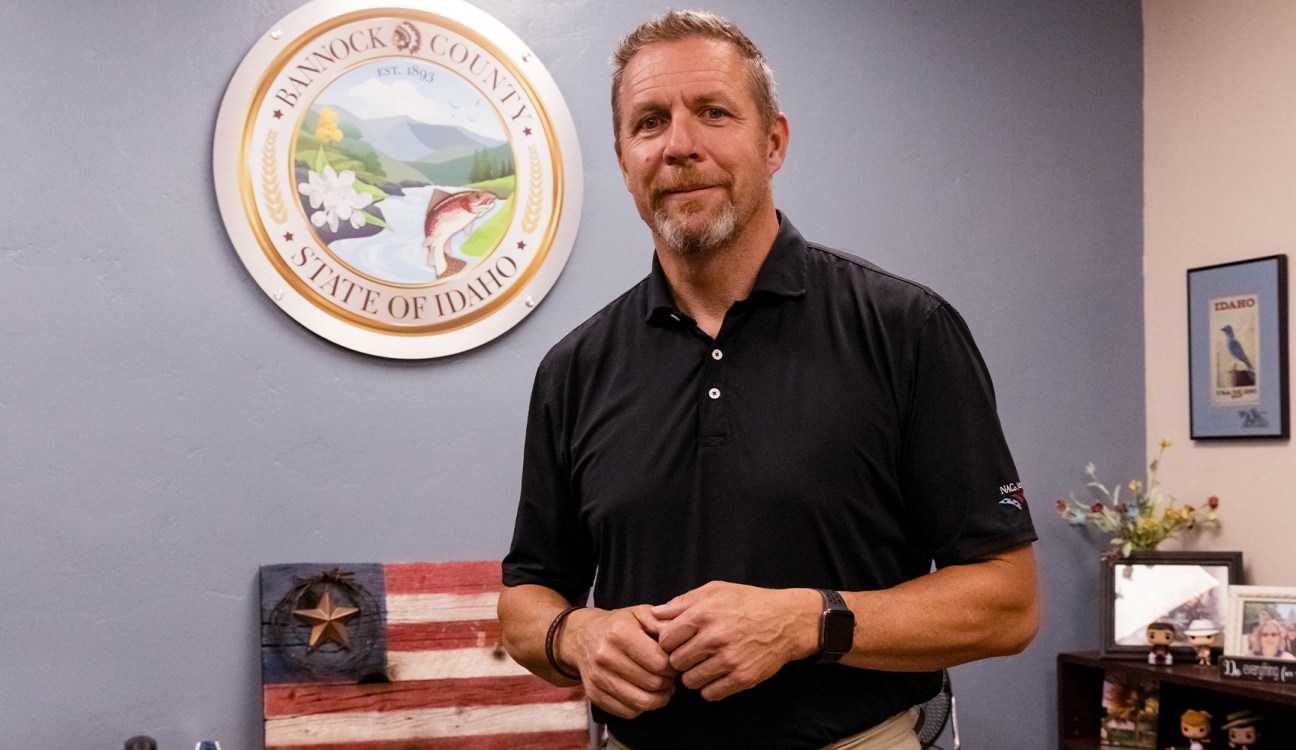
Jeff Hough stood before a packed courthouse in March 2024, his voice echoing with the weight of historical precedent. As a Republican county commissioner in Idaho’s Bannock County, he was pleading with his colleagues to uphold what he described as the fundamental American right to private property. He invoked the Declaration of Independence, arguing that a blanket ban on utility-scale solar and wind energy projects would betray the county’s foundational principles. His plea, however, failed to sway the commission. In a 2–1 vote, the county enacted a strict ordinance prohibiting large-scale renewable energy development, marking a significant victory for local opposition groups.
This legislative standoff serves as a microcosm of a broader, intensifying national debate. As the United States navigates an aggressive energy transition, rural counties have become the primary battlegrounds. According to a joint analysis by The Daily Yonder and Canary Media, utilizing data from USA Today and Columbia University’s Sabin Center for Climate Change Law, approximately 25 percent of U.S. counties implemented some form of moratorium or impediment to clean energy development by 2025—a sharp increase from 15 percent in 2023. More than 60 percent of these restrictive jurisdictions are classified as rural, highlighting a growing tension between national decarbonization goals and the desire for local land-use autonomy.
A Timeline of Resistance and Regulation
The road to the 2024 ban began in late 2023, following an Idaho Association of Counties conference in Boise. At the time, the state was gripped by debates surrounding the Lava Ridge Wind Project—a massive 1-gigawatt proposal slated for over 57,000 acres of federal land. The project became a flashpoint for concerns regarding federal overreach and the industrialization of rural landscapes. Though the project was eventually canceled by the Interior Department in August 2025, the apprehension it fueled remained palpable in county halls across Idaho.
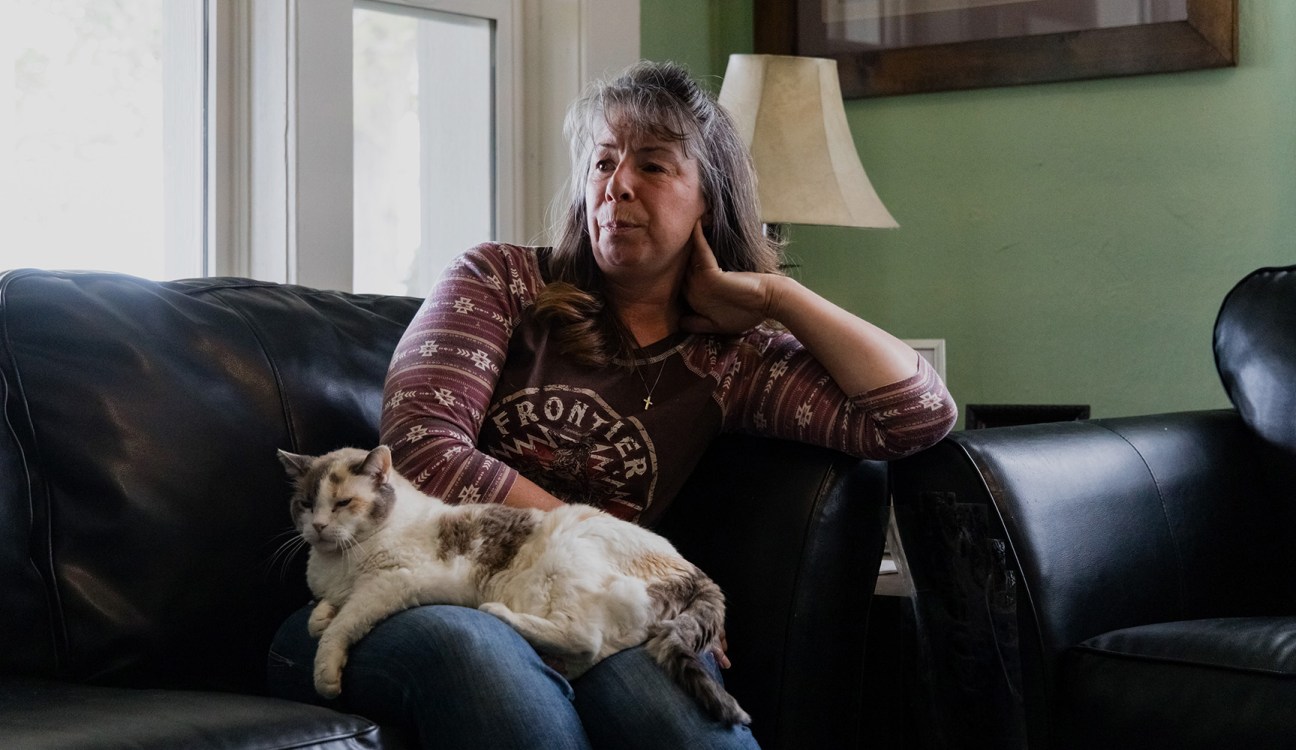
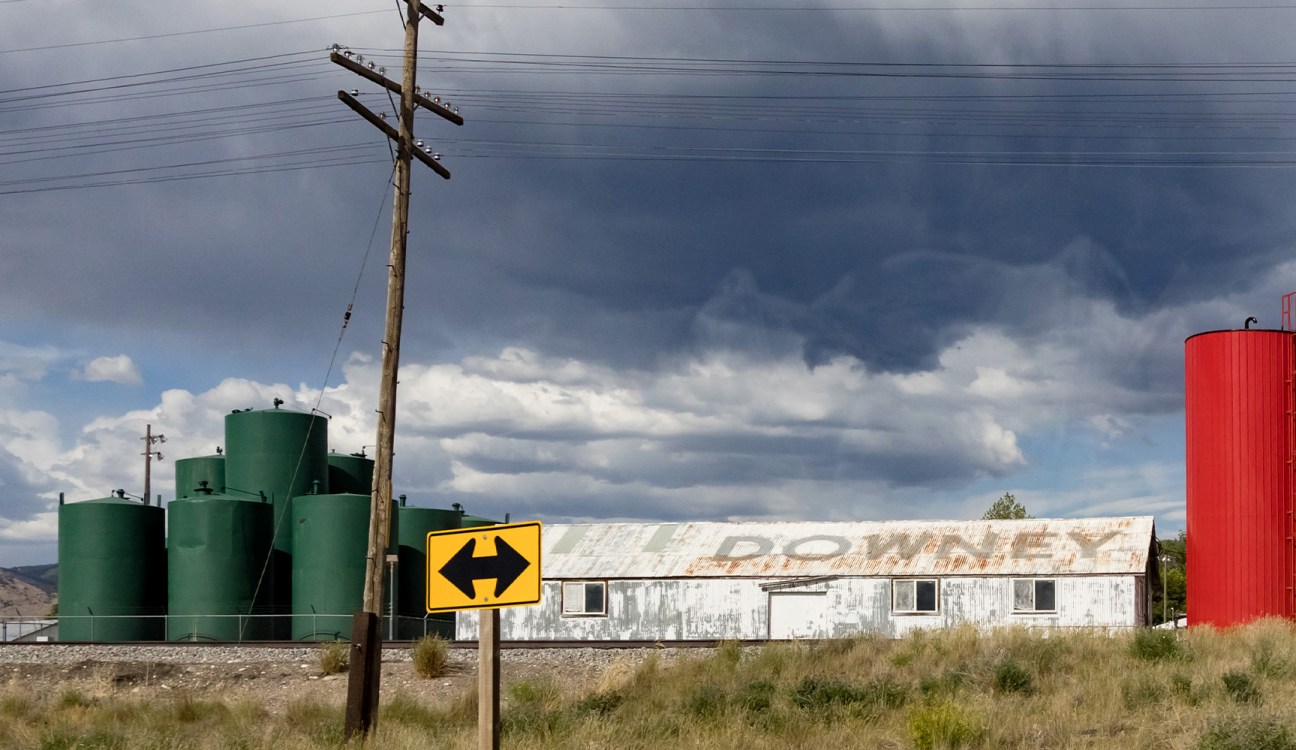
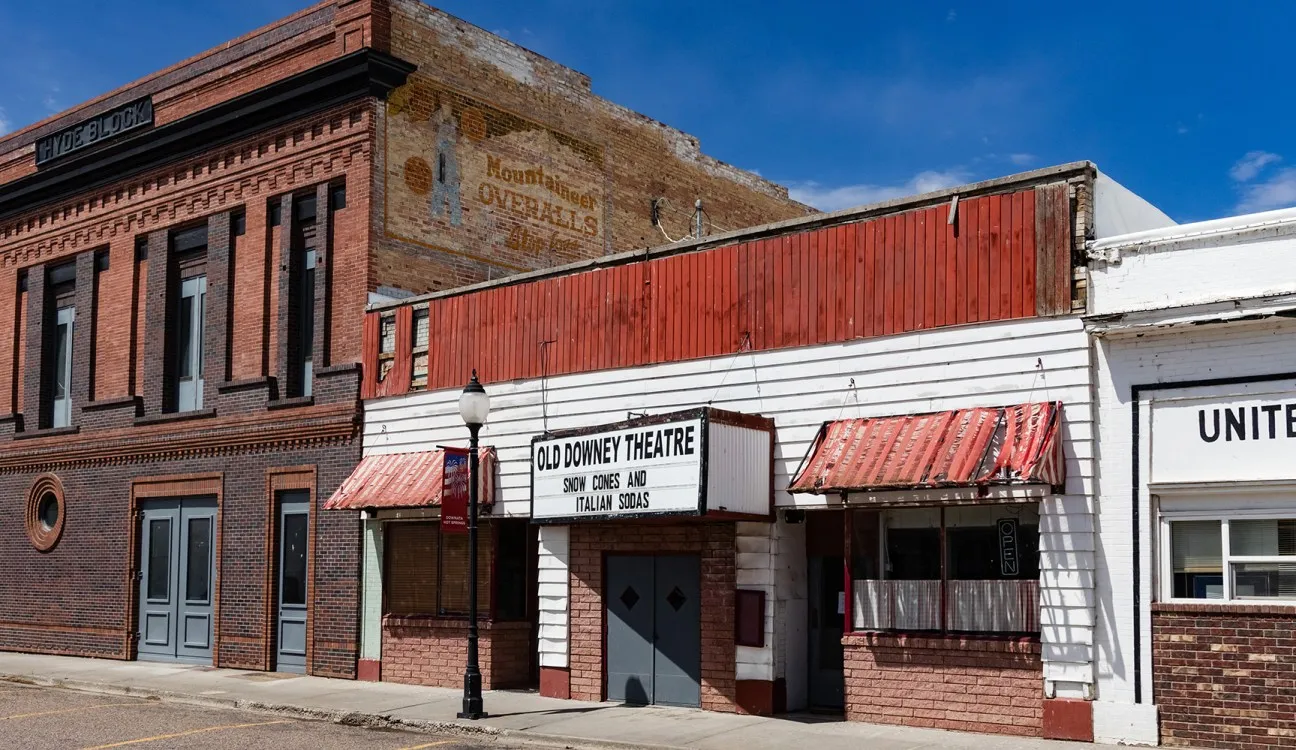
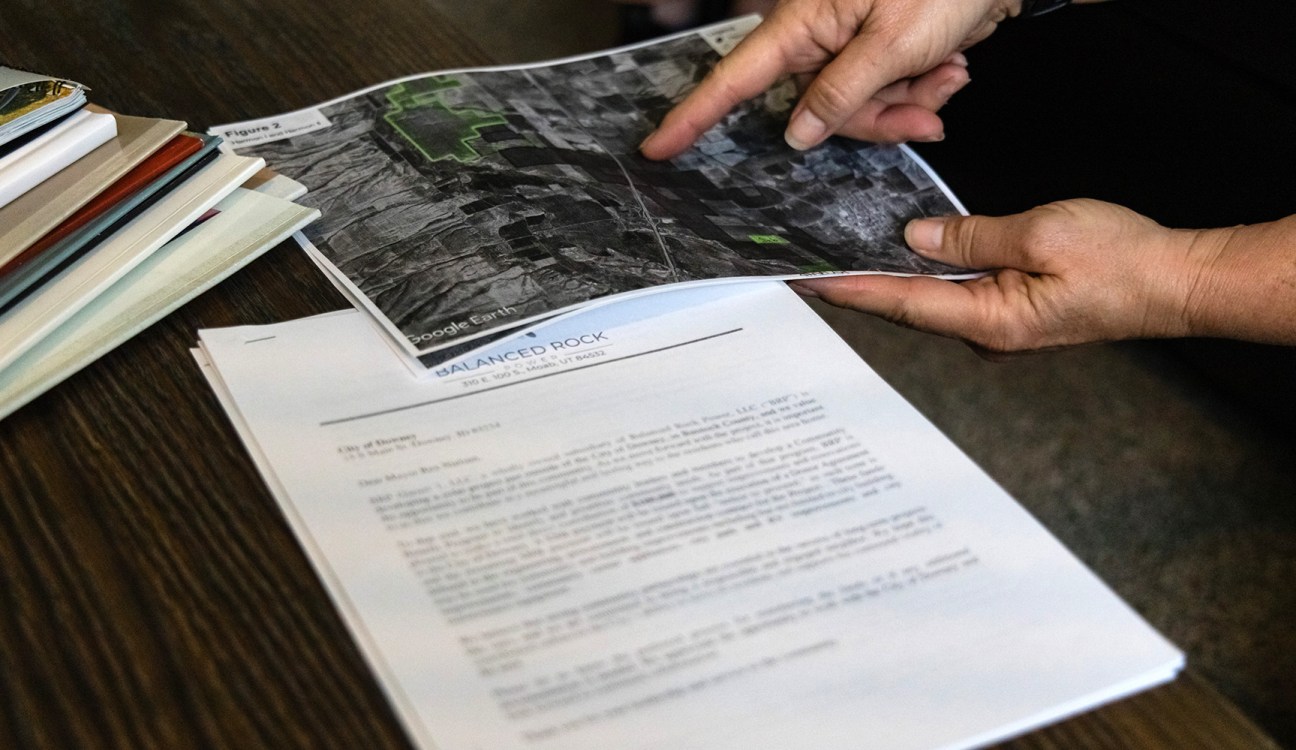
When Hough returned from the conference, he learned that developers like Hecate Energy and Balanced Rock Power had begun approaching private landowners in Bannock County. Fearing that the county was unprepared to manage this sudden influx of interest, Hough initiated a six-month moratorium in October 2023. The intent, he claimed, was to establish a robust regulatory framework. Instead, the moratorium galvanized an organized opposition led by residents like Rebecca Falcon of Downey, who viewed the potential for solar infrastructure as an existential threat to the region’s agricultural heritage.
The subsequent months saw public hearings move from courthouses to high school auditoriums to accommodate the influx of concerned citizens. By March 2024, the divide was clear: while some landowners viewed leasing their less-productive acreage as a vital economic lifeline in the face of persistent drought, others perceived it as an encroachment on the community’s character. The commission’s vote to uphold the ban solidified this split, effectively halting projects such as the proposed 300-megawatt Harmon Solar Project.
Economic Realities and the Drought Crisis
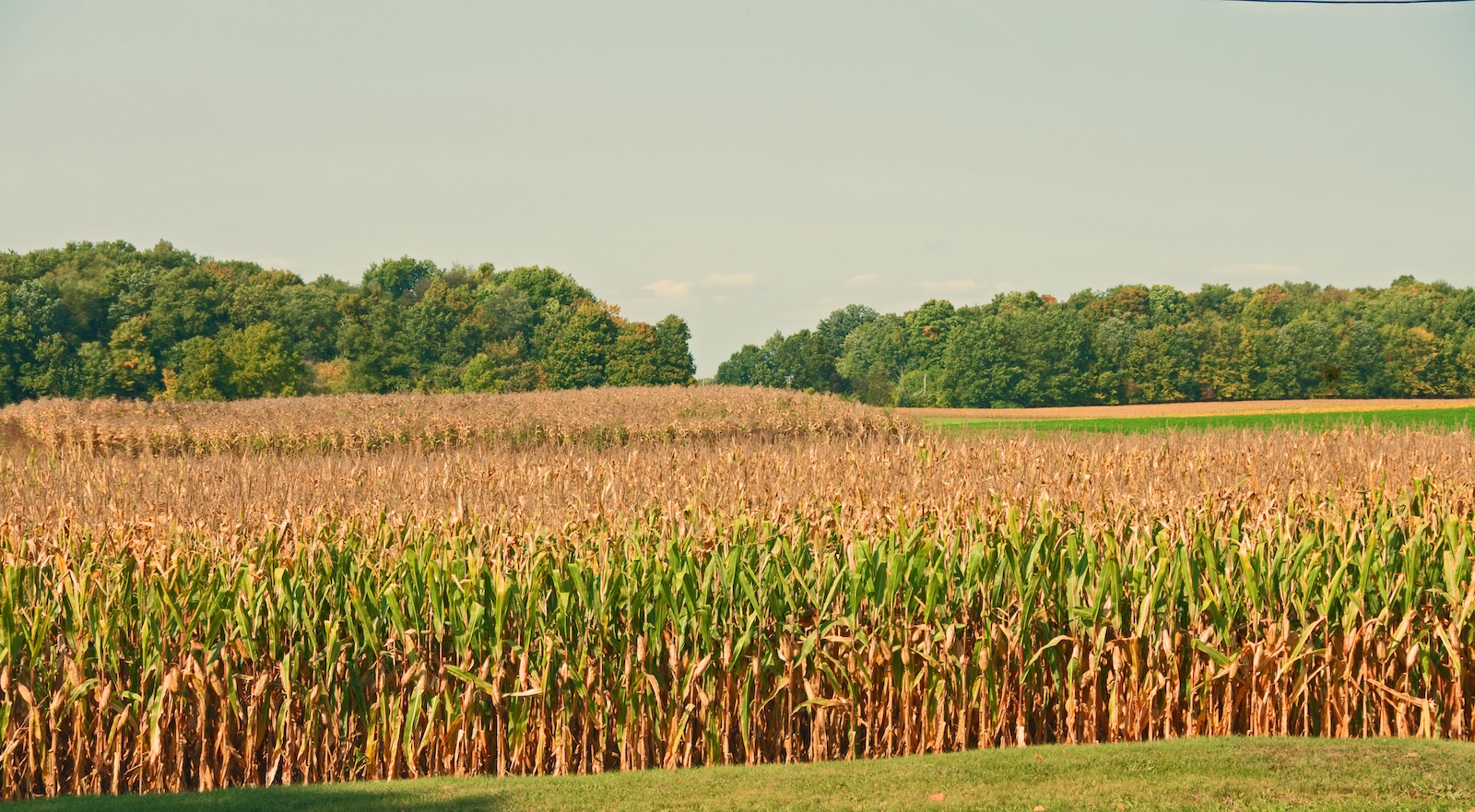
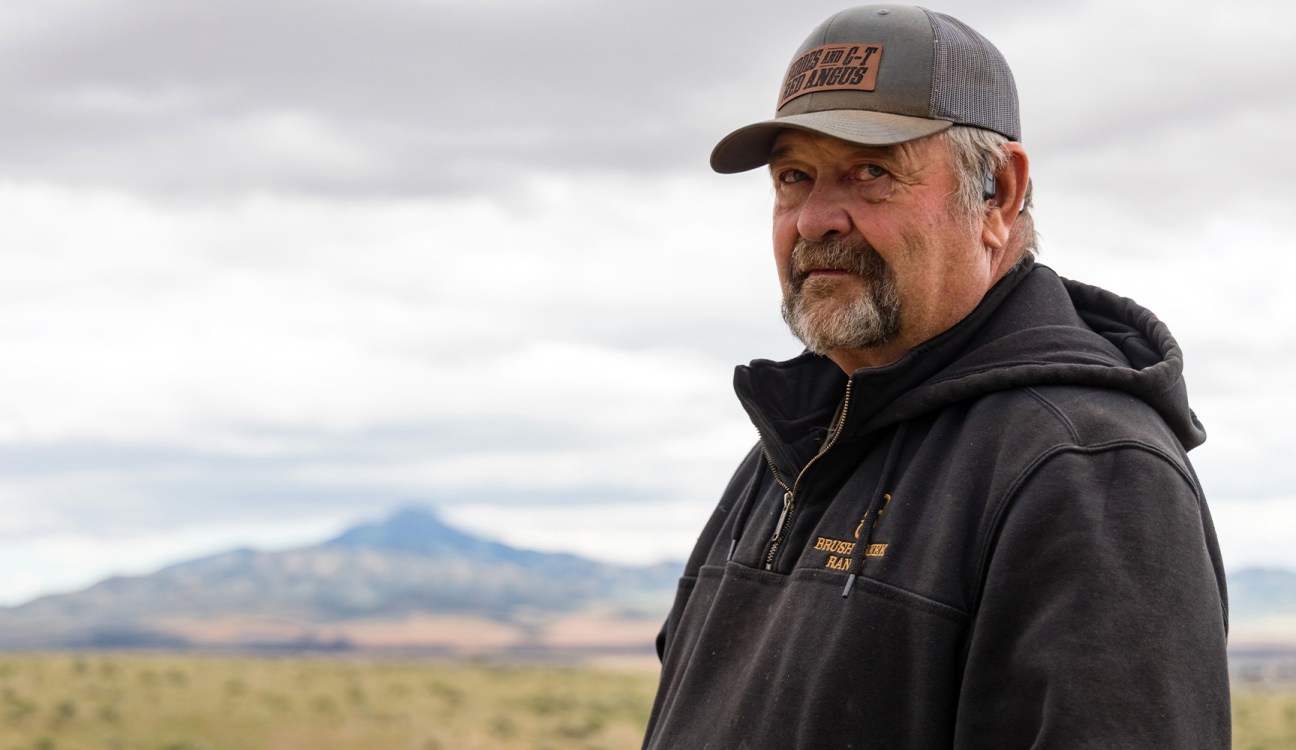
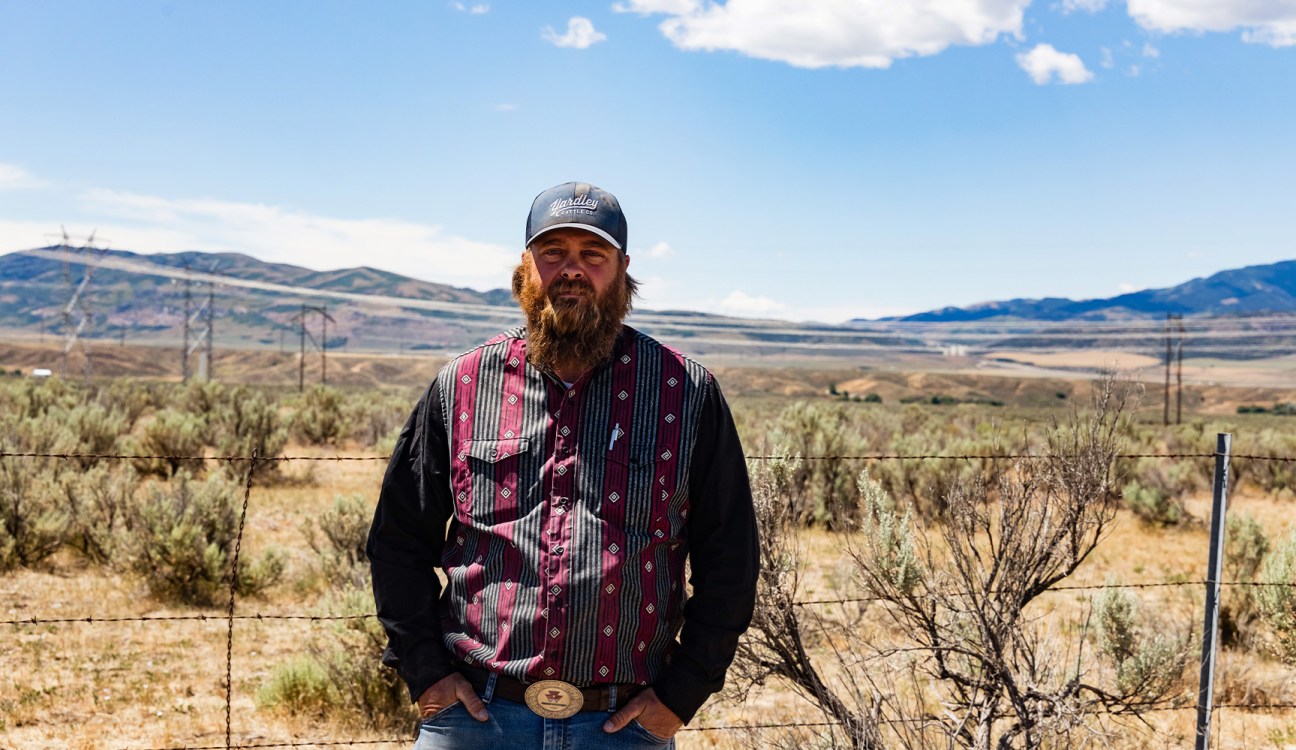
The opposition in south Bannock County often focuses on the preservation of land. However, for farmers like Steve Criddle and Dale Lish, the economic reality is increasingly dire. Climate change has exacerbated drought conditions, with recent years seeing record-low snowfall and significant drops in crop yields. Lish, a retired USDA employee, noted that wheat farming in the region is becoming untenable without irrigation, and groundwater resources are strictly limited.
For these farmers, solar leases offered a chance to maintain ownership of their land while securing a predictable income stream. Lish noted that income projections from solar development were four to five times higher per acre than traditional dryland wheat farming. "It’s about sustainability for the next generation," Lish remarked. Proponents of the projects argue that the transition to energy production on non-prime land is a pragmatic response to the changing agricultural landscape, rather than a departure from it.
The Nuclear Pivot: A Consensus for Change?
Perhaps the most surprising development in the Bannock County narrative is the emerging consensus regarding nuclear energy. While solar and wind have faced fierce resistance, a 2026 county survey revealed that 90 percent of respondents held favorable views toward nuclear energy. This shift is partially driven by the region’s proximity to the Idaho National Laboratory (INL), a hub for advanced nuclear research.
With the federal government increasingly prioritizing microreactor technology and AI-driven energy solutions, leaders like Hough are positioning Bannock County as a future hub for the industry. However, critics and realists point out that utility-scale nuclear projects are capital-intensive, technically complex, and often a decade or more away from deployment. As Commissioner Hough noted, "Nuclear is the future, but it’s 10 years away. We have to have something to help us get there."
The irony of the current situation is that the very residents who opposed solar based on land-use concerns are now the most vocal supporters of nuclear initiatives. "If you can have 30 acres with a nuclear plant on it, why would you give up thousands for solar?" Falcon asked. This perspective highlights the ongoing challenge for energy developers: the need to address land-use efficiency and transparency in a political climate that is increasingly skeptical of large-footprint infrastructure.
Implications for the Power Grid
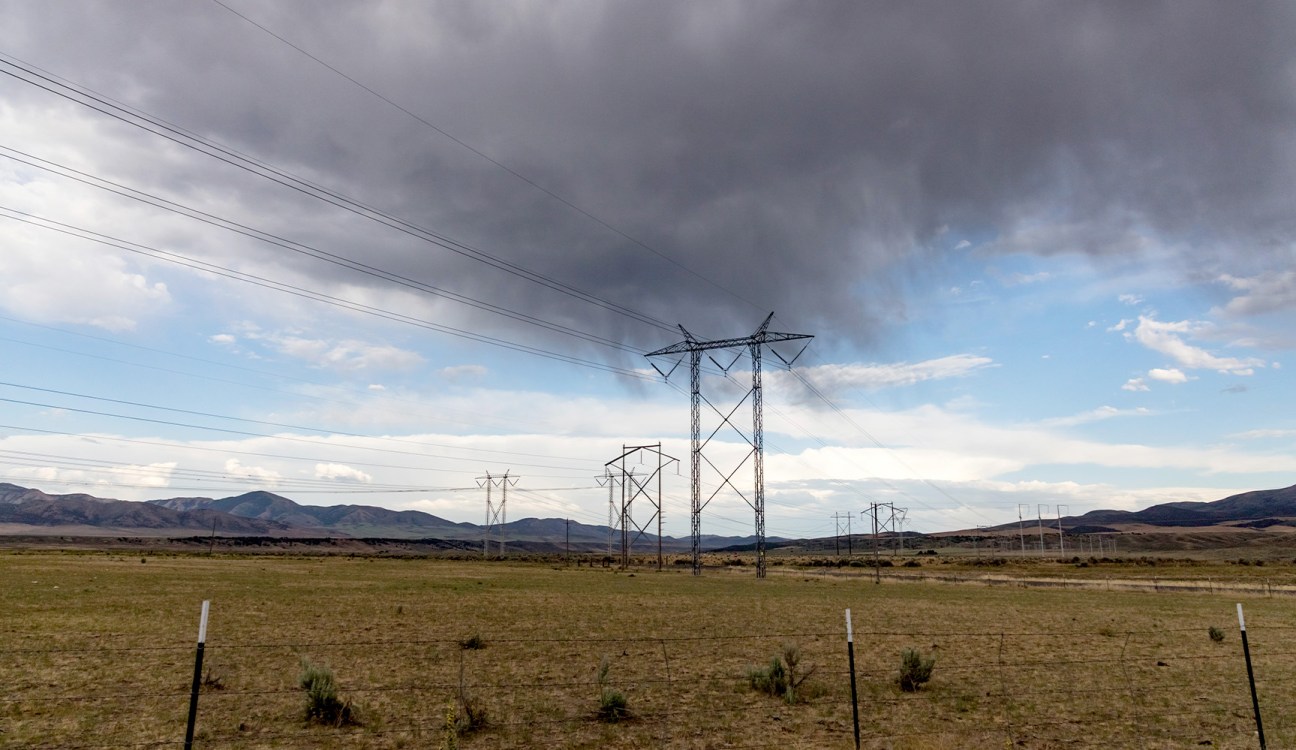
The delay in Bannock County comes at a critical juncture for Idaho’s energy infrastructure. Idaho Power has projected a need for an additional 1 gigawatt of capacity by 2030—a 26 percent increase from current levels. The Populus substation in Bannock County represents one of the most strategic locations in the region for grid integration. Building new generation near such critical nodes is significantly more cost-effective than developing remote sites, a factor that ultimately impacts utility rates for all consumers.
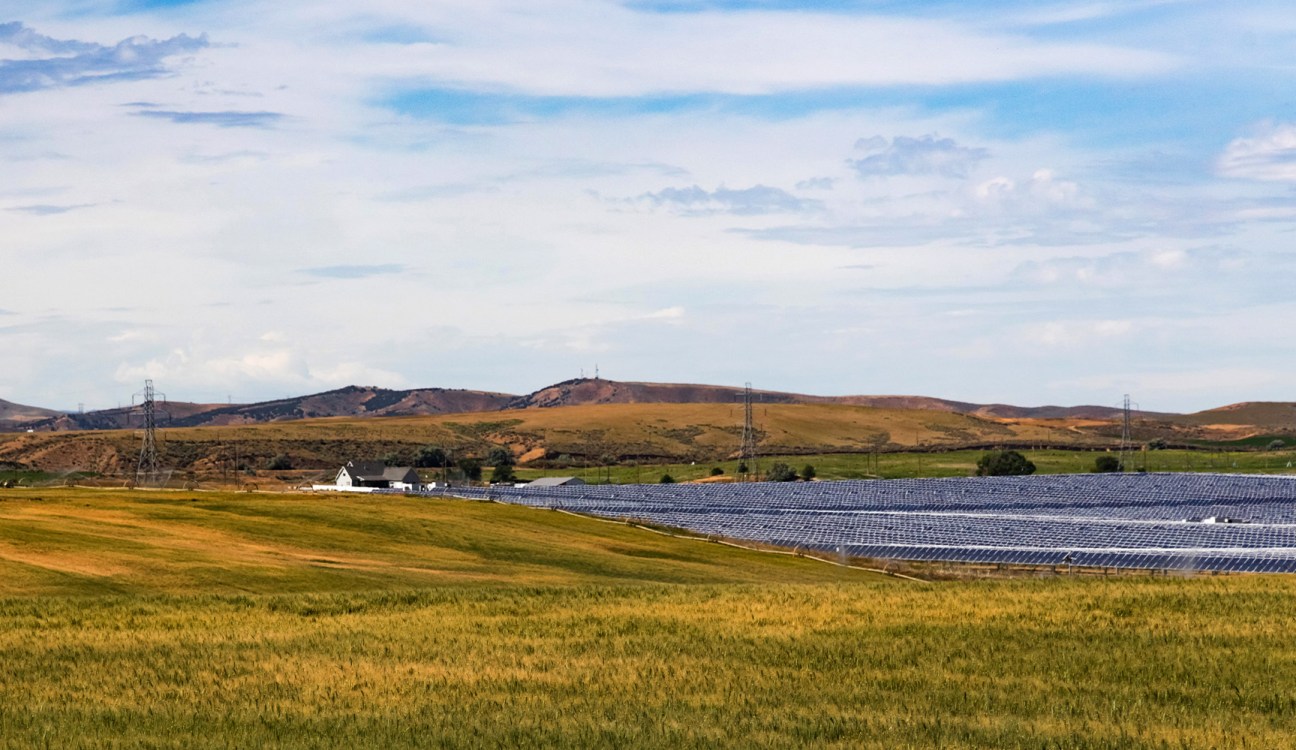
As PacifiCorp moves forward with the Energy Gateway project—a series of high-voltage transmission lines designed to bolster regional reliability—the lack of local generation capacity in Bannock County could leave the area vulnerable. The failure to secure a balanced regulatory approach means that capital and potential tax revenue are flowing to neighboring jurisdictions like Power and Bingham counties, which have embraced renewable development. In 2024, these counties reported over $1.5 million in combined tax revenue from energy projects, funds that have supported local schools and essential public services.
The Path Forward
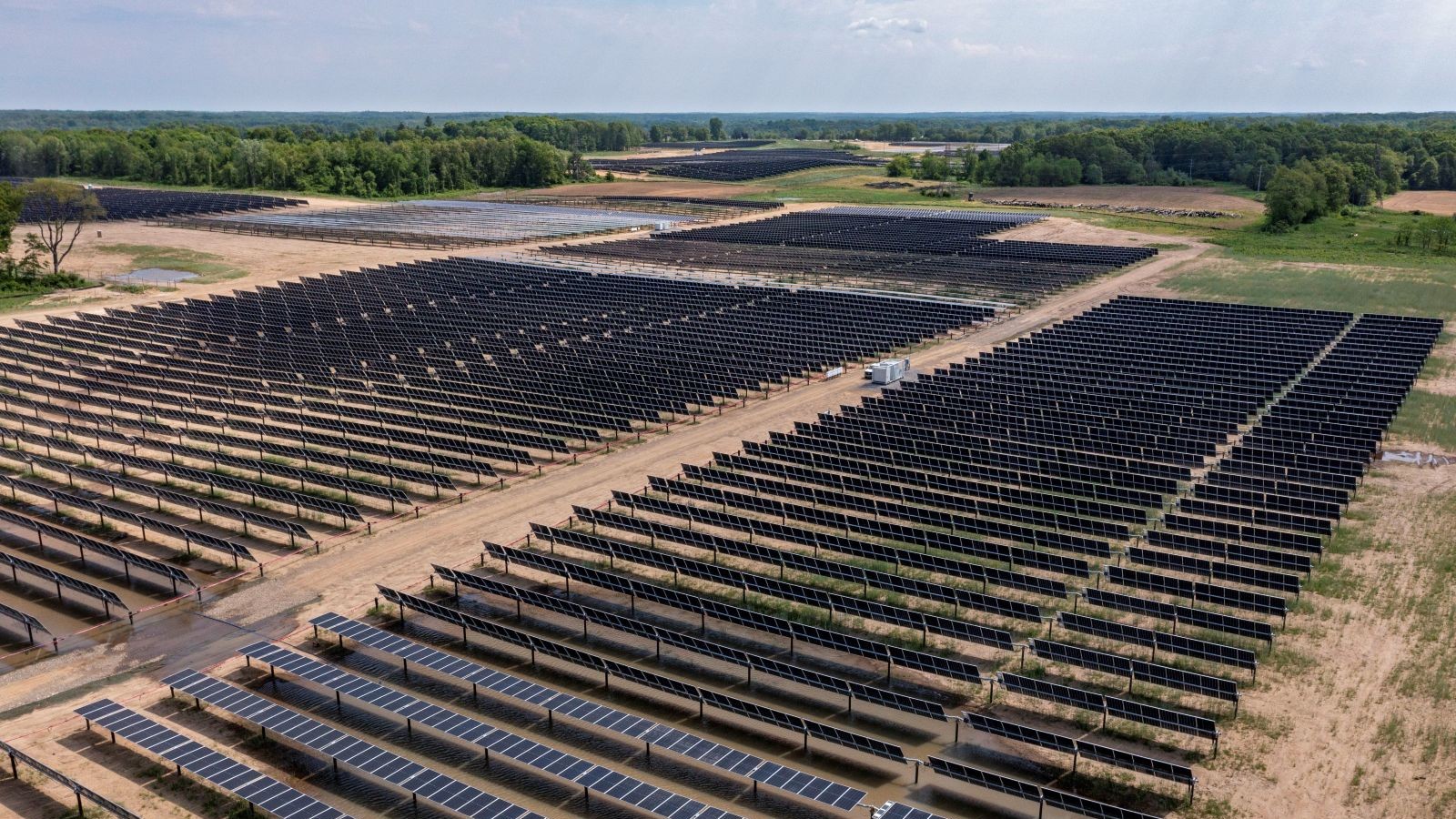
As of late 2026, the Bannock County commission is preparing for a pivotal vote on a new, more comprehensive ordinance. This draft legislation aims to address the concerns that fueled the 2024 ban, including stringent requirements for site decommissioning, bonding to ensure land restoration, and mandates for developers to support local fire departments with specialized training and equipment.
Commissioner Ernie Moser, who previously supported the ban, has expressed a shifting perspective. Having visited existing solar installations in neighboring counties and engaged in extensive briefings with energy providers, Moser describes the process as a "steward’s burden." His focus remains on ensuring that any development is done "the right way."
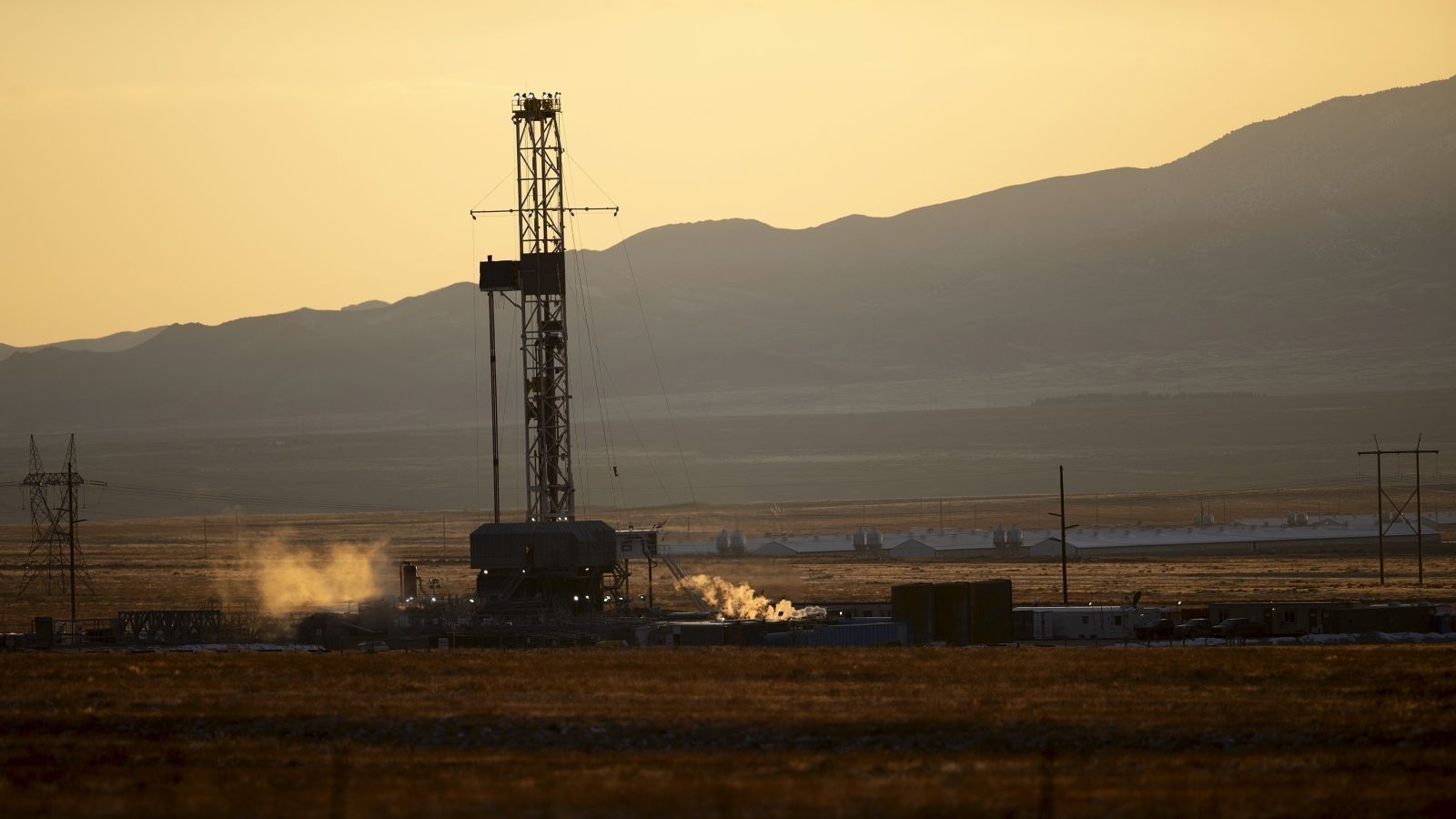
Whether the commission will successfully repeal the ban remains uncertain. The ideological chasm between those prioritizing property rights and those seeking to limit industrial development is wide. However, the pressure to meet Idaho’s growing energy demand, combined with the potential for tax revenue to restore lost local services, creates a compelling argument for compromise.
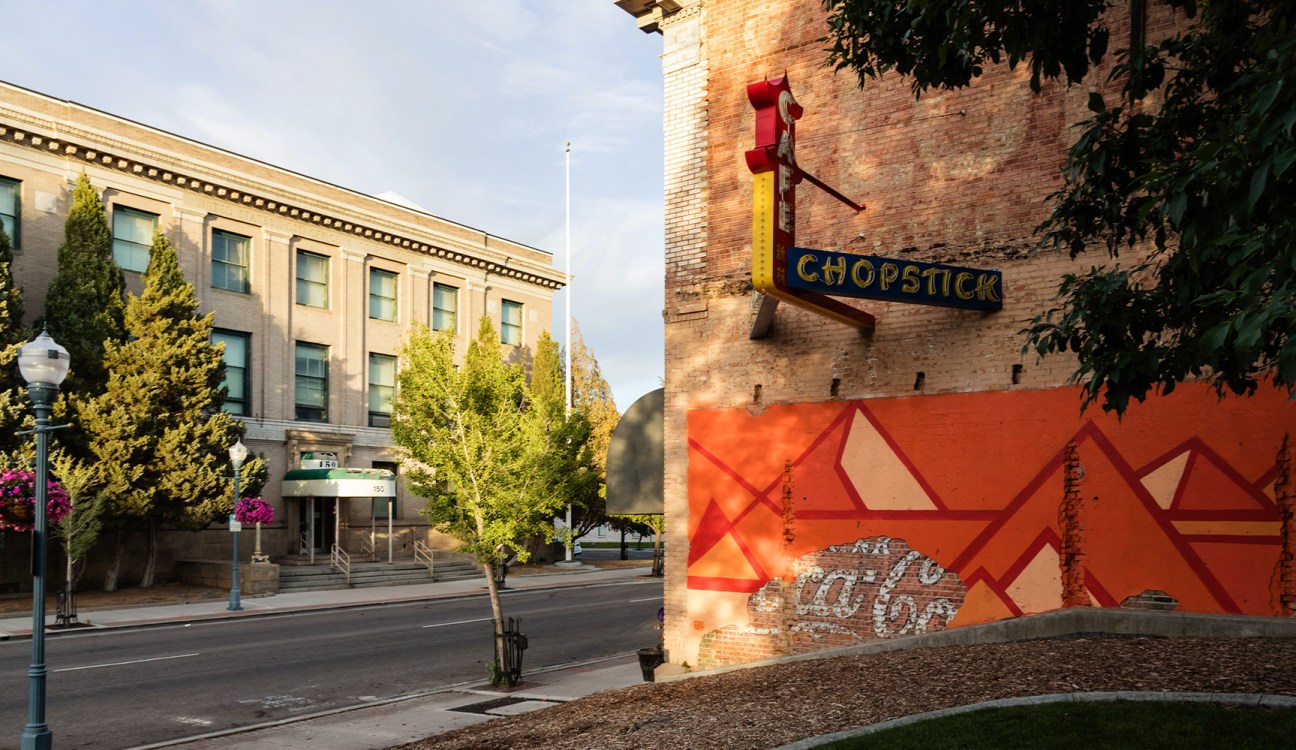
The Bannock County case study demonstrates that the energy transition is not merely a technical or environmental issue; it is a profound social negotiation. As the county moves toward its upcoming vote, the outcome will likely serve as a blueprint—or a warning—for other rural communities attempting to balance the preservation of their past with the requirements of an electrified future. For the residents of Bannock County, the question is no longer just about where to place solar panels or nuclear reactors, but what kind of economic foundation they wish to leave for the next generation of Idahoans.
Related posts: