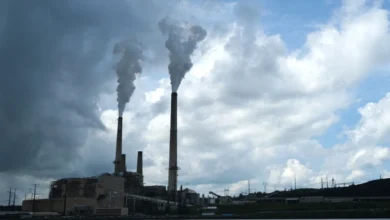
A clean energy source is buried under the desert, but it takes water to use it

The Convergence of Tech and Tectonics
For years, geothermal energy was considered a niche power source, constrained by geography and the specific conditions required to bring steam to the surface. However, the rise of artificial intelligence and cloud computing has created an unprecedented demand for "firm" power—electricity that is available 24/7, regardless of weather conditions or time of day. Unlike solar and wind, which are intermittent and require battery storage to bridge production gaps, geothermal provides a consistent, carbon-free baseload.
Tech giants such as Google and Meta have emerged as the primary financiers for this new generation of geothermal projects. In June 2025, Google entered into a landmark agreement to procure 396 megawatts of power from Fervo Energy’s Cape Station facility in southwest Utah. This single contract is projected to provide enough electricity to power approximately 430,000 households. Similarly, Meta has committed to supporting projects like XGS Energy’s closed-loop systems in New Mexico. These corporate off-take agreements have provided the financial stability that has long eluded the geothermal industry, effectively de-risking projects that traditional utilities might have deemed too speculative.
The Technological Evolution: From Conventional to Enhanced
The traditional model of geothermal energy relies on naturally occurring reservoirs of hot water and steam. Engineers drill into these pockets, capture the steam to spin turbines, and return the fluid to the reservoir. This method is highly efficient but restricted to a few volcanic or geologically active "hot spots."
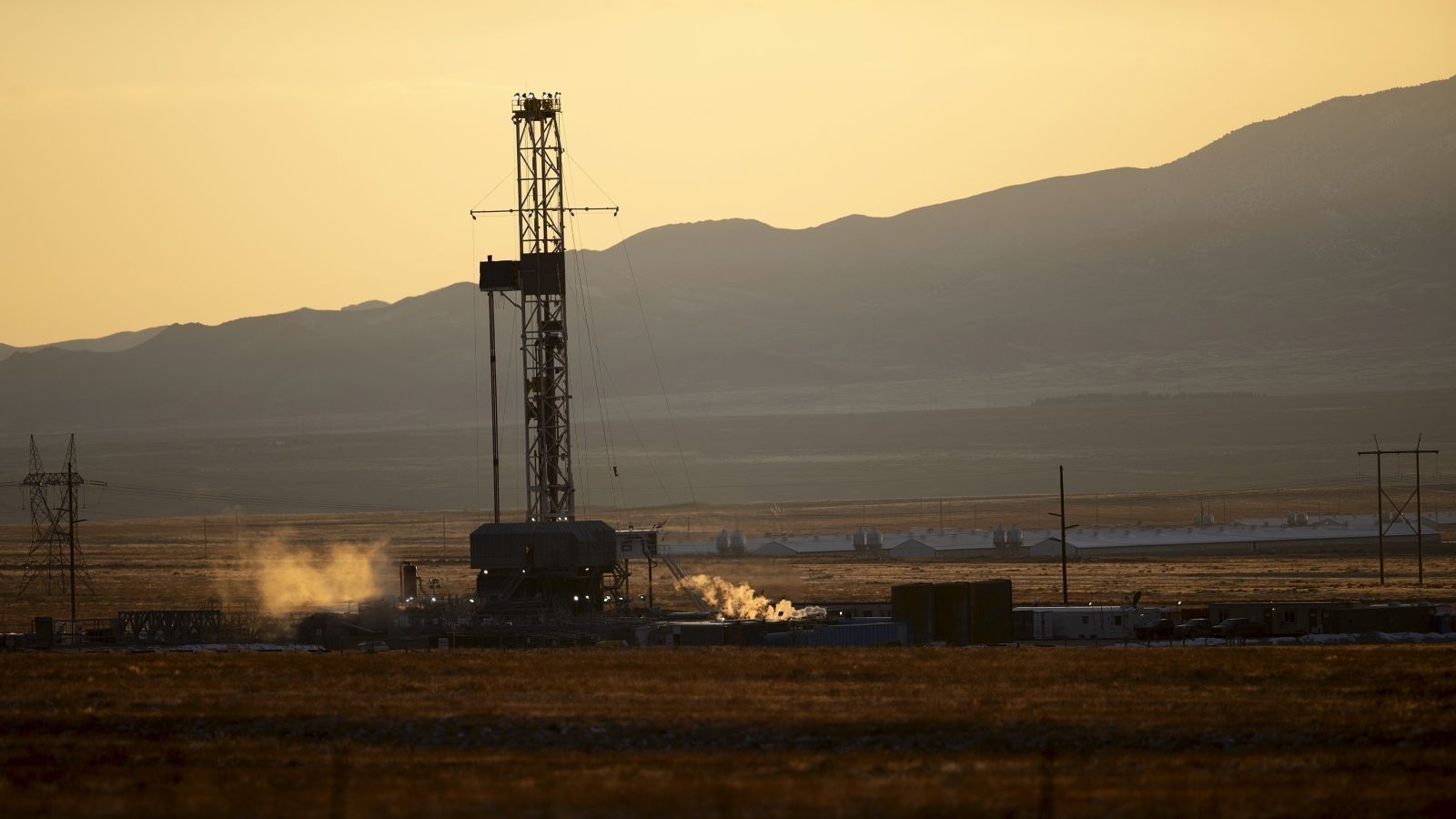
To expand the reach of geothermal power, the industry has pivoted toward "Enhanced Geothermal Systems" (EGS). By adapting drilling and fracturing techniques pioneered by the oil and gas industry, developers can now create artificial reservoirs in hot, dry rock where no water exists naturally. This process involves injecting fluid into the subsurface to open fractures, creating a heat-exchange network. While this allows for massive geographic expansion, it introduces a significant environmental hurdle: the consumption and management of water.
The Water Paradox in the Arid West
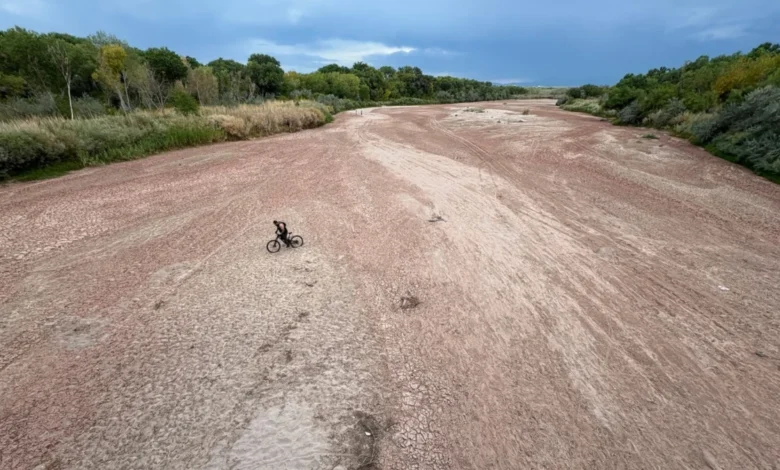
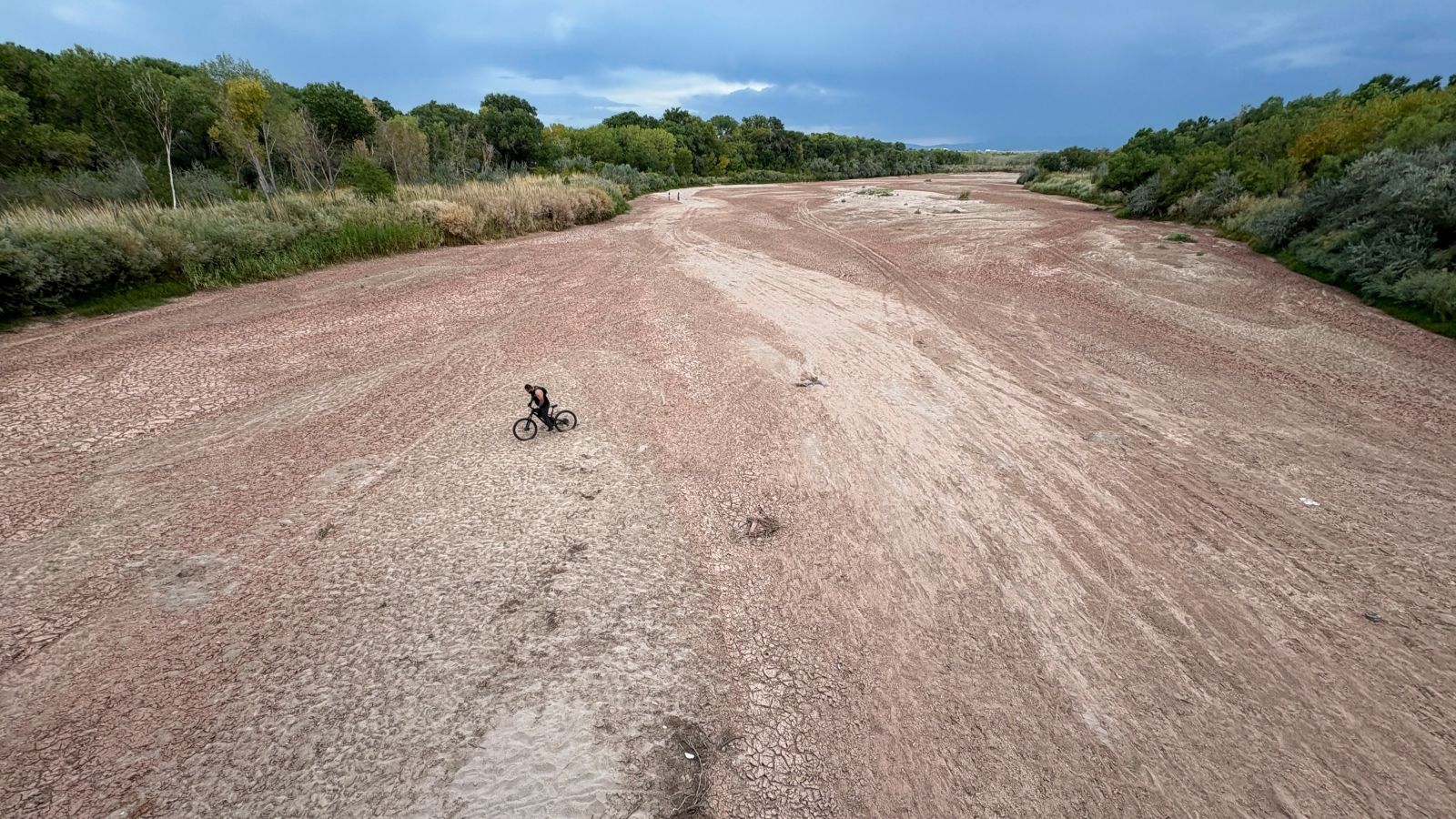
The irony of the current geothermal boom is that the states with the most promising geothermal potential—such as Utah, Nevada, and New Mexico—are also those most constrained by drought and water scarcity. While geothermal plants use water to generate electricity, the data centers they are intended to power also require substantial amounts of water for cooling their server racks to prevent overheating.
This creates a "double-tax" on regional water supplies. For example, Kristie McLin, principal investigator at the Utah FORGE laboratory, has noted that a proposal by Oracle to build 2 gigawatts of renewable capacity—potentially including geothermal—could require up to 42 million gallons of water per day. To put this in perspective, that volume is equivalent to roughly half of the total daily water consumption of Albuquerque, New Mexico.
The industry is responding to this challenge with two distinct strategies. The first is the development of "closed-loop" systems, championed by companies like XGS Energy. These systems cycle a working fluid through a sealed pipe network, allowing the system to harvest heat from the Earth without the fluid ever coming into contact with the rock or escaping into the atmosphere. The second approach, employed by Fervo Energy, involves minimizing water loss in EGS systems through precision engineering and the use of non-potable, brackish groundwater that is unsuitable for human consumption or agricultural use.
Chronology of the Geothermal Surge
- 2023–2024: The U.S. Department of Energy (DOE) increases funding for Enhanced Geothermal Systems, citing the need for firm, carbon-free power to meet state-level climate targets.
- Early 2025: California’s utility regulators mandate that power providers procure significant amounts of "clean firm" energy to compensate for the decline in gas-fired generation.
- June 2025: Meta announces a major deal with XGS Energy in New Mexico, focusing on water-efficient, closed-loop technology.
- Mid-2025: Google confirms its purchase agreement with Fervo Energy’s Cape Station facility in Utah.
- Late 2025: Federal land auctions for geothermal development in the Mountain West reach record-high bids, signaling intense private-sector interest.
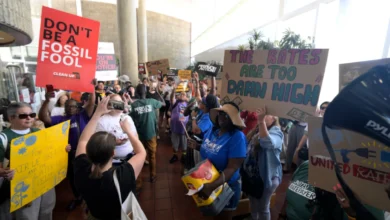
- 2026: Protests and public scrutiny grow regarding the environmental impact of new data center clusters, forcing companies like Oracle to pivot toward renewable energy procurement plans.
Economic and Regulatory Implications
The transition to geothermal is not without significant financial risks. Unlike solar panels or wind turbines, which can be deployed in modular, predictable phases, geothermal projects require deep, expensive exploration drilling. If a well fails to hit the expected temperatures or flow rates, the capital loss is substantial.
Mike O’Connor, director of the Mountain West Geothermal Consortium, emphasizes that the industry is still in a "learning-by-doing" phase. He is currently researching new funding mechanisms to help bridge the "valley of death"—the period between initial exploration and the start of commercial production—where most geothermal startups fail.
Regulatory hurdles also persist. Geothermal development often falls under the same complex federal and state permitting frameworks as oil and gas extraction. While the industry benefits from the expertise of the existing energy workforce, it must also navigate strict environmental impact reviews, particularly regarding water usage and induced seismicity (small earthquakes caused by fluid injection).
Looking Toward 2045
California’s mandate to reach 100 percent clean electricity by 2045 serves as a bellwether for the rest of the nation. With more than 50 percent of its power currently coming from renewables, the state is encountering the "duck curve"—a phenomenon where solar production peaks during the day when demand is low and drops off in the evening, leaving a gap that must be filled by other sources.
Geothermal is increasingly viewed as the "silver bullet" for this imbalance. Because the heat of the Earth is constant, it can operate at a high capacity factor, providing the steady baseload that allows solar and wind to function effectively within a larger, more complex grid.
"There was an argument for geothermal power before data centers, and there will be an argument for geothermal power after these data centers are built," says O’Connor. The data center industry, while a catalyst for current growth, is merely one consumer in a much larger energy transition.
Conclusion: A Balancing Act
As the United States continues to build out the infrastructure required for the digital age, the marriage between geothermal energy and the tech sector remains a high-stakes experiment. The industry’s ability to scale depends on its success in two areas: proving that geothermal can be economically competitive with gas turbines, and demonstrating that it can operate within the water-budget constraints of the arid West.
The work being done at facilities like Utah FORGE, which sits adjacent to the Cape Station project, is critical. By experimenting with well spacing, injection rates, and advanced recovery techniques, researchers hope to reduce water loss to near-zero levels. If they succeed, geothermal could transition from a minor player to a foundational pillar of the American energy grid. If they fail, the reliance on gas-fired "peaker" plants will likely continue, complicating the nation’s path toward net-zero emissions. For now, the eyes of the climate policy community remain fixed on the Mountain West, where the Earth’s inner heat is being tested as the ultimate clean energy solution for a data-dependent world.