Diesel Prices Surge to Record Highs as Washington Debates Export Ban Amidst Ongoing Global Conflict

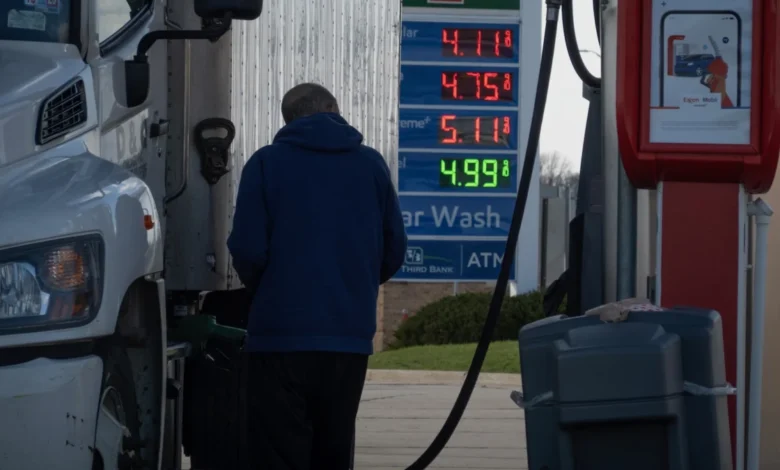
The national average price for diesel fuel has reached an unprecedented $6.52 per gallon, marking a persistent upward trajectory that has seen costs climb nearly every day throughout September. This rapid escalation, representing an increase of approximately $1 per gallon within a single month, has prompted an urgent, high-stakes debate in Washington over whether the federal government should implement a ban on the export of U.S.-refined diesel. President Donald Trump has recently signaled his support for such a measure, asserting that curbing exports could keep more fuel within domestic borders to alleviate the mounting pressure on the American economy.
The current price surge is intrinsically linked to the geopolitical instability triggered earlier this year when the United States and Israel launched a military campaign against Iran. This conflict has roiled global energy markets, creating a supply-side shock that has reverberated across the domestic American economy. While diesel is less commonly used in passenger vehicles compared to gasoline, its role as the primary fuel source for heavy-duty transportation—including the trucking, shipping, and rail industries—makes it a critical economic pillar. Consequently, the nearly 80 percent increase in diesel prices since the onset of the conflict has effectively functioned as a tax on the supply chain, inflating the cost of goods ranging from groceries to industrial materials.
A Chronology of the Crisis
The roots of the current crisis can be traced back to the early months of the year, when the escalation of hostilities in the Middle East disrupted traditional energy flows. By late spring, logistics companies began warning of thin profit margins, and by mid-summer, fuel costs had reached levels that forced small-to-mid-sized freight carriers to consider scaling back operations.
In September, the situation reached a breaking point. As prices at the pump ticked upward daily, the political discourse shifted from passive observation to active intervention. On September 22, while attending the United Nations General Assembly in New York, President Trump publicly endorsed the idea of an export ban. "I’ve said let’s not send out the diesel," the President stated. "I’ve called for it. I’ve called for it within my people."
Following the President’s remarks, several high-profile lawmakers joined the conversation. Senator Chuck Grassley of Iowa took to social media to draw a parallel between the current energy situation and trade policy, suggesting that if the government can restrict the export of sensitive technology like semiconductors to China, it should prioritize the needs of American farmers and truckers by restricting fuel exports. Other prominent voices, including Senate Majority Leader John Thune of South Dakota and Representative Ashley Hinson, have expressed a willingness to explore legislative options to address the supply shortfall.
The Economic Impact: A Growing Burden
The financial toll on American households has been substantial. According to data from a collaborative dashboard managed by researchers at Brown University, the cumulative impact of rising diesel prices has cost the average American household approximately $400, contributing to a total national economic burden exceeding $51 billion since the start of the war.
Jeff Colgan, a political scientist at Brown University who contributed to the tracking project, argues that an export ban would fundamentally alter the domestic supply-demand equation. By keeping a greater volume of refined product within the United States, the theory suggests that domestic prices would naturally soften as the immediate supply deficit is corrected.
However, the efficacy of this strategy is a subject of intense professional disagreement. Market analysts, such as Patrick De Haan, head of petroleum analysis at GasBuddy, contend that the U.S. fuel market does not operate in a vacuum. "U.S. diesel prices are determined not by a U.S. supply and demand balance, but a global one," De Haan noted on social media. From this perspective, global markets are so interconnected that restricting domestic exports would merely shift supply chains, failing to lower the worldwide price that dictates the baseline for U.S. costs.
Historical Precedents and Industry Opposition
The concept of an energy export ban is not without precedent in American history. In 1975, in response to the OPEC oil embargo, Congress passed the Energy Policy and Conservation Act, which effectively prohibited the export of U.S. crude oil. This policy remained a cornerstone of American energy strategy for four decades until it was repealed in 2015 during the Obama administration.
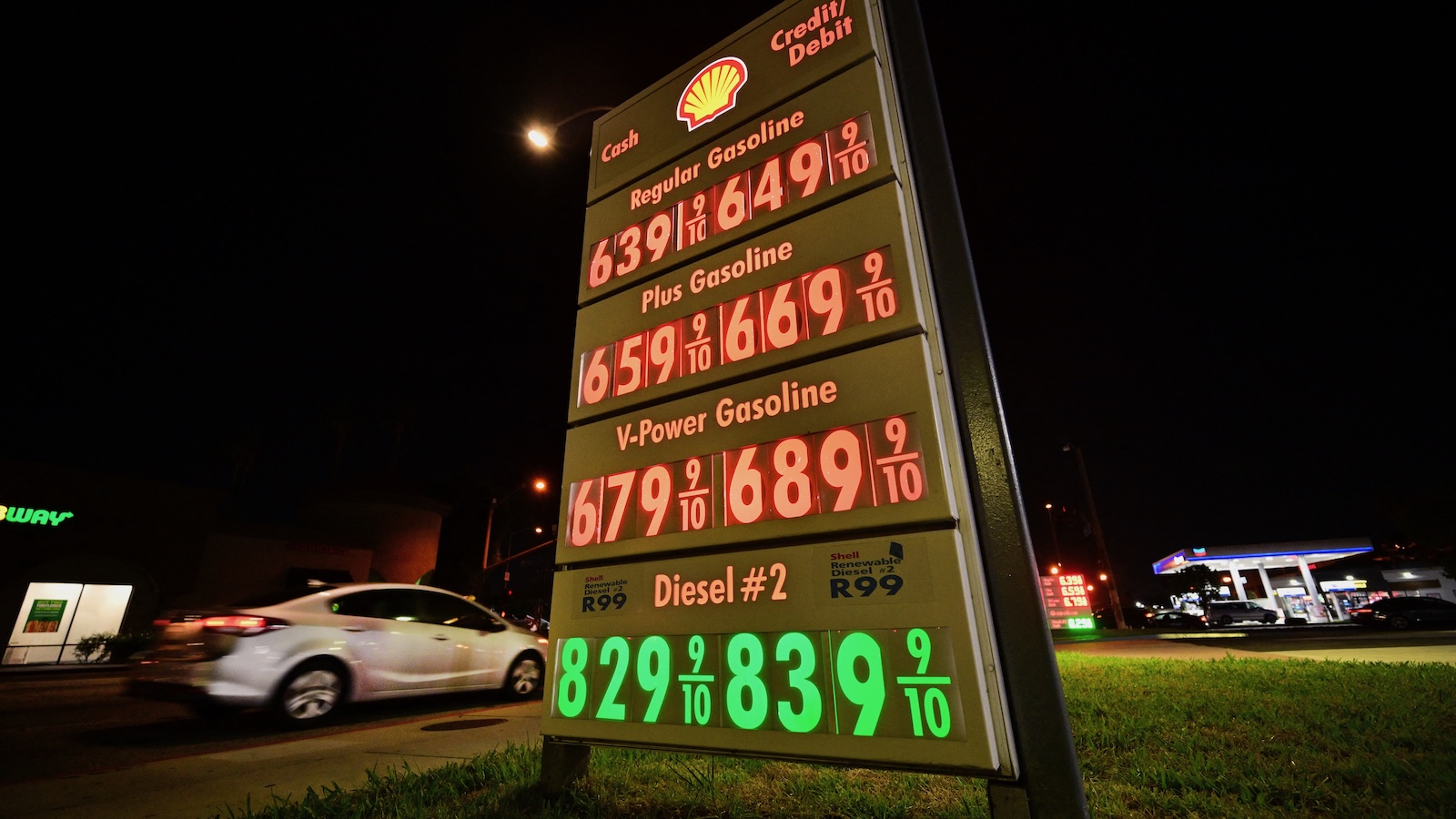
The oil and gas industry, which has seen substantial revenue growth since the lifting of the ban, remains staunchly opposed to any attempt to return to such restrictive policies. The American Fuel & Petrochemical Manufacturers (AFPM) association has issued strong warnings against the proposal. In a recent statement, the organization argued that "export bans do not create more fuel for Americans," asserting that such interventions would instead reduce domestic refinery investment, weaken the nation’s long-term energy security, and ultimately cede market share to foreign competitors who would quickly fill the void left by U.S. suppliers.
Official Responses and Internal Discord
The push for an export ban has also met with skepticism within the current administration’s own ranks and among key Republican leaders. Senator John Cornyn of Texas, representing the nation’s largest oil-producing state, characterized the proposal as a "gimmick," echoing concerns that the move would be politically motivated rather than economically sound. Interior Secretary Doug Burgum has similarly suggested that such an intervention could prove counterproductive, potentially harming the very consumers it aims to protect by disrupting global market stability.
Democratic lawmakers, who have historically been more supportive of regulating energy exports, have remained largely muted on the current proposal. When questioned, Senator Peter Welch of Vermont criticized the administration’s focus, arguing that the debate over export bans distracts from the core issue. "Trump is all smoke and mirrors," Welch stated, suggesting that the most effective way to lower prices is to resolve the underlying conflict with Iran rather than resorting to protectionist trade policies.
Potential Paths Forward: Beyond the Binary
As the political debate continues to oscillate between extreme positions—total deregulation versus a complete ban—some experts suggest that the solution may lie in a more nuanced middle ground. Tyson Slocum, energy program director at Public Citizen, has criticized the current binary nature of the discourse.
"The debate is so absurdly simplistic," Slocum observed. "People are like either total unfettered, unregulated exports or zero exports." He suggests that there are various intermediate policy levers, such as implementing quotas or temporary, flexible export limits based on domestic storage levels, which could provide relief without triggering the long-term economic downsides of a total prohibition.
Slocum maintains that even partial or targeted measures could be highly effective in the short term. "It could be very significant," he said. "You would absolutely see a significant short-term drop in diesel prices."
Implications for the Future
The challenge for policymakers lies in balancing immediate relief for truckers, farmers, and consumers against the risks of long-term economic distortion. If the administration decides to move forward, it will likely face a protracted legal and political battle with the energy sector. Conversely, if no action is taken, the persistent pressure of record-high fuel prices will continue to act as a drag on the broader economy, potentially fueling further inflation in the costs of essential goods and services.
As of this writing, a White House official indicated that an outright export ban was not being actively considered by the administration prior to the President’s recent comments. Whether the President’s public endorsement of the idea serves as the catalyst for a formal policy shift, or remains a rhetorical stance, remains to be seen. In the coming weeks, the focus of the debate will likely shift toward the possibility of bipartisan legislation as Congress considers its role in addressing the fuel crisis.
For the average citizen, the situation remains precarious. With winter approaching—a time when heating oil demand traditionally spikes, further straining the diesel supply chain—the urgency of finding a viable solution to the fuel crisis is expected to intensify. The coming months will test the resolve of the administration and the efficacy of current economic policies in the face of sustained global volatility.