Trump Tariffs Everyday Items
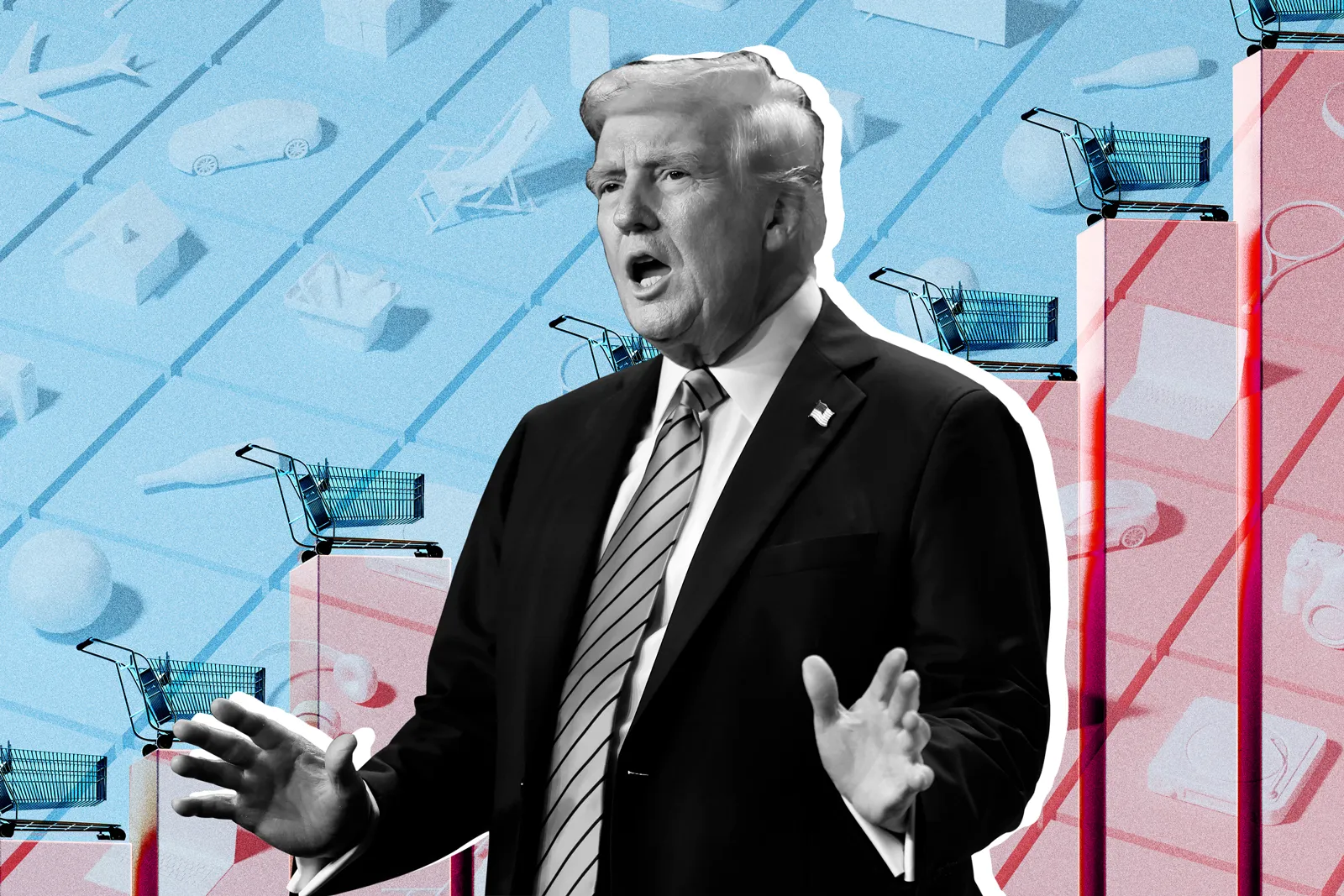

Trump Tariffs on Everyday Items: Understanding the Impact on Consumers and Businesses
The imposition of tariffs by the Trump administration on a wide range of goods, including many everyday items, generated significant debate and had tangible consequences for both consumers and businesses. These tariffs, primarily aimed at addressing perceived trade imbalances and protecting domestic industries, impacted a broad spectrum of products ranging from steel and aluminum to furniture, clothing, and electronics. The rationale behind these tariffs was multifaceted, often articulated as a means to renegotiate unfavorable trade deals, curb unfair trade practices by countries like China, and incentivize onshoring of manufacturing. However, the economic reality proved more complex, leading to a ripple effect that extended far beyond the initial targets of these trade policies. Understanding the mechanisms through which these tariffs operated and their downstream effects is crucial for a comprehensive grasp of their impact.
At its core, a tariff is a tax imposed on imported goods. When tariffs are levied, the cost of imported products increases. This increase is often passed on to consumers in the form of higher prices. For everyday items, this translates into a direct hit to household budgets. Consider the impact on apparel and footwear. Many clothing items and shoes are manufactured in countries with lower labor costs, and tariffs on these goods directly increased their price at the retail level. Consumers looking for affordable clothing found themselves paying more for the same or similar products. Similarly, furniture, another significant component of household spending, was also subject to tariffs. This meant that acquiring new furniture, whether for a home renovation or replacement, became a more expensive undertaking. The increase in cost wasn’t always a direct one-to-one reflection of the tariff rate; retailers and manufacturers often absorbed some of the cost, but a substantial portion was invariably passed on. The cumulative effect of these price increases across various categories of everyday goods could lead to a noticeable reduction in disposable income for many households, forcing consumers to make difficult choices about their spending.
The steel and aluminum tariffs, in particular, had a far-reaching impact because these raw materials are fundamental inputs for a vast array of manufactured goods. While the stated intention was to bolster domestic steel and aluminum production, the immediate effect was to increase the cost of production for industries that relied on these metals. This included manufacturers of automobiles, appliances, construction materials, and even packaged food and beverages, where aluminum cans are ubiquitous. Consequently, the cost of new cars, refrigerators, washing machines, and canned goods all saw upward price pressure. The intended beneficiaries of the steel and aluminum tariffs, domestic producers, did see some initial benefits in terms of increased demand and potentially higher prices for their own products. However, they also faced challenges. Some domestic manufacturers that relied on imported steel and aluminum as components in their own production processes found their costs rising, negating some of the intended benefits. Furthermore, the retaliatory tariffs imposed by other countries on American exports meant that some domestic industries, including agriculture, faced significant headwinds and reduced export markets, leading to economic hardship for those sectors.
The complex web of supply chains meant that the impact of tariffs was rarely confined to the immediate import or export transaction. Tariffs on intermediate goods – components or materials used in the production of other goods – could have cascading effects. For instance, if a U.S. company imported electronic components that were subject to tariffs and then used those components to assemble finished electronic products for sale domestically, the cost of those finished products would inevitably rise. This dynamic was particularly evident in the technology sector, where many components are sourced globally. The administration’s tariffs on Chinese goods, which encompassed a vast array of consumer electronics and parts, directly impacted the cost of televisions, smartphones, computers, and other electronic devices that have become integral to modern life. While some companies explored diversifying their supply chains to mitigate tariff impacts, this process is often slow, expensive, and not always feasible in the short to medium term. The resilience and efficiency of globalized supply chains were tested, and the need for greater domestic manufacturing capacity, or at least greater diversification, became a more prominent discussion point.
From a business perspective, tariffs presented a dual challenge: increased input costs and potential loss of competitiveness. Businesses that imported finished goods or components faced immediate cost increases, squeezing profit margins. To maintain profitability, they had several options, none of them ideal. They could absorb the increased costs, leading to reduced profits and potentially less investment in growth, research, and development. They could pass the costs on to consumers, risking a decrease in demand and market share, especially if competitors were not similarly affected or had more flexible supply chains. Or they could seek alternative suppliers or even relocate production, a process that often involves substantial capital investment, time, and the risk of disruptions. For small and medium-sized enterprises (SMEs), these options were often more constrained due to limited resources and bargaining power. The unpredictability of tariff policies also created an environment of uncertainty, making long-term business planning more challenging. Companies found it difficult to make investment decisions when the cost of imported inputs could fluctuate based on trade policy shifts.
Retaliatory tariffs imposed by countries like China were a significant consequence of the initial U.S. tariffs. These retaliatory measures targeted American exports, leading to increased costs for foreign buyers of U.S. goods. Sectors such as agriculture, particularly soybeans, were hard hit. U.S. farmers, who rely heavily on export markets, saw their products become less competitive in countries that imposed retaliatory tariffs. This led to reduced sales, lower prices for their produce, and significant financial strain on the agricultural sector. The government did implement aid packages to compensate farmers for losses, but these were often seen as a temporary fix and did not fully address the long-term market access issues created by the trade disputes. The broader economic principle at play was that protectionist measures in one country can trigger similar measures elsewhere, leading to a downward spiral of trade restrictions that can harm global economic growth and individual businesses in all involved nations.
The debate surrounding the economic impact of these tariffs often involved conflicting data and interpretations. Proponents argued that tariffs were necessary to level the playing field, protect American jobs, and encourage domestic manufacturing. They pointed to some anecdotal evidence of increased domestic production or investment in certain sectors. Critics, however, cited economic studies that indicated a net negative impact on the U.S. economy, with job losses in sectors that relied on imports or faced retaliatory tariffs outweighing any gains in protected industries. The consumer cost, measured by increased prices for everyday goods, was a tangible and widely felt consequence. The complexity of attributing specific economic outcomes solely to tariffs is considerable, as numerous other economic factors, both domestic and international, influence market conditions. However, the timing of price increases for many imported goods following tariff implementations provided strong correlational evidence of their direct impact.
The long-term implications of the Trump tariffs on everyday items continue to be analyzed. The experience highlighted the interconnectedness of the global economy and the intricate nature of modern supply chains. It also underscored the potential for trade policy to directly affect the purchasing power of consumers and the operational viability of businesses, particularly SMEs. While the stated goals of some tariffs were to revitalize domestic manufacturing, the broad application and the retaliatory responses created a complex economic landscape. The administration’s approach to trade, characterized by a willingness to use tariffs as a primary tool, represented a significant departure from previous U.S. trade policy and has left a lasting imprint on global trade relations and domestic economic considerations. The eventual unwinding or modification of some of these tariffs has occurred under subsequent administrations, but the lessons learned about the multifaceted consequences of trade protectionism, particularly on the cost and availability of everyday goods, remain relevant.