The Shrinking Network: How Industrial Lobbying is Silencing Community Air Monitoring in the United States

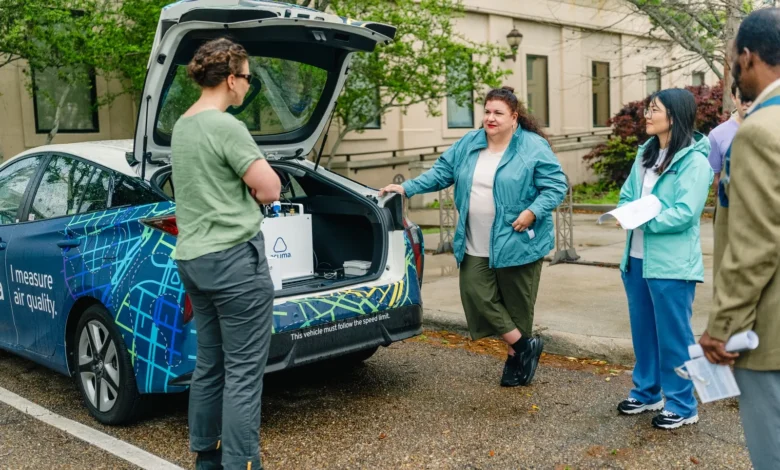
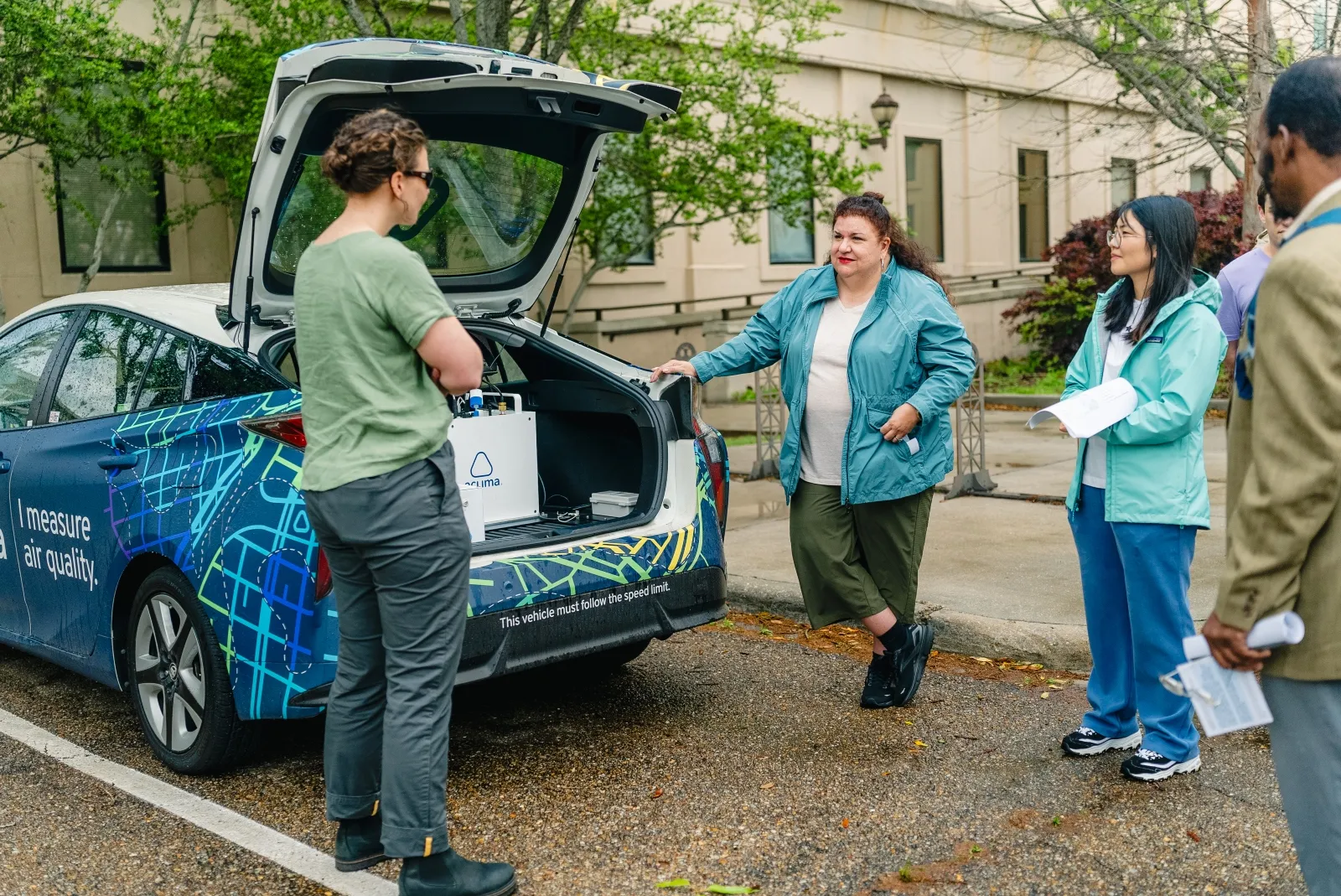
Across the vast industrial corridors of the American heartland, the air that millions of citizens breathe remains largely a mystery, obscured by a failing infrastructure of federal oversight and a systematic legislative push by industry to suppress local data. As climate change intensifies, bringing with it more frequent wildfires and prolonged heat waves that exacerbate ozone formation, the nation’s air-quality monitoring system—once the gold standard for public health protection—is in a state of quiet collapse. While federal funding wanes and aging equipment leaves large swaths of the country unmonitored, private industry has launched a coordinated campaign to ensure that citizen-led attempts to track toxic emissions are barred from the halls of regulatory enforcement.
The Erosion of Public Oversight
The architecture of American air quality protection was built upon the foundations of the 1963 Clean Air Act, which established a national network of monitoring stations designed to identify pollutants, set baselines for public health, and hold polluters accountable. For decades, this network functioned as an essential early-warning system. However, a comprehensive analysis reveals that this network is now showing significant signs of decay. The number of active monitors has steadily declined, and much of the existing equipment is either outdated or situated far from the major industrial facilities that pose the greatest risk to local communities.
Data from the EPA suggests that the decline is most severe regarding toxic air pollutants. The infrastructure dedicated to tracking chemicals like benzene, chloroprene, and vinyl chloride—substances intrinsically linked to cancer and severe respiratory issues—has been slashed by more than 50 percent since the early 2000s. This creates a dangerous "blind spot" in the national regulatory framework. In states such as Louisiana, Kentucky, Ohio, and West Virginia, a disproportionate number of large industrial polluters operate in regions where government monitoring is either nonexistent or fails to measure the specific toxic compounds being released into the atmosphere.
A Chronology of Legislative Restriction
The shift toward restricting community data began in earnest around 2024, as state legislatures began adopting nearly identical bills aimed at undermining the validity of low-cost, community-managed air sensors.
- 2023: Following the catastrophic train derailment in East Palestine, Ohio, public attention turned to the lack of local monitoring for vinyl chloride, highlighting the inadequacy of existing government networks.
- 2024: Louisiana passed the Community Air Monitoring Reliability Act (CAMRA). This legislation, heavily backed by the Louisiana Chemistry Association, created a legal firewall that prohibits regulators from utilizing any air-quality data in enforcement actions unless it meets rigorous, EPA-approved standards—a threshold that typically requires tens of thousands of dollars in equipment, far beyond the reach of neighborhood groups.
- 2025: Kentucky followed suit, enacting House Bill 137, which mirrored the Louisiana approach. Simultaneously, Ohio embedded similar restrictions into its state budget, effectively removing the "air nuisance" legal path for citizens to sue over emissions.
- 2026: Throughout this period, federal-level policies saw significant rollbacks. The Trump administration began granting exemptions to petrochemical facilities from Biden-era regulations intended to reduce toxic emissions by up to 80 percent, while canceling federal grants—such as those awarded to the Louisiana Environmental Action Network—that funded community-led monitoring initiatives.
The Data Gap: A Statistical Reality
The discrepancy between what is emitted and what is measured is stark. An investigation into the 100 largest industrial sources of pollution across four key states reveals that for 71 of these facilities, the primary chemical released is not monitored by any government station in the state. Chemicals such as methanol, sulfuric acid, and hydrochloric acid—all of which carry significant health risks—often go completely unmeasured by the public network.
According to a 2025 study by researchers at Penn State, nearly 60 percent of U.S. counties lack a single public air monitor. The implications of this are not distributed equally. The EPA has consistently noted that Black and low-income populations suffer from a higher burden of cancer risk associated with air toxics, often living in the shadows of refineries and chemical plants that are effectively operating without the oversight of a localized, high-fidelity monitoring network.
Industry Perspectives and the Push for "Standardization"
The legislative push to limit data has been spearheaded by powerful trade organizations, most notably the American Chemistry Council (ACC), which spent over $22 million on lobbying efforts in 2024. The official position of these groups is not an outright rejection of air quality monitoring, but rather a insistence on "data integrity."
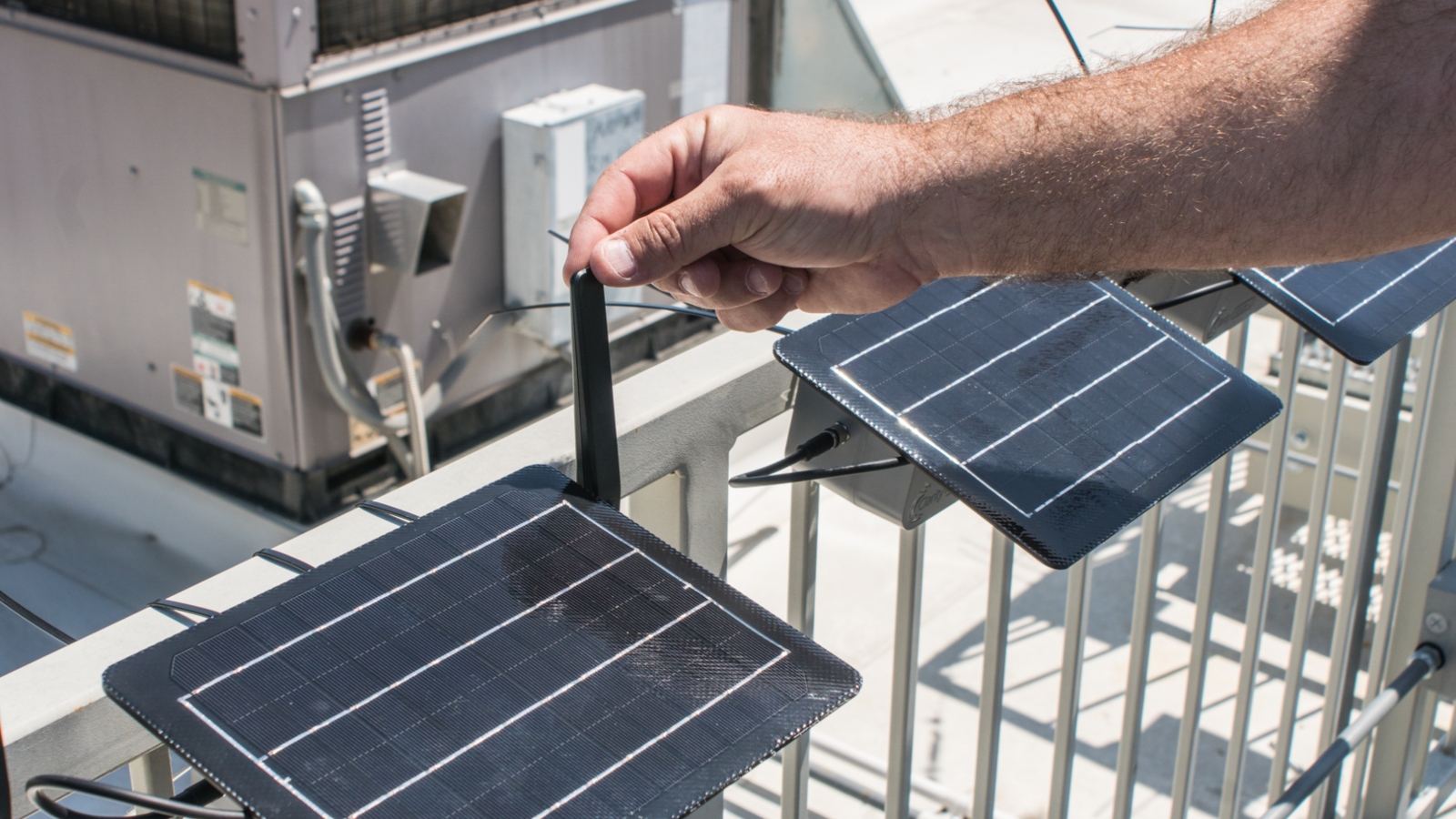
Representatives from organizations like the Kentucky Chemical Council and legal counsels for regional chambers of commerce argue that low-cost, community-managed sensors are prone to error and can be used to spread misinformation. They draw parallels to "uncalibrated speed guns," arguing that if data is to be used for legal enforcement—which can lead to massive fines or plant shutdowns—it must meet the highest scientific standards.
However, internal communications tell a more tactical story. When West Virginia lawmakers attempted to introduce a compromise bill that would have allowed for the use of community data provided it met manufacturer-grade accuracy standards, industry lobbyists resisted. In emails uncovered by investigative reporting, representatives from the chemical giant Chemours described such compromises as "toothless" and warned that they would "codify what we are trying to prevent," indicating that the goal was not the pursuit of scientific accuracy, but the prevention of regulatory accountability.
The Human Cost: Case Studies in Vulnerability
For residents living in industrial hotspots, the lack of data is more than a policy concern; it is a profound existential anxiety. Reonda Victor, a resident of Louisiana’s "Cancer Alley," describes a reality where the night sky is lit by industrial flares, yet the nearest air monitor only tests for lead. Her family’s history of breast cancer—despite no genetic predisposition—leaves her with unanswered questions that the state’s current monitoring regime is incapable of addressing.
Similarly, in Middletown, Ohio, Donna Ballinger faces the daily reality of industrial fallout. Despite mounting an air monitor in her own yard to track the particles coating her home, the state’s new laws ensure that her findings are inadmissible as evidence of a nuisance condition. This systemic dismissal of citizen science leaves individuals feeling powerless, as the very tools they use to advocate for their health are systematically stripped of their legal utility.
Implications and Broader Impact
The ongoing battle over air monitoring represents a fundamental conflict over the role of data in a democracy. If government agencies are unable or unwilling to monitor the emissions of industrial giants, and private citizens are legally barred from using their own data to demand accountability, a "regulatory vacuum" is created.
The consequences of this trend are likely to be far-reaching. As the federal government continues to grant exemptions to chemical plants—with over 60 such facilities receiving relief from emission rules under the current administration—the reliance on localized data becomes even more critical. When states codify the exclusion of community data, they essentially grant industry a degree of immunity from the localized environmental impacts of their operations.
Moving forward, the debate will likely shift to the judicial system. Lawsuits in states like Ohio are already challenging the constitutionality of these restrictions, arguing that by preventing citizens from presenting evidence of air quality violations, the state is violating the fundamental rights of its residents to safety and health.
Ultimately, the decline of the public air monitoring network is not merely a logistical failure; it is a deliberate contraction of the public’s ability to know what is in their lungs. As one expert noted, "We’ve realized the value of other infrastructure, and yet not this one—last I checked, we all breathe air." Until the legal and structural gaps in this monitoring network are addressed, the gap between industrial activity and public health awareness will only continue to widen, leaving vulnerable communities to bear the costs of invisible pollution.
Related posts: