The Senate Permitting Reform Standoff: Navigating an Energy Crisis Ahead of the Midterms

As the 119th Congress nears its conclusion, a bipartisan coalition of U.S. senators is scrambling to finalize a legislative framework aimed at gutting the federal bureaucracy that currently governs the nation’s energy infrastructure. With the midterm elections looming and congressional members set to return to their districts to face voters, the pressure to secure a deal on permitting reform has reached a fever pitch. At its core, the effort seeks to streamline the approval process for everything from high-voltage transmission lines to natural gas pipelines and renewable energy projects. Yet, despite broad consensus that the current regulatory architecture is dysfunctional, the path to passage remains blocked by political volatility, deep-seated public skepticism, and a significant messaging challenge regarding the primary drivers of America’s soaring electricity demand.
The Infrastructure Bottleneck: Why Permitting Reform is at the Forefront
The U.S. power grid is currently experiencing an unprecedented convergence of pressures. For decades, the nation relied on energy efficiency gains—such as LED lighting and more efficient appliances—to keep electricity consumption relatively flat. However, that era of stability has ended. The domestic "electrification of everything"—driven by the rapid adoption of heat pumps, electric vehicles, and a resurgent manufacturing sector—is now compounding a massive spike in power requirements necessitated by the expansion of hyperscale data centers.
Industry analysts and lawmakers alike have characterized the current federal permitting process as a primary obstacle to national competitiveness. Projects that could provide essential grid capacity are frequently mired in a cycle of protracted environmental reviews, redundant agency oversight, and endless litigation. Under current statutes, specifically the National Environmental Policy Act (NEPA), federal agencies are required to conduct exhaustive assessments of potential environmental and social impacts. While these protections were designed to ensure transparency, critics argue that they have become a tool for project opponents to delay infrastructure indefinitely.
A Chronology of Legislative Friction
The current effort is the latest chapter in a long-standing struggle to modernize American infrastructure law. The timeline of this legislative push reveals the difficulty of finding common ground in a polarized climate:
- 2024: The Energy Permitting Reform Act of 2024 serves as the most recent, albeit failed, attempt to overhaul the process. While it successfully cleared the committee stage, it ultimately stalled before reaching a full floor vote in the Senate.
- Early 2026: Following a series of reports from the Energy Information Administration (EIA) highlighting the extreme power needs of artificial intelligence (AI) and cloud computing infrastructure, energy security emerges as a top-tier national priority.
- August 2026: Senator Marsha Blackburn (R-TN) publicly emphasizes that the "outdated federal permitting process" represents a significant barrier to maintaining U.S. technological and economic dominance.
- September 2026: High-ranking members of the Senate’s key energy-related committees accelerate negotiations. President Donald Trump indicates a willingness to de-escalate opposition to wind and solar projects, provided that the legislation also facilitates broader fossil fuel development.
- Late September 2026: Negotiators acknowledge that the final legislative package will likely be deferred until after the midterm elections, effectively turning the bill into a "lame duck" session priority.
The "Toxic" Data Center Problem
A primary hurdle for lawmakers is the disconnect between the technical necessity of data centers and their reception by the public. Research from Redbud Consulting, a D.C.-based public opinion firm, indicates that data centers have become a "toxic" subject for voters. Polling data reveals a rare, cross-partisan consensus: voters across the ideological spectrum are increasingly hostile toward the construction of massive server farms in their neighborhoods.
"If you phrase permitting reform as serving data centers, the polling results get way worse," noted Alex Lundry, president of Redbud Consulting. This presents a political trap for incumbents seeking reelection. While legislators recognize that robust data infrastructure is vital for the AI-driven economy, they are wary of associating their legislative agenda with the physical expansion of these facilities, which are often viewed as noisy, resource-intensive, and exclusionary neighbors that drive up local electricity rates.
Economic Competitiveness and the "China Factor"
Legislators are also increasingly framing the permitting debate through the lens of international security. A recurring theme among both Democratic and Republican proponents of the bill is the fear that a sluggish American regulatory environment provides an opening for China to achieve economic and military superiority. The argument is that while China can accelerate infrastructure deployment through top-down mandates, the United States is "fighting the energy war with one hand tied behind its back," as Senator Rick Scott (R-FL) put it.
Despite the intensity of this rhetoric, pollsters warn that the "competitiveness with China" argument may be losing its efficacy with the average voter. Instead, the most persuasive messaging has shifted toward affordability and reliability. With 70 percent of Americans reporting that their energy bills have increased over the past year, the public is far more receptive to proposals that promise to lower costs through a modernized, more efficient energy supply chain.
Divergent Interests and the Path Forward
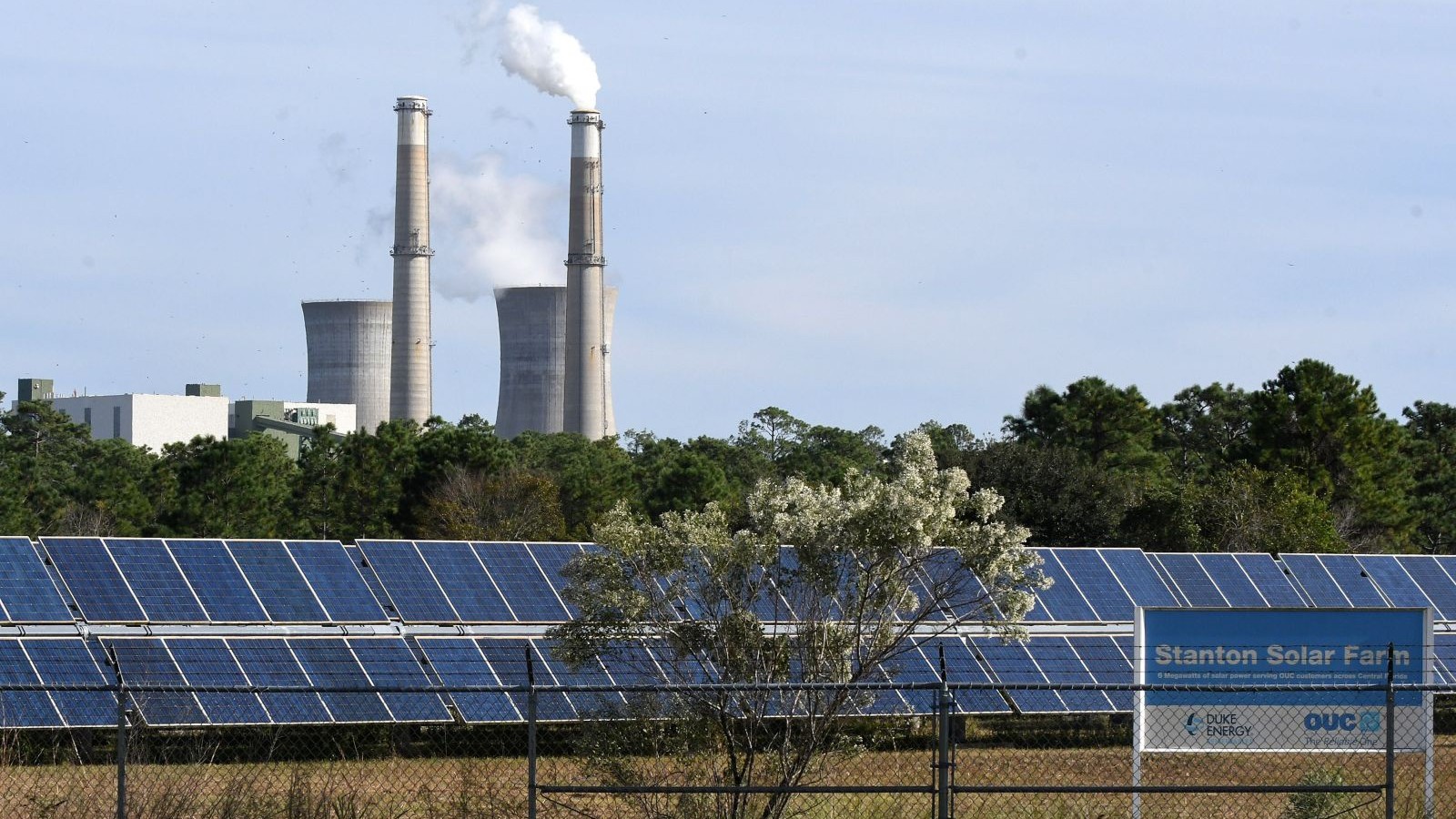
The proposed legislation aims to satisfy a disparate group of stakeholders. Renewable energy proponents want to speed up the deployment of wind and solar, which now account for approximately 80 percent of planned new power generation. Conversely, fossil fuel advocates are pushing for provisions that expedite natural gas infrastructure, which remains a primary fuel source for the data centers currently coming online.
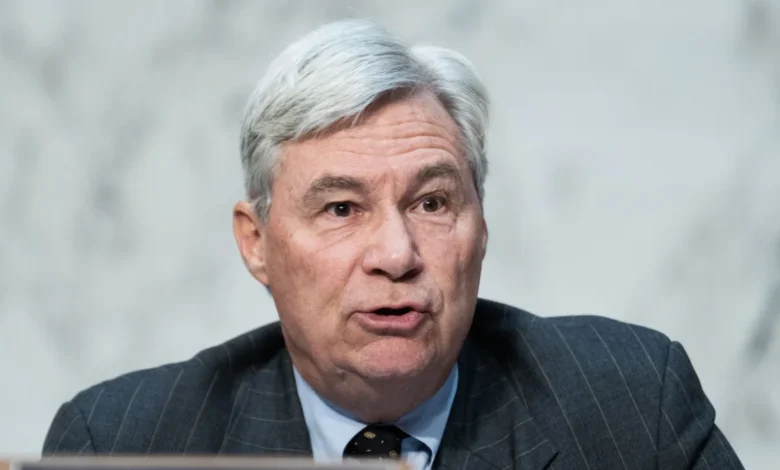
Negotiations are complicated by the skepticism of Democratic lawmakers, such as Senator Sheldon Whitehouse (D-RI), who has called for greater clarity on how the current administration will handle renewable project oversight. There is a deep-seated fear among some progressives that any "regular order" process established by the current administration could be used to fast-track fossil fuel projects while continuing to stifle renewables through bureaucratic maneuvering.
Simultaneously, environmental organizations like the Natural Resources Defense Council (NRDC) are urging caution. They argue that while the grid requires modernization, it must not come at the expense of "bedrock environmental laws" like the Clean Water Act or the Endangered Species Act. The challenge for negotiators is to craft language that limits the efficacy of nuisance lawsuits without completely stripping the public of their right to contest projects that threaten local ecosystems.
Broader Implications for the National Grid
The legislative stalemate in the Senate is occurring against the backdrop of a House-led initiative to hold data center developers financially accountable for the strain they place on the electrical grid. While the House has passed legislation encouraging states to force data centers to fund their own dedicated power generation, the Senate has yet to take meaningful action on this front. Some senators have dismissed the House bill as insufficient, arguing that it fails to address the underlying regulatory hurdles that prevent the utility companies from building the necessary transmission capacity in the first place.
Ultimately, the failure to secure a comprehensive permitting deal before the midterm break highlights the systemic fragility of the American power grid. As demand continues to surge—driven by the next generation of manufacturing and compute-intensive technology—the current system of fragmented, multi-agency oversight is increasingly seen as untenable.
Whether Congress can bridge the divide between environmental protection, corporate infrastructure needs, and voter sentiment remains an open question. For now, the "build, build, build" sentiment in Washington remains checked by a political reality that is increasingly sensitive to the local costs of a global energy transition. The coming months, particularly the post-election session, will prove whether lawmakers can translate the urgent rhetoric of the 2026 legislative year into concrete policy that satisfies both the demands of the digital economy and the concerns of the American public.
Related posts: