The Invisible Climate Emergency: Understanding Methane and the Path to Global Cooling

Methane is a colorless, odorless, and highly potent greenhouse gas that serves as the second most significant driver of the current climate crisis, trailing only carbon dioxide in total warming impact. Despite its critical role in global temperature rise, methane has historically received less public scrutiny than its carbon counterpart. As atmospheric concentrations reach record highs, the scientific community and global policymakers are increasingly identifying methane mitigation as the most effective "lever" for immediate climate stabilization.
The Science of Methane and Its Atmospheric Impact
Methane (CH4) is a hydrocarbon consisting of one carbon atom bonded to four hydrogen atoms. While carbon dioxide is renowned for its longevity—lingering in the atmosphere for centuries—methane is a "short-lived" climate pollutant. It persists in the atmosphere for approximately 12 years before breaking down into carbon dioxide and water vapor.

However, the danger lies in its intensity. Over a 20-year horizon, methane is estimated to be 86 times more effective at trapping heat than carbon dioxide. Over a 100-year period, this multiplier remains significant at 28 times. Because of this high potency and short lifespan, reducing methane emissions offers a unique "bang for the buck" for climate policy; lowering output today leads to a measurable cooling effect within a single generation.
A Chronology of the Methane Crisis
The industrial era has seen a consistent, rapid climb in methane levels, fundamentally altering the Earth’s natural carbon cycle:
- Pre-Industrial Era: Atmospheric methane levels remained relatively stable for millennia, sustained by natural biological processes.
- The Industrial Revolution: The expansion of coal mining, oil and gas extraction, and intensive agriculture began a steady upward trend in emissions.
- 2021 (COP26): The Global Methane Pledge was launched in Glasgow. Signatory nations committed to reducing collective methane emissions by 30% below 2020 levels by 2030.
- 2023: Global atmospheric concentrations reached 1,934 parts per billion (ppb), a 265% increase over pre-industrial levels.
- Present Day: Despite numerous pledges, emissions continue to rise, driven by both human industrial activity and feedback loops in natural ecosystems.
Sources of Emissions: Human and Natural Factors
Approximately 60% of current methane emissions are attributed to human activity, with the remainder stemming from natural sources such as wetlands, termites, and geological seeps.

The Fossil Fuel Sector
The oil and gas industry accounts for roughly 23% of human-caused methane. Emissions often occur during "venting," where unwanted gas is released during extraction, or through "fugitive emissions"—unintended leaks in aging infrastructure. Satellite technology has recently identified "super-emitters"—specific facilities or incidents responsible for a disproportionate share of total leaks. In 2022, researchers identified over 1,000 such incidents, including one event in Turkmenistan that leaked as much methane per hour as the entire nation of France emits in that same timeframe.
Agricultural Production
Agriculture is the largest human-caused source, contributing about 40% of the total. Livestock production, specifically enteric fermentation in ruminants like cattle and sheep, accounts for 32%. Rice cultivation in flooded paddies—an environment that promotes the growth of anaerobic bacteria—contributes another 8%.
Waste Management
Landfills and wastewater treatment facilities represent 20% of human-caused emissions. As urban populations grow in developing economies, the volume of solid waste is projected to rise by 73% by 2050, threatening to increase methane output significantly if proper capture technology is not implemented.

The "Bridge Fuel" Fallacy and LNG Expansion
For years, proponents of natural gas championed it as a "bridge fuel," arguing that because burning gas produces less CO2 than coal, it would assist the transition to renewables. However, this narrative ignores the lifecycle emissions of the fuel.
Modern data confirms that if even a small percentage of methane leaks during the extraction or transportation of Liquefied Natural Gas (LNG), its total warming impact exceeds that of coal. A 2023 study found that, when factoring in these leaks, LNG has a 33% greater global warming potential over 20 years than coal. Despite this, the global build-out of LNG export terminals continues, with critics like Bill McKibben warning that the sheer scale of planned infrastructure threatens to "overwhelm" all other efforts to reach net-zero goals.
Feedback Loops and Tipping Points
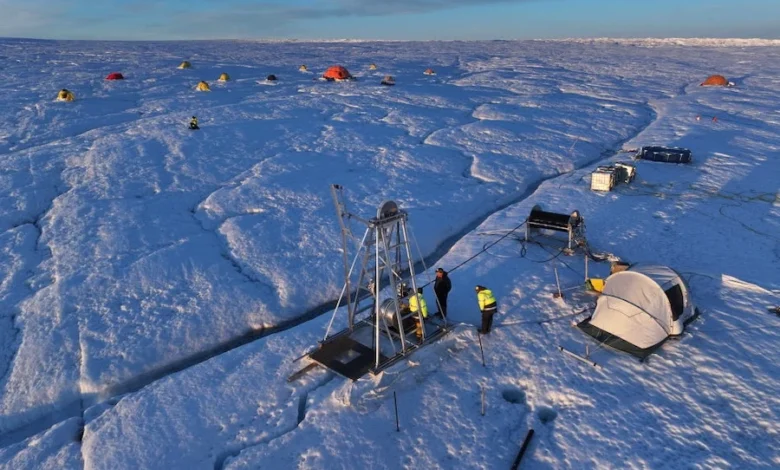
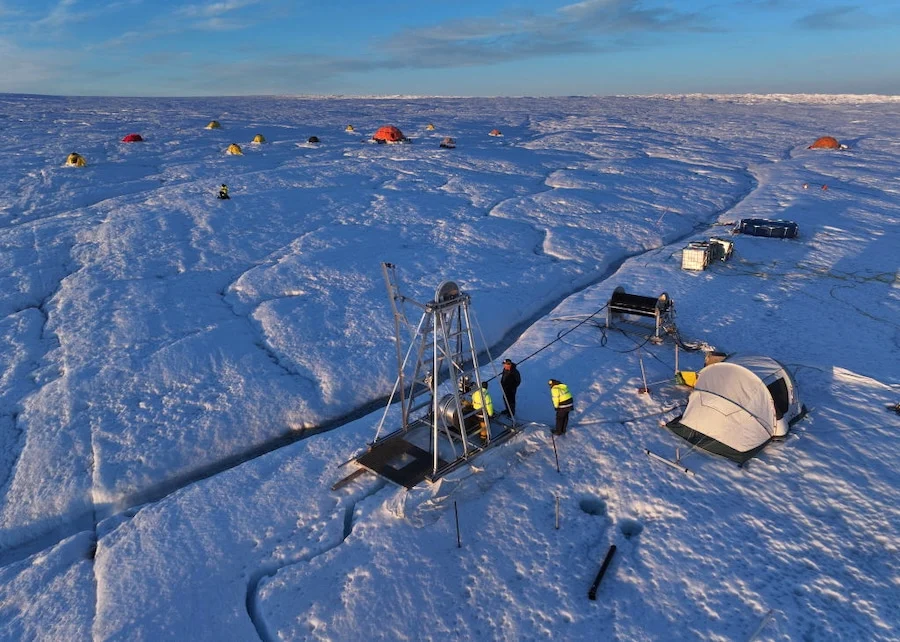
A significant concern for climate scientists is the activation of positive feedback loops. As the planet warms, natural methane sinks are being compromised. For instance, the Arctic permafrost acts as a massive carbon vault. As it thaws due to rising temperatures, it releases not only trapped methane but also microbes that begin producing new methane as they decompose previously frozen organic matter. Similarly, tropical wetlands are expanding due to shifting rainfall patterns, creating more methane-producing environments. Once these systems cross specific "tipping points," the resulting emissions could become largely irreversible, independent of human efforts.

Official Responses and Policy Gaps
While the Global Methane Pledge has garnered signatures from 159 nations, there is a persistent "implementation gap." The International Energy Agency (IEA) has noted that while the oil and gas industry has the technology to cut emissions by 70%—often at no net cost—actual progress has been stagnant. As of 2023, only 13% of all global methane emissions were covered by any form of formal regulatory policy.
Environmental agencies, including the IPCC, have stated that a 34% reduction in methane emissions by 2030 is mandatory to keep the 1.5 degrees Celsius warming limit within reach. Failure to meet these targets risks accelerating extreme weather events, including hurricanes, droughts, and heatwaves.
Public Health and Economic Implications
The impact of methane is not limited to atmospheric warming. Methane is a precursor to ground-level ozone, a harmful air pollutant that damages human lung tissue and inhibits agricultural yields. Experts estimate that methane-generated ozone contributes to roughly 500,000 premature deaths annually.

The economic cost of inaction is staggering. Every million metric tons of methane captured could prevent thousands of asthma-related emergencies and hospitalizations, while protecting millions of tons of staple crops like wheat, rice, and soybeans from ozone-induced damage.
Mitigation Strategies: A Multifaceted Approach
Addressing the methane crisis requires a two-pronged approach: systemic policy shifts and technical interventions.
- Systemic Transformation: The most effective long-term solution is a rapid phase-out of fossil fuels. In the agricultural sector, shifting toward more plant-based diets and reducing food waste could lower methane output by tens of millions of metric tons annually.
- Technical Fixes: For existing fossil fuel infrastructure, the focus must be on leak detection and repair (LDAR) and the adoption of modern equipment that prevents intentional venting.
- Agricultural Innovation: Researchers are testing dietary supplements for livestock, such as seaweed additives, which have shown the potential to reduce enteric methane emissions by over 50% in controlled settings. Furthermore, "Alternative Wetting and Drying" techniques in rice farming can cut methane emissions by nearly half compared to traditional continuous flooding.
- Waste Management: Transitioning to a "zero-waste" circular economy, where organic material is composted rather than buried, remains the gold standard for reducing landfill emissions.
Conclusion: The Urgency of Now
The dual nature of methane—its extreme potency and short atmospheric life—makes it both a grave danger and a unique opportunity. Because methane does not linger as long as CO2, the climate system is highly responsive to immediate reductions. If global leaders, corporations, and the public prioritize methane mitigation alongside the decarbonization of the energy grid, the world can significantly slow the rate of global heating in the next two decades. The science is clear: methane is no longer a hidden variable in the climate equation; it is the most critical element for immediate, tangible, and necessary climate action.